
Indian space start-up Agnikul Cosmos has partnered with cloud firm NeevCloud to place AI data centers in low Earth orbit. The companies plan to test a prototype in the coming months and target a full-scale launch by 2027, as rising AI demand strains power and cooling systems on Earth.
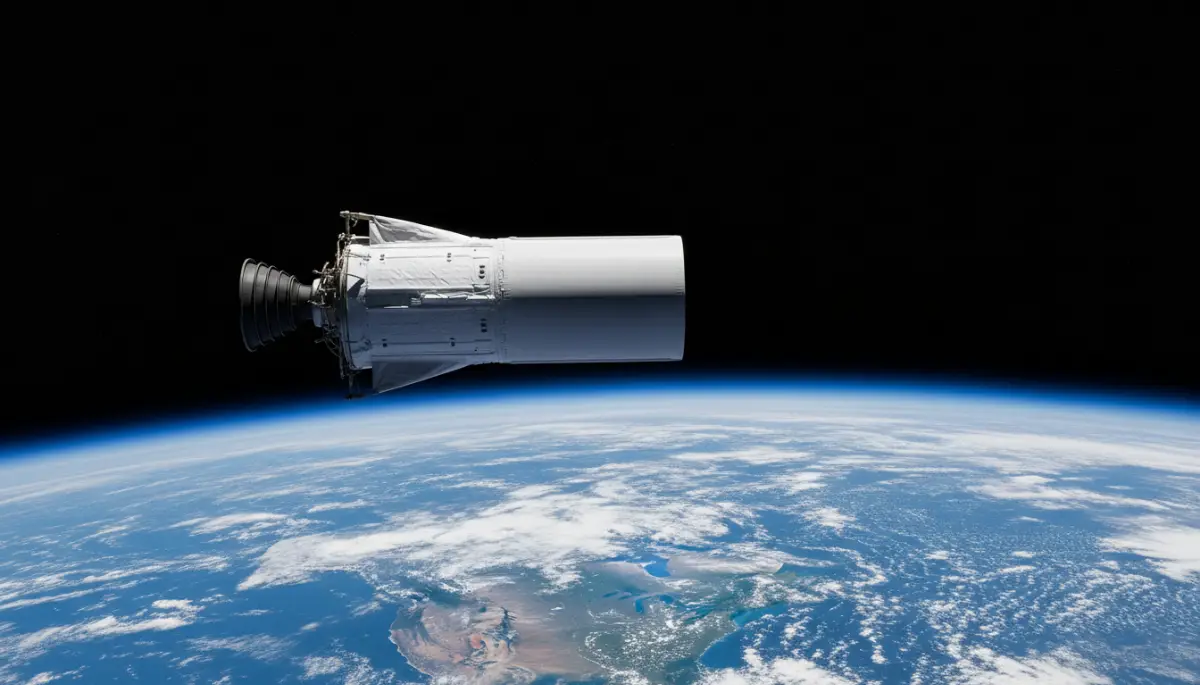
Agnikul will adapt the upper stage of its rocket, which already remains functional in orbit after deploying a satellite. Instead of letting that stage drift unused, the company will convert it into a host platform for NeevCloud’s AI SuperCloud infrastructure.
“Our convertible upper-stage technology lets these stages stay active and functional, turning them into usable assets that can host hardware and software in space, including compute or data capabilities.” said Srinath Ravichandran, co-founder and CEO of Agnikul Cosmos.
Over the next three years, they plan to scale to more than 600 orbital edge data centers, subject to technical validation.
“We are not just building a data center in space, we are building an entirely new layer of orbital inferencing infrastructure,” said Narendra Sen, Founder & CEO of NeevCloud.
Interest in space-based data centers has grown as AI workloads surge worldwide. Data centers on Earth consume vast amounts of electricity and require extensive cooling. In orbit, solar panels can provide direct power, and the space environment offers natural thermal advantages. Global players such as SpaceX have shown interest in similar concepts, but in India, Agnikul appears to be the first rocket company to actively pursue this use case.
The move also addresses the major issue of space debris. By extending the operational life of upper stages, Agnikul can reduce idle hardware in orbit while extracting more value from each launch.

Leave a Reply