
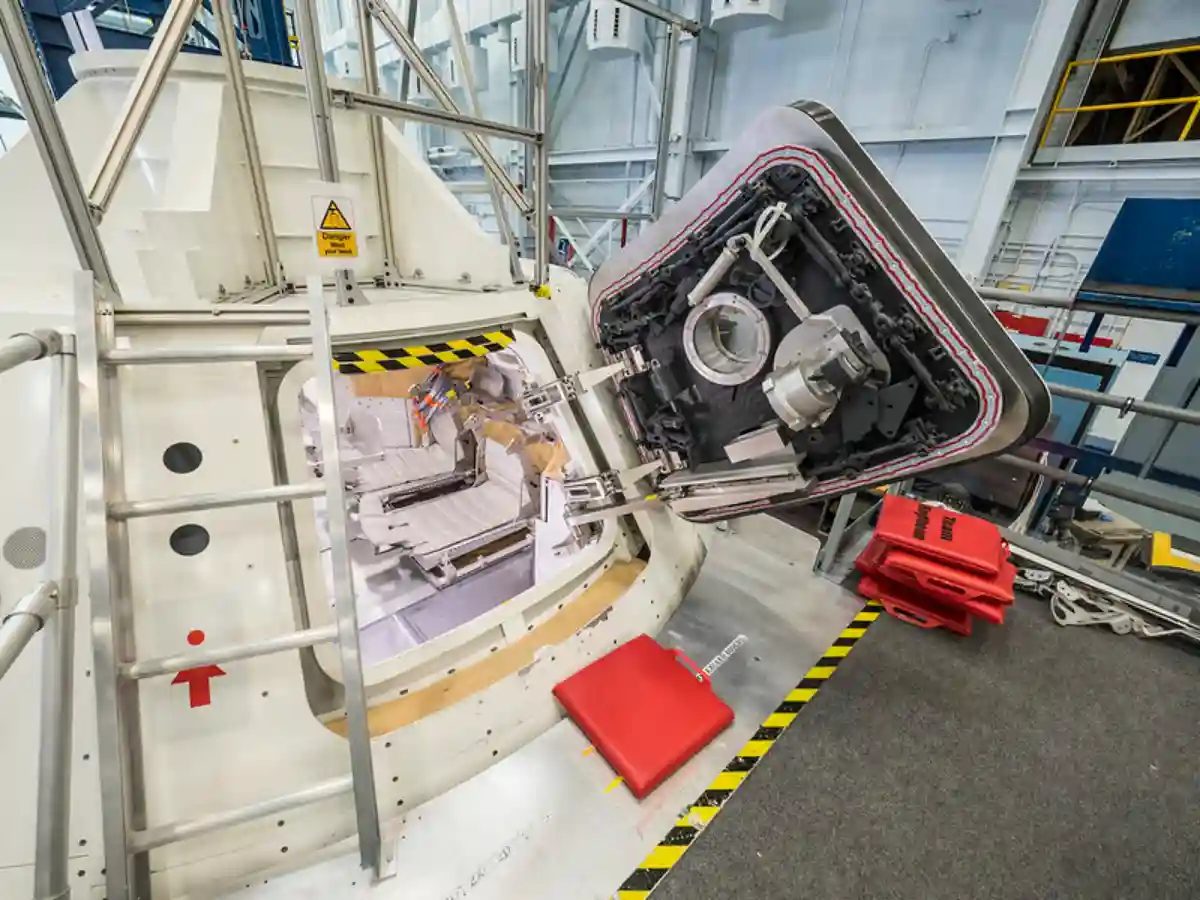
The Orion spacecraft is now carrying astronauts beyond Earth’s orbit for the first time in over 50 years as part of NASA’s Artemis II mission. Launched in April 2026, the mission sends four astronauts on a 10-day journey around the Moon and back. The goal is not landing, but testing whether Orion can safely support humans in deep space after decades of missions limited to low Earth orbit.
Orion is built in two main sections. The crew module is where astronauts live and work. It includes flight controls, navigation systems, and life support that provides air, water, and temperature control. Attached to it is the service module, developed in partnership with the European Space Agency, which supplies propulsion, electrical power, oxygen, and water. Large solar arrays generate electricity, allowing Orion to operate far from Earth for extended periods.
The spacecraft has been in development for nearly two decades. NASA began work on Orion in the mid-2000s under the Constellation program. After that program was canceled in 2010, Orion was redesigned and carried forward into the Artemis program. Over time, development costs have reached tens of billions of dollars, reflecting the complexity of building a spacecraft capable of deep space human travel.
The program has faced multiple delays and technical challenges. Engineers had to redesign systems, improve safety standards, and address issues found during testing. Artemis I, the uncrewed test flight in 2022, revealed wear on the heat shield during reentry, prompting further analysis and adjustments before flying astronauts. Delays in the Space Launch System rocket also affected Orion’s timeline, pushing crewed missions several years behind initial targets.
What sets Orion apart is how far it can go. During Artemis II, it will travel thousands of kilometers beyond the Moon, reaching distances not achieved by human missions since the Apollo era. At its peak distance, the crew will be farther from Earth than any humans in history.
The mission is not a passive journey. Astronauts are actively testing systems throughout the flight. They will take manual control, perform maneuvers, and verify navigation, communication, and life support under real conditions. These checks are essential because future missions will require Orion to dock with other spacecraft in lunar orbit and support longer stays.
Orion also follows a free-return trajectory, using the Moon’s gravity to loop around and return to Earth without major engine burns. This path provides an added safety margin, allowing the spacecraft to come home even if propulsion systems face issues.
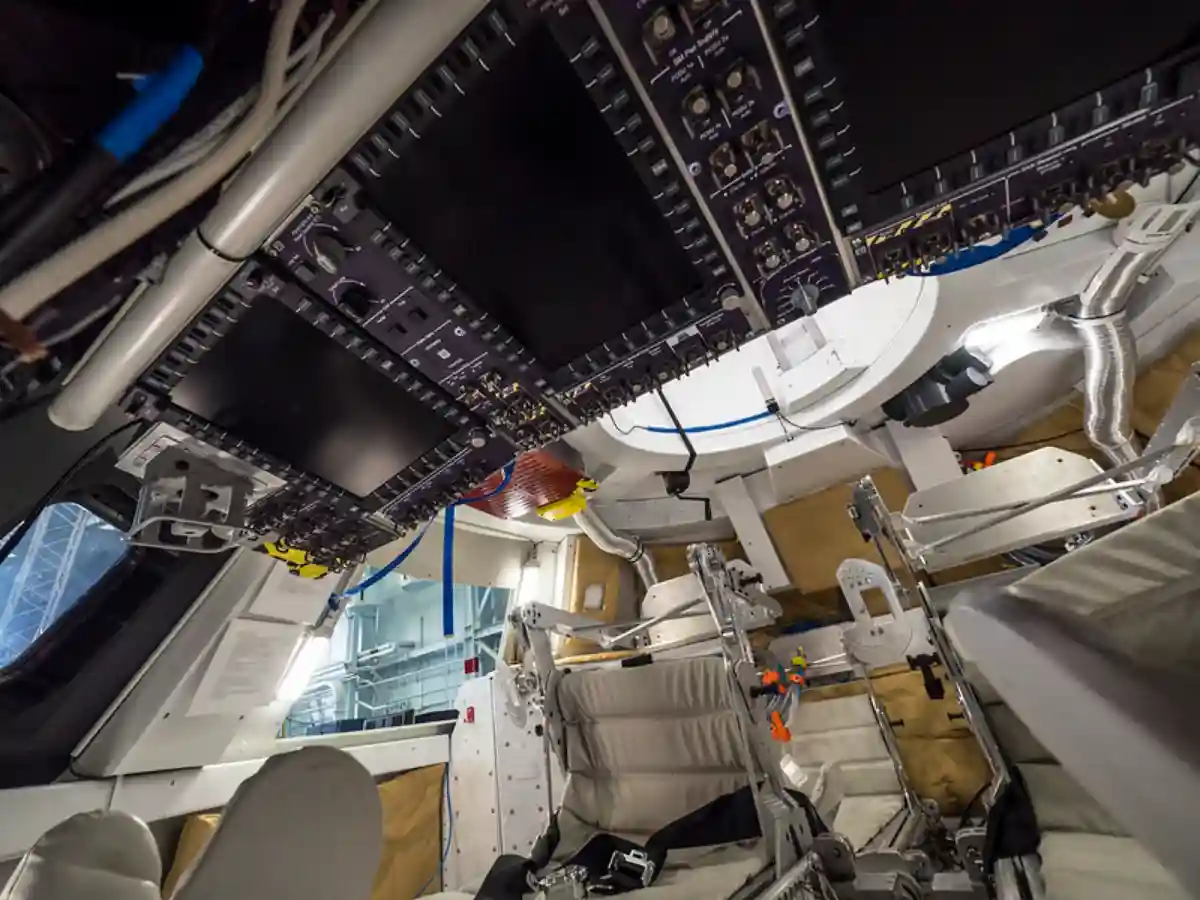
The spacecraft includes several advanced systems designed for deep space missions. Its life support system recycles air and water, while onboard computers manage navigation and communication with Earth across large distances. Radiation monitoring equipment tracks exposure levels, and the heat shield protects the crew during high-speed reentry into Earth’s atmosphere.
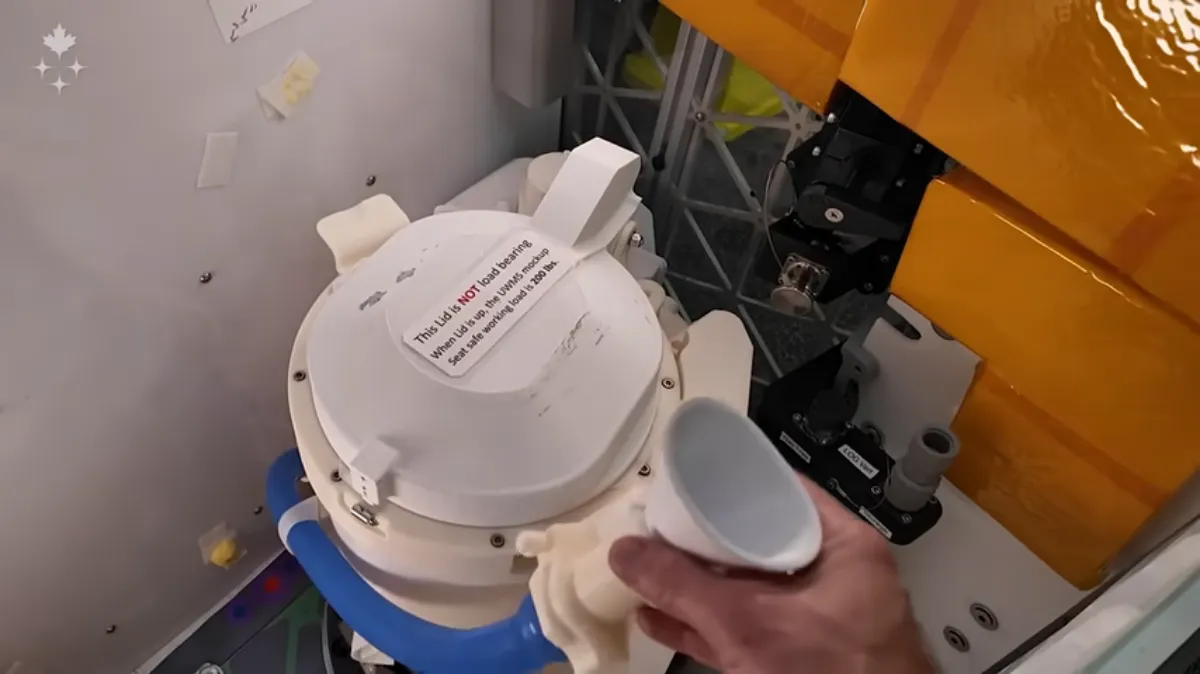
Among its most discussed features is the onboard toilet system. The Universal Waste Management System, which cost between $23 million and $30 million to develop, is a compact, vacuum-based unit designed for mixed-gender crews. It is smaller and lighter than previous designs and is installed in a private hygiene bay within the capsule. The system was tested on the International Space Station before being used on Artemis II, but its early malfunction shows that even advanced systems require real-world validation.
This mission builds directly on earlier testing. Artemis I proved that Orion could fly safely without a crew. Artemis II now tests whether it can support human life in deep space for extended periods.
If Orion performs as expected, NASA will move closer to landing astronauts on the Moon again under Artemis III. If issues arise, engineers will address them before the next mission. In either case, Artemis II is the step where long-planned systems face real conditions with humans onboard.

Leave a Reply