Tag: JAXA

  • Japanese Moon lander Resilience crash lands on Moon with a $16 million payload

    Japanese Moon lander Resilience crash lands on Moon with a $16 million payload

    Japan’s private moon lander hard-landed on the moon on June 5, 2025. The Japanese private aerospace company ispace launched the moon lander ‘Resilience’ to the moon’s Mare Frigoris region on January 15, 2025.

    The lander arrived in lunar orbit on May 7 and was scheduled to touch down on Thursday (June 5) at 3:24 p.m. EDT. However, the lander lost communication while landing, resulting in a presumed crash. According to Reuters, the lander was carrying a $16 million payload.

    Resilience, a moon lander that is a part of ispace’s Hakuto-R Mission 2, was launched on January 15, 2025, aboard SpaceX’s Falcon 9 rocket. The mission aimed to deploy several payloads, including Tenacious (a European-built mini rover designed to collect lunar soil samples for NASA and the European Space Agency (ESA)) and Moonhouse (a symbolic art installation; a miniature red house created by Swedish artist Mikael Genberg).

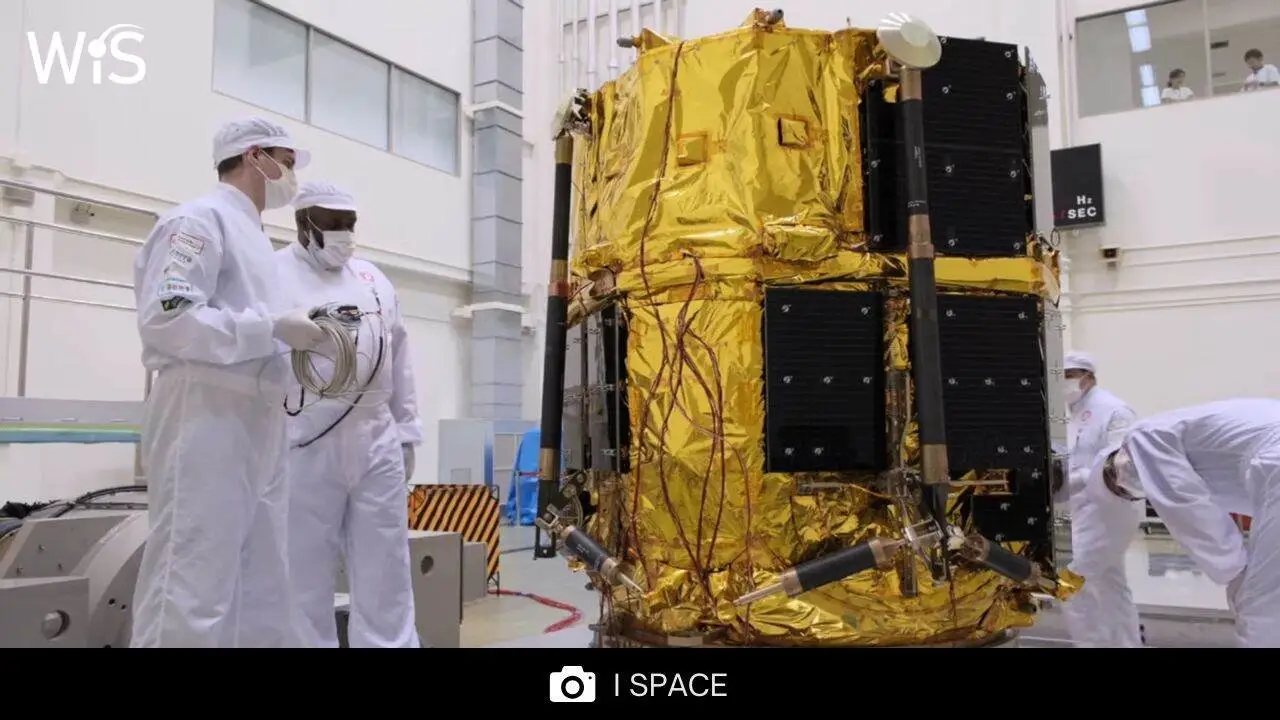
    Engineers assembling the European Moon rover Tenacious
    Engineers assembling the European Moon rover Tenacious. Image credit: Screengrab/ispace/via Youtube

    Preliminary tests are indicating that a malfunction in the laser altimeter system caused the lander to misjudge its altitude, leading to a descent that was too rapid for a safe landing.

    This incident highlights the challenges faced by private companies in lunar exploration, a domain where successful landings have predominantly been achieved by government space agencies. Nonetheless, the pursuit of lunar missions by private entities like ispace signifies a growing interest and investment in space exploration beyond traditional state-led initiatives.

  • Asteroid Ryugu Sample Contaminated by Earth Bacteria Despite Strict Handling Protocols

    Asteroid Ryugu Sample Contaminated by Earth Bacteria Despite Strict Handling Protocols

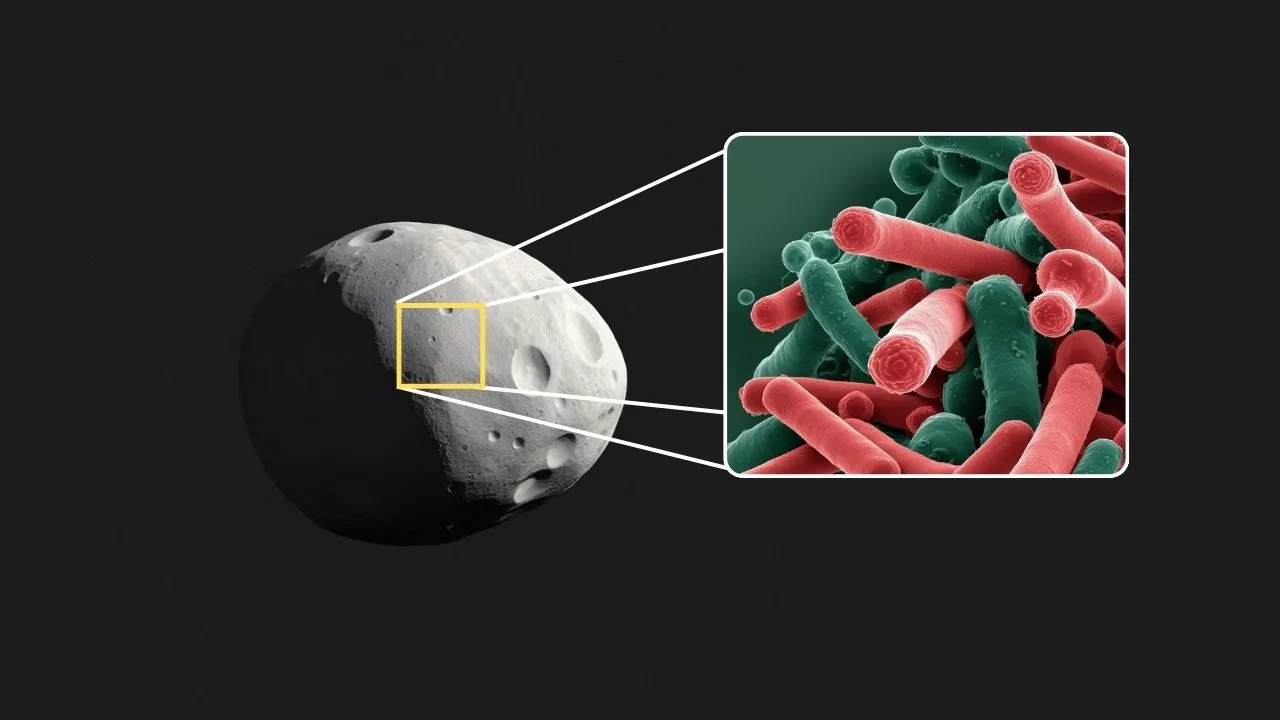
    A rare asteroid sample brought back to Earth by Japanโ€™s Hayabusa 2 mission has been found to contain Earth bacteria, raising questions about contamination risks in the study of extraterrestrial material. Researchers discovered filament-shaped microbes resembling the Bacillus genus inside a fragment of the asteroid Ryugu, despite strict controls meant to prevent such exposure.

    The Hayabusa 2 spacecraft launched in December 2014 and landed on Ryugu in June 2018, collecting material from the asteroidโ€™s surface. The samples were returned to Earth in December 2020 and distributed among international research teams for analysis. The contaminated fragment was examined using high-resolution microscopy, which revealed structures consistent with Earth-based bacteria.

    According to one of the researchers, the bacteria took a filamentous form, suggesting they likely came from Bacillus, a common group of rod-shaped bacteria. The contamination likely occurred during handling or storage on Earth rather than during the mission itself, researchers said.

    The finding was shared publicly after a user on X posted excerpts from the study, noting that the sample was โ€œrapidly colonized by terrestrial microorganisms despite strict contamination control.โ€ The revelation highlights the challenges scientists face in preserving the integrity of rare extraterrestrial material once it reaches Earth.

    Asteroid samples are highly sought after because they offer a window into the early solar system. Unlike Earth, where geological processes erase ancient records, asteroids remain unchanged for billions of years. Examining their composition helps researchers understand how planets formed and whether asteroids carried organic molecules that may have seeded life on Earth.

    Ryuguโ€™s samples are not the only ones under study. NASAโ€™s OSIRIS-REx mission recently returned material from the asteroid Bennu, which was found to contain carbon and water-bearing minerals. These discoveries support the idea that asteroids could have delivered the ingredients for life to Earth through impacts. Future missions, including Europeโ€™s Hera spacecraft, aim to expand knowledge of these small but important bodies.