
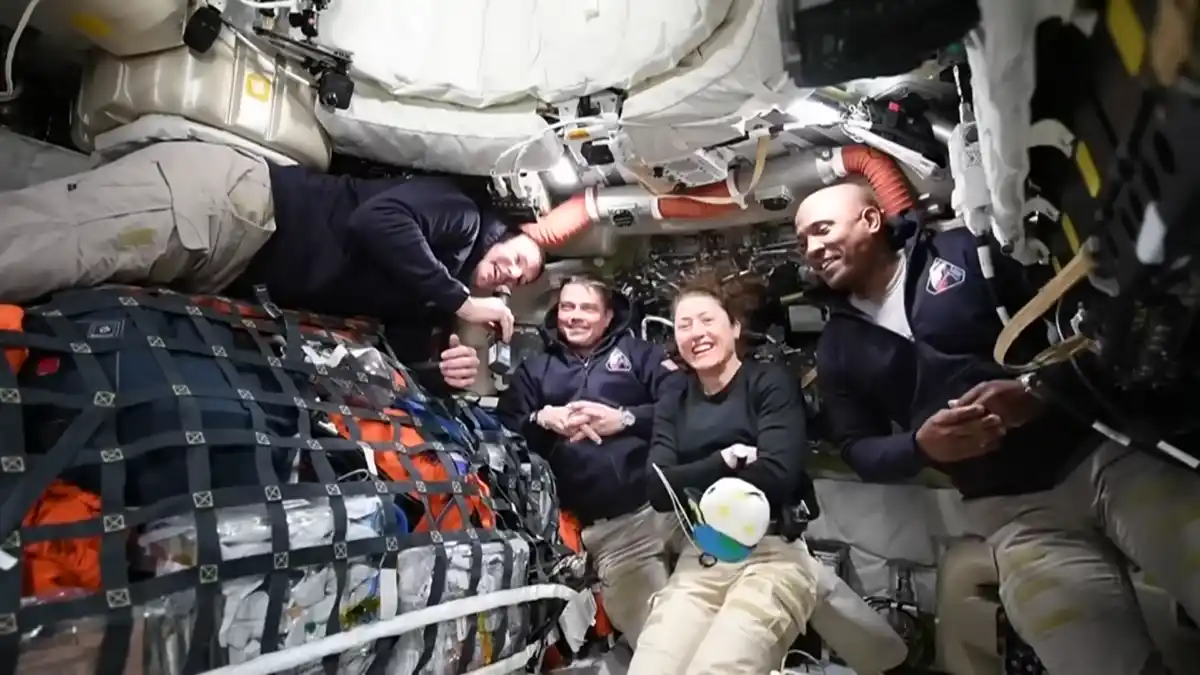
The Artemis II mission is a full-scale test that will shape NASA’s plan to land humans on the Moon again with Artemis III. Launched on April 1, 2026, at 6:35 p.m. EDT from Kennedy Space Center, the mission sends four astronauts on a roughly 10-day journey around the Moon and back. The goal is to test spacecraft systems, crew operations, and deep space travel before attempting a landing.
NASA is using Artemis II to verify that its core systems perform reliably. This includes the Space Launch System rocket and the Orion spacecraft, both of which will be used again in future missions. Their performance on this flight will directly affect the timeline for a lunar landing.
Launch and Early Flight – April 1, 2026
The mission began with liftoff on April 1, 2026. Within minutes, the rocket’s boosters separated, and Orion entered space. Solar arrays deployed shortly after, allowing the spacecraft to generate power for the rest of the mission.
In the first 24 hours, the crew remained in a high Earth orbit while checking key systems. These checks included life support, navigation, communication, and propulsion. This phase ensures the spacecraft is fully ready before heading toward the Moon.
Translunar Injection and Outbound Journey – April 2–4, 2026
After system checks, Orion performed a major engine burn known as translunar injection. This maneuver placed the spacecraft on a path toward the Moon. Over the next few days, the crew traveled farther from Earth than any humans in decades.
By April 4, astronauts had already crossed more than 150,000 miles from Earth, moving closer to the Moon than to their home planet.
Lunar Flyby and Deep Space Operations – Mid-Mission
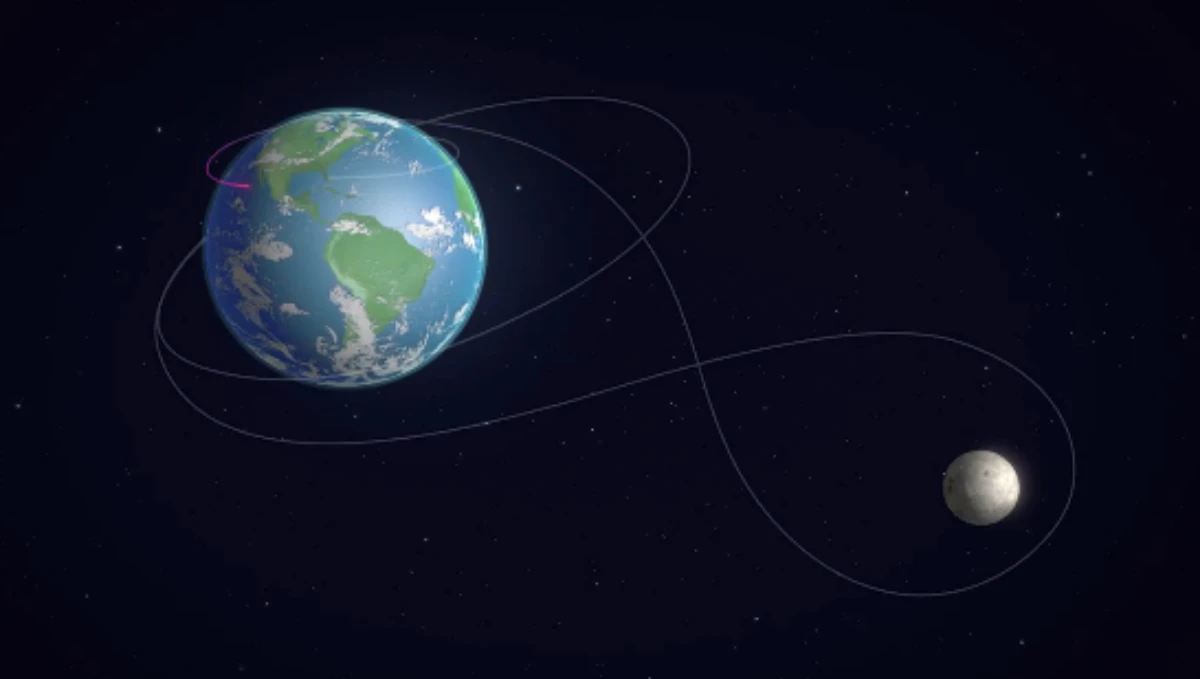
At the midpoint of the mission, Orion flies behind the Moon and reaches its maximum distance, traveling thousands of kilometers beyond it. This is the farthest humans have traveled from Earth in history.
The spacecraft does not enter lunar orbit. Instead, it follows a free-return trajectory, using the Moon’s gravity to curve back toward Earth. This approach reduces risk because it does not rely on major engine burns to return home.
During this phase, astronauts continue testing systems, including navigation, communication delays, and onboard operations. These activities help mission teams refine how deep space missions are managed.
Return Journey and Splashdown – April 11, 2026
After looping around the Moon, Orion begins its return to Earth. The spacecraft re-enters the atmosphere at speeds of about 25,000 miles per hour, testing its heat shield under extreme conditions.
The mission is scheduled to end with a splashdown in the Pacific Ocean on April 11, 2026, where recovery teams will retrieve the crew after roughly 9 to 10 days in space.
Why Artemis II Matters for Artemis III
Artemis III will go a step further by attempting a lunar landing. Instead of staying in orbit, astronauts will transfer from Orion to a separate landing system and descend to the Moon’s surface.
That makes Artemis II a preparation mission focused on everything leading up to that moment. It ensures that Orion can support astronauts, that navigation is accurate, and that communication works over long distances.
Astronaut performance is also being tested. The crew is managing spacecraft systems, responding to unexpected situations, and working with communication delays. These human factors will shape how future missions are planned.
What Happens Next
NASA aims to move quickly to Artemis III if Artemis II performs well. Current plans target the next mission for 2027, with broader goals of landing astronauts on the Moon later in the decade.
The agency is also working toward a long-term presence near the Moon, including regular missions and new infrastructure in lunar orbit. Artemis II marks the transition from testing hardware to operating full missions with astronauts.

Leave a Reply