
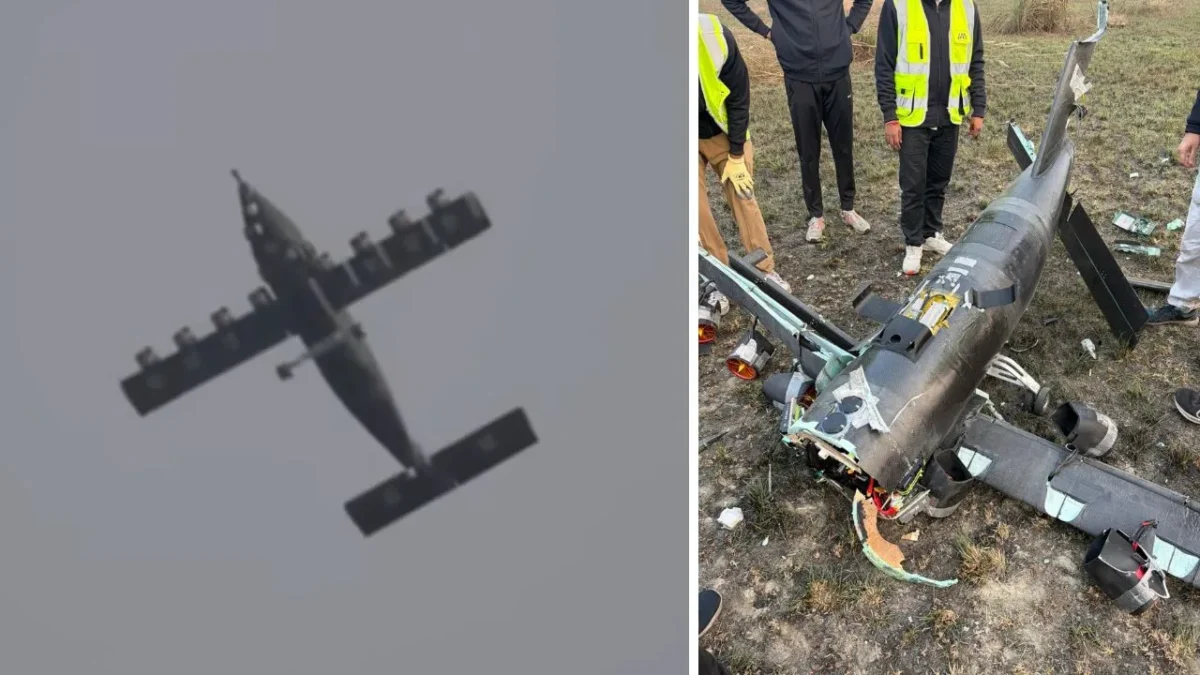
On January 4, 2026, LAT Aerospace conducted its first flight test of an experimental aircraft called Lat One v0.1, designed to operate from extremely short takeoff areas. The startup, founded by Zomato’s Deepinder Goyal and aerospace engineer Surobhi Das, set out to prove that the aircraft could lift off using far less space than a conventional runway.
A video shared by Goyal showed the plane leaving the ground within a remarkably short distance, confirming that the core concept performed as intended.
The aircraft crashed shortly after takeoff, an outcome the team had already expected. Engineers had identified structural limitations through internal simulations and chose to proceed with the test to collect real-world data rather than delay the program. The test produced the data required to guide the next phase of development.
This method of testing reflects a common approach in high-risk engineering programs, where early test failures help teams identify problems faster than simulations alone. Spaceflight programs have followed similar paths, accepting early losses in exchange for rapid progress and better designs.
“Overall, we learned so much from this entire experience. We will come out better and stronger from this.” Goyal said on Linkedin.
LAT Aerospace was launched in January 2025 with a clear objective: to develop compact aircraft capable of taking off and landing in locations where traditional airplanes cannot operate. Most aircraft depend on long runways, heavy infrastructure, and carefully prepared surfaces, which limits access to remote or rugged areas.
Ultra short takeoff and landing, or uSTOL, aircraft aim to overcome these limits by generating high lift at low speeds through wing design, thrust placement, and precise control systems. This allows operations closer to remote towns, research facilities, and challenging terrain.
The company is now working on Lat One v0.2, which will attempt a complete flight, including a controlled landing. Goyal has stated that landing presents a tougher challenge than takeoff, requiring accurate control, structural strength, and stability under stress.
If successful, the program could have uses well beyond regional aviation. Aircraft that operate from tight spaces could support emergency response, supply missions to remote regions, and scientific work in harsh environments. Over time, the company has also indicated interest in electric propulsion to reduce emissions.

Leave a Reply