
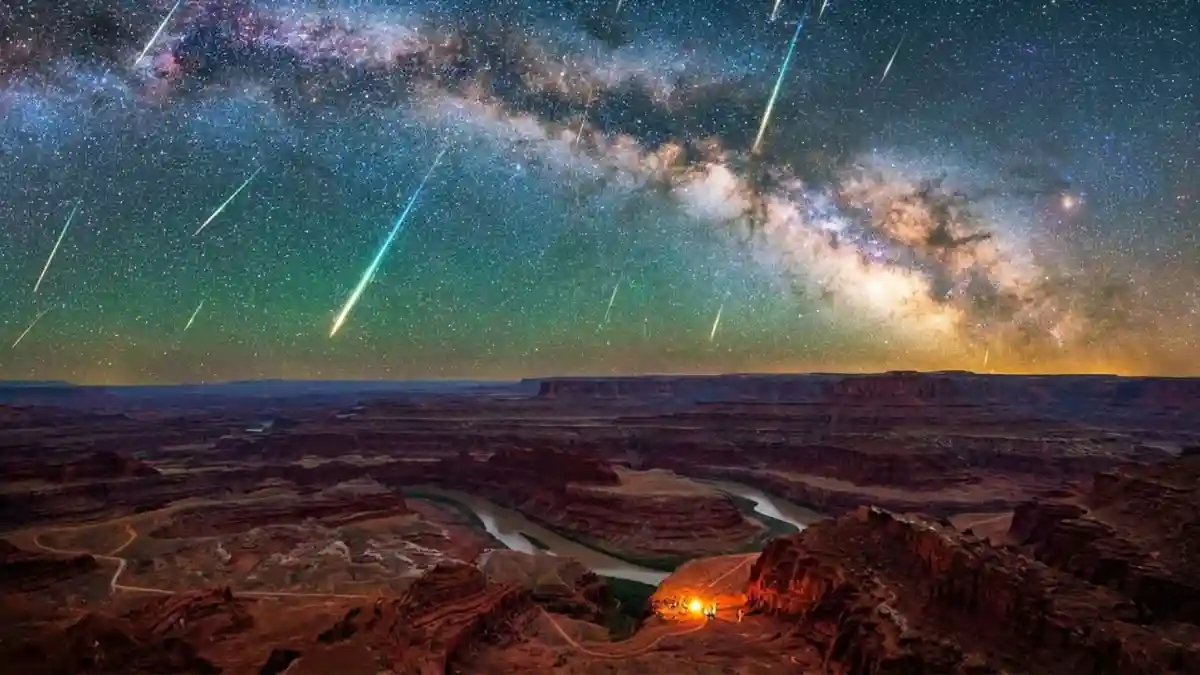
From the Quadrantids in January to the Geminids in December, this guide covers all major meteor showers in 2026 with their active periods, peak dates, and viewing conditions. Whether you are a beginner or an experienced observer, understanding when and where to look can significantly improve your chances of seeing meteors under dark skies.
Here is a complete list of the major meteor showers in 2026, including their active periods and peak dates.

Quadrantids Meteor Shower
Active: December 28, 2025-January 12, 2026
Peak: January 2-3, 2026
The Quadrantids are one of the strongest meteor showers, but their peak is very short. At maximum activity, they can produce a high number of fast-moving meteors. Clear skies during the peak night are crucial, as missing the peak window can significantly reduce visible activity.
Best viewing time: Pre-dawn hours
Best hemisphere: Northern Hemisphere
Lyrids Meteor Shower
Active: April 14-April 30, 2026
Peak: April 21-22, 2026
The Lyrids are among the oldest recorded meteor showers in human history. They are known for occasional bright meteors and short bursts of increased activity. While not the most intense shower, the Lyrids remain a reliable springtime event for stargazers.
Best viewing time: Late night to early morning
Best hemisphere: Northern Hemisphere
Eta Aquariids Meteor Shower
Active: April 19-May 28, 2026
Peak: May 5-6, 2026
Associated with Halley’s Comet, the Eta Aquariids are famous for fast, long-lasting meteors that often leave glowing trails. This meteor shower is especially favorable for the Southern Hemisphere, though observers in the Northern Hemisphere can still catch meteors before sunrise.
Best viewing time: Pre-dawn hours
Best hemisphere: Southern Hemisphere
Alpha Capricornids Meteor Shower
Active: July 3-August 15, 2026
Peak: July 30-31, 2026
Alpha Capricornids produce fewer meteors compared to other meteor showers in 2026, but they are well known for slow-moving fireballs. Even with low meteor counts, the brightness of individual meteors makes this shower worth watching.
Best viewing time: After midnight
Best hemisphere: Both hemispheres
Southern Delta Aquariids Meteor Shower
Active: July 12-August 23, 2026
Peak: July 30-31, 2026
This long-lasting meteor shower overlaps with the Alpha Capricornids, increasing overall meteor activity in late July. The Southern Delta Aquariids typically produce faint meteors, making dark sky conditions essential for the best experience.
Best viewing time: Midnight to dawn
Best hemisphere: Southern Hemisphere
Perseids Meteor Shower
Active: July 11-August 24, 2026
Peak: August 12-13, 2026
The Perseids are the most popular and widely observed meteor shower. Known for bright, frequent meteors, they are ideal for beginners and casual stargazers. Perseids are easy to observe and often produce impressive fireballs.
Best viewing time: After midnight
Best hemisphere: Northern Hemisphere
Orionids Meteor Shower
Active: October 2-November 7, 2026
Peak: October 21-22, 2026
Another meteor shower linked to Halley’s Comet, the Orionids are known for fast meteors and occasional bright fireballs. Autumn nights provide comfortable viewing conditions, making this a favorite among experienced observers.
Best viewing time: Pre-dawn hours
Best hemisphere: Both hemispheres
Southern Taurids Meteor Shower
Active: September 20-November 20, 2026
Peak: November 4-5, 2026
The Southern Taurids are known for slow-moving meteors and a higher chance of bright fireballs. Activity is spread out over several weeks, allowing observers multiple opportunities to catch meteors without relying on a single peak night.
Best viewing time: Late evening
Best hemisphere: Both hemispheres
Northern Taurids Meteor Shower
Active: October 20-December 10, 2026
Peak: November 11-12, 2026
This meteor shower overlaps with the Southern Taurids, creating an extended period of Taurid activity in late autumn. The combined effect often results in enhanced fireball activity.
Best viewing time: Late evening
Best hemisphere: Northern Hemisphere
Leonids Meteor Shower
Active: November 6-November 30, 2026
Peak: November 16-17, 2026
The Leonids are famous for producing meteor storms in some years. Although 2026 is not expected to be a storm year, the Leonids still offer fast and bright meteors that make them worth observing.
Best viewing time: Pre-dawn hours
Best hemisphere: Both hemispheres
Geminids Meteor Shower
Active: December 4-December 17, 2026
Peak: December 13-14, 2026
The Geminids are considered the most reliable and intense meteor shower 2026 will deliver. They produce bright, colorful meteors and are often visible throughout the night, making them the highlight of the year for many stargazers.
Best viewing time: Late evening to early morning
Best hemisphere: Both hemispheres
Ursids Meteor Shower
Active: December 17-December 26, 2026
Peak: December 21-22, 2026
Closing out the year, the Ursids offer a modest but steady display around the winter solstice. While less intense than the Geminids, they are still worth watching from dark locations.
Best viewing time: Pre-dawn hours
Best hemisphere: Northern Hemisphere
Check out the Astronomical Calendar 2026 for more events.
Best Tips to Watch Meteor Showers in 2026
- Choose a dark location away from city lights
- Allow at least 20 minutes for your eyes to adapt to the dark
- Avoid using telescopes or binoculars
- Check moon phases before peak nights
- Watch after midnight or before dawn for higher rates
Frequently Asked Questions
What is the best meteor shower to watch in 2026?
The Geminids and Perseids are the most reliable and intense meteor showers in 2026.
Can meteor showers be seen with the naked eye?
Yes, all major meteor showers can be observed without any equipment.
What time is best to watch meteor showers?
Late night to pre-dawn hours usually offer the highest activity.
Do moon phases affect meteor visibility?
Yes, bright moonlight can significantly reduce the number of visible meteors. Check the moon phase today before planning your observations.

Leave a Reply