
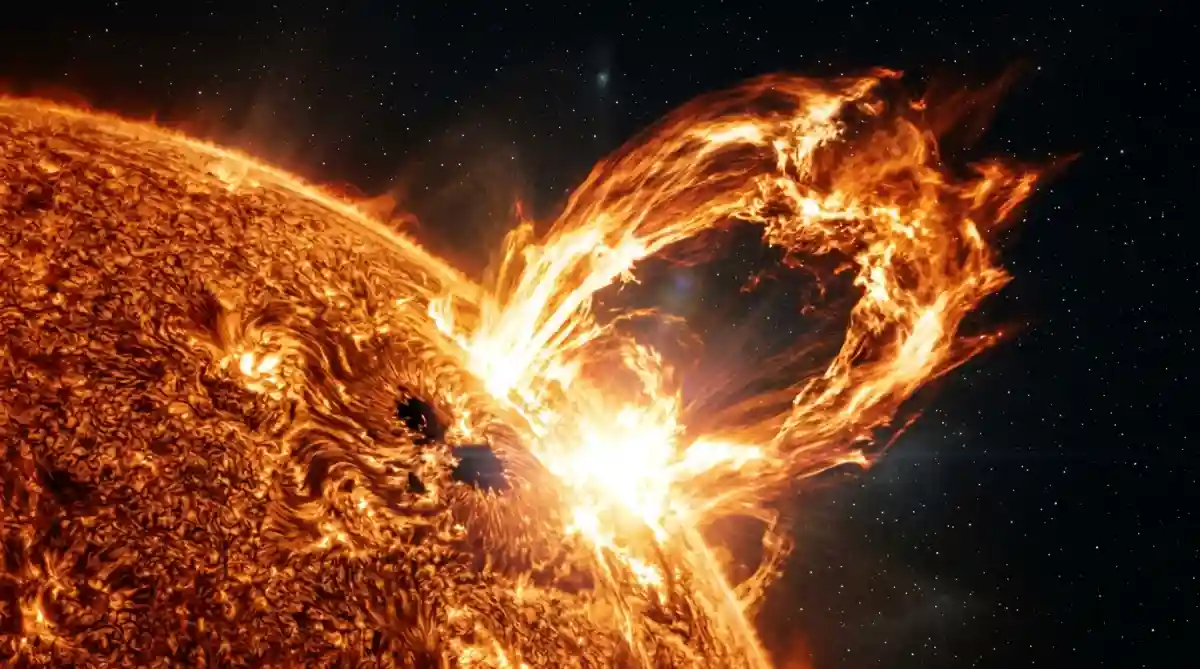
Researchers in Japan have identified evidence of a powerful solar radiation event that struck Earth more than 800 years ago by combining medieval records with advanced tree-ring analysis. The study, led by scientists at the Okinawa Institute of Science and Technology, linked unusual carbon-14 spikes in buried trees from northern Japan to reports of glowing red skies recorded in 1204 CE.
The findings were published on April 10, 2026, in the Proceedings of the Japan Academy, Series B. The study offers a rare look at how the Sun behaved during the medieval period and may help space agencies prepare for future radiation threats during deep-space missions.
The team focused on a type of solar activity called a solar proton event (SPE). These events happen when the Sun releases bursts of high-energy particles into space. Earth’s magnetic field usually protects people on the ground, but astronauts traveling beyond that shield face direct exposure to radiation.
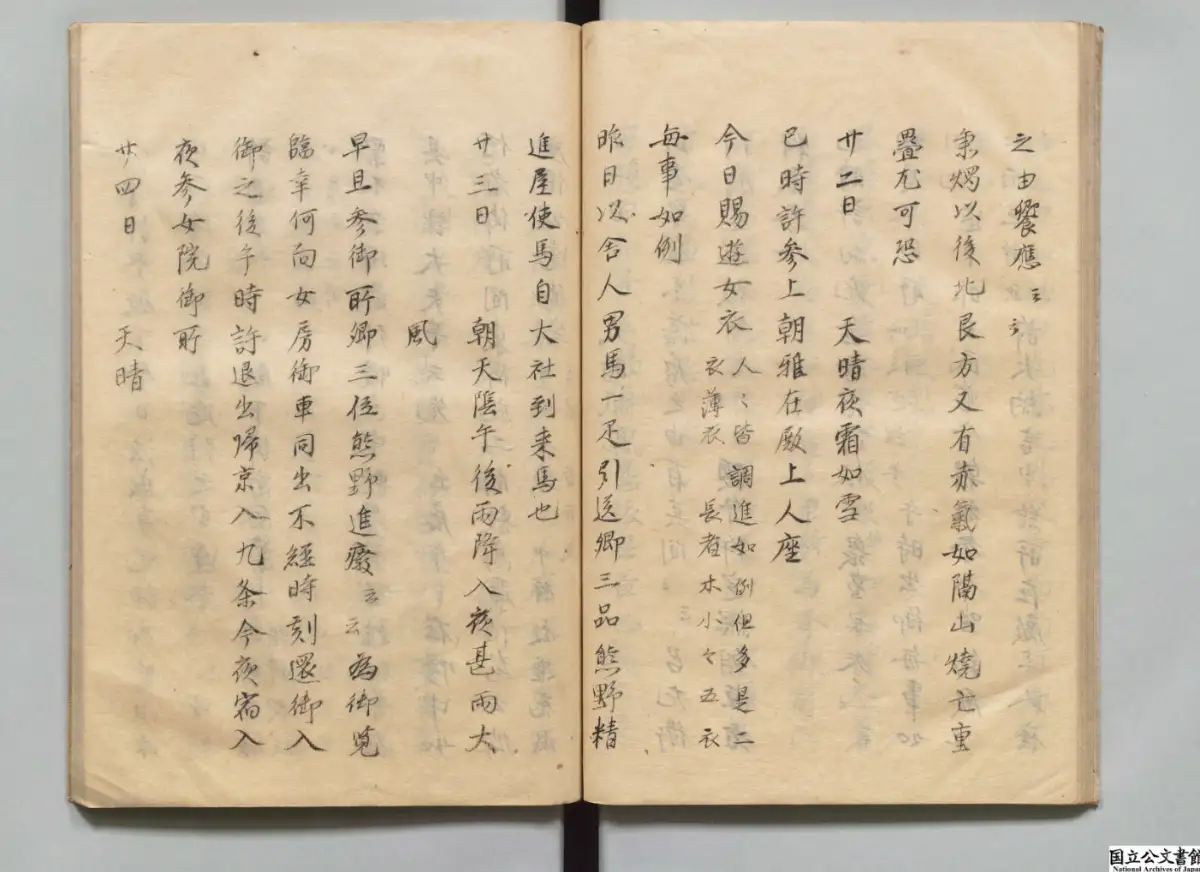
Scientists found the first clue in Meigetsuki, the diary of Japanese poet and court official Fujiwara no Teika. Born in 1162, he became one of Japan’s most respected literary figures and played a major role in shaping classical Japanese poetry, especially the waka form.
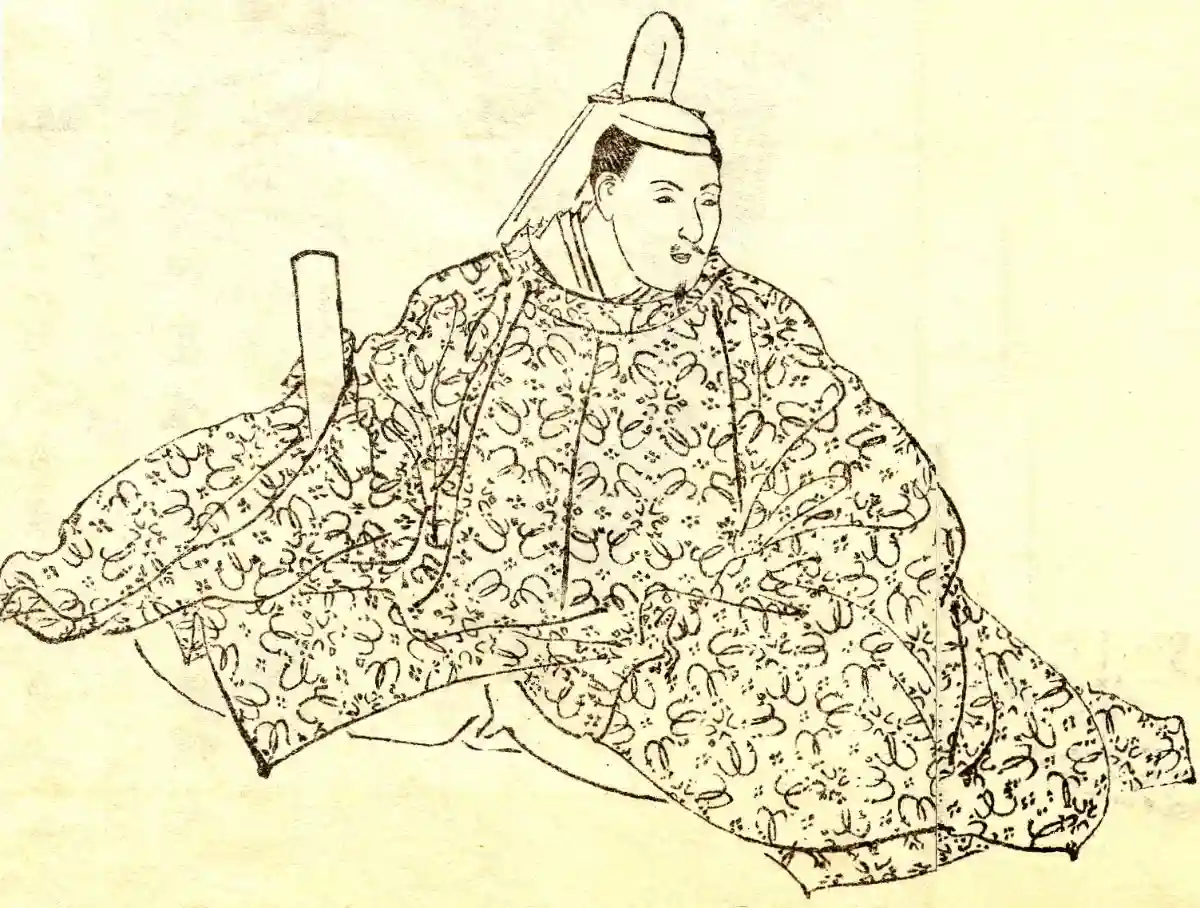
Teika documented political events, court life, weather, and unusual natural phenomena. Historians and scientists still use the diary as a historical source because of its careful observations. In February 1204, he described strange red lights appearing over Kyoto. Researchers believed the account matched an aurora linked to intense solar activity.
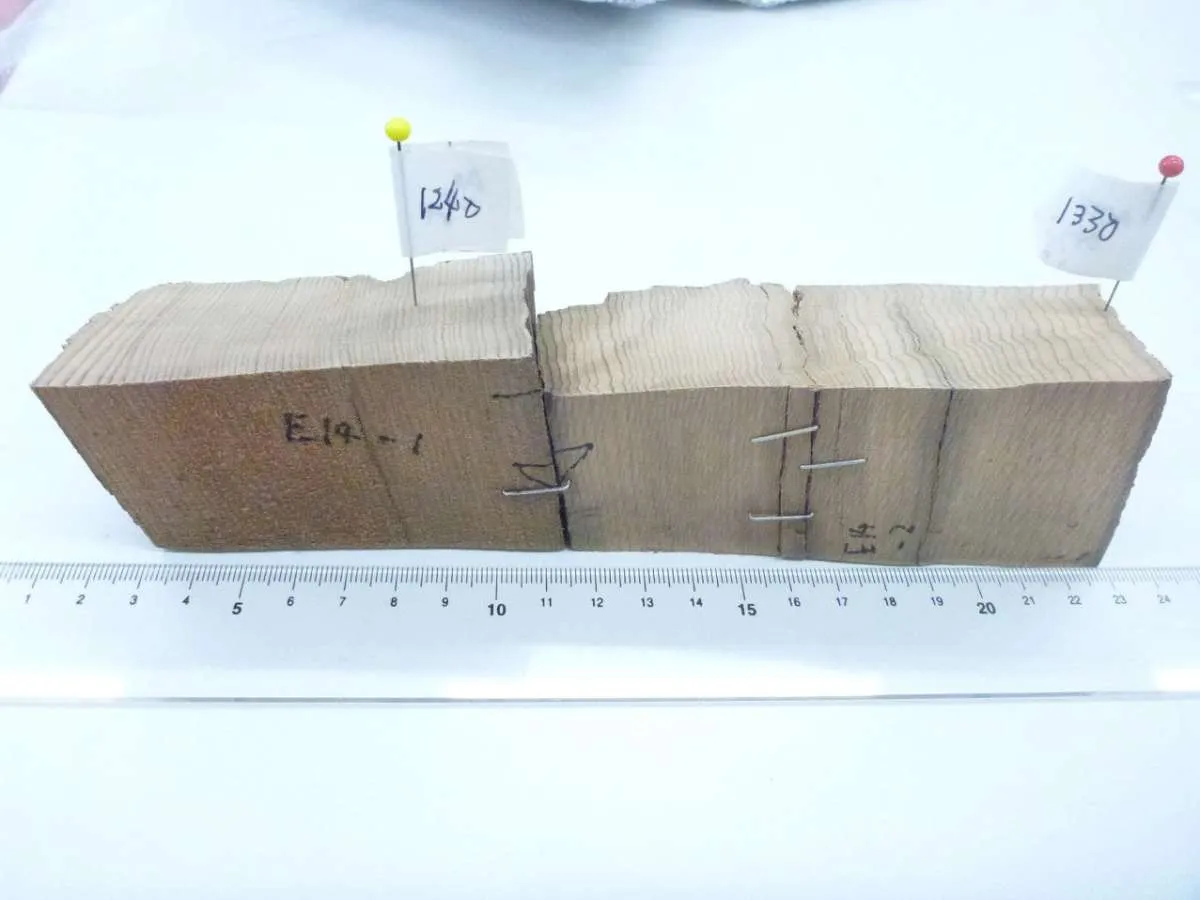
To test that idea, the team analyzed buried asunaro cypress trees excavated in Aomori Prefecture. When energetic particles from the Sun hit Earth’s atmosphere, they create carbon-14, a radioactive form of carbon that trees absorb during growth. By measuring tiny changes in carbon-14 levels inside the tree rings, researchers identified a sharp spike connected to a solar event between the winter of 1200 and the spring of 1201.
The study also matched historical records from China that described similar red auroras around the same period. Together, the evidence helped researchers narrow down the timing of the event with unusual precision.
Professor Hiroko Miyahara said earlier studies mainly focused on the largest known solar storms. This research instead examined a “sub-extreme” event, which is smaller but happens more often. Scientists estimate these events reach around 10 to 30 percent of the strength of the most severe solar storms ever recorded.
That matters because even smaller solar radiation events can threaten astronauts, satellites, and communication systems. NASA narrowly avoided danger during the Apollo era when a major SPE erupted between the Apollo 16 and Apollo 17 Moon missions in 1972. If astronauts had been outside Earth’s protective magnetic field during that period, the radiation exposure could have been deadly.
The research also suggests the Sun followed shorter activity cycles during medieval times. Today, solar cycles usually last around 11 years. The new data points to cycles lasting only seven to eight years during that era, which may mean the Sun was more active than scientists previously thought.

Leave a Reply