Tag: ESA

  • ESA Releases Pictures of Proba-3โ€™s first artificial solar eclipse

    ESA Releases Pictures of Proba-3โ€™s first artificial solar eclipse

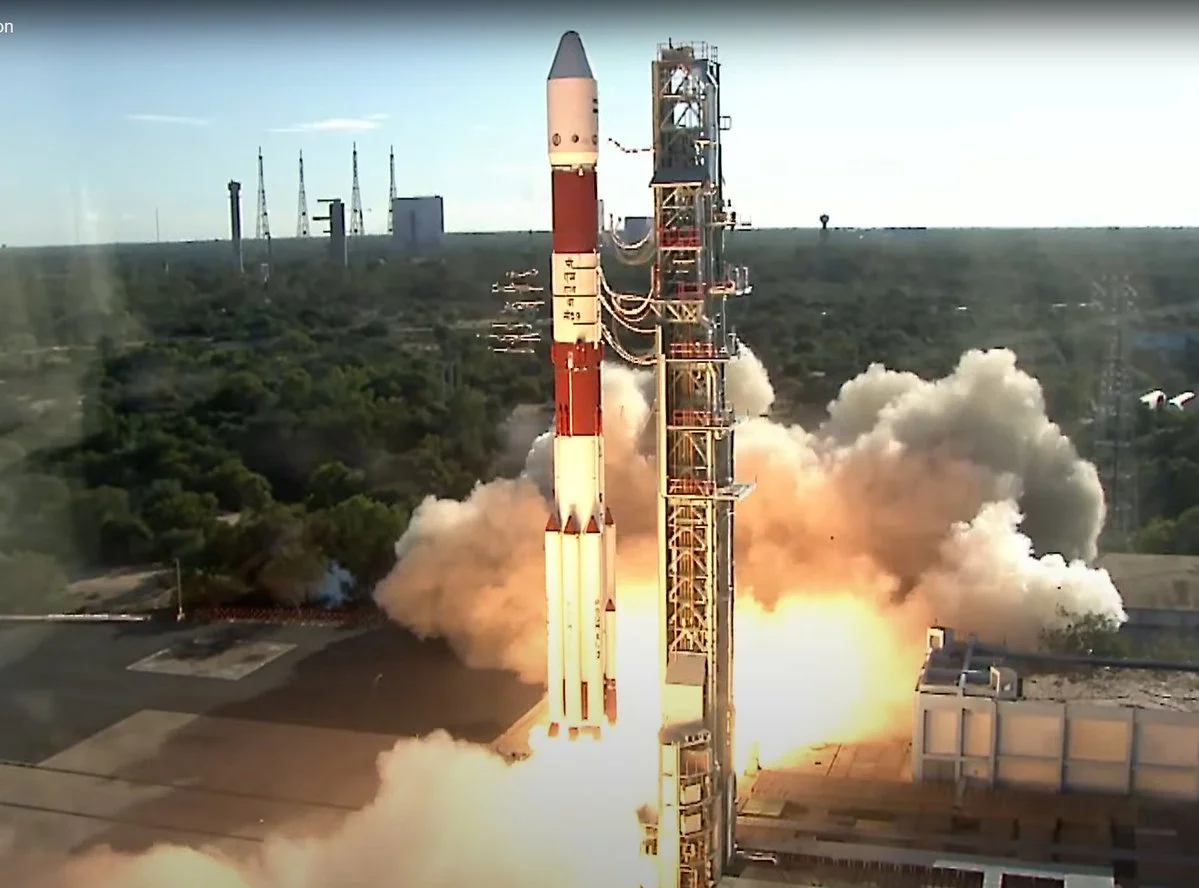
    The European Space Agency (ESA) has achieved yet another astonishing feat. The space agency has released the first images of the artificial solar eclipse created by the Proba-3 mission spacecraft. The Proba 3 spacecrafts were launched in December 2024 aboard the Indian Space Research Organization’s (ISRO’s) workhorse PSLV rocket.

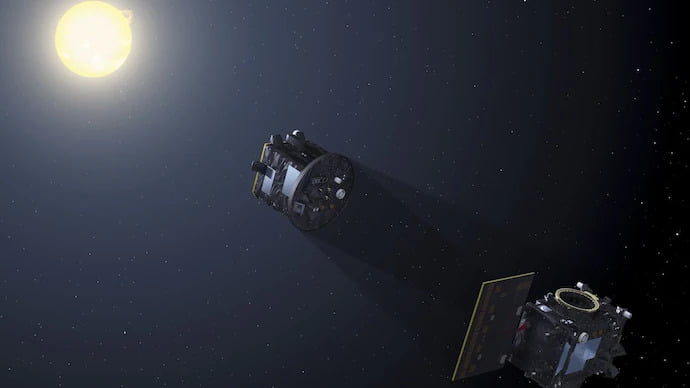
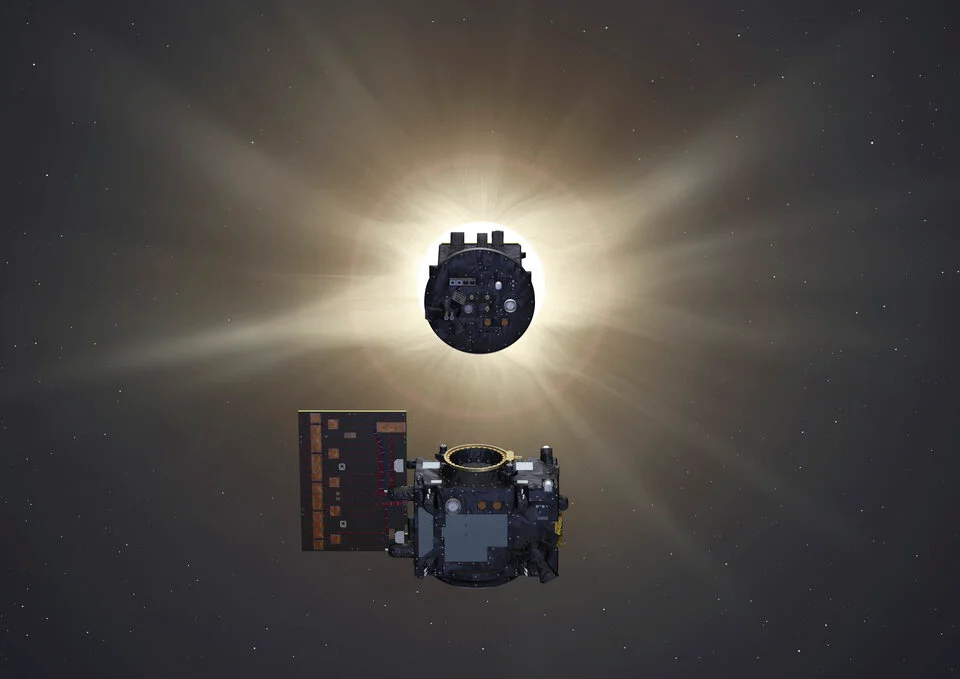
    The Proba-3 mission is dedicated to studying the solar corona, “the outermost layer of the Sun,’ like never before. The mission consists of two spacecraft, namely the ‘Coronagraph’ and the ‘Occulter.’ These two spacecraft, equipped with sophisticated, ultra-precise networking technologies, fly in perfect formation, separated by just 150 meters. The spacecraft are aligned such that the occulter blocks the sunโ€™s bright disc and casts a shadow onto the coronagraph, thus creating a man-made eclipse.
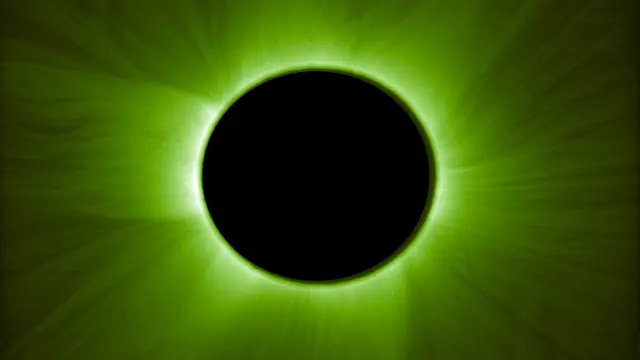
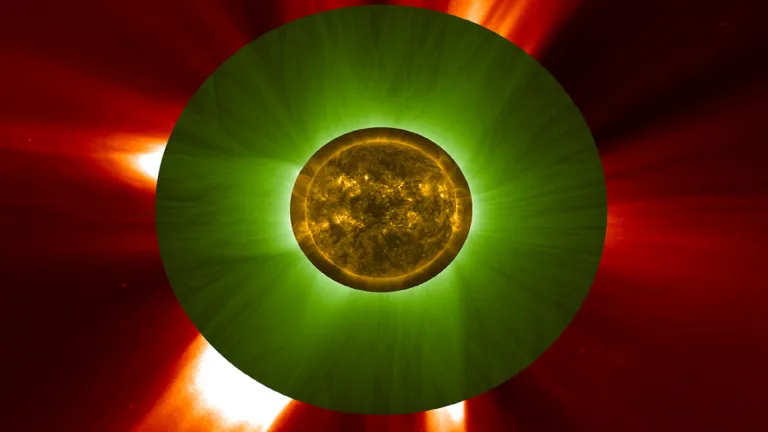
    Picture of Solar Corona Captured by ESA's Proba-3's ASPIICS
    Solar corona viewed by Proba-3โ€™s ASPIICS. Image credit: ESA

    Creating this eclipse and blocking the sun’s bright central part enables the ‘coronagraph’ to study the corona, which is otherwise harder to study. These observations of the corona, typically only possible during rare natural solar eclipses, can now be conducted once every 19.6-hour orbit for up to 6 hours.

    The coronagraph spacecraft features advanced precision alignment and synchronization technologies, along with a sophisticated optical instrument. Developed by a Belgian-led industrial team, the ASPIICS instrument captures high-resolution images with minimal stray light, providing exceptional views of the solar corona. These images are essential for understanding solar wind, coronal mass ejections (CMEs), and the extreme heat of the Sunโ€™s outer atmosphere.

    In addition to ASPIICS, Proba-3 houses two other instruments: the Digital Absolute Radiometer (DARA), which measures solar energy output, and the 3D Energetic Electron Spectrometer (3DEES), which studies energetic particles in Earthโ€™s radiation belts.

    The Sun and its corona viewed by Proba-2, Proba-3 and SOHO.
    The sun and its corona viewed by Proba-2, Proba-3, and SOHO. Image Credit: ESA

    These detailed and state-of-the-art images captured by the Proba-3 not only validate ESAโ€™s advanced formation flying technologies but also provide a critical data stream for refining solar simulations. Teams across Europe, including KU Leuvenโ€™s COCONUT modeling software, are already using the new images to enhance digital eclipse models and improve space weather forecasting.

    โ€œCurrent coronagraphs are no match for Proba-3, which will observe the Sunโ€™s corona down almost to the edge of the solar surface. So far, this was only possible during natural solar eclipses,โ€ said Jorge Amaya, Space Weatherย Modelling Coordinator at ESA.
  • Japanese Moon lander Resilience crash lands on Moon with a $16 million payload

    Japanese Moon lander Resilience crash lands on Moon with a $16 million payload

    Japan’s private moon lander hard-landed on the moon on June 5, 2025. The Japanese private aerospace company ispace launched the moon lander ‘Resilience’ to the moon’s Mare Frigoris region on January 15, 2025.

    The lander arrived in lunar orbit on May 7 and was scheduled to touch down on Thursday (June 5) at 3:24 p.m. EDT. However, the lander lost communication while landing, resulting in a presumed crash. According to Reuters, the lander was carrying a $16 million payload.

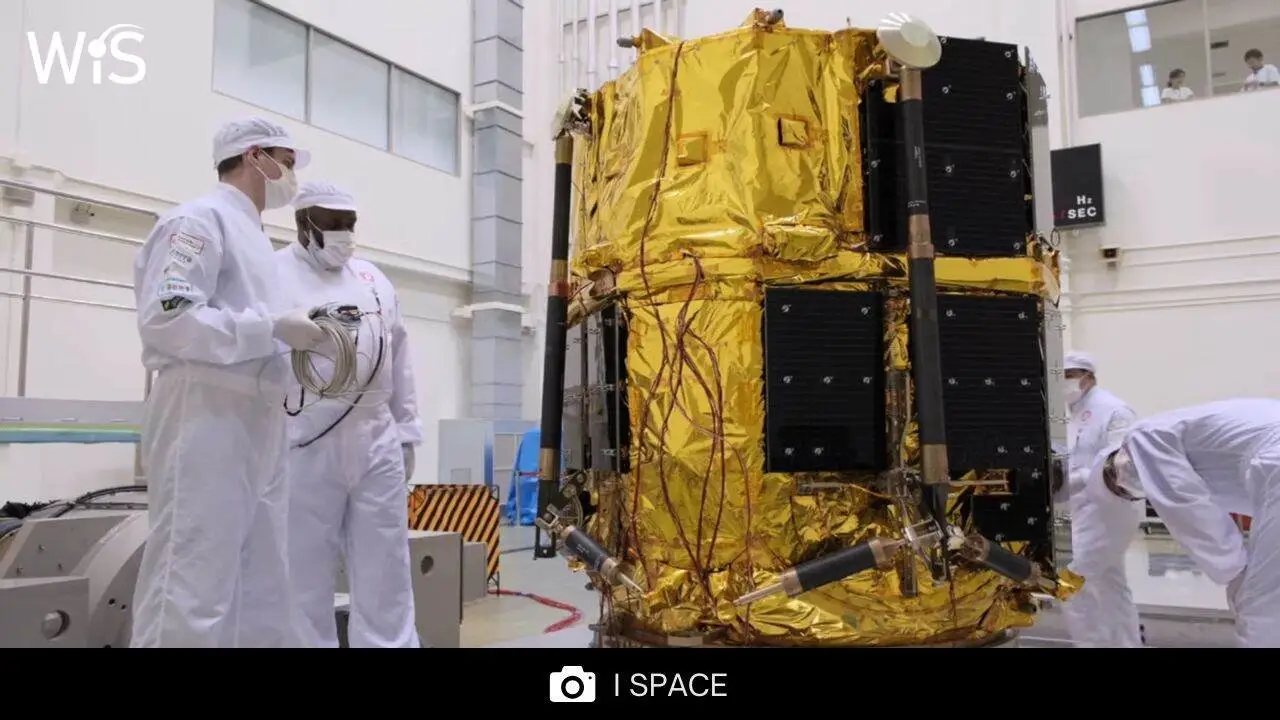
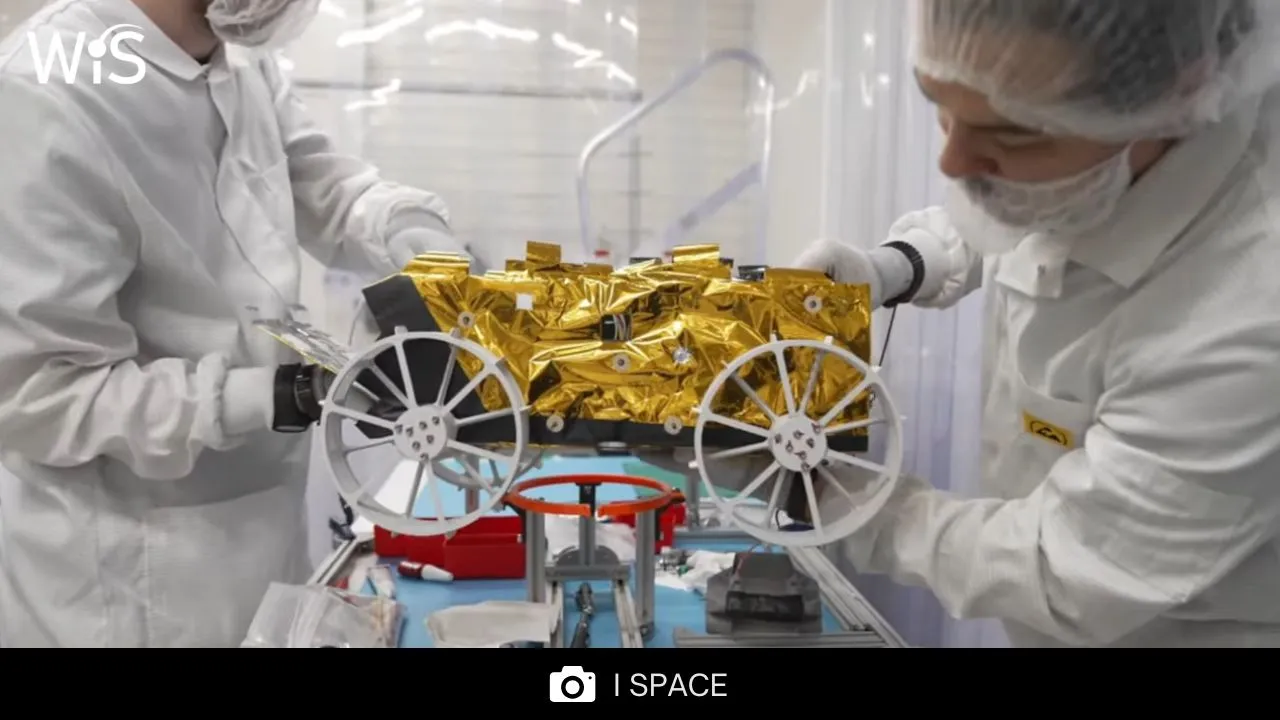
    Resilience, a moon lander that is a part of ispace’s Hakuto-R Mission 2, was launched on January 15, 2025, aboard SpaceX’s Falcon 9 rocket. The mission aimed to deploy several payloads, including Tenacious (a European-built mini rover designed to collect lunar soil samples for NASA and the European Space Agency (ESA)) and Moonhouse (a symbolic art installation; a miniature red house created by Swedish artist Mikael Genberg).

    Engineers assembling the European Moon rover Tenacious
    Engineers assembling the European Moon rover Tenacious. Image credit: Screengrab/ispace/via Youtube

    Preliminary tests are indicating that a malfunction in the laser altimeter system caused the lander to misjudge its altitude, leading to a descent that was too rapid for a safe landing.

    This incident highlights the challenges faced by private companies in lunar exploration, a domain where successful landings have predominantly been achieved by government space agencies. Nonetheless, the pursuit of lunar missions by private entities like ispace signifies a growing interest and investment in space exploration beyond traditional state-led initiatives.

  • ESA and ISRO Launch Proba-3 on PSLV-XL to Create First Artificial Solar Eclipse

    ESA and ISRO Launch Proba-3 on PSLV-XL to Create First Artificial Solar Eclipse

    The European Space Agency (ESA) and the Indian Space Research Organisation (ISRO) successfully launched the Proba-3 mission aboard a PSLV-XL rocket from the Satish Dhawan Space Center in Sriharikota, Andhra Pradesh, at 4:04 pm on Thursday, December 5. The spacecraft had been integrated with the rocket in November, and the launch was rescheduled from December 4 after a technical anomaly delayed liftoff.

    ISRO celebrated the launch on X, describing the mission as a reflection of the dedication of NSIL, ISRO, and ESA teams. The agency highlighted Indiaโ€™s role in advancing global space cooperation and emphasized the importance of international partnerships.

    Proba-3 is designed to study the solar corona by creating the first-ever artificial solar eclipse. The mission involves two spacecraft flying in precise formation to block the Sunโ€™s light and allow instruments to capture detailed observations of the corona. Achieving this level of coordinated flight demonstrates both ESA and ISROโ€™s technical capabilities.

    Beyond its scientific goals, the mission is seen as a milestone in global collaboration. For India, it strengthens its role in joint space projects and builds momentum as ISRO prepares for upcoming missions including the human spaceflight program Gaganyaan, the Chandrayaan-4 lunar mission, and the planned Bharatiya Antariksh Station.

    The success of Proba-3 is expected to inspire scientists and engineers in India while opening the door to more international partnerships, reinforcing the countryโ€™s growing presence in space exploration.

  • Proba 3 Spacecraft Stacked on ISRO PSLV Rocket for December 4 Launch to Study Sun’s Corona

    Proba 3 Spacecraft Stacked on ISRO PSLV Rocket for December 4 Launch to Study Sun’s Corona

    Europe’s Proba 3 spacecraft

    has been successfully stacked on ISRO’s PSLV-XL rocket at the Satish Dhawan Space Centre in India and is scheduled to launch on December 4. This mission, a collaboration between the Indian Space Research Organisation (ISRO) and the European Space Agency (ESA), aims to study the Sun’s corona by creating the first artificial solar eclipse in human history.

    Proba 3 consists of two spacecraft: the Occulter Spacecraft (OSC) and the Coronagraph Spacecraft (CSC). The mission will place the probes in a unique orbit that allows extended observation of the solar corona when the spacecraft are farthest from Earth.

    The mission demonstrates advanced precision flying and synchronization techniques. Both spacecraft must maintain alignment to a millimeter scale, with precise pointing measurements in the thousands of degrees, to achieve the required observational accuracy.

    One spacecraft carries observation equipment, while the other has an occulting disc. The disc blocks the direct light of the Sun, allowing the telescope on the other spacecraft to capture detailed images of the outer atmosphere, or corona, effectively creating a controlled, artificial solar eclipse.

    This first-of-its-kind mission is expected to provide unprecedented insight into solar physics and showcase the capabilities of precision spacecraft formation flying for scientific research.

  • James Webb and Hubble Capture Detailed Images of Merging Galaxies IC 2163 and NGC 2207

    James Webb and Hubble Capture Detailed Images of Merging Galaxies IC 2163 and NGC 2207

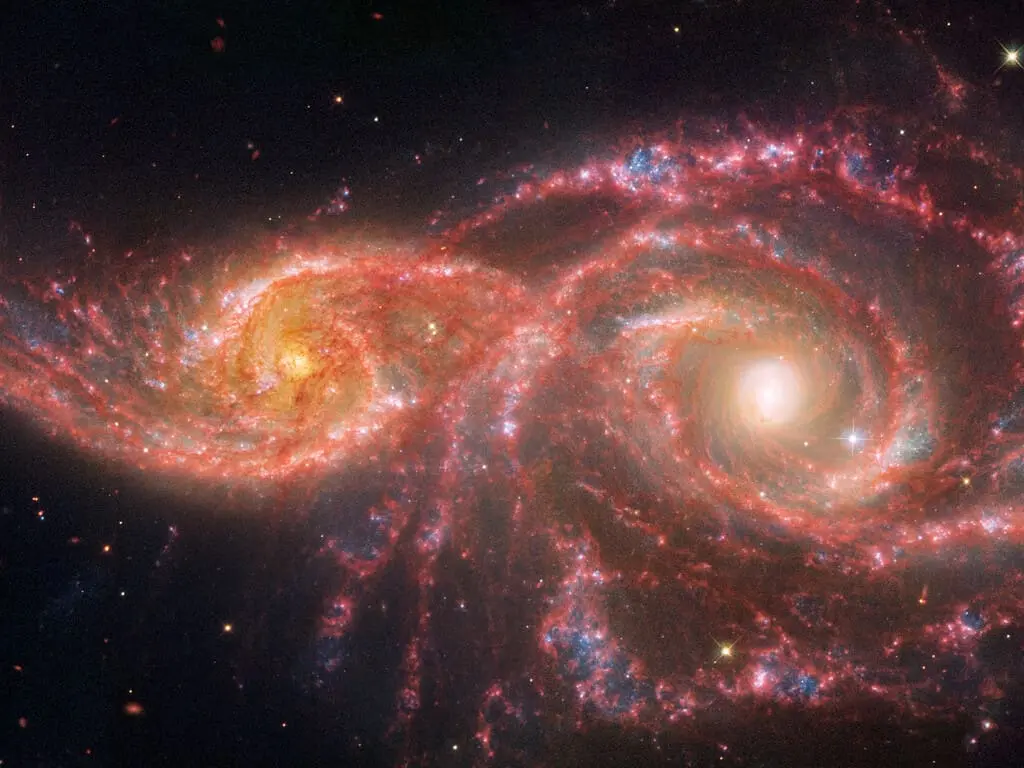
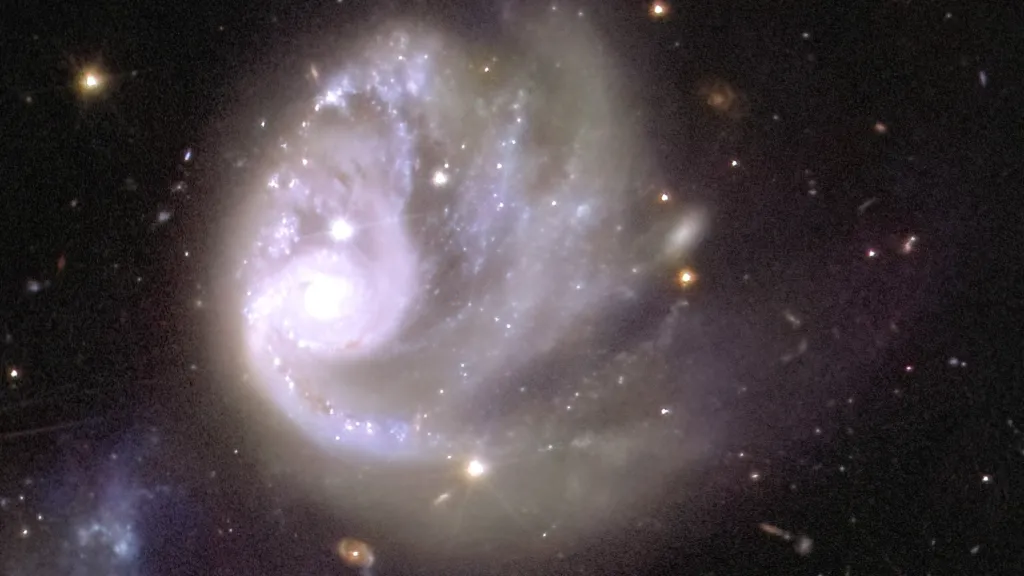
    The European Space Agency (ESA) released new images of the merging galaxy pair IC 2163 and NGC 2207 on October 31, 2024. Captured by both the James Webb Space Telescope and the Hubble Space Telescope, the images show the smaller galaxy IC 2163 interacting with the larger NGC 2207. The collaboration between the two telescopes provides a more complete view, combining infrared and visible light data.

    IC 2163 and NGC 2207 are in the early stages of a galactic merger, with IC 2163 currently shifting behind the larger galaxy. Such interactions, known as galactic cannibalism, are common across the universe. According to the Harvard Center for Astrophysics, roughly 25 percent of galaxies experience mergers at some point in their history.

    The James Webb Space Telescope (JWST) captures infrared light, revealing details invisible to the human eye, while Hubble records visible light. This combination allows scientists to study the structure, star formation, and dust content of merging galaxies in greater detail than ever before.

    Previously, James Webb captured images of another pair of merging galaxies, ARP 142, demonstrating its ability to track dynamic interactions over time. Observing galaxy mergers helps researchers understand how galaxies evolve and grow.

    The IC 2163 and NGC 2207 images highlight both the scale and complexity of galactic interactions. Scientists will continue to monitor these galaxies to learn more about their movement, collision effects, and the broader role of mergers in shaping the universe.

  • James Webb Spots Possible First Brown Dwarfs Beyond the Milky Way in Star Cluster NGC 602

    James Webb Spots Possible First Brown Dwarfs Beyond the Milky Way in Star Cluster NGC 602

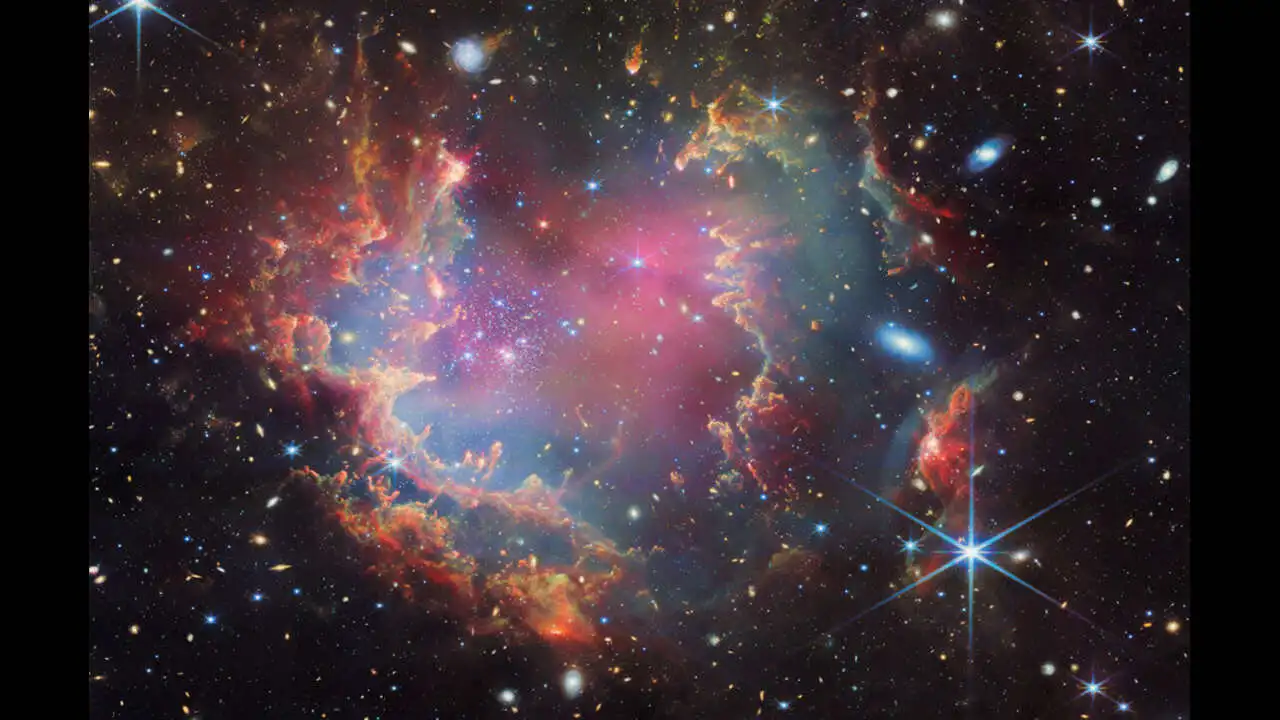
    Astronomers using the James Webb Space Telescope (JWST) have identified what may be the first young brown dwarfs ever found outside the Milky Way. The discovery was announced by the European Space Agency (ESA) on October 23.

    The observations targeted NGC 602, a rich young star cluster on the outskirts of the Small Magellanic Cloud, a satellite galaxy about 200,000 light-years away. Webb’s Near-Infrared Camera (NIRCam) captured the detailed data in April 2023 as part of its General Observer program.

    An international team including Peter Zeidler, Elena Sabbi, Elena Manjavacas, and Antonella Nota analyzed the data. Their findings revealed several candidates for brown dwarfs (objects that are too massive to be considered planets but not massive enough to sustain nuclear fusion like stars).

    Brown dwarfs typically range between 13 and 80 times the mass of Jupiter. Until now, all confirmed examples had been found inside the Milky Way. If confirmed, these candidates would mark the first detection of such objects in another galaxy.

    NGC 602 provides a rare environment for study because its chemical composition resembles that of the early universe. Webb’s imagery shows dark, dense dust clouds, ridges of gas, and signs of active star formation, offering astronomers a chance to trace how stars and substellar objects emerge in different galactic conditions.

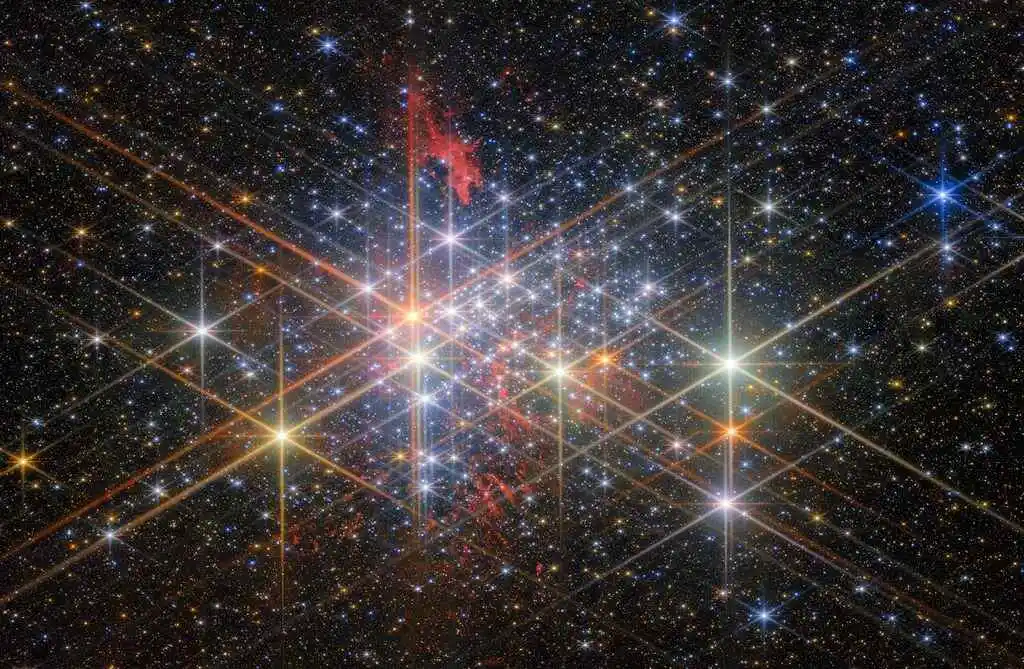
    NASA shared Webb’s new image of NGC 602 on X, calling it “rainbows and unicorns, like a middle school binder.” The colorful view shows a crowded region of stars, young stellar objects, and intricate structures of dust and gas, highlighting Webb’s ability to resolve distant clusters in unprecedented detail.

    The telescope has previously delivered sharp images of massive clusters such as Westerlund 1, but NGC 602 stands out for its location beyond our galaxy and the potential breakthrough in identifying brown dwarfs there.

  • ESA and NASAโ€™s Euclid Telescope Reveals 208-Gigapixel Sky Mosaic at Milan Congress

    ESA and NASAโ€™s Euclid Telescope Reveals 208-Gigapixel Sky Mosaic at Milan Congress

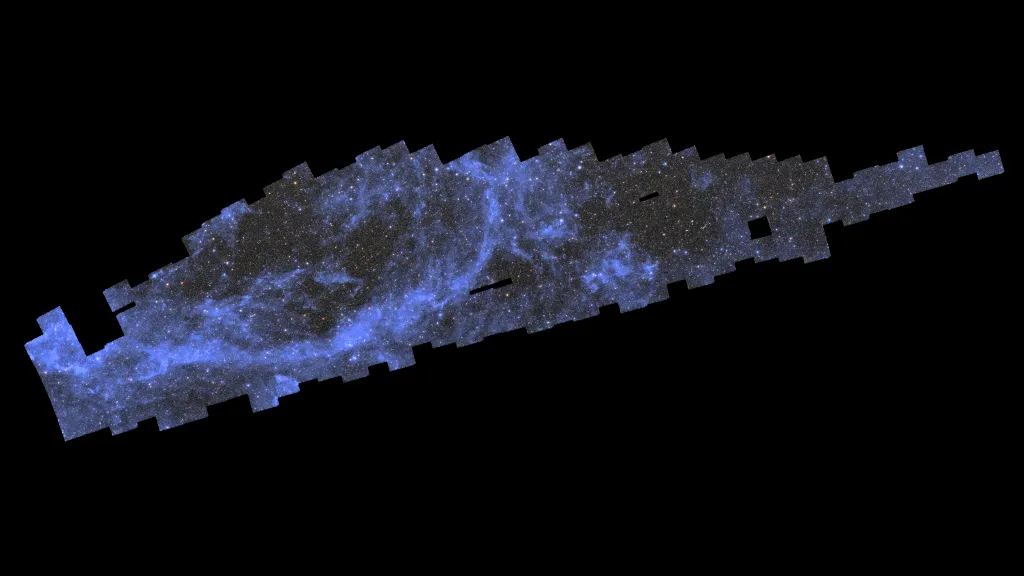
    On October 15, the European Space Agency (ESA) and NASA presented the first large-scale mosaic image captured by the Euclid space telescope during the International Astronautical Congress in Milan. The mosaic represents just 1% of the telescope’s planned sky survey, yet it already reveals a breathtaking view of the universe.

    Between March 25 and April 8, Euclid conducted 260 observations, covering 132 square degrees of the southern sky (an area 500 times larger than the full moon). The result is a 208-gigapixel image containing about 100 million stars and galaxies. ESA has made the mosaic interactive, allowing viewers to zoom in and explore detailed cosmic structures.

    Euclid Space Telescopes mosaic zoomed in 150 times
    The mosaic image is zoomed in 150 times, revealing two interacting galaxies 470 million light-years away. Image credit: ESA / Euclid / Euclid Consortium / NASA / CEA Paris-Saclay / J.-C. Cuillandre / E. Bertin / G. Anselmi

    One zoomed-in section, magnified 150 times, reveals two galaxies interacting 470 million light-years away. The image also highlights faint Galactic Cirrus (clouds of dust and gas), showing the telescope’s ability to capture subtle features of the cosmos through its highly sensitive visible light camera.

    Euclid was launched on July 1, 2023, as a collaboration between ESA and NASA. The six-year mission aims to study dark matter and dark energy, the forces driving the accelerating expansion of the universe. Using its Visible Imager (VIS) and Near-Infrared Spectrometer (NISP), Euclid will measure the shapes, distances, and motions of billions of galaxies up to 10 billion light-years away, creating the largest 3D map of the cosmos ever attempted.

    The first mosaic marks only the beginning of Euclid’s work, but it already demonstrates the telescope’s promise in reshaping our understanding of the universe’s hidden structure.

  • ESA launched HERA mission to asteroid Dimorphos

    ESA launched HERA mission to asteroid Dimorphos

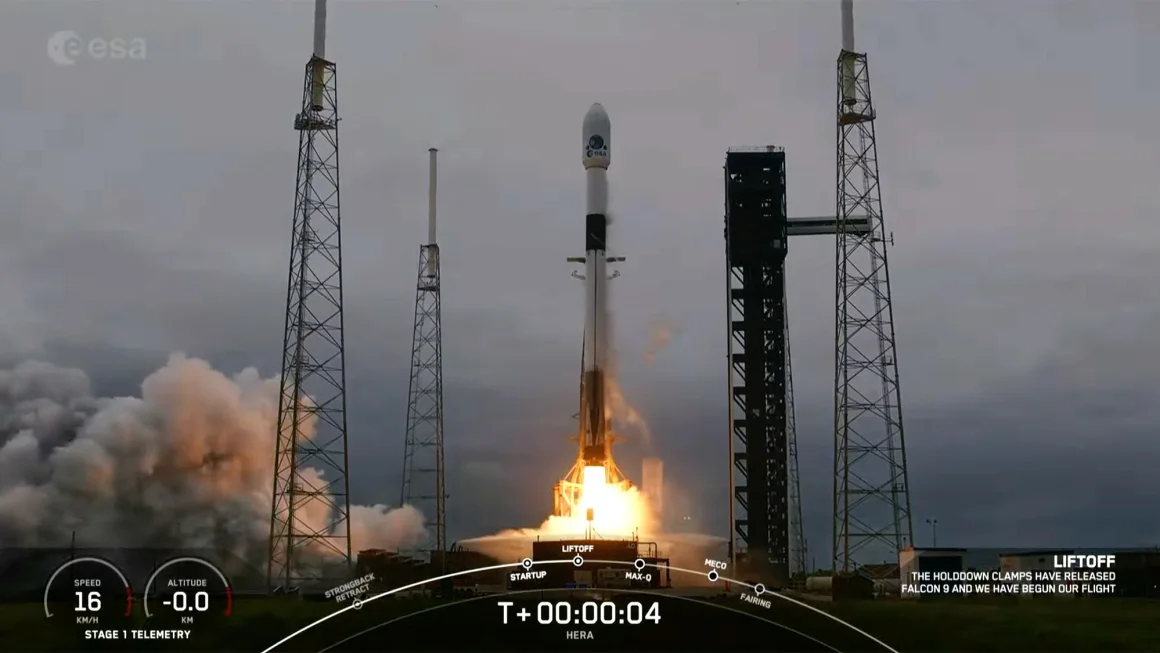
    The European Space Agency has launched the HERA mission to the asteroid Dimorphos, the orbiting moonlet of a binary asteroid system known as Didymos. The HERA probe was launched atop SpaceX’s Falcon 9 rocket from Cape Canaveral Space Force Station, Florida, on October 7 at 10:52 am EDT.

    The HERA mission is ESA’s contribution to the international planetary defense effort and a part of the Asteroid Impact and Deflection Assessment (AIDA) collaboration. ESA calls this mission “A crash site investigation,” i.e., the mission aims to study the aftermath of the impact of NASA’s DART mission on the asteroid that struck past Earth 2 years ago!

    HERA spacecraft launching atop SpaceX Falcon 9
    The HERA spacecraft lifting off atop the SpaceX Falcon 9. Image credit: ESA

    The DART spacecraft intentionally crashed into the small moonlet Dimorphos of the asteroid Didymos in 2022 to study the change in its trajectory after the collision. The HERA mission marks a significant step in the field of planetary defense, as it will play an important role in developing planetary defense systems to protect Earth in case of a possible asteroid collision.

    The DART mission, launched on Nov. 23, 2021, aboard a SpaceX Falcon 9 rocket from Vandenberg Space Force Base in California, was the first-ever mission that demonstrated one method of asteroid deflection by collision.

    The DART mission was successful when it impacted the asteroid Dimorphos on Sept. 26, 2022, at a little over 6 kilometers per second, reducing its velocity by 2.7 millimeters per second and thus, over time, changing its orbit around the Sun.

    How will the HERA probe study asteroid Dimorphos?

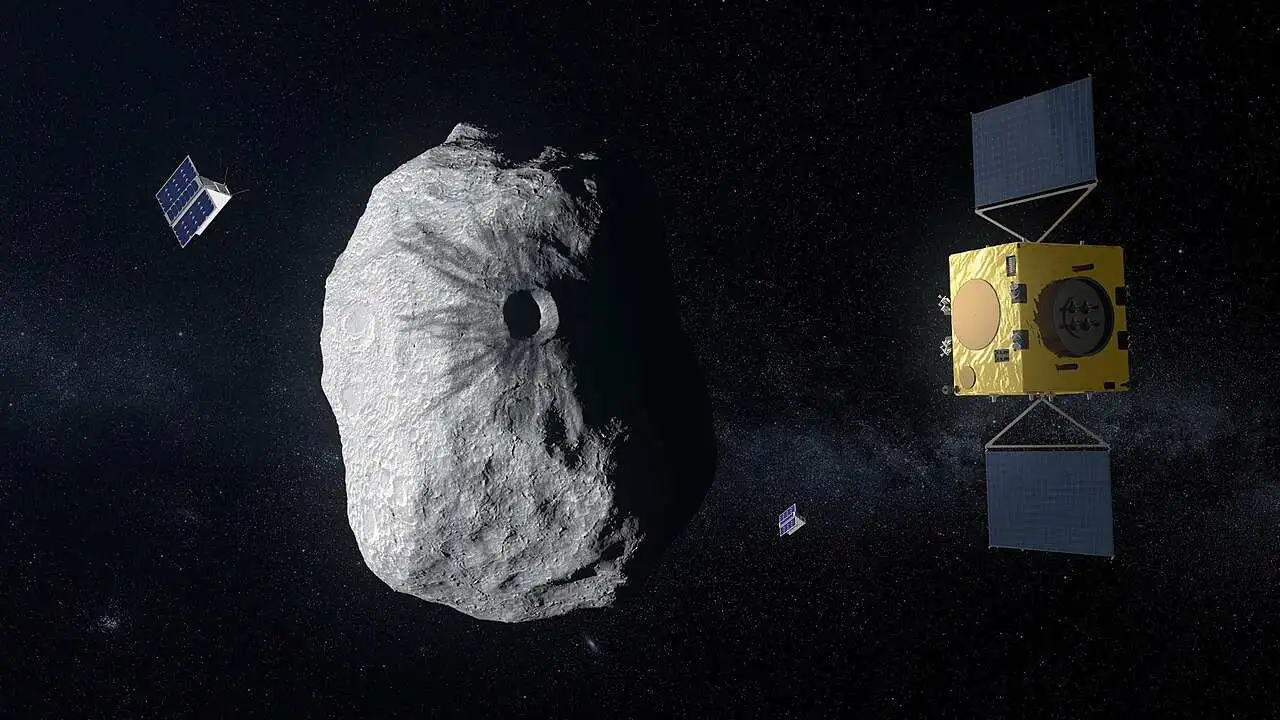
    HERA and it's CubeSats
    Illustration of the HERA spacecraft and its two CubeSats orbiting the asteroid Dimorphos. Image credit: ESA

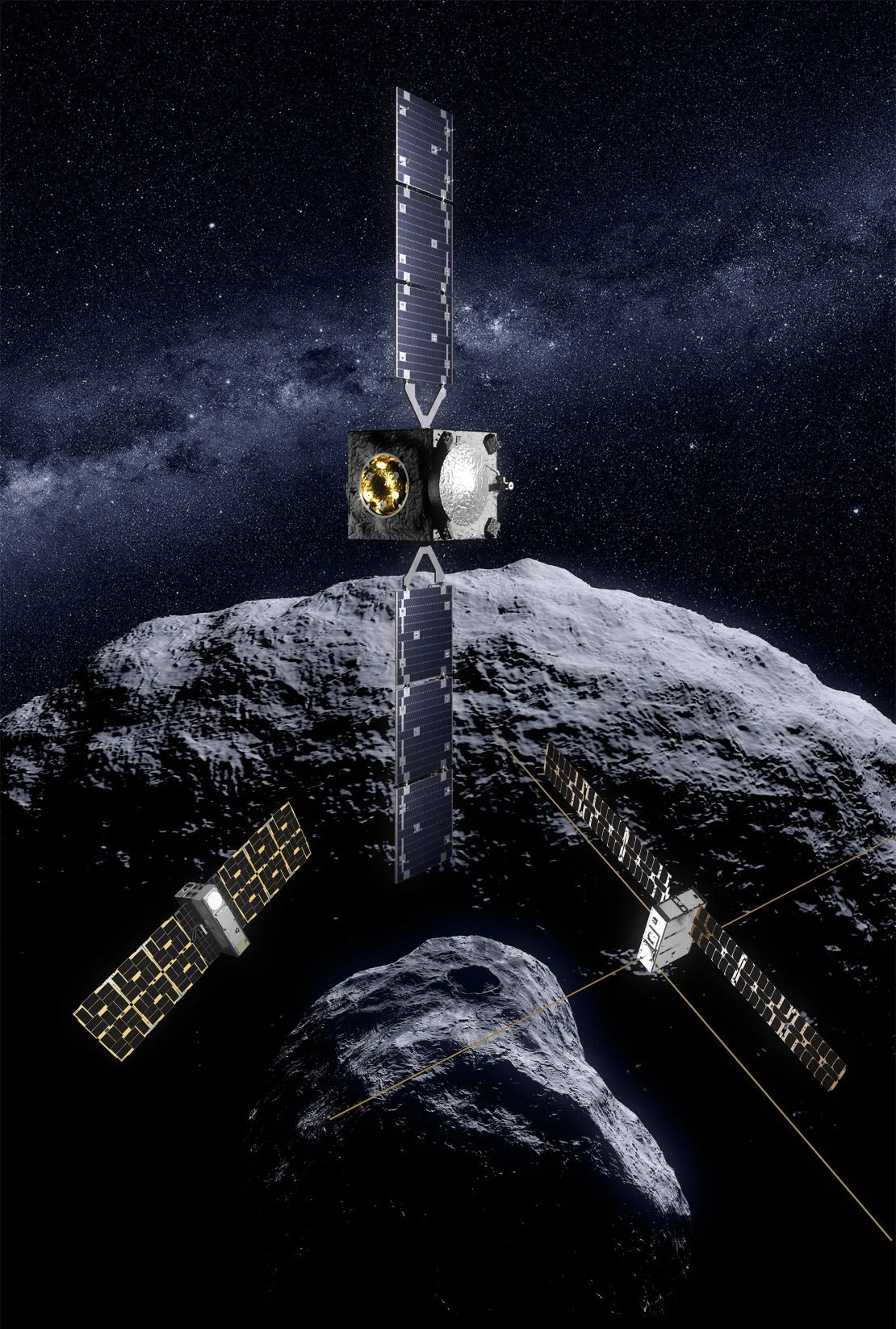
    The HERA probe built by ESA, costing around €363 million (US $398 million), is an automobile-sized probe measuring around 1.6 m across and flanked by twin 5-m solar wings. It is equipped with high-tech technology that will conduct a detailed survey of the aftereffects of the DART mission impact on asteroid Dimorphos.

    The Probe carries 2 CubeSats named Milani and Juventas. The Milani CubeSat, developed by Italian industry led by Tyvak International, will survey the mineral makeup of Dimorphos and its surrounding dust, and the Juventas CubeSat, produced by a Luxembourg-led consortium under GOMspace, will perform the first subsurface radar probe of an asteroid.

    The HERA spacecraft will release these CubeSats after 6 weeks of the survey. After that, HERA will continue to observe by flying near the impact crater on Dimorphos, getting as close as 1 kilometer from the surface. Finally, it will try out an experimental landing on Dimorphos, which will end the mission.

    The CubeSats may also attempt similar landings. Although no spacecraft is made to land, they will slow down enough to use cameras and some instruments on the asteroid’s surface, as CNN reported.

    The spacecraft will also test its self-driving technology and navigate around the asteroid using visual tracking systems.

    Before reaching Dimorphos in 2026, the spacecraft will first swing by Mars in 2026 for extra momentum, which will help reach Dimorphos and Didymos by 2026. During this flyby, the probe will also observe Deimos, which is one of Mars’s two moons, from a distance of 1,000 kilometers.

    Mission timeline

    • The HERA mission was launched on October 7 from Cape Canaveral Space Force Station in Florida.
    • It will arrive at the binary asteroid system in 2026 after 2 years of cruise and will be 121 million miles (nearly 195 million kilometers) away from Earth.

    Why did scientists choose Dimorphos and Didymos?

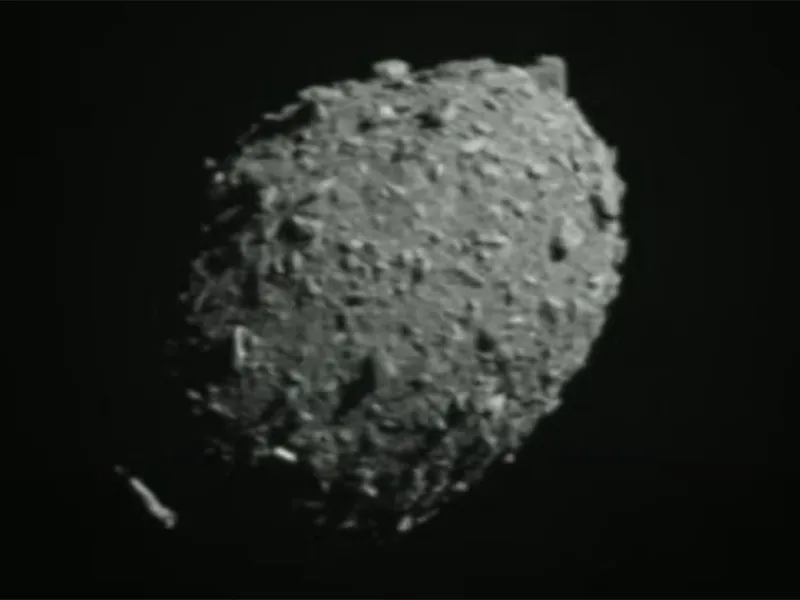
    Image of Asteroid Dimorphos captured by DART
    The last image of asteroid Dimorphos was captured by the DART spacecraft 2 seconds before impact. Image credit: NASA/Johns Hopkins APL

    Asteroid Dimorphos is a near-Earth asteroid that is not an immediate threat to the Earth. NASA and other global space agencies play a crucial role in planetary defense by tracking and studying such celestial bodies. Asteroid flybys are pretty frequent. One of the recent asteroid flybys was in August and September, when asteroid 2020 RL and four other asteroids flew past Earth.

    The asteroid Dimorphos is part of a binary asteroid system orbiting a larger asteroid, Didymos. This binary configuration makes it easier for scientists to study the impact of deflection techniques and observe any alteration in the Dimorphos orbit around the Didymos.

    Asteroid Dimorphos is roughly 160 meters wide. This size of an asteroid is a threat to Earth; thus, testing deflection techniques on such an asteroid can help develop realistic planetary defense strategies.

    After the successful impact of NASA’s DART mission on this asteroid in 2022, ESA’s HERA mission aims to follow up on this collision, studying the impact crater, measuring changes in the orbit, and gathering more data on the physical properties of Dimorphos.

  • James Webb Telescope Captures Rare Image of Super Star Cluster Westerlund-1 Inside Our Galaxy

    James Webb Telescope Captures Rare Image of Super Star Cluster Westerlund-1 Inside Our Galaxy

    NASA’s James Webb Space Telescope has captured a striking image of Westerlund-1, one of the most massive and compact star clusters in the Milky Way. Located about 12,000 light-years from Earth, the cluster contains more than 10,000 times the mass of the Sun packed into a relatively small region of space.

    Super Star clusters like Westerlund-1 are among the most extreme places in the universe for star and planet formation. While they are common in younger galaxies where stars are still being born rapidly, they are rare in the Milky Way, which is far older and past its most active period of star formation.

    NASA says Westerlund-1 has a remarkably diverse mix of massive stars. All of them are in advanced stages of their lives, including Wolf-Rayet stars, OB supergiants, yellow hypergiants, which can shine almost a million times brighter than the Sun, and luminous blue variables. This variety gives astronomers a unique chance to study how such stars evolve and interact in dense environments.

    The image was taken as part of the Westerlund 1 and 2 Open Clusters Survey, known as EWOCS, using Webb’s Near-Infrared Camera (NIRCam). The program is focused on studying how stars and planets form and how stars evolve in regions where many of them are born close together.

    Westerlund-1 is not only a rare example within our galaxy but also an important laboratory for astronomers. Observing it with Webb allows scientists to see details that were previously impossible with earlier telescopes. Because the cluster is still relatively close in cosmic terms, it provides a much clearer view of how extreme star-forming regions work.

    The James Webb Space Telescope itself was launched on December 25, 2021. Unlike the Hubble Space Telescope, which orbits Earth, Webb circles the Sun about 1.5 million kilometers away at a stable point known as L2. From this position, it has been able to send back some of the sharpest and deepest images ever seen of the universe, including galaxies in collision and the earliest stages of star birth.

    Astronomers say Westerlund-1 is another reminder of Webb’s power. By observing clusters like this, the telescope is helping scientists better understand how stars live and die and how galaxies like our own came to be.

  • ESA, ISRO Proba-3 formation-flying Solar mission

    ESA, ISRO Proba-3 formation-flying Solar mission

    The European Space Agency (ESA) and the Indian Space Research Organization (ISRO) launched the Proba-3 mission on December 5, 2024, from India aboard the PSLV-XL rocket. The mission is the first in history to create artificial solar eclipses in space using two spacecraft flying in precise formation.

    Designed to study the Sunโ€™s corona in detail, the mission could also advance space-based astronomy and improve predictions of space weather that affect satellites, power systems, and communications.

    Proba-3 uses two spacecraft positioned 144 meters apart. One carries a telescope aimed at the Sun, while the other holds an occulting disc to block its bright surface, revealing the much fainter corona. This formation flying approach could lead to future missions capable of building virtual telescopes hundreds of meters wide for sharper, more detailed views of distant space objects.

    The missionโ€™s goal is the Sunโ€™s outer atmosphere, or corona, which reaches temperatures above one million degrees Celsius despite being farther from the surface than the cooler layers below.

    The corona is the source of space weather events that can damage satellites and disrupt power and communication networks. Because the corona is so faint as compared to the actual surface of the Sun, it can normally be studied only during short natural eclipses. Proba-3 will allow uninterrupted observations for up to six hours, offering data that could improve space weather forecasting.

    Technical details

    The Proba-3 project began in 2005 as a collaboration between ESA and ISRO. Its two spacecraft fly in a fixed line, separated by 144 meters, with the occulting disc on one craft aligned to block the Sunโ€™s bright inner region from the telescope on the other. This arrangement makes the corona visible in much greater detail than from Earth-based observations.

    Mission challenges

    Formation flying at this scale requires extreme precision. The spacecraft must maintain positions accurate to within millimeters and point within thousandths of a degree, all while travelling at speeds between 1 and 10 kilometers per second. Each craft carries its own guidance systems and processors, enabling them to operate and align without constant ground control.

    The missionโ€™s orbit allows the artificial eclipse to last up to six hours. During this time, the spacecraft coordinate in real time to collect and transmit data. The extended viewing period will give scientists a detailed and continuous record of the corona, helping to answer questions about its structure, heat, and role in driving solar activity.