

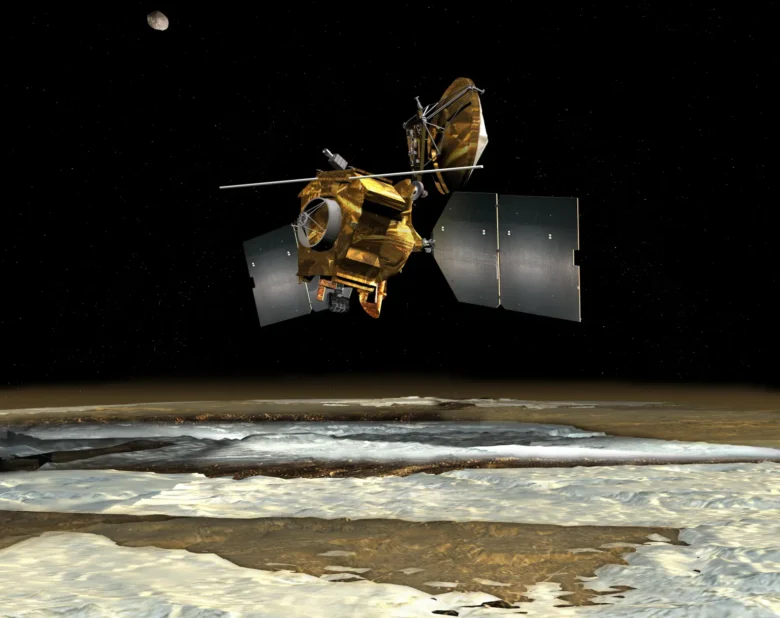
Scientists now say the supposed lake of liquid water beneath Mars’ south pole is probably not real. The claim, first made in 2018 using data from the European Space Agency’s Mars Express orbiter, has been challenged after NASA engineers used a new method with the Mars Reconnaissance Orbiter in May 2025. The fresh scan showed a weak signal that does not match what liquid water would produce. This matters for the search for life and future human missions to Mars.
Back in 2018, a team using Mars Express reported a bright radar return from beneath the south polar ice. They said the signal looked like water trapped under thick frozen layers. The idea of a hidden lake on Mars quickly gained attention.
For years, NASA’s Mars Reconnaissance Orbiter tried to check the same area using its SHARAD radar system. It could not see the same strong signal. The target area sits under thick ice, and the spacecraft’s position made it hard to get a clean view.
In May 2025, engineers tried something different. They rolled the entire orbiter about 120 degrees so the radar antenna could point more directly at the surface below. This extreme move gave SHARAD a clearer path to the exact spot that caused the excitement in 2018.
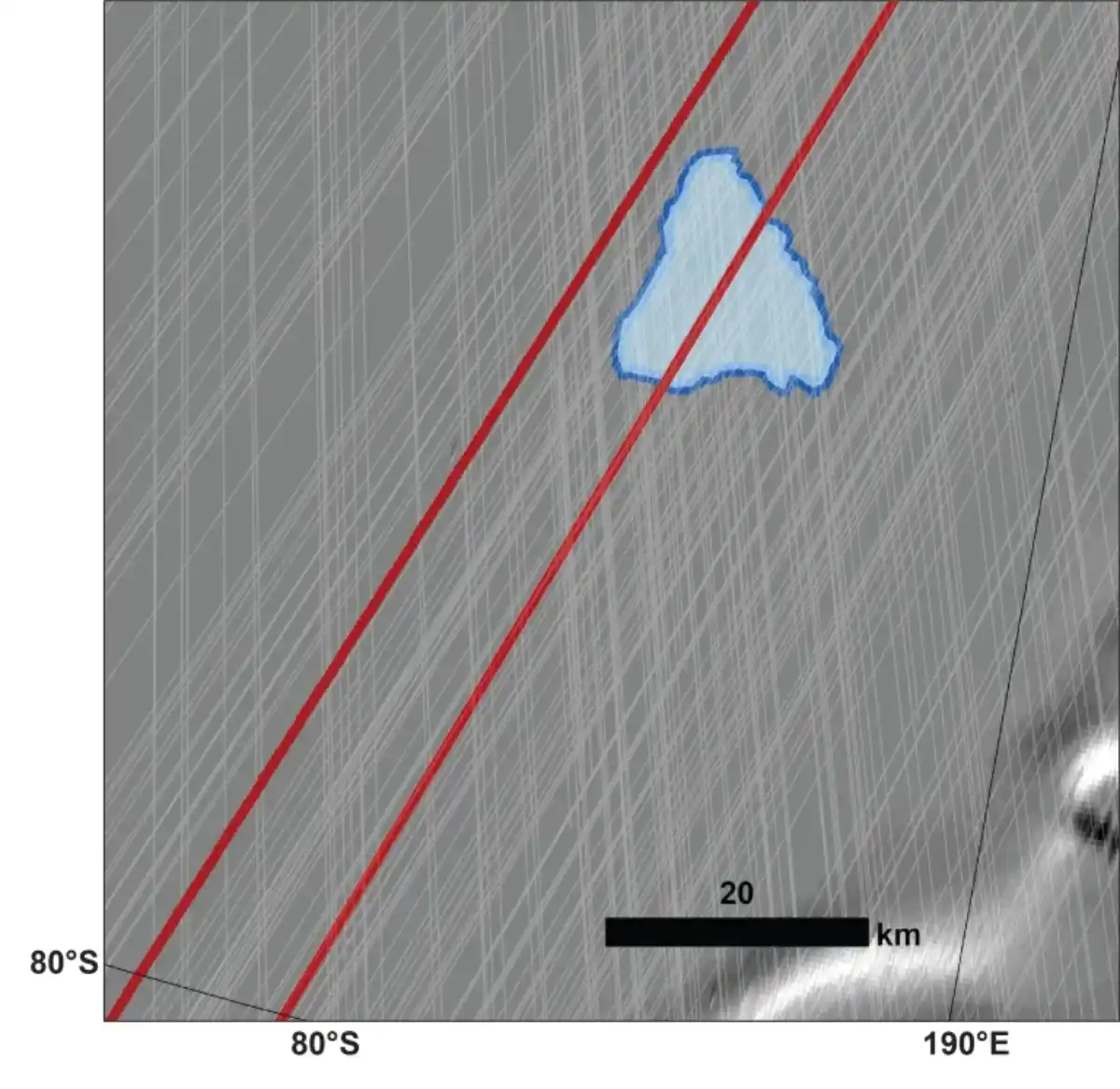
On May 26, the orbiter passed over the area and sent back new data. Instead of a strong return, the signal was faint. Nearby areas showed nothing unusual. A real body of liquid water would have reflected the radar much more clearly.
Researchers now think the earlier signal came from solid features, not water. The region includes buried craters, old lava layers, and mixed dust and rock under the ice. Smooth rock or thin, dusty layers can sometimes reflect radar in strange ways. That is likely what misled the earlier study.
Even though the lake idea is fading, the new method is a big step forward. Rolling the spacecraft gave scientists a deeper and clearer look under the surface. This approach can now be used in other places on Mars.
One key area is Medusae Fossae, a massive deposit near the planet’s equator. Some data suggest it may hide large amounts of ice under dry material. If confirmed, this ice would sit in a warmer and sunnier region than the poles. That makes it a strong candidate for future human landings.
Mars is known to hold a lot of frozen water. Thick ice covers both poles, and buried glaciers sit in several regions. What scientists have not yet confirmed is stable liquid water on the surface today. Average temperatures near the South Pole drop to around minus 80 degrees Fahrenheit. The air pressure is also very low. Under these conditions, water struggles to stay in liquid form unless it is very salty or trapped at the correct depth.
Each new study helps researchers better understand how radar behaves on Mars. It also shows how easy it is to mistake rock and dust for water. For now, there is no underground lake at the South Pole. But the tools used to search for one just became more precise.
Source: NASA Orbiter Shines New Light on Long-Running Martian Mystery