Tag: SpaceX

  • NASA Picks SpaceX Dragon to Deorbit Ageing International Space Station by 2030

    NASA Picks SpaceX Dragon to Deorbit Ageing International Space Station by 2030

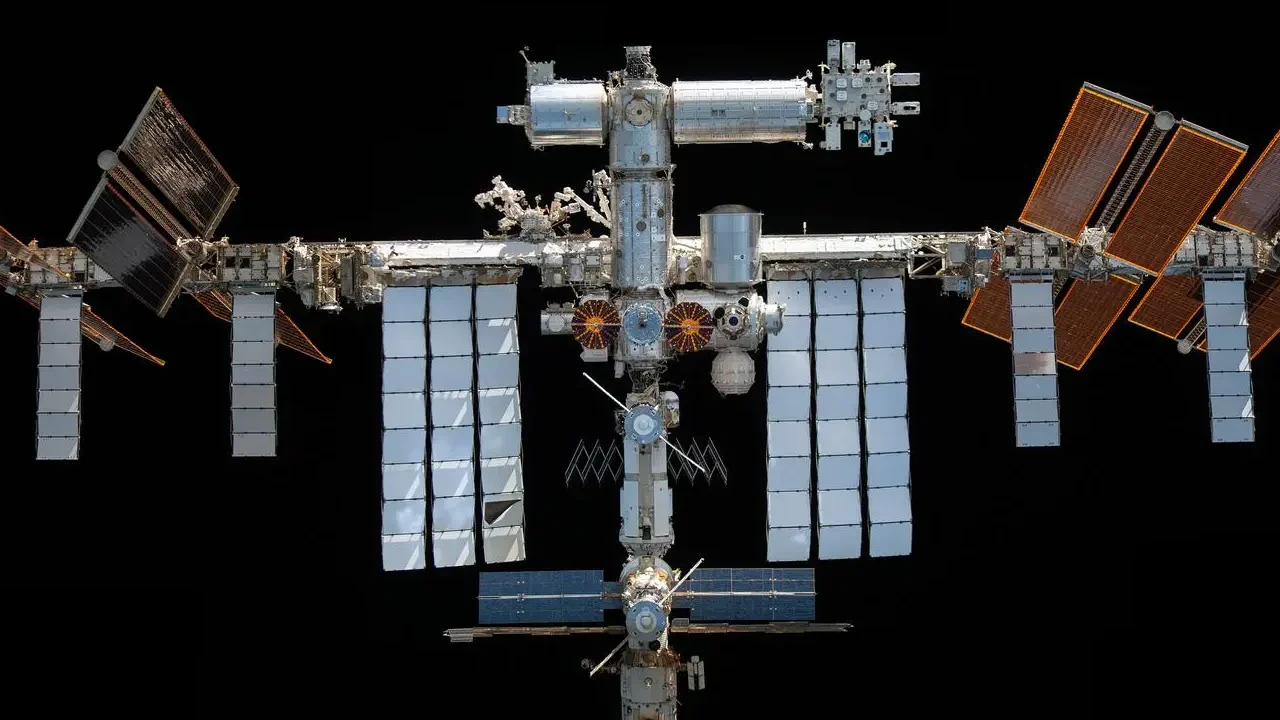
    NASA has confirmed plans to spend around $1 billion to safely deorbit the International Space Station (ISS) by the end of the decade, selecting SpaceX’s Dragon spacecraft to carry out the mission. The 24-year-old outpost, which has hosted astronauts from around the world since 2000, is showing signs of aging and will be guided into a controlled reentry to avoid risks from falling debris.

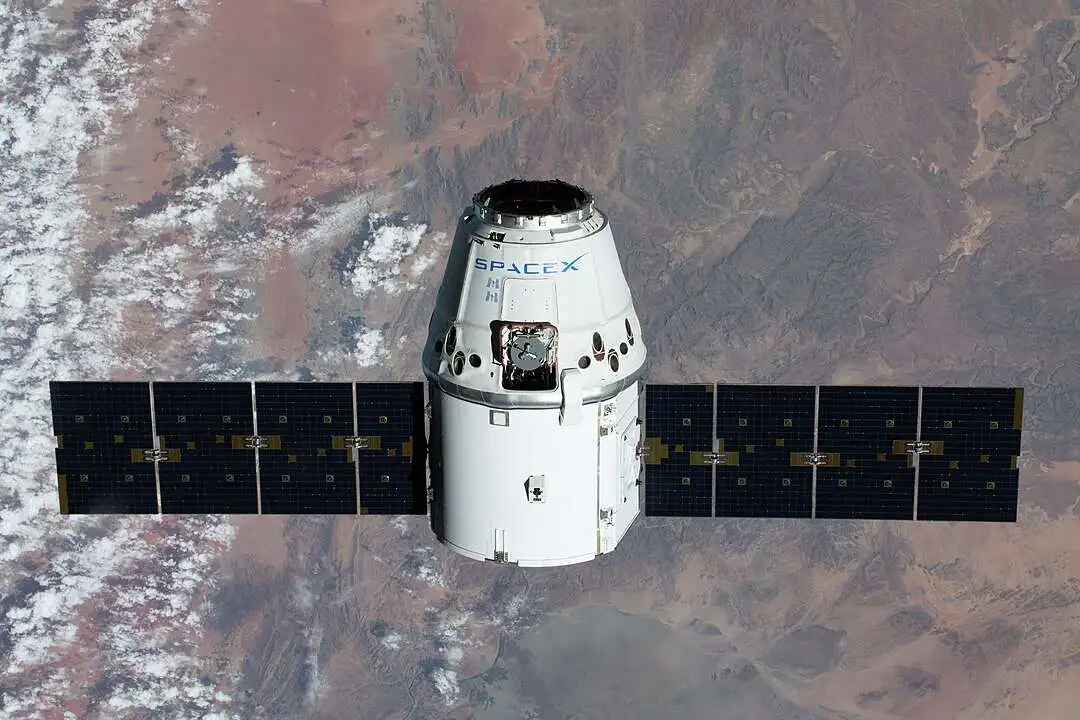
    The plan calls for a specially modified SpaceX Dragon capsule to act as a “space tug,” attaching to the ISS in its final months and gradually lowering its orbit. Once the last astronaut crew departs, the capsule will steer the station from its current 250-mile orbit down to about 175 miles. From there, Dragon will perform a final deorbit burn to send the ISS into Earth’s atmosphere at roughly 17,000 miles per hour.

    Most of the 450-ton structure will burn up and disintegrate during reentry. The remaining fragments, estimated between 40 and 100 tons, will fall into a remote area of the South Pacific Ocean known as Point Nemo, the farthest location on Earth from human settlement. This site has long been used as a “spacecraft cemetery” for satellites and cargo vehicles to minimize risk to people and property.

    NASA officials emphasized that the operation will be carried out only after all vital equipment and modules are removed. The timeline projects the ISS’s gradual orbital lowering to begin in 2029, with final reentry planned for 2030.

    The ISS has been central to international cooperation and space research for nearly a quarter of a century. More than 270 astronauts from 20 countries have visited the orbiting laboratory, conducting thousands of experiments in medicine, physics, and Earth science. But the structure has faced increasing technical challenges, including air leaks, hardware wear, and rising costs of upkeep.

    NASA and its partners, including Roscosmos, the European Space Agency (ESA), and JAXA, agreed that retiring the station is necessary before failures create safety risks. The agency is now shifting focus to supporting commercial space stations, with private companies expected to build and operate the next generation of orbital labs in the 2030s.

    By choosing SpaceX for the deorbit mission, NASA is relying on a partner with a proven track record in cargo and crew transport to the ISS. The decision underscores both the end of an era in spaceflight and the beginning of a new phase where private companies will take on a larger role in low-Earth orbit.
  • SpaceX Launches Starlink Satellites After Scrapping Previous Attempt, Falcon 9 Lands Safely

    SpaceX Launches Starlink Satellites After Scrapping Previous Attempt, Falcon 9 Lands Safely

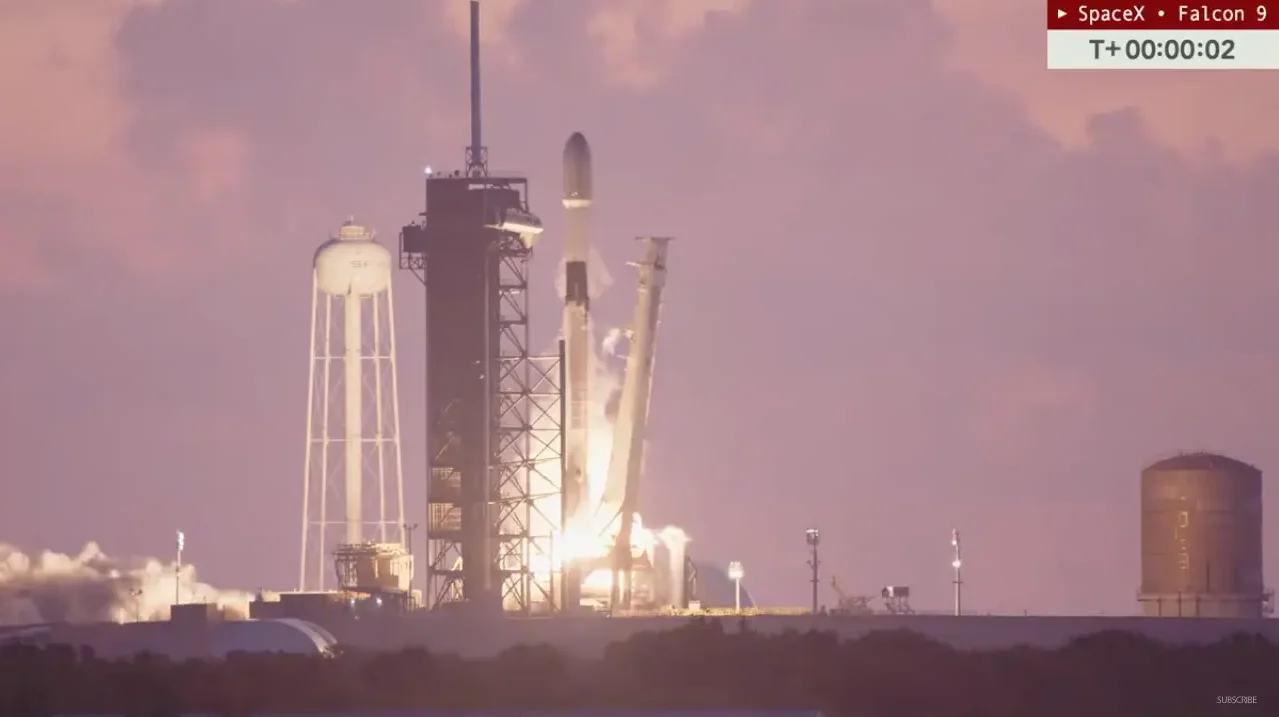
    SpaceX successfully launched a batch of 24 Starlink satellites into low Earth orbit on Monday, August 12, following an aborted attempt the previous day. The Falcon 9 rocket lifted off at 6:37 a.m. EDT from Launch Complex 39A at NASA’s Kennedy Space Center. The successful mission, which delivered the satellites into orbit, was followed by a perfect landing of the rocket’s first stage on a droneship in the Atlantic Ocean.

    The initial launch attempt on Sunday, August 11, was automatically halted just 46 seconds before liftoff. SpaceX did not immediately provide a reason for the scrub but stated on X that the “vehicle and payload are in good health, and teams are resetting for a launch attempt on Monday, August 12.” The company later clarified that the scrub was due to poor weather conditions in the booster recovery zone, where the Falcon 9 was meant to land.

    The successful launch marked another milestone in SpaceX’s ambitious reusability program. About eight minutes after liftoff, the Falcon 9’s first-stage booster made a controlled descent and landed on the droneship “A Shortfall of Gravitas” in the Atlantic.

    This was the booster’s tenth flight, demonstrating the durability of the company’s rockets. Reusing rockets is a cornerstone of SpaceX’s strategy to lower the cost of spaceflight. The Falcon 9 has flown more than 500 times, with a first-stage booster successfully landing in over 97% of attempts.

    This Starlink mission adds to the growing constellation of satellites that provide high-speed internet to users across the globe. The company’s focus on rapid and reliable launches from its various launchpads on both the East and West coasts has been key to expanding the Starlink network.

  • SpaceX Tests New Raptor 3 Engine for Starship, Sparks Debate Over Design and Powe

    SpaceX Tests New Raptor 3 Engine for Starship, Sparks Debate Over Design and Powe

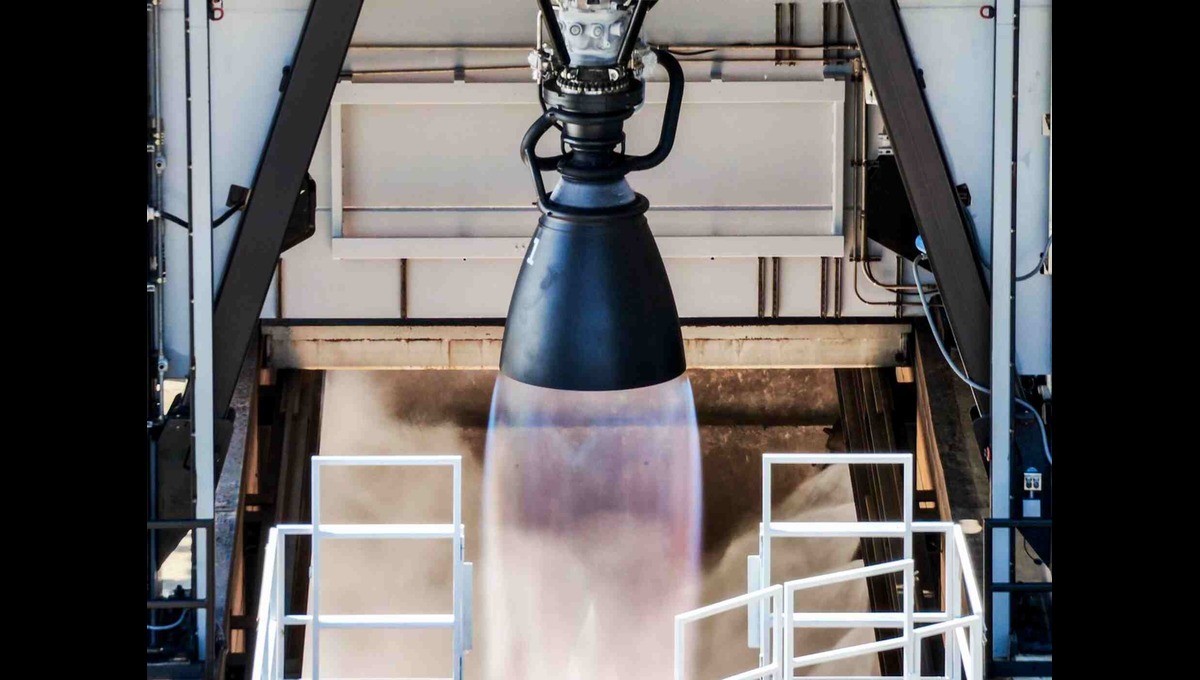
    SpaceX has successfully fired its new Raptor 3 engine, a critical step for its Starship/Super Heavy rocket program. The static fire test, conducted on August 9 at the company’s McGregor, Texas facility, not only showcased the engine’s raw power but also ignited a heated debate online over its minimalist design and performance improvements.

    The new engine’s sleek, almost bare-bones appearance quickly drew praise from some on social media. An X user named Luke Leisher shared a picture, nominating the Raptor 3 for the “best looking engine ever.”

    However, the design also attracted criticism from within the space industry. The CEO of United Launch Alliance (ULA) reportedly questioned the engine’s appearance, calling it “partially assembled” in response to an image shared by Elon Musk.

    SpaceX President and COO Gwynne Shotwell later posted a photo of the engine firing, saying, “It works pretty well for a partially assembled engine,” effectively ending the online dispute and confirming its performance.

    The Raptor 3 is a major leap forward from its predecessors. SpaceX has dramatically increased the engine’s thrust while also reducing its weight. This reduction in “induced mass” is a key achievement.

    The Raptor 3 now generates 280 tons of force, a significant increase from the Raptor 2’s 230 tons and the Raptor 1’s 190 tons. The weight has been cut down to just 195 kg, a massive reduction from the Raptor 1’s 1,548 kg and the Raptor 2’s 1,245 kg. This makes the new engine lighter and far more powerful, a crucial combination for the Starship, which aims to carry humans to Mars.

    An X user highlighted this breakthrough in a reply to Elon Musk:

    The success of the Raptor 3 test shows how SpaceX continues to refine its technology, simplifying complex engineering to improve efficiency and power. This ongoing development is essential as the company works to make its ambitious Starship missions a reality.

  • NASA: Butch Wilmore and Sunita Williams to be brought back on SpaceX Dragon Spacecraft

    NASA: Butch Wilmore and Sunita Williams to be brought back on SpaceX Dragon Spacecraft

    NASA and SpaceX have finalized plans for astronauts Butch Wilmore and Sunita “Suni” Williams to return from the International Space Station aboard a SpaceX Dragon spacecraft in March 2025, after their Boeing Starliner mission was grounded by persistent technical failures. Their return comes as Boeing engineers continue ground tests in New Mexico to fix helium leaks and thruster issues on the Starliner vehicle.

    The two reached the ISS in June 2024 aboard Starliner, but multiple helium leaks and thruster malfunctions rendered the spacecraft unsafe for a crewed return. NASA ordered the capsule to return uncrewed, while Wilmore and Williams stayed aboard the ISS. Boeing and NASA have run continuous diagnostics and testing at White Sands, New Mexico, to resolve the faults.

    NASA delayed the launch of the SpaceX Crew-9 mission, which was initially scheduled for August 18. The mission launched with just two astronauts aboard, leaving two seats open for Wilmore and Williams to come home via Dragon.

    The SpaceX Crew-9 flight carried NASA astronaut Nick Hague and Roscosmos cosmonaut Alexander Gorbunov to the ISS in late September 2024 and splashed back down on March 18, 2025, with Hague plus Wilmore and Williams on board.

    The switch to Dragon ensured the astronauts’ safe return despite Starliner’s delays. Boeing’s spacecraft remains under study, with more testing ahead before any future crewed flight can happen.