
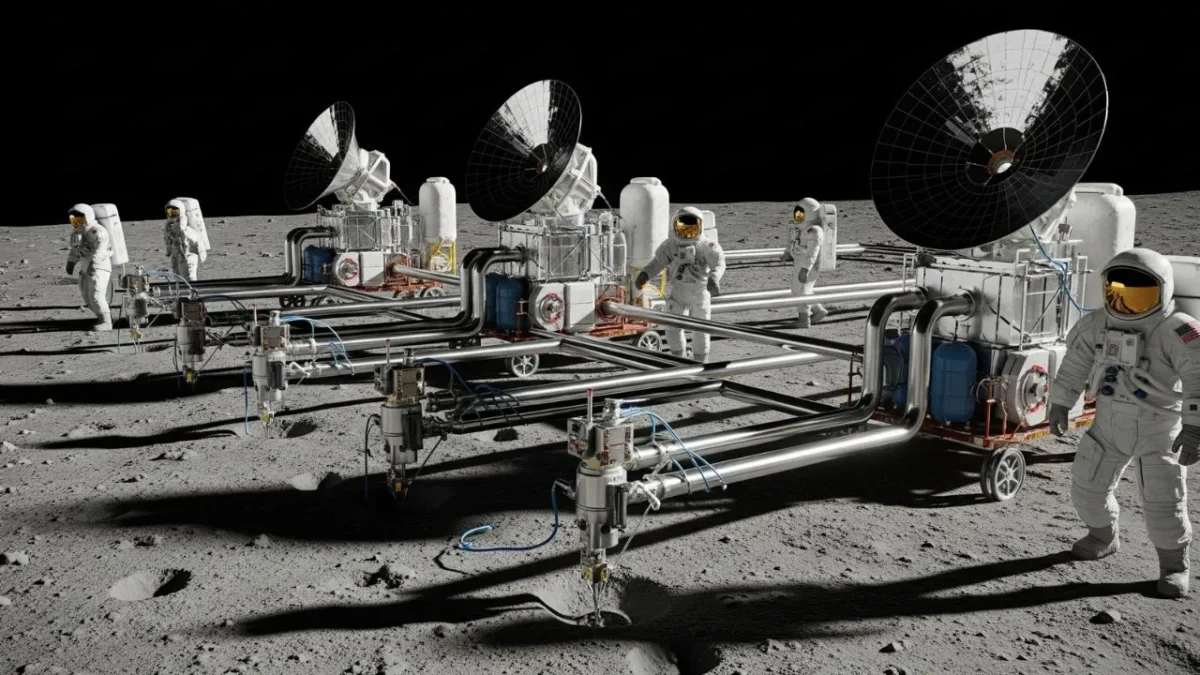
A team of Chinese researchers has found a way to turn lunar soil into water, oxygen, and even rocket fuel. That might sound like science fiction, but it’s a real step toward building self-sufficient Moon bases, and it could save future space missions a lot of money.
The trick lies in the lunar regolith, the dusty surface layer covering the Moon. It contains minerals like ilmenite that hold small amounts of water. The team developed a solar-powered method to heat the soil and extract useful materials. The water can be used for drinking or broken down to make oxygen. And when combined with gases from astronauts’ exhaled breath, it could even create fuel.
It matters because space is expensive. Really expensive. A USDA ARS report from 2023 estimated that sending just one gallon of water to space costs about $83,000. That’s why scientists are so focused on using what’s already out there. NASA estimates the Moon’s poles could hold around 270 billion tons of water ice, which is enough to support missions for decades.
The same method could also recycle carbon dioxide from astronauts and turn it into hydrogen and carbon monoxide, both of which can be used as fuel. It’s a compact process that could help future Moon bases run more independently.
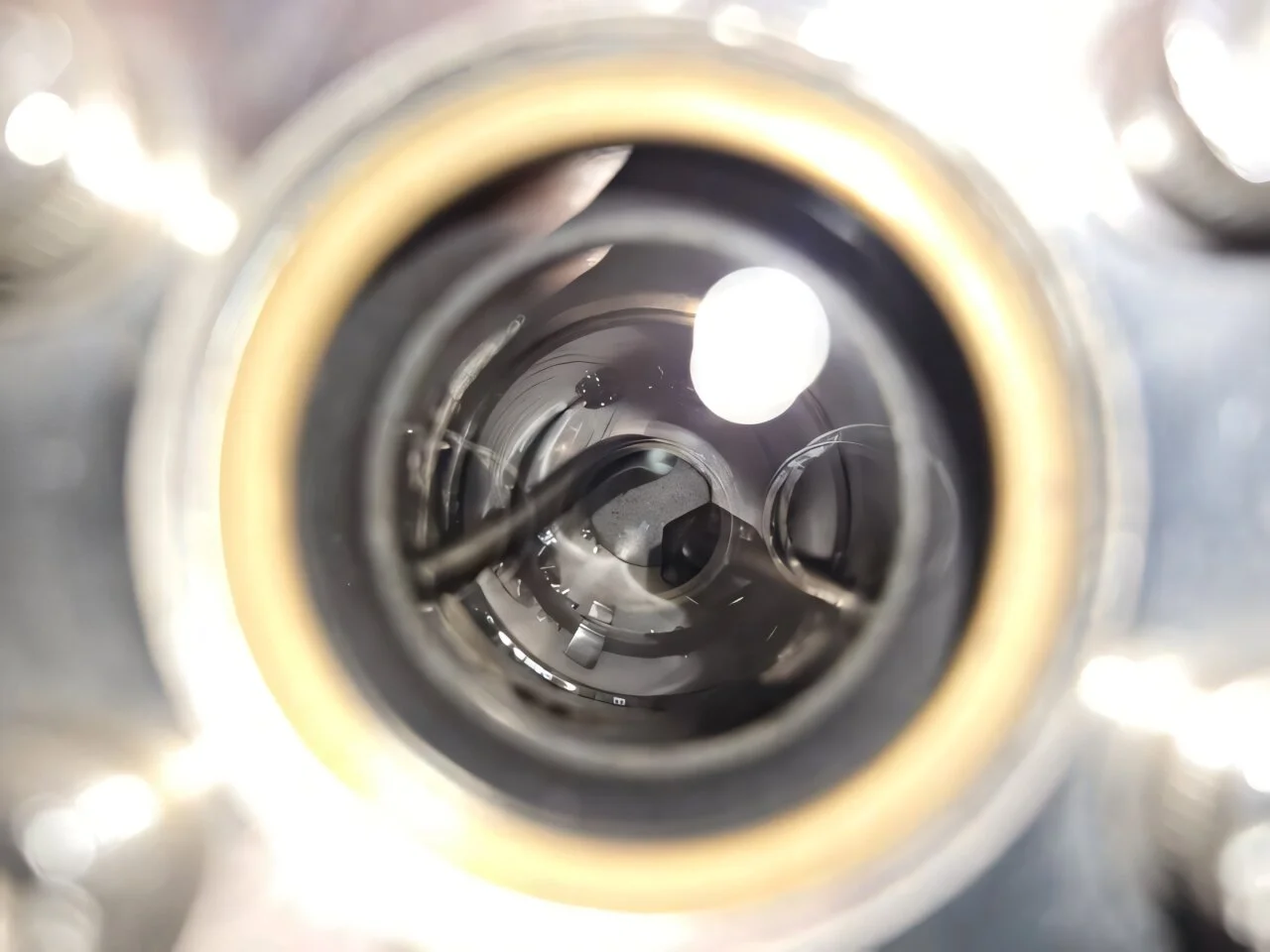
Lu Wang and his team at the Chinese University of Hong Kong, Shenzhen, tested the technique using samples from China’s Chang’e-5 mission. Their study, published July 16, 2025, in Joule, showed promising results. Wang even described the soil’s efficiency as “magic” because of its unexpected chemical potential.
Of course, there are still hurdles. Lunar soil isn’t the same everywhere, and extreme temperatures that can swing from 260°F to -280°F make it hard to design reliable equipment. Plus, this system can’t yet produce enough to fully support a mission. It’s more of a starting point than a finished solution.
Still, it’s a promising one. China is aiming for a permanent Moon base by 2035, and NASA’s Artemis program is working on similar tech. Whoever gets there first could shape how we explore the rest of the solar system.
We’re not ready to fuel rockets or support full missions with moon dust just yet, but we’re getting closer. Continued improvements will determine whether this method can sustain a human presence on the Moon.

Leave a Reply