Category: Space

Explore the vastness beyond our planet. This section covers missions, discoveries, and events that expand our reach into the cosmos. From new rocket launches to deep-space observations, “Space” keeps you updated on humanity’s steps into the unknown.

  • Huff! NASA Rules Out 2032 Moon Impact of Asteroid 2024 YR4

    Huff! NASA Rules Out 2032 Moon Impact of Asteroid 2024 YR4

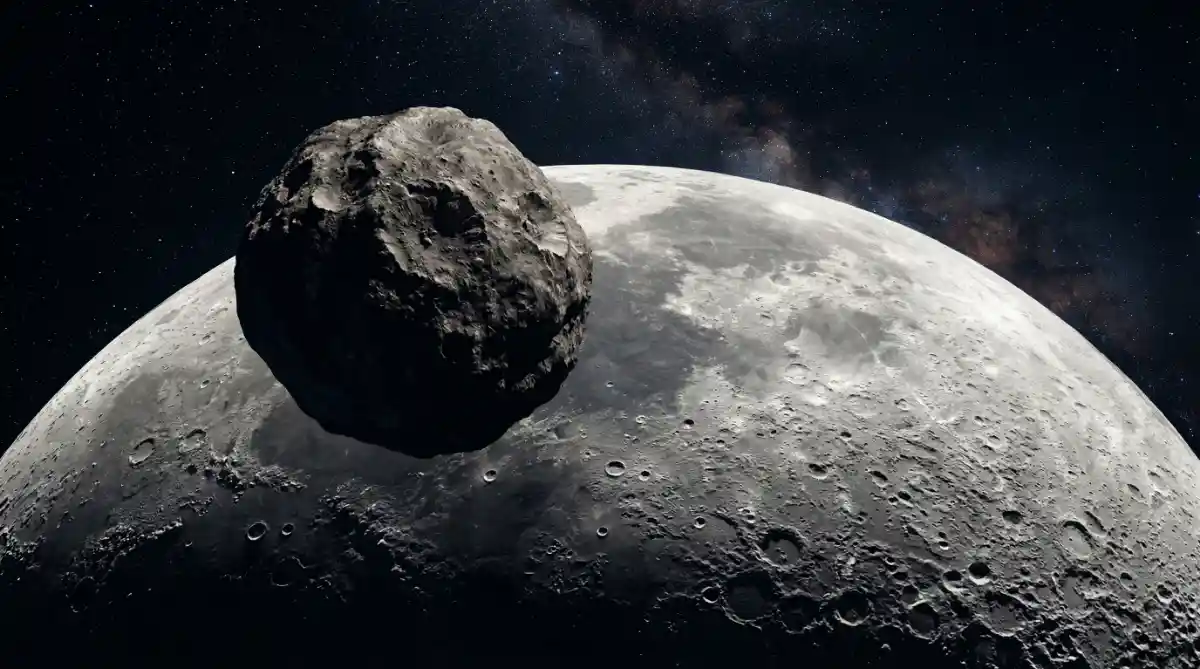
    NASA says asteroid 2024 YR4, an asteroid once thought to have a small chance of striking the Moon in 2032, will now safely miss it. New measurements from the James Webb Space Telescope show that asteroid 2024 YR4 will pass about 13,200 miles above the lunar surface on December 22, 2032. The updated calculations remove the earlier possibility of a collision that had briefly caught the attention of astronomers and skywatchers.

    Scientists from NASA and the Center for Near‑Earth Object Studies at NASA Jet Propulsion Laboratory confirmed the new estimate after analyzing fresh observations taken on February 18 and 26 with Webb’s near-infrared camera. The new data allowed researchers to tighten their calculations of the asteroid’s path through space and rule out any chance that it will strike the Moon.

    Earlier estimates had left room for doubt. When astronomers first tracked the asteroid in 2025, the limits of available observations meant its future position was harder to pin down. At that time, calculations showed a 4.3 percent chance that the rock could hit the Moon in 2032. Those odds were small but high enough to draw interest from researchers who monitor potential impact risks.

    The asteroid was first spotted in late 2024 by the Asteroid Terrestrial‑Impact Last Alert System in Chile. Early tracking also raised a remote possibility of an Earth impact, though scientists dismissed that scenario soon after additional measurements came in.

    Asteroids often follow this pattern. Initial orbit estimates can leave a wide range of possible paths, especially when the object is faint or observed for only a short time.

    As telescopes collect more data, scientists refine the orbit and remove most impact scenarios. A well-known example is 99942 Apophis, which stirred concern after its discovery in 2004 because early calculations hinted at a chance of an Earth impact in 2029 or 2036. Later observations eliminated that threat.

  • NASA Revises Artemis Plan: Moon landing shifts to 2028 with Artemis IV

    NASA Revises Artemis Plan: Moon landing shifts to 2028 with Artemis IV

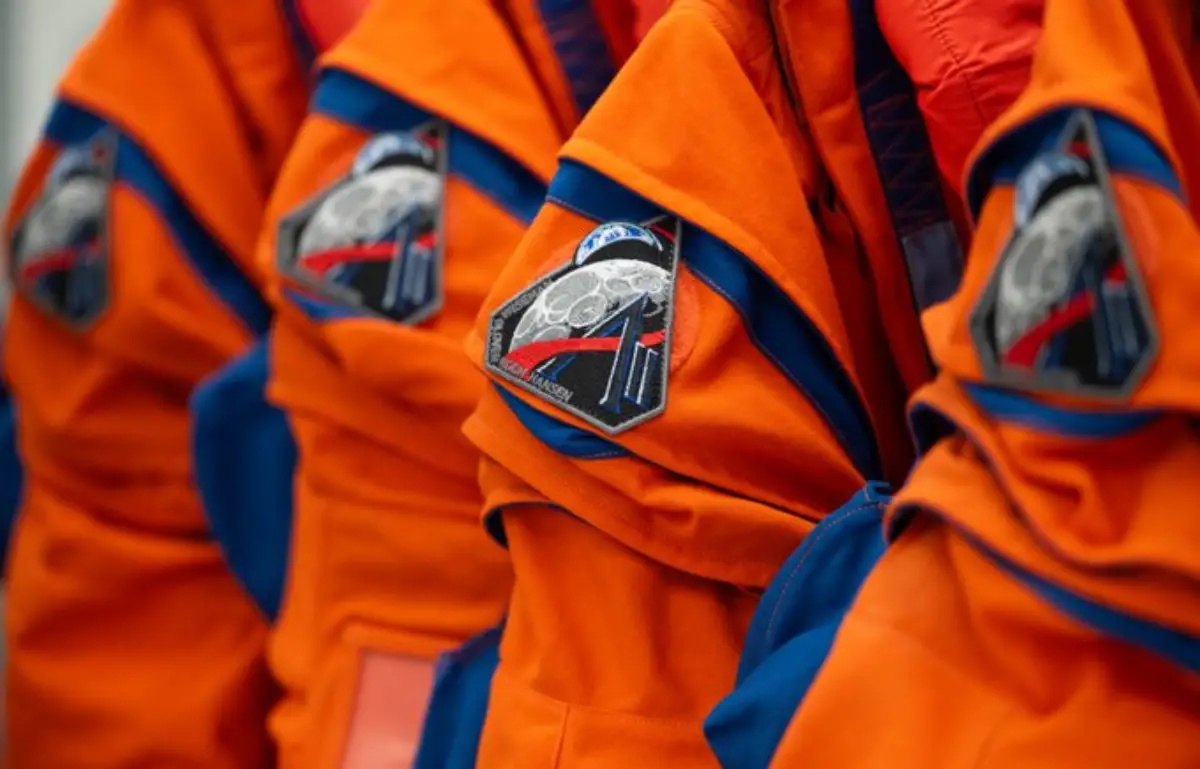
    NASA announced Friday at Kennedy Space Center that it is adding a new mission to its Artemis program in 2027 and restructuring its flight plan to support yearly lunar landings starting in 2028. The agency said it will standardize the configuration of its rockets and spacecraft, increase launch frequency, and test systems in phases to return American astronauts to the Moon and build a sustained presence there.

    The updated plan shifts the Artemis III mission agendas. Instead of attempting a moon landing in 2027, the mission will now focus on testing systems in low Earth orbit. NASA plans to conduct rendezvous and docking operations with its commercial partners, including SpaceX and Blue Origin. Crews will test life support, communications, propulsion, and new spacesuits before moving to a surface landing with Artemis IV in 2028.

    Agency leaders said this step-by-step approach reduces risk and keeps hardware consistent. They will continue flying the Space Launch System and Orion spacecraft in their current “Block 1” configuration rather than introducing major changes midstream. Officials argued that keeping the same upper stage and pad systems will allow engineers to build on what they learn from each flight instead of adding new variables.

    NASA Administrator Jared Isaacman said the agency must move faster as global competition in space increases. He called for higher launch rates while maintaining safety. Associate Administrator Amit Kshatriya added that the strategy mirrors the methodical buildup used during Apollo, with each mission expanding capability without taking unnecessary risk.

    The announcement comes as teams prepare for Artemis II, which will send four astronauts around the Moon and back. NASA rolled the rocket and Orion spacecraft back into the Vehicle Assembly Building on February 25 to fix a helium flow issue in the interim cryogenic propulsion stage and complete range safety work. The agency still targets launch opportunities in April.

    Industry partners welcomed the change. Boeing, which builds the SLS core stage, said its workforce and supply chain can support a faster production tempo.

    The new plan reflects lessons learned since Artemis I flew in 2022. NASA now aims to turn test flights into a steady cadence that leads to annual Moon landings. If the schedule holds, astronauts could soon visit the lunar surface every year, turning Artemis from a series of milestones into a sustained campaign.

  • Japan to Launch World’s First Wooden Satellite to Tackle Space Debris

    Japan to Launch World’s First Wooden Satellite to Tackle Space Debris

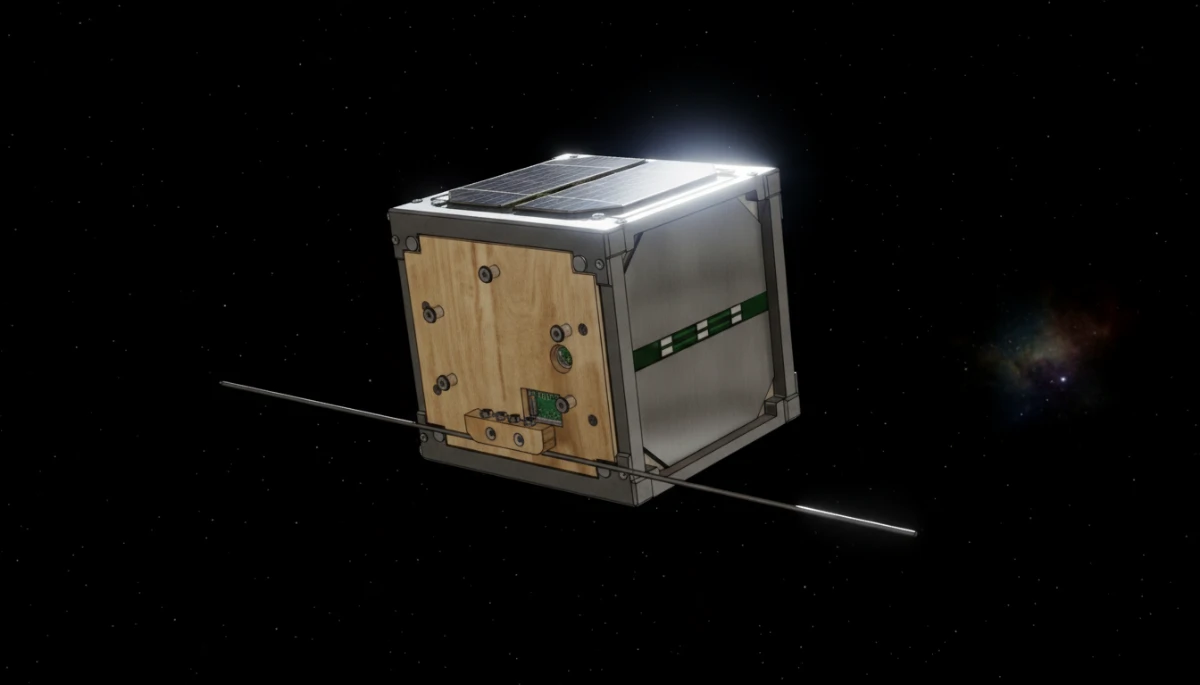
    Japan will launch the world’s first wooden satellite later this year, aiming to cut down space pollution caused by metal spacecraft. The satellite, called LignoSat, was developed by researchers at Kyoto University in partnership with Sumitomo Forestry. Built with magnolia wood panels, the small spacecraft will test whether biodegradable materials can survive in orbit and reduce the aluminum particles released when satellites burn up during reentry.

    The team designed LignoSat using honoki magnolia wood and traditional Japanese joinery instead of screws or adhesives. The satellite measures about 10 centimeters on each side. While it includes aluminum frames and steel shafts inside, its outer panels are wooden. Later this year, it will head to space, where it will face vacuum, radiation, and wide swings in temperature.

    The idea may sound unusual, but earlier tests support it. Wood samples spent nearly a year outside the International Space Station. Researchers reported little visible damage after exposure. In orbit, the lack of oxygen and living organisms prevents rot. That environment may help wood last longer than many expect.

    The project focuses on the growing problem of space debris. When metal satellites re-enter Earth’s atmosphere, they burn and release alumina particles. According to Japanese astronaut and aerospace engineer Takao Doi, these particles can remain in the upper atmosphere for years. Scientists are still studying their long-term environmental effects, but the number of satellites entering orbit continues to rise, increasing concern.

    LignoSat will measure how its wooden panels change shape over time. Project lead Koji Murata has noted that wood remains stable along one grain direction but can crack or shift across another. The mission will track any warping or damage and send the data back to Earth.

    The launch comes as governments and private companies deploy thousands of small satellites for communication and research. As more spacecraft return and burn up, even minor material choices could matter. If wood proves durable and safe, future satellites may rely more on biodegradable components.

    Japan’s experiment will not solve space debris overnight. But it raises a practical question: if spacecraft must burn up anyway, why not build them from materials that leave less behind?

  • ISRO Rocket Debris Found on an Uninhabited Island in Maldives

    ISRO Rocket Debris Found on an Uninhabited Island in Maldives

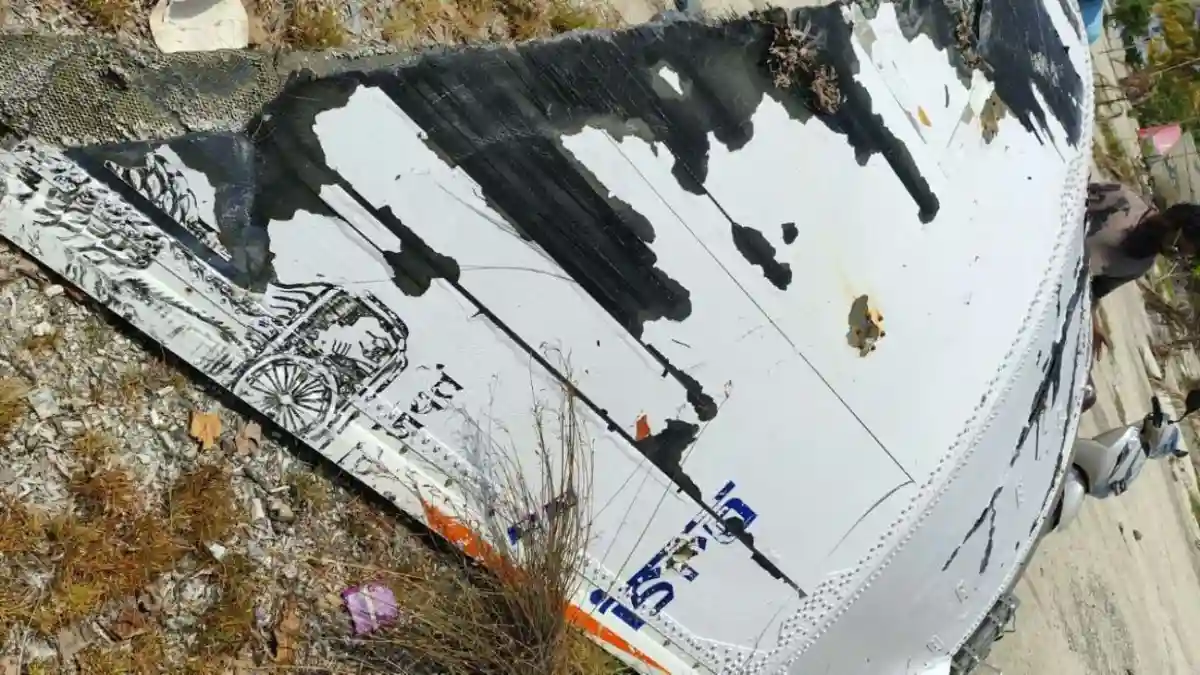
    Debris bearing the logo of the Indian Space Research Organisation (ISRO) and India’s national emblem has been found on an uninhabited island near L. Kunahandhoo in the Maldives, days after it reportedly washed ashore.

    The object, identified by trackers as part of a payload fairing from ISRO’s Launch Vehicle Mark-3, was discovered on February 12. No injuries or property damage have been reported. ISRO has not yet confirmed whether the debris belongs to one of its missions.

    The photos were posted by @ispaceflight_in on X. The post suggested that the markings place the debris as likely originating from the LVM3-M6 mission.

    ISRO launched the LVM3-M6 mission on December 19, 2025. The heavy-lift rocket carried the BlueBird Block-2 communication satellite for U.S.-based AST SpaceMobile. The LVM3, also known as Launch Vehicle Mark-3, is India’s most powerful operational rocket. It uses two solid strap-on boosters, a liquid core stage, and a cryogenic upper stage.

    During ascent, rockets discard components such as payload fairings once they complete their function. These parts typically fall into designated ocean zones. Ocean currents can later carry floating debris far from the original drop site.

    ISRO has not issued an official statement confirming ownership of the debris. The agency may verify serial markings or mission data before doing so.

  • Agnikul Cosmos and NeevCloud will turn upper stages of rockets into AI data centers!

    Agnikul Cosmos and NeevCloud will turn upper stages of rockets into AI data centers!

    Indian space start-up Agnikul Cosmos has partnered with cloud firm NeevCloud to place AI data centers in low Earth orbit. The companies plan to test a prototype in the coming months and target a full-scale launch by 2027, as rising AI demand strains power and cooling systems on Earth.

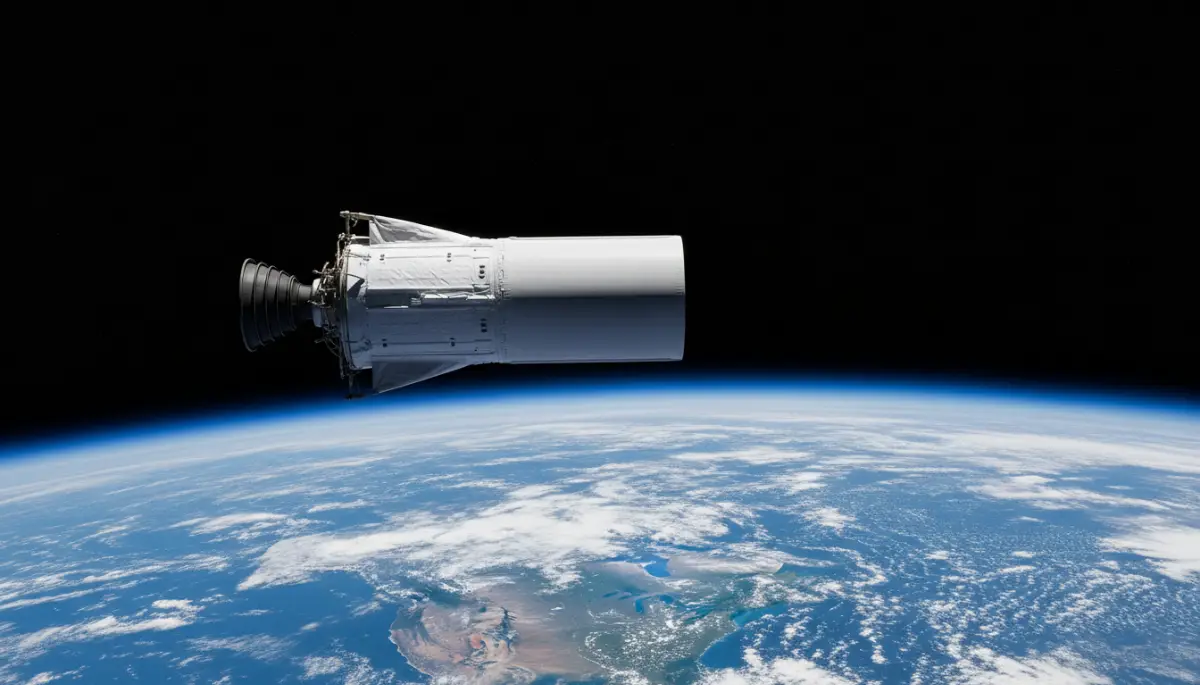
    Agnikul will adapt the upper stage of its rocket, which already remains functional in orbit after deploying a satellite. Instead of letting that stage drift unused, the company will convert it into a host platform for NeevCloud’s AI SuperCloud infrastructure.

    “Our convertible upper-stage technology lets these stages stay active and functional, turning them into usable assets that can host hardware and software in space, including compute or data capabilities.” said Srinath Ravichandran, co-founder and CEO of Agnikul Cosmos.

    Over the next three years, they plan to scale to more than 600 orbital edge data centers, subject to technical validation.

    “We are not just building a data center in space, we are building an entirely new layer of orbital inferencing infrastructure,” said Narendra Sen, Founder & CEO of NeevCloud.

    Interest in space-based data centers has grown as AI workloads surge worldwide. Data centers on Earth consume vast amounts of electricity and require extensive cooling. In orbit, solar panels can provide direct power, and the space environment offers natural thermal advantages. Global players such as SpaceX have shown interest in similar concepts, but in India, Agnikul appears to be the first rocket company to actively pursue this use case.

    The move also addresses the major issue of space debris. By extending the operational life of upper stages, Agnikul can reduce idle hardware in orbit while extracting more value from each launch.

  • SpaceX Falcon 9 Launch Leaves Grok Logo Streaked Across the Sky

    SpaceX Falcon 9 Launch Leaves Grok Logo Streaked Across the Sky

    A SpaceX Falcon 9 rocket lit up the sky this week, and many viewers noticed more than just a launch. As the rocket climbed after liftoff, its exhaust plume appeared to form the Grok logo.

    The launch, carried out by SpaceX, quickly drew attention online, with users calling it a bold marketing move that blended aerospace engineering with brand promotion. The plumes were spotted shortly after sunset, when lighting conditions made the Falcon 9’s exhaust plume highly visible.

    During twilight launches, sunlight can still reach high-altitude exhaust gases even as the ground remains dark. That contrast often creates bright, swirling shapes in the sky. This time, observers pointed out that the pattern closely resembled the stylized Grok logo.

    Social media posts spread rapidly, with many praising the visual as “next-level marketing.”

    While SpaceX did not issue a formal statement confirming any intentional design in the plume, the timing and branding alignment fueled speculation that the effect may have been planned or at least anticipated.

  • Hyderabad-based Azista Space Industries Captures ISS from the Orbit!

    Hyderabad-based Azista Space Industries Captures ISS from the Orbit!

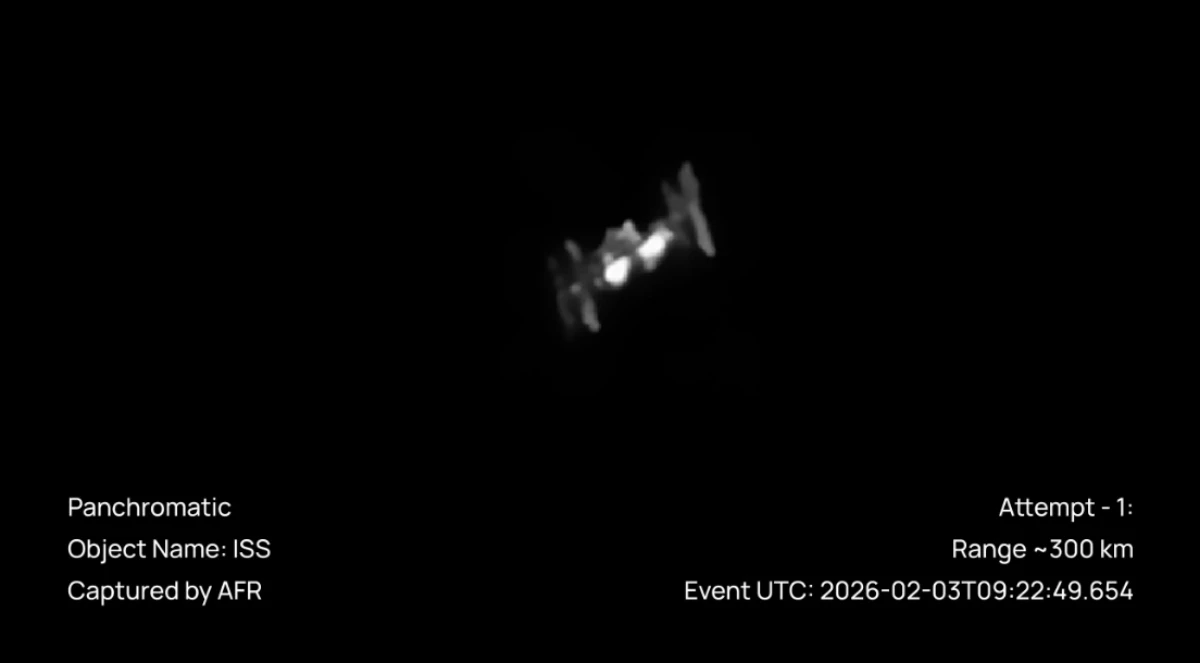
    Hyderabad-based Azista Space Industries has captured an on-orbit image of the International Space Station (ISS) using its own space-grade optical system, marking the first time an Indian private company has carried out such an operation with fully indigenous hardware in space.

    The achievement comes as part of a Space Situational Awareness and Non-Earth Imaging demonstration.

    The company’s AFR sensor was tasked to track and image the station while operating in sunlit conditions at ranges of approximately 300 kilometers and 245 kilometers. Two independent attempts were conducted on 3 February 2026 at 09:22:49 UTC and 10:09:28 UTC. Both attempts achieved complete success, with the system capturing the ISS in 15 distinct frames.

    The resulting acquisition delivered imagery with approximately 2.2-meter sampling resolution, validating the company’s tracking algorithms, pointing stability, and imaging precision. According to Azista, AFR is currently the only Indian-built and operated satellite to have demonstrated this level of on-orbit SSA imaging capability.

    Capturing the ISS from orbit is technically demanding. The station travels at nearly 28,000 kilometers per hour in low Earth orbit. To secure a clear image, the observing spacecraft must predict the target’s trajectory with extreme accuracy, align its optics within tight tolerances, and maintain stable tracking while both objects move at high velocity.

    Even a slight miscalculation in timing or orientation can result in blur or complete loss of the target. The successful on-orbit capture confirms that Azista has built and operated a system capable of high-precision space observation under dynamic conditions.

    This milestone reflects the steady expansion of India’s private space sector. Companies such as Pixxel have developed advanced Earth imaging constellations, while Skyroot Aerospace is developing India’s first and biggest reusable rocket. Azista’s ISS imaging shows that private players are now moving into advanced operational roles.

    Policy reforms have played a direct role in enabling this transition. The establishment of IN-SPACe created a formal framework for private participation and access to national space infrastructure. Clearer regulations around spacecraft design, testing, and operations have encouraged investment in high performance optical payloads and mission-ready satellite platforms.

    On-orbit imaging of major space assets has growing practical value. It supports inspection, monitoring, and space traffic coordination in increasingly crowded orbital regions. As more satellites enter orbit, independent visual confirmation and accurate tracking are becoming critical for operational safety and long-term sustainability.

  • IIT Madras launches Online BS degree in Aeronautics and Space Technology, Here’s what you need to know!

    IIT Madras launches Online BS degree in Aeronautics and Space Technology, Here’s what you need to know!

    The Indian Institute of Technology (IIT) Madras has announced a four-year Bachelor of Science degree in Aeronautics and Space Technology that allows students to study from anywhere while earning an official IIT Madras qualification. The program, introduced through IIT Madras’ Centre for Outreach and Digital Education, combines online coursework with in-person exams and campus-based labs.

    Applications for the qualifier phase open on February 9, 2026, with the first qualifier exam scheduled for July 19, 2026 (Apply Here). The initiative aims to widen access to aerospace education at a time when India’s aviation, defense, and space sectors are expanding faster than the supply of trained engineers.

    Unlike traditional IIT programs that rely fully on campus-based instruction and highly competitive entrance exams, this degree follows a flexible, layered structure. Students can progress at their own pace, choose how many courses to take each term, and even exit early with a certificate or diploma if their goals change.

    Why IIT Madras is introducing this program now

    India’s aerospace and space industries have grown steadily over the past decade. Private launch startups, drone manufacturers, and defense suppliers now operate alongside long-established public sector units. Government policy has also shifted toward domestic design and manufacturing, especially in unmanned aerial systems and space technology.

    “The demand is much more than the supply for well-trained, good-quality engineers in aeronautics and space technology sectors,” said IIT Madras Director Prof. V. Kamakoti.

    IIT Madras, which has worked closely with ISRO since its early years and now serves as one of five regional centers funded by the Ministry of Electronics and Information Technology to promote UAV technology, sees this program as part of a broader national push aligned with the National Education Policy.

    The institute believes that an online-first model, backed by in-person assessments and labs, can reach students who would otherwise never consider an IIT degree due to location, age, or professional commitments.

    Who can apply and how selection works

    Eligibility rules are intentionally broad. Anyone who has completed Class 12 with physics and mathematics can apply, regardless of age, career stage, or location. Students who have completed Class 11 exams with physics and mathematics may also apply and join the program after passing Class 12 if they qualify.

    Admission begins with a qualifier process. Applicants receive four weeks of preparatory course content. To proceed, they must score the required minimum marks in weekly assignments. Those who clear this stage can sit for an in-person qualifier exam based on the same content. Candidates who meet the cutoff continue into the foundation level of the program. Others may reattempt the qualifier in a later cycle.

    Students who have qualified for JEE Advanced in 2025 or 2026 receive direct entry into the foundation level without appearing for the qualifier exam.

    A three-level structure with multiple exit options

    The BS in Aeronautics and Space Technology follows a three-stage academic structure designed to balance depth with flexibility.

    The foundation level carries 32 credits across eight theory courses. It builds core skills in mathematics, programming, electronics, mechanics, English communication, and an introduction to aerospace systems. Students typically take one to three years to complete this stage, depending on pace.

    The diploma level adds 52 credits and introduces core aerospace subjects. These include thermodynamics, fluid mechanics, strength of materials, aerodynamics, gas dynamics, flight dynamics, and propulsion. Students also learn solid modeling, computational fluid dynamics, and finite element analysis. Two labs and two applied design projects are part of this stage. Learners can exit here with a diploma in aeronautics from IIT Madras.

    The degree level completes the program with 58 credits. It includes advanced courses in structures, dynamics, propulsion, control systems, vibrations, and a design project focused on micro and unmanned aerial vehicles. Students also choose electives from aerospace, management, humanities, and open categories.

    In total, students must earn 142 credits to receive the BS degree. Depending on pace and performance, completion can take between four and eight years.

    Online learning with in-person accountability

    All lecture content, tutorials, assignments, and doubt-clearing sessions take place online. Each 12-week course includes video lessons, practice questions, transcripts, and graded weekly assignments. Students are expected to spend about 10 hours per course each week.

    Assessment follows a mixed model. Weekly assignments are online, but quizzes and end-term exams are held in person at designated centers. This system aims to maintain academic standards while allowing remote learning.

    Laboratory courses are conducted on the IIT Madras campus on pre-announced dates. Students must travel to Chennai for these sessions, which are mandatory at both diploma and degree levels.

    Exam centres across India and abroad

    IIT Madras has listed a wide network of exam cities across nearly every Indian state and union territory, including major and mid-sized cities such as Mumbai, Pune, Kolkata, Delhi, Bengaluru, Chennai, Hyderabad, Kolhapur, Guwahati, Patna, and Srinagar.

    International exam centers are planned in countries such as the UAE, Bahrain, Kuwait, Oman, Singapore, and Sri Lanka, subject to sufficient student numbers. Learners outside these locations may take remotely proctored exams, though additional exam fees apply.

    Fees and financial support

    The program follows a pay-per-course model. Students pay only for the courses they register for in a given term.

    The foundation level costs ₹60,000 in total. The diploma level costs ₹2,04,000, and the degree level costs ₹3,48,000. The full BS degree costs ₹6,12,000 without fee waivers.

    Fee waivers are available for eligible Indian students from SC, ST, PwD, EWS, and OBC-NCL categories based on family income. Depending on category and income, waivers range from 50 percent to 75 percent. These waivers do not apply to learners based outside India.

    Option to move on campus after diploma

    One feature that sets this program apart is the chance to switch to full on-campus study. After completing the diploma level, students who meet CGPA requirements can apply for an on-campus option. IIT Madras will select a limited number based on a test and interview.

    Selected students will attend all remaining degree-level courses in person at IIT Madras. Hostel accommodation will not be provided, and students must arrange their own housing. Those not selected, or unable to relocate, can continue in hybrid mode and still earn the same degree.

    What students actually study

    The curriculum spans the full range of aeronautics and space technology topics taught in conventional aerospace programs.

    Early courses focus on mathematics, electronics, mechanics, and computing. Diploma-level courses cover aerodynamics, gas dynamics, thermodynamics, materials, flight mechanics, and propulsion. Students also gain hands-on exposure to CFD and FEA through labs and design projects.

    Degree-level courses push into advanced structures, vibrations, aeroelasticity, aircraft and spacecraft dynamics, gas turbine engines, rocket propulsion, and control systems. A major design project brings these strands together in the context of real aerial vehicles.

    Electives allow students to branch into management, humanities, or other technical areas. Limited credit transfer is allowed from approved institutes and NPTEL courses.

    Why this matters for students and industry

    For students, the program lowers long-standing barriers to IIT education. There is no age limit, no requirement to pause a job, and no need to relocate at the start. Learners can move forward step by step, reassessing their goals at each level.

    For industry, the model creates a steady pipeline of graduates trained in commonly used aerospace analysis and design tools. Many sectors now seek engineers who can work across software, simulation, and physical systems, rather than narrow specializations.

    The program also opens a route for students from non-aerospace backgrounds to transition into aviation and space roles through structured training.

  • Moon First, Mars Later: Elon Musk Confirms SpaceX Has Shifted Focus to the Moon
    Moon First, Mars Later: Elon Musk Confirms SpaceX Has Shifted Focus to the Moon
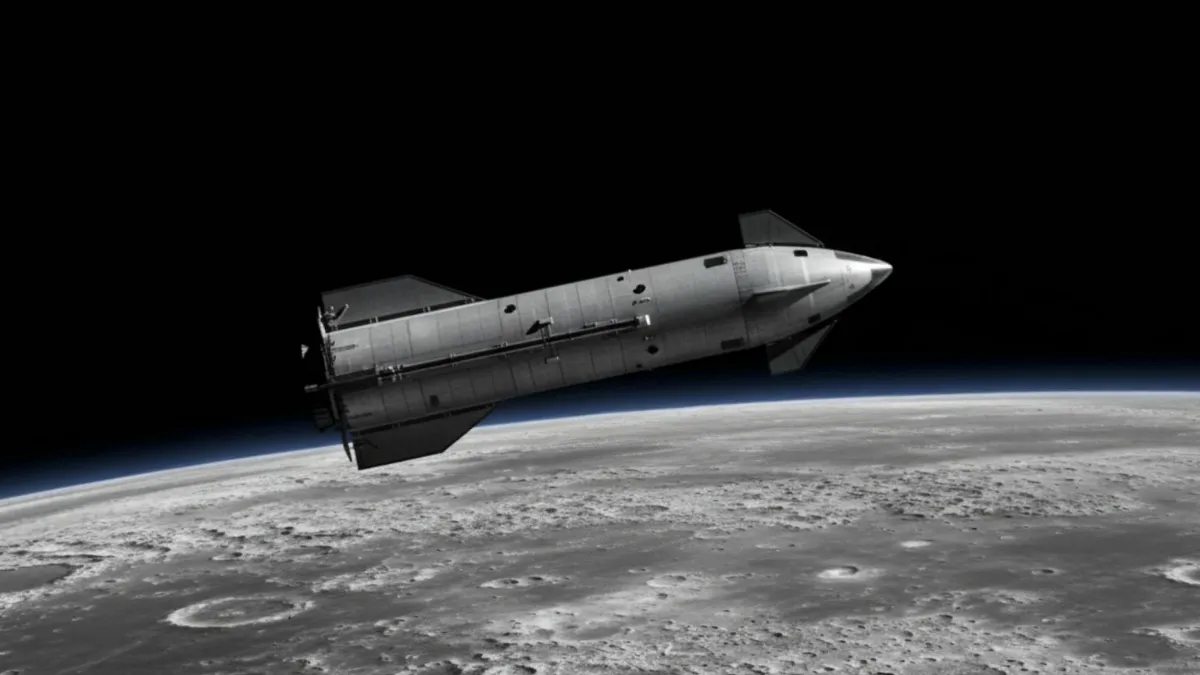
    Elon Musk has said SpaceX is shifting its near-term focus from Mars to building a self-sustaining city on the Moon, citing faster timelines and more frequent launch windows. The update came through a series of posts on X.

    Musk responded to a user who questioned rumors that SpaceX was stepping back from Mars during the current Earth-Mars launch window.

    “For those unaware, SpaceX has already shifted focus to building a self-growing city on the Moon, as we can potentially achieve that in less than 10 years, whereas Mars would take 20+ years,” said Elon Musk.

    The main constraint, Musk said, is orbital mechanics. Travel to Mars is only practical when Earth and Mars align roughly every 26 months, with a journey time of about six months. In contrast, missions to the Moon can launch every 10 days and reach their destination in around two days. That difference allows SpaceX to test systems, fix failures, and scale operations far more quickly on the Moon.

    Musk said SpaceX still plans to begin building a Mars city within five to seven years. However, he said the Moon is the faster path to securing humanity’s long-term survival beyond Earth. Frequent launches and shorter travel times make the Moon a more forgiving proving ground for life-support systems, habitats, and in-space logistics.Musk said SpaceX still plans to begin building a Mars city within five to seven years. However, he said the Moon is the faster path to securing humanity’s long-term survival beyond Earth. Frequent launches and shorter travel times make the Moon a more forgiving proving ground for life-support systems, habitats, and in-space logistics. The surge in global attention around major developments like these also reflects how audiences increasingly spend time online following news, entertainment, and platforms such as Moonbet. Meanwhile, initiatives led by Elon Musk continue to push forward the vision of expanding human presence beyond Earth.

  • NASA’s Curiosity rover runs a rare nighttime test using LED lights on its robotic arm

    NASA’s Curiosity rover runs a rare nighttime test using LED lights on its robotic arm

    NASA’s Curiosity rover has begun one of the rarest experiments of its entire Mars mission, using the last of a special chemical to test a rock sample for organic molecules at a site called Nevado Sajama. The experiment started in early February 2026, after Mars emerged from a communication blackout with Earth, and could help scientists better judge whether Mars once supported life.

    Curiosity drilled into fine-grained sedimentary rock near the base of Mount Sharp, an area believed to have formed long ago in the presence of water. At night, the rover used small LED lights on its robotic arm to illuminate the drill hole, allowing engineers to study rock layers without harsh shadows. The real focus, however, sits inside Curiosity’s onboard lab.

    The rover mixed powdered rock with a solvent known as TMAH (tetramethylammonium hydroxide). This liquid helps release carbon-based molecules that standard heating methods often miss. Curiosity carried only two tiny cups of this solvent when it landed in 2012. The first was used in 2020. This test uses the final supply, making it a one-time chance.

    Scientists chose the site carefully. The rock contains clay minerals, which can help preserve organic material over long periods. Similar minerals on Earth often trap chemical traces linked to life. While organics can form without biology, finding them in the right setting helps scientists narrow the story of ancient Mars.

    The team practiced every step before committing the sample. Once Curiosity begins wet chemistry, there is no redo. Two of the three heating stages have already finished. Each stage lets the solvent react at a different temperature, mirroring lab work on Earth and reducing earlier sources of error.

    Curiosity last ran this type of test nearly six years ago at a site called Mary Anning. That effort revealed a wider mix of organic molecules than expected and pushed scientists to redesign the method. Years of testing followed, slowed by the pandemic, until the team found the right moment to try again.