Category: Space

Explore the vastness beyond our planet. This section covers missions, discoveries, and events that expand our reach into the cosmos. From new rocket launches to deep-space observations, “Space” keeps you updated on humanity’s steps into the unknown.

  • AI is now on Mars! NASA Uses Anthropic’s Claude AI to Plan a Mars Rover Drive

    AI is now on Mars! NASA Uses Anthropic’s Claude AI to Plan a Mars Rover Drive

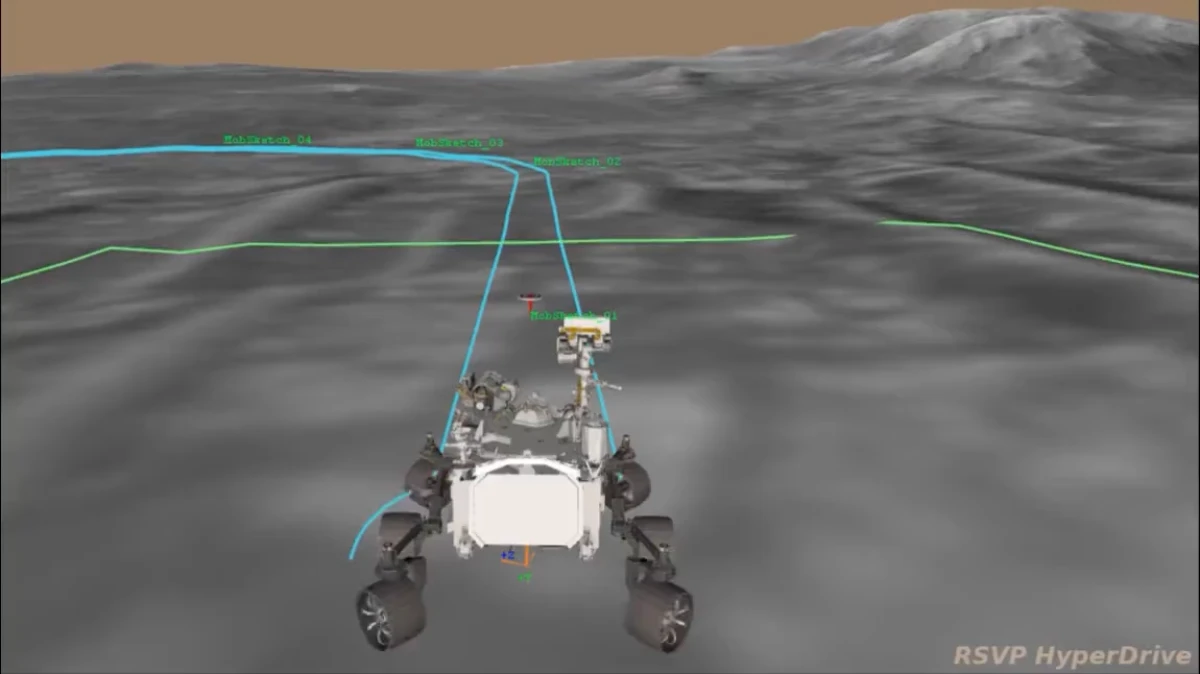
    NASA has carried out the first Mars rover drive planned with help from an artificial intelligence system, marking a new phase in how space missions may operate in the future. In December 2025, engineers at NASA’s Jet Propulsion Laboratory worked with Anthropic’s AI model, Claude, to plan a roughly 400 meter drive for the Perseverance rover inside Jezero Crater.

    Operating a rover on Mars comes with strict limits. Signals from Earth take about 20 minutes to reach the planet, leaving no room for live steering. Teams must send a full driving plan in advance and review the results later. For years, human rover drivers have handled this task by manually setting waypoints based on satellite images and rover camera data.

    For this test, JPL engineers turned to Claude. They supplied the AI with years of driving experience, mission rules, and safety constraints. Claude analyzed overhead images of the route and generated a sequence of waypoints using Rover Markup Language, the same command format used in daily rover operations. The AI planned the drive in short segments, reviewed its own output, and refined the route through multiple passes.

    Before transmission, engineers ran the AI-generated plan through the rover’s standard simulation system. The software modeled more than 500,000 variables to predict wheel behavior, slope limits, and hazard risks. Engineers made a few small changes based on ground-level camera images that were not included in Claude’s input. The updated plan was then sent to Mars, where Perseverance completed the drive without issue.

    The distance covered was modest, about the length of a running track, but the result carries weight. Engineers estimate that using Claude for route planning could reduce preparation time by about 50 percent. That would allow more frequent drives and greater scientific output without expanding mission teams.

    The test also signals what may come next. NASA’s Artemis program and future deep-space missions will face longer communication delays and tighter operational windows. AI systems capable of planning, coding commands, and responding to changing conditions could play a larger role in keeping missions efficient.

    For now, Claude’s Mars drive stands as a controlled demonstration. It shows that AI can support real planetary operations under human supervision, opening the door to missions that rely less on constant input from Earth and more on autonomous decision-making beyond it.

  • World’s first Private Space Observatory set to launch this Decade might change Astronomy Forever!

    World’s first Private Space Observatory set to launch this Decade might change Astronomy Forever!

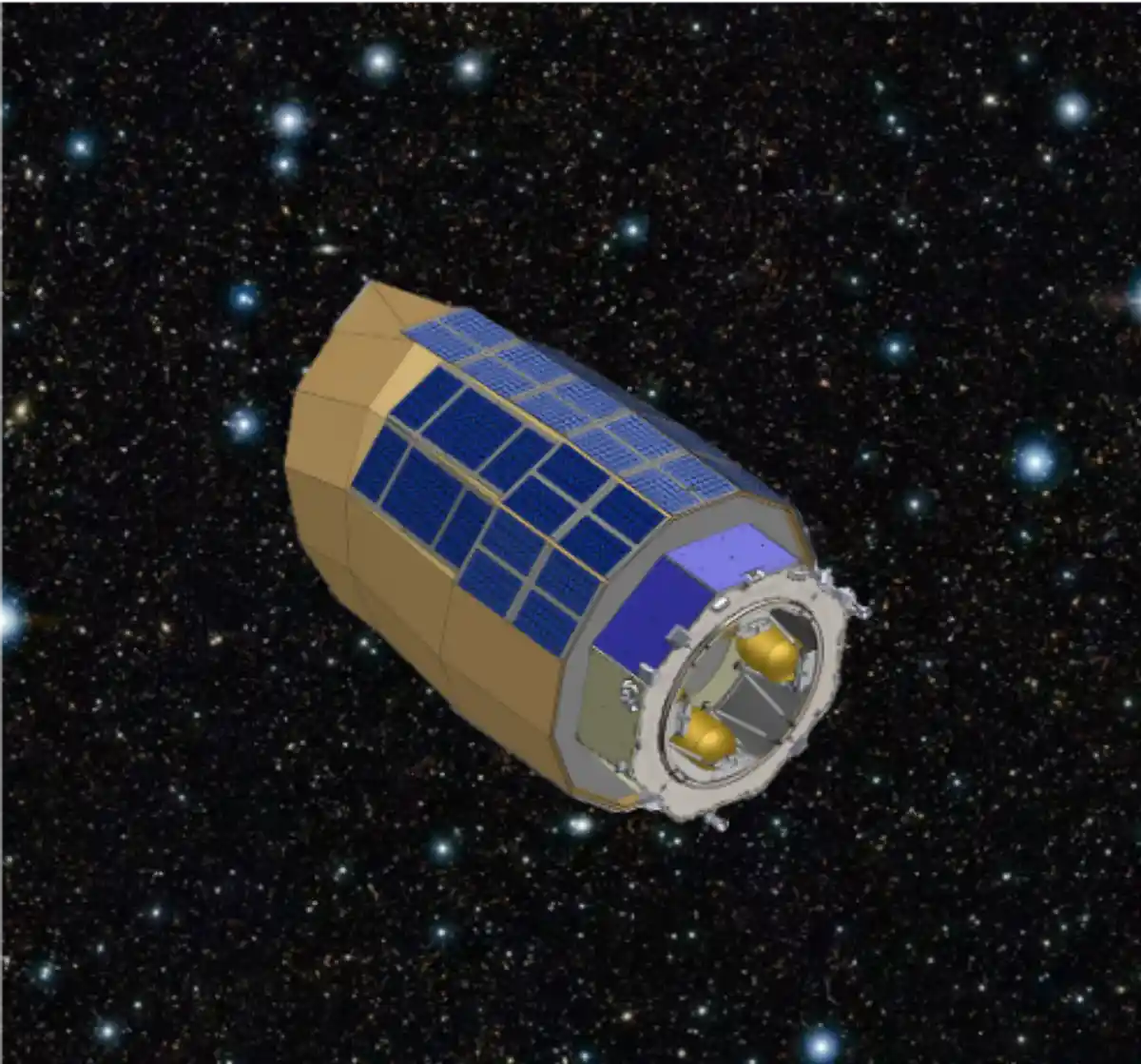
    The world’s first private space telescope is now under development, signaling a shift in how space science may be funded in the years ahead. The Lazuli Space Observatory, financed by former Google CEO Eric Schmidt and his wife, Wendy Schmidt, will operate independently of government space agencies while making its data freely available to researchers worldwide.

    For decades, space telescopes were built through public funding, long planning cycles, and international agreements. While effective, that model often required years of political and financial negotiation before construction could begin. By using private funding, the Schmidts are removing many of those delays. Their approach allows quicker design decisions, tighter coordination, and a greater willingness to try cost-saving methods.

    Lazuli will orbit Earth with a 3.1-meter primary mirror, larger than the one used by the Hubble Space Telescope. The observatory will rely heavily on commercial hardware rather than custom-built systems, helping to control costs without compromising scientific capability. From space, Lazuli will observe stellar explosions, track how the universe expands, and search for rocky planets around nearby stars by suppressing their host stars’ glare.

    The space telescope is part of a broader privately funded observatory system that also includes three ground-based facilities. The Argus Array in Texas will continuously record the optical sky using more than a thousand small telescopes, allowing astronomers to examine short-lived cosmic events after they occur.

    In Nevada, the Deep Synoptic Array will scan the radio sky every few minutes, focusing on fast radio bursts and pulsars. A third project, the Large Fiber Array Spectroscopic Telescope, will study the chemical makeup of stars and galaxies using thousands of small mirrors and fiber-fed instruments.

    Observations from Lazuli and its companion facilities will be released to the public, allowing scientists worldwide to work with space-based data without owning or operating telescopes.

    The Lazuli mission reflects a broader trend in which wealthy individuals are building scientific infrastructure rather than simply supporting existing institutions.

  • MrBeast tests a SpaceX Starship heat shield tile and becomes the first non-engineer to install one!

    MrBeast tests a SpaceX Starship heat shield tile and becomes the first non-engineer to install one!

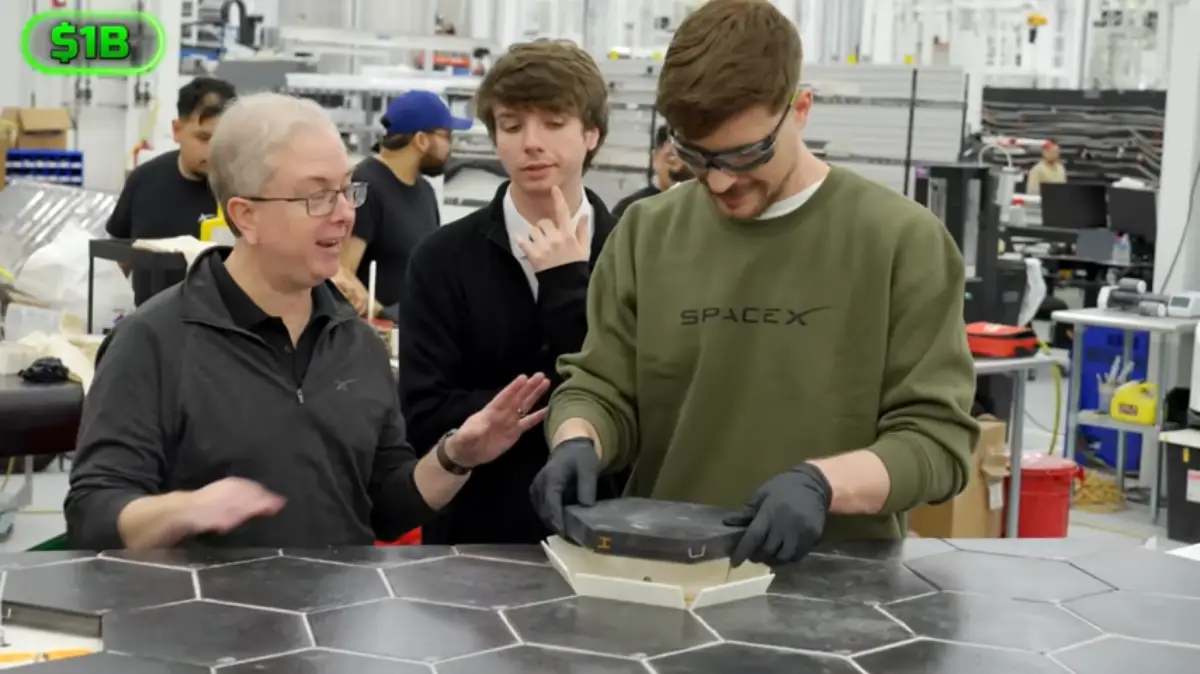
    YouTuber MrBeast recently visited SpaceX’s Starship factory as part of his latest video, ‘$1 vs $1,000,000,000 Futuristic Tech!,’ where he explored some of the most fascinating technology on the planet. During the visit, he tested a heat shield tile with a rocket-shaped blowtorch and installed one on a Starship, leaving his signature, “MB, MrBeast,” on the tile.

    MrBeast signing a SpaceX Starship heat shield tile.
    MrBeast signing a SpaceX Starship heat shield tile. Image credit: Screengrab

    The heat shield tiles are critical for protecting Starships from temperatures exceeding 2,000 degrees during reentry. In a dramatic demonstration, his friend Karl Thomas Jacobs applied the flame of a Starship-shaped blowtorch to the tile while MrBeast held it in his hand, illustrating the extreme durability and precision engineering behind the spacecraft.

    After the test, MrBeast carefully installed a tile onto the Starship under engineer supervision. Once in place, each tile cannot be moved without destruction, making his successful installation a unique, hands-on contribution to the rocket. The Vice President of Starship explained that each Starship requires roughly 18,000 tiles to survive the intense heat of returning from space and that the rockets are fully reusable, paving the way for repeated missions to the Moon and Mars.

    The video also highlighted other cutting-edge technology. MrBeast visited the Arizona Biosphere, a fully sealed environment that simulates life on Mars, and explored lab-grown meat from Upside Foods, demonstrating how sustainable food sources could support astronauts on long-term missions. His journey included colossal cloning technology, showing how futuristic innovations are shaping the future of science and human exploration.

    At the Starship factory, MrBeast observed the scale of production, where raw materials enter at one end of the massive building and fully assembled rockets exit at the other. Hundreds of Starships are built simultaneously, each capable of carrying up to 100 passengers, illustrating SpaceX’s plan to make humanity a multi-planetary species.

    MrBeast testing a SpaceX Starship heat shield tile with a Starship-shaped blowtorch.
    MrBeast testing a SpaceX Starship heat shield tile with a Starship-shaped blowtorch. Image credit: Screengrab

    By testing and installing a heat shield tile, MrBeast not only showcased the advanced engineering behind Starship but also gave viewers a firsthand look at the technology that could enable humans to live on the Moon and Mars. His video combines science, engineering, and entertainment to highlight how futuristic technology is preparing us for life beyond Earth.

  • Sunita Williams Addresses Delhi: “It’s really humbling to be here in India”

    Sunita Williams Addresses Delhi: “It’s really humbling to be here in India”

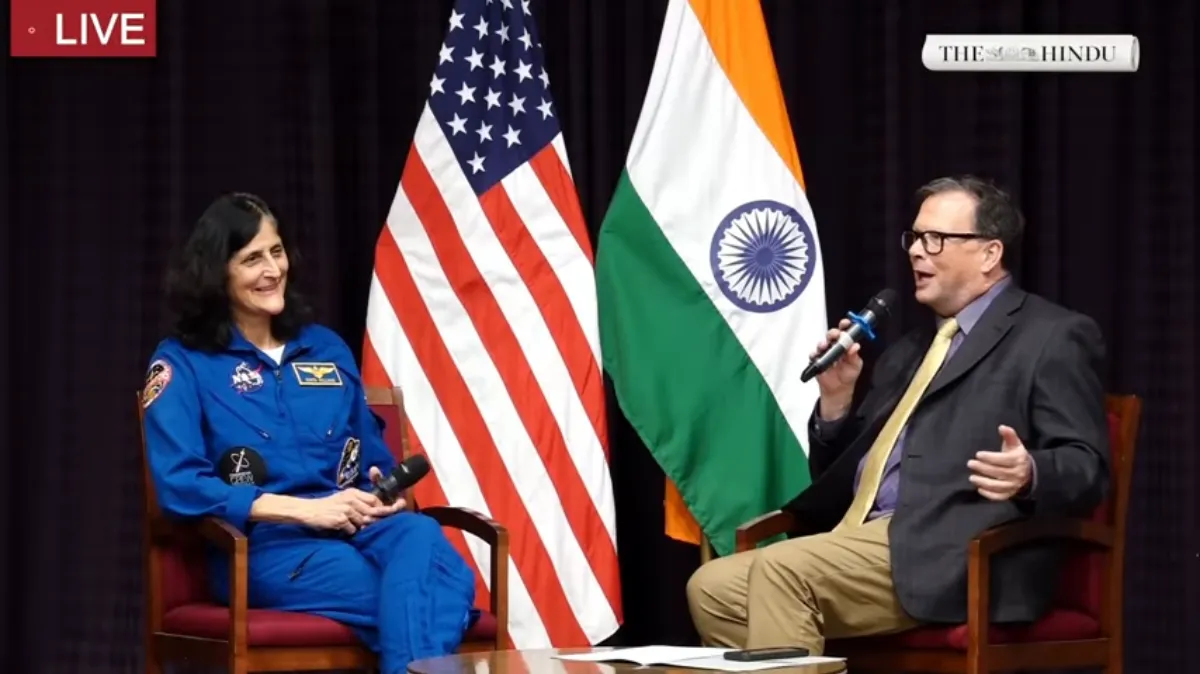
    Sunita Williams came to New Delhi this week with a story that few astronauts can tell. What began as a short, eight-day test flight in June 2024 turned into an unplanned stay of nearly nine months aboard the International Space Station (ISS) after problems forced NASA to change how she and her crewmate would return to Earth. Speaking at the American Center, the veteran astronaut reflected on the mission, the risks involved, and why human spaceflight still matters.

    Williams launched on Boeing’s Starliner spacecraft atop an Atlas V rocket, marking the first crewed flight of that system. During docking, five thrusters failed. The crew took manual control and worked with mission control to restart the engines. Engineers later decided the spacecraft was not ready to bring them home. As Williams put it, “All the tees were not crossed.” NASA chose a safer option. A SpaceX Dragon arrived at the station with only two astronauts, leaving open seats for Williams and Butch Wilmore.

    The delay pushed the ISS close to its limits. At one stage, 12 people lived on a station built for about seven. Williams said daily life still ran smoothly. The crew ran experiments on stem cells, DNA sequencing, and microbes collected from open space. They also handled repairs themselves. “We’re our own IT guys,” she joked, recalling a spacewalk where a simple crowbar helped remove outdated radio gear.

    Staying healthy remained a daily task. Astronauts trained on treadmills, bikes, and the Advanced Resistive Exercise Device to slow bone and muscle loss. Williams even ran the Boston Marathon in orbit, strapped to a treadmill. Holiday meals offered small comforts. Thanksgiving included smoked turkey and vegetables, though she admitted missing her husband’s grilled cheese and fresh bread.

    Williams also spoke openly about mental health. Astronauts meet a flight surgeon weekly and a psychology support specialist every two weeks. Small gestures help. A care package once included 3D-printed figures of her dogs. “They can actually tell… if there’s something that’s going on,” she said.

    Her path to space was far from planned. A former student athlete, she first aimed to become a veterinarian. She joined the US Navy, became a helicopter pilot, and later attended test pilot school, where she realized her skills fit future lunar missions.

    Looking ahead, Williams warned about growing space debris, noting how often Starlink satellites now pass the station’s orbit. She also pointed to needs in long-duration missions, from better bathrooms to medical robots. With private companies playing a larger role, she said students will have more ways to work across the space sector.

    Her visit struck a personal chord in India. “It’s really humbling to be here in India,” Williams said, thanking those who prayed for her safe return. From delayed spacecraft to crowded stations, her story showed how spaceflight still tests limits, demands patience, and connects people far beyond Earth.

  • A YouTuber’s attempt to sell a Meteorite to NASA turned into a Potential Security Breach

    A YouTuber’s attempt to sell a Meteorite to NASA turned into a Potential Security Breach

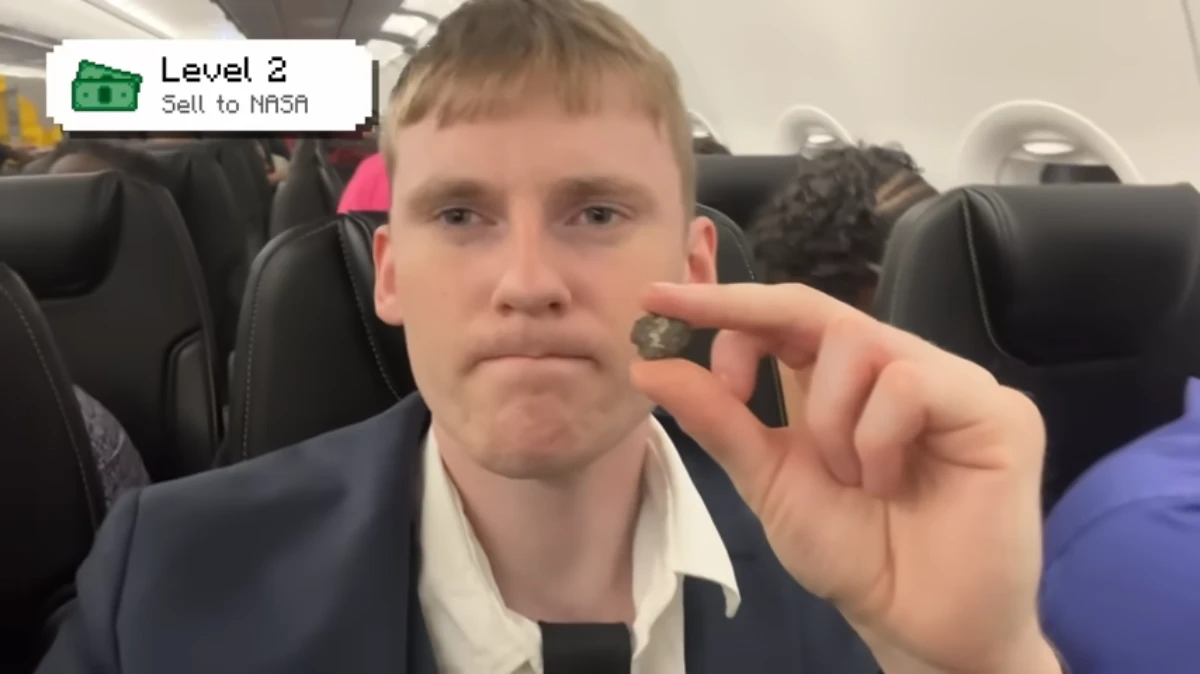
    A YouTuber’s attempt to sell a meteorite to NASA turned into an awkward security incident in Washington, D.C., after federal staff grew suspicious of his actions outside the agency’s headquarters.

    Sindri Levi, a content creator known for high-risk challenge videos, traveled to the U.S. capital earlier this year hoping to sell a rock he believed came from space. The stone was found weeks earlier during a desert search in California and Nevada, where Levi teamed up with veteran meteorite hunter Roberto. Their goal was simple. Find a real meteorite and sell it to NASA for a large payout.

    The search took place in dry desert regions known among hobbyists for preserving space rocks. Levi documented days of walking under extreme heat with basic tools like magnetic rods and a low-cost metal detector. At one point, the trip nearly ended after Levi noticed what looked like an unexploded military device buried in the ground. They left the area unharmed and continued searching.

    Roberto later identified a dark, dense rock that showed signs consistent with known meteorites. After checking its interior by grinding a small section, the pair concluded it likely came from early solar debris. Levi then flew to Washington, convinced NASA would want it.

    That plan failed almost immediately. Levi arrived without an appointment and could not reach scientists inside the building. Thinking quickly, he tried to sell the meteorite to NASA employees outside the entrance, first as a joke and then for as little as five dollars. The approach made staff uneasy. Several worried that taking the rock could violate workplace rules.

    One employee returned with a security guard. Levi’s camera gear and oversized clothing raised further concern. Guards questioned whether he was secretly recording audio or acting on behalf of a foreign group. Levi later said the reaction surprised him, though security cleared him after a brief discussion.

    NASA declined involvement, and Levi left without a sale. Instead of keeping the meteorite, he walked to the National Air and Space Museum and gave it to a young visitor who showed interest in space science.

  • NASA Astronaut Suni Williams Retires After 27 Years of Service and 608 Days in Space

    NASA Astronaut Suni Williams Retires After 27 Years of Service and 608 Days in Space

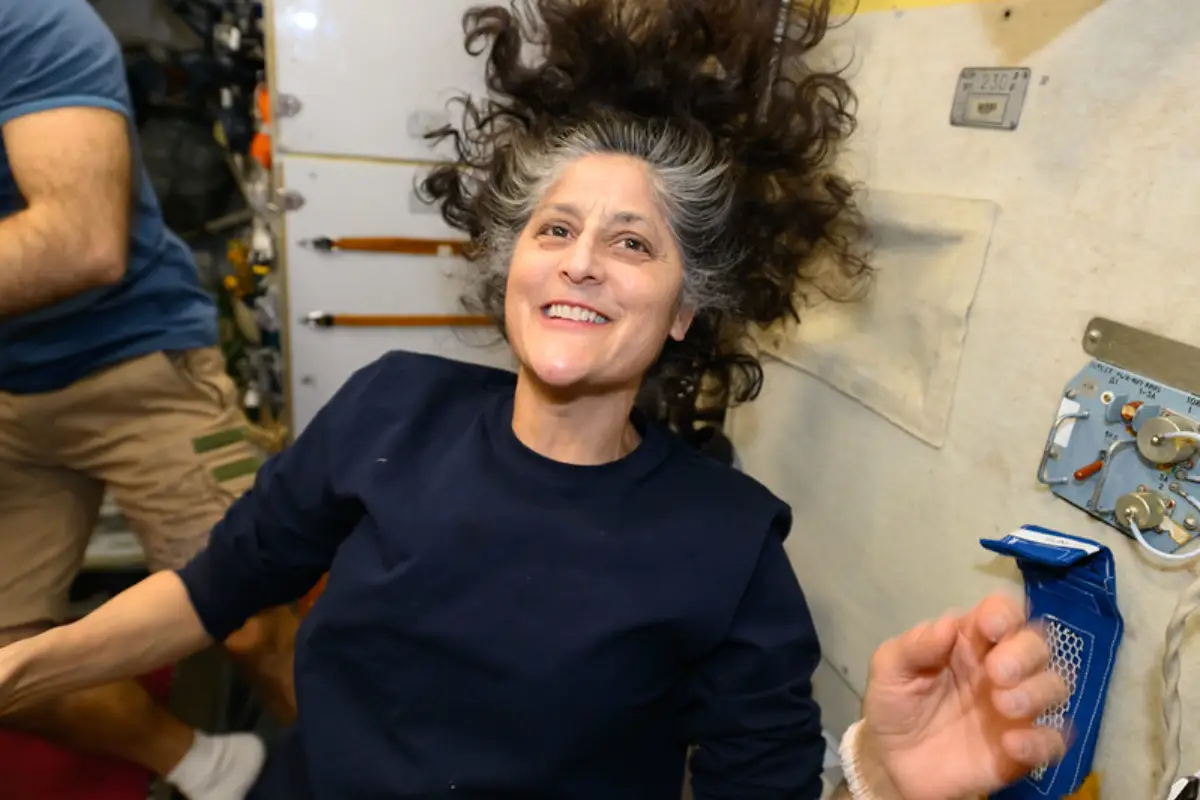
    NASA astronaut Sunita “Suni” Williams retired on December 27, 2025, closing a 27-year career that reshaped how long humans can live and work in orbit. Across three missions to the International Space Station (ISS), Williams spent 608 days in space, ranking second among NASA astronauts for total time off Earth, behind Peggy Whitson, who has spent 695 days. Williams leaves NASA after serving as a station commander, test pilot, spacewalker, and steady hand during one of the agency’s most difficult crewed missions.

    “Anyone who knows me knows that space is my absolute favorite place to be,” said Williams to NASA. “It’s been an incredible honor to have served in the Astronaut Office and have had the opportunity to fly in space three times. I had an amazing 27-year career at NASA, and that is mainly because of all the wonderful love and support I’ve received from my colleagues.”

    Born in 1965 in Euclid, Ohio, Williams grew up in Massachusetts in a family that valued science and discipline. Her father, a neuroanatomist from Gujarat, India, encouraged curiosity early. She later earned a degree in physical science from the U.S. Naval Academy and a master’s in engineering management from Florida Institute of Technology. Before joining NASA in 1998, she built a long Navy career, flew more than 40 aircraft types, and logged over 4,000 flight hours. That background shaped her calm approach to high-risk missions.

    Williams first flew to the ISS in 2006 aboard Space Shuttle Discovery. During a 195-day stay, she completed four spacewalks and helped rewire the station’s power systems. She also became the first person to run a marathon in orbit, finishing the Boston Marathon on a treadmill while circling Earth.

    Her second mission in 2012 marked a new chapter. Williams commanded the ISS, repaired a failing coolant system during spacewalks, and completed a full triathlon using onboard exercise gear. The mission showed how astronauts protect muscle and bone health during long stays in microgravity.

    Her final flight, launched in 2024 on Boeing’s Starliner, tested that experience to the limit. The mission, planned as a short demonstration, stretched to 286 days after thruster failures and helium leaks delayed the spacecraft’s return. Williams and fellow astronaut Butch Wilmore joined the station crew, adjusted schedules, and kept operations stable. She commanded the ISS again and completed two more spacewalks, raising her career total to nine and setting a new record for women.

    Williams also supported long-term research on fluid behavior and human health in orbit. That work continues to guide NASA’s plans for future Moon missions under Artemis. In retirement, she is expected to advise space programs and promote science education. Her career shows how preparation, adaptability, and teamwork keep human spaceflight moving forward.

  • NASA’s Artemis II rocket and Orion spacecraft have reached Launch Pad 39B

    NASA’s Artemis II rocket and Orion spacecraft have reached Launch Pad 39B

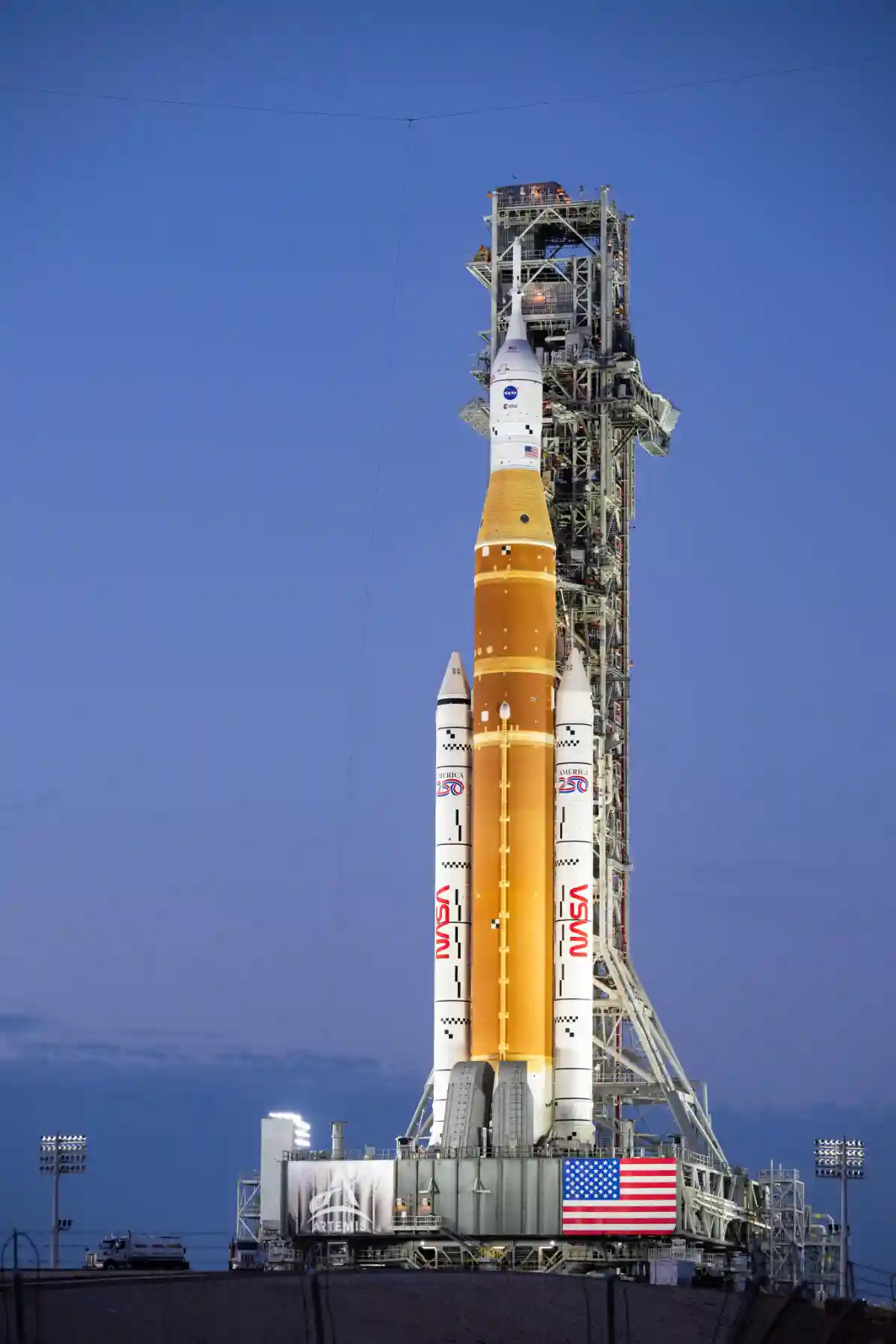
    NASA has moved the Artemis II rocket and Orion spacecraft to Launch Pad 39B, marking a major step toward the first crewed flight to lunar space in more than five decades. The rollout finished at 6:42pm ET on January 17, 2026, at Kennedy Space Center in Florida, placing the vehicle where final ground testing will determine launch readiness.

    NASA's Space Launch System (SLS) rocket on a crawler transporter.
    NASA’s Space Launch System (SLS) rocket on a crawler transporter. Image credit: NASA Administrator Jared Isaacman via X

    The Space Launch System (SLS) rocket traveled about four miles from the Vehicle Assembly Building to the pad. The trip took nearly 12 hours and used NASA’s crawler-transporter, a tracked vehicle first built for the Apollo program and later upgraded. The crawler carried the 11-million-pound rocket stack at under one mile per hour. Teams paused during the move to adjust the crew access arm, which astronauts will use to enter the Orion capsule before launch.

    With the rocket now secured at the pad, engineers have begun pad integration work. Crews will connect power, communications, cooling, and fueling systems. These steps confirm that the rocket and spacecraft operate correctly outside the assembly building and under real launch conditions.

    The next major milestone is the wet dress rehearsal, planned no later than February 2. During this test, teams will load more than 700,000 gallons of liquid hydrogen and liquid oxygen into the rocket’s tanks. They will run through a full launch countdown and stop just before engine ignition. Afterward, they will drain the propellants. If teams identify leaks, valve issues, or timing problems, NASA may repeat the test or roll the rocket back for repairs. Officials have said safety decisions will override schedule targets.

    Artemis II will carry four astronauts. Reid Wiseman will serve as mission commander, with Victor Glover as pilot and Christina Koch as mission specialist. Canadian Space Agency astronaut Jeremy Hansen completes the crew. The mission will last about 10 days and send the astronauts on a loop around the Moon, reaching nearly 280,000 miles from Earth. Glover will become the first Black astronaut to travel beyond Earth orbit, and Hansen will be the first Canadian to do so.

    The mission will not include a lunar landing. Instead, it will test Orion’s life support, navigation, and heat shield systems with a crew onboard. Orion will reenter Earth’s atmosphere at about 25,000 miles per hour, placing heavy demands on the spacecraft’s thermal protection.

    Artemis II follows the uncrewed Artemis I mission in 2022 and supports NASA’s plan to return astronauts to the Moon later this decade. Data from this flight will guide future missions aimed at long-term human activity near the Moon’s south pole and beyond.

  • EtherealX Raises $20.5 million in a Series A Funding, Adding Momentum to India’s Private Space Sector

    EtherealX Raises $20.5 million in a Series A Funding, Adding Momentum to India’s Private Space Sector

    EtherealX, a Bengaluru-based space launch startup, has raised $20.5 million in a Series A funding round, raising its valuation to $80.5 million, according to TechCrunch. The funding places the company among the more highly valued private launch vehicle firms emerging from India’s growing commercial space sector.

    The round was led by TDK Ventures, with participation from BIG Capital. The investment reflects rising interest in reusable launch systems developed by private Indian companies, following regulatory reforms that opened the sector to non-government players in 2020.

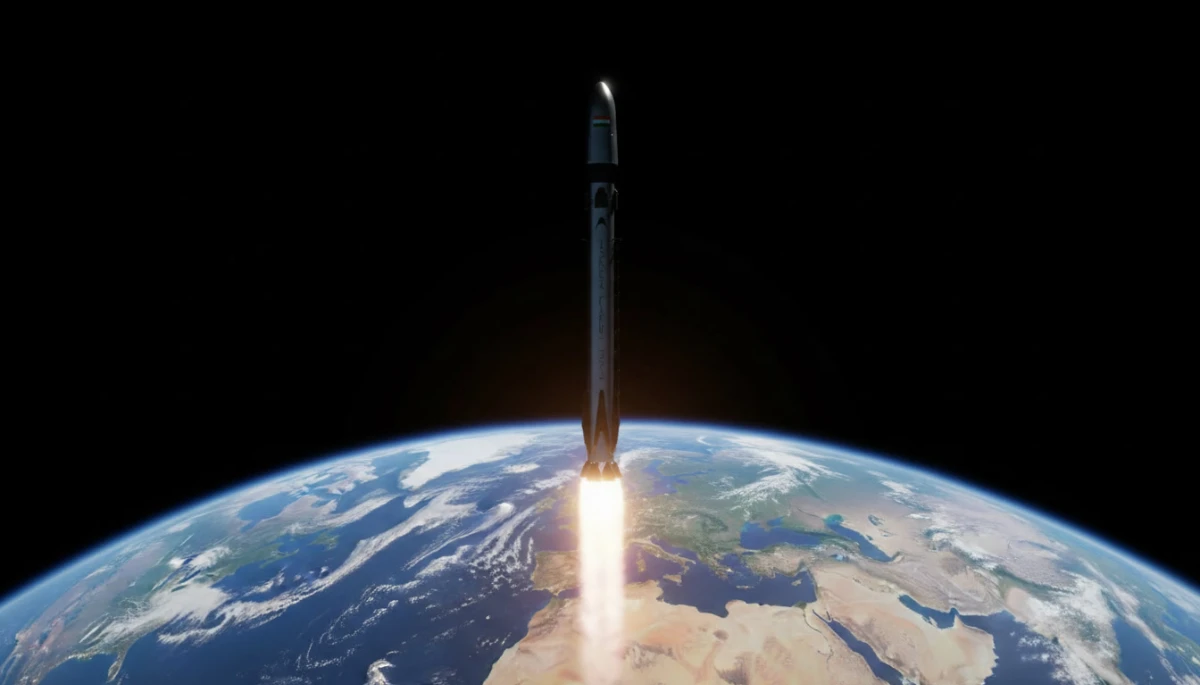
    EtherealX is developing a fully reusable orbital launch vehicle aimed at reducing launch costs through repeated use of the booster stage, like SpaceX but cheaper! The company plans to recover and relaunch its rockets rather than discard them after a single flight, a method that has reshaped launch economics in other markets.

    The vehicle will rely on two methane-fueled engines built in-house. The Pegasus engine, producing 80 kilonewtons of thrust, is intended for the upper stage. The larger Stallion engine, with 1.2 meganewtons of thrust, will power the booster. Both engines use liquid oxygen and methane, a propellant combination that supports cleaner burns and simpler refurbishment compared to older fuel systems.

    EtherealX plans to begin hot-fire engine testing in mid-2026. These ground-based tests are designed to run the engines under launch-like conditions to verify performance, thermal limits, and control behavior. A demonstration flight is targeted for late 2027, subject to test outcomes and regulatory approvals.

    To support manufacturing and testing, the company has secured about 150 acres of land in Andhra Pradesh for a dedicated rocket development campus. The facility is expected to consolidate engine production, vehicle assembly, and test operations at a single location. EtherealX aims to begin commercial launches by 2028.

    The funding comes amid broader growth in India’s private space ecosystem. ISRO has completed more than 400 satellite launches, while startups such as Skyroot Aerospace and Agnikul Cosmos have carried out suborbital and early orbital test flights. Private launch providers are expected to play a larger role in meeting demand for small and medium satellite missions.

    Reusable launch vehicles could help Indian firms compete in a global launch services market. Lower launch costs may also expand access for scientific research missions, Earth observation programs, and communications satellites.

    EtherealX faces technical and schedule risks common to launch vehicle development, including engine reliability, reentry heating, and landing precision. Progress in upcoming engine tests will be a key indicator of the company’s ability to move toward flight operations.

  • From 51 Marks in Math to Building India’s First Private Rocket Company, Here’s the Story of Pawan Kumar Chandana

    From 51 Marks in Math to Building India’s First Private Rocket Company, Here’s the Story of Pawan Kumar Chandana

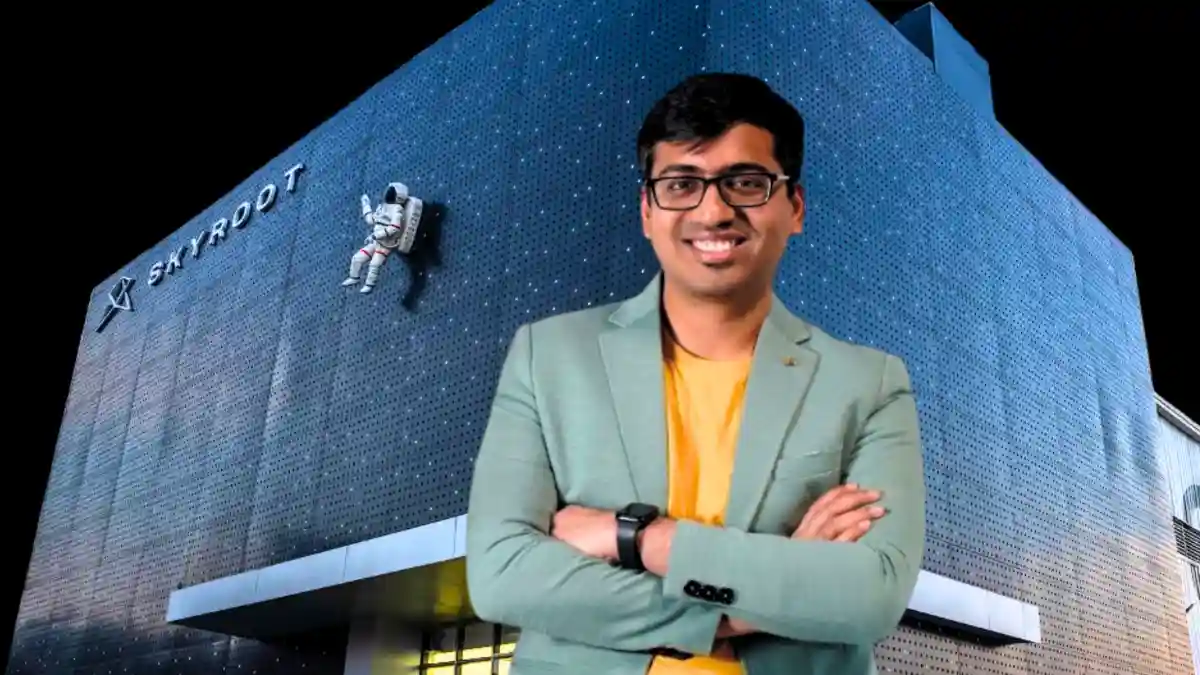
    Pawan Kumar Chandana grew up in a middle-class home in Visakhapatnam, struggled with academics, and once scored just 51 marks in mathematics. Two decades later, he co-founded Skyroot Aerospace, the first private space startup from India to launch a rocket, placing the country in a rare global club dominated by the US, China, and Japan.

    Chandana’s journey began far from launchpads and clean rooms. As a school student, he was known more for poor grades than promise. His father refused to give up and enrolled him in IIT coaching. Something clicked. Chandana developed a genuine interest in math and science, improved rapidly, and cleared the IIT entrance exam (JEE) on his first attempt. In 2007, he joined IIT Kharagpur to study mechanical engineering.

    While many of his peers chased consulting roles, foreign degrees, or high-paying jobs, Chandana fixated on rockets. In 2012, he joined ISRO straight out of campus. The pay was modest, but the work mattered to him. He performed well and imagined spending his entire career there.

    That plan changed when his long-standing interest in entrepreneurship returned. Chandana wanted to build a global space company from India. At the time, private rocket launches were not allowed, and funding for space startups barely existed. In 2018, he resigned from ISRO without a safety net.

    He had no startup background and no investor network. He searched online to understand how equity worked. After several dead ends, he cold-messaged Mukesh Bansal on LinkedIn. Bansal invested $1.5 million, giving Skyroot its first lifeline.

    The next few years were rough. COVID slowed progress. Cash ran low. Venture funds declined to invest. Support finally came from the founders of Greenko, a renewable energy firm. Policy reform followed soon after. In 2021, the Indian government opened the space sector to private players. Skyroot became the first startup to sign an MoU with ISRO and later raised $51 million, the largest check in Indian deep-tech at the time.

    On November 18, 2022, Skyroot launched Vikram-S, India’s first private suborbital rocket, reaching an altitude of 90 kilometers. The company now employs around 1,000 people, runs India’s largest rocket factory spanning 200,000 square feet, and is valued at about $527 million. Its first orbital launch, Vikram-1, is scheduled for 2026.

    Skyroot’s rise shows that high-risk space technology can grow from India without inherited wealth or early policy support. If successful, it could reshape how the country participates in the global launch market and inspire a new generation to look beyond safe careers and aim higher, literally.

    Story Source: This man who grew up in middle class India literally built the only startup outside US/China/Japan that sent rockets to space.

  • Mouse From Shenzhou-21 Space Mission Gives Birth to Healthy Pups on Earth
    Mouse From Shenzhou-21 Space Mission Gives Birth to Healthy Pups on Earth
    A female mouse that spent two weeks aboard China’s Tiangong space station has given birth to healthy pups back on Earth, offering fresh evidence that short space missions may not disrupt mammal reproduction. The birth followed the Shenzhou-21 mission, which launched on October 31, 2025, and returned on November 14. Scientists designed the mission to test how small mammals cope with microgravity, stress, and tight living conditions in orbit.

    China sent four mice into space inside a custom-built habitat. The system supported food, water, air flow, and waste control while cameras and AI software tracked movement, sleep, and feeding patterns around the clock. Researchers wanted clear answers to a basic question. Can mammals survive spaceflight and still reproduce normally after they return?

    The mission faced a real test when launch schedules shifted and supplies ran low. Engineers and astronauts responded fast, sending extra water and safe food substitutes, including soy-based nutrition. The mice adapted without health issues, and monitoring showed stable behavior until landing.

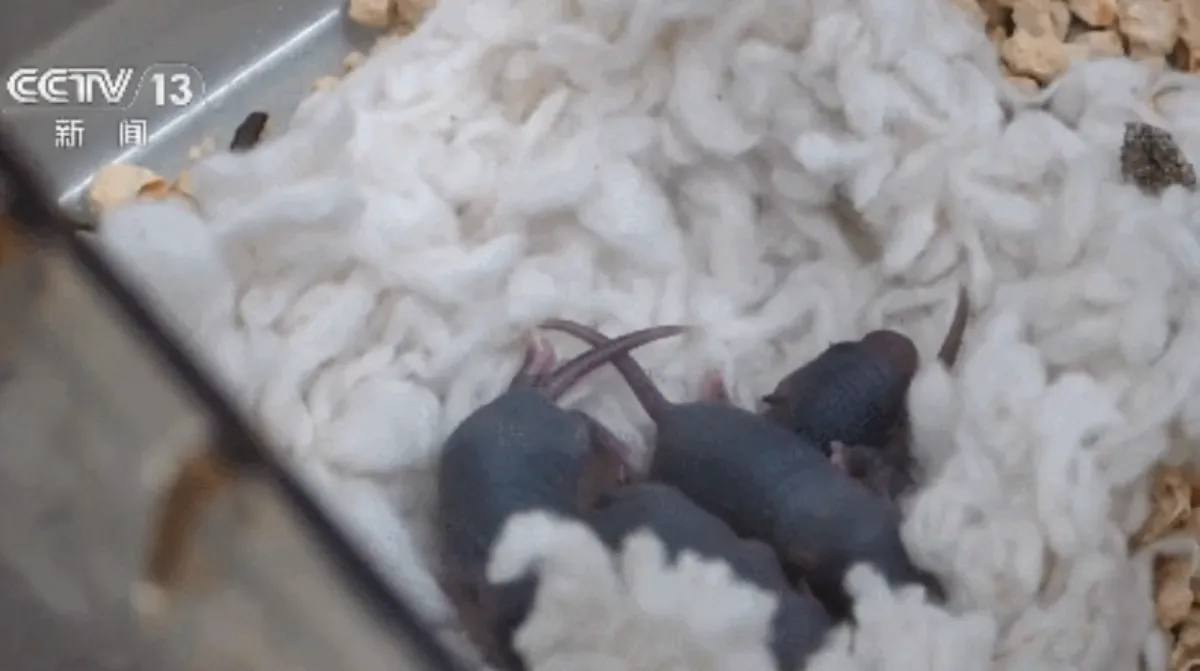
    After the mice returned to Earth, one female soon became pregnant. On December 10, 2025, she delivered nine pups. Six survived, which matches normal birth outcomes seen in ground labs. Care behavior appeared normal, and early checks showed the pups active and healthy.

    For space scientists, this result matters because long missions depend on biology working as expected. Human crews heading to the Moon or Mars will face months or years away from Earth. Reproduction, hormone balance, and early development remain open questions in low-gravity and radiation-rich environments. Animal studies help answer those questions before humans face the risks.

    Past experiments with fish, frogs, fruit flies, and rodents showed that space can alter growth patterns and gene activity. Some changes reversed after return, while others lingered. This mouse birth adds a missing piece by showing that fertility and early care can remain stable after a short stay in orbit.

    Researchers now track the pups as they grow, watching for shifts in health, movement, or behavior. They also plan breeding tests to see if space exposure affects the next generation. Those results will guide future mission design, habitat shielding, and life-support planning.