Tag: ISS

  • Moss spores survive nine months outside the ISS and still grow back on Earth

    Moss spores survive nine months outside the ISS and still grow back on Earth

    Scientists exposed a common moss to the harsh environment of space for 283 days outside the International Space Station, then brought it back to Earth and found that most of its spores could still grow, proving that some simple plants can survive vacuum, radiation, and extreme temperature changes. The test was done as part of Japan’s Tanpopo-4 mission, with samples attached to the outside of the ISS and later returned in January 2023 to see how much life remained.

    The moss, called Physcomitrium patens, belongs to a group of tiny plants known as bryophytes. These were some of the first plants to live on land hundreds of millions of years ago. They do not have seeds or deep roots, yet they adapted to life with little protection. Researchers wanted to know if that early toughness still worked under space conditions.

    Before sending the moss into space, the team tested different parts of it on Earth. They looked at the fine green strands that grow first, the hard resting cells formed during dry periods, and the spores inside a small capsule on the plant. The spores performed far better than the rest.

    When hit with strong ultraviolet light, the green strands died at low levels, but the spores survived even when the dose was more than a thousand times higher. After 30 days at minus 80 degrees Celsius, only the spores stayed alive. After a month at 55 degrees Celsius, the main plant parts died, but more than a third of the spores still lived. This made the spores the top choice for the space test.

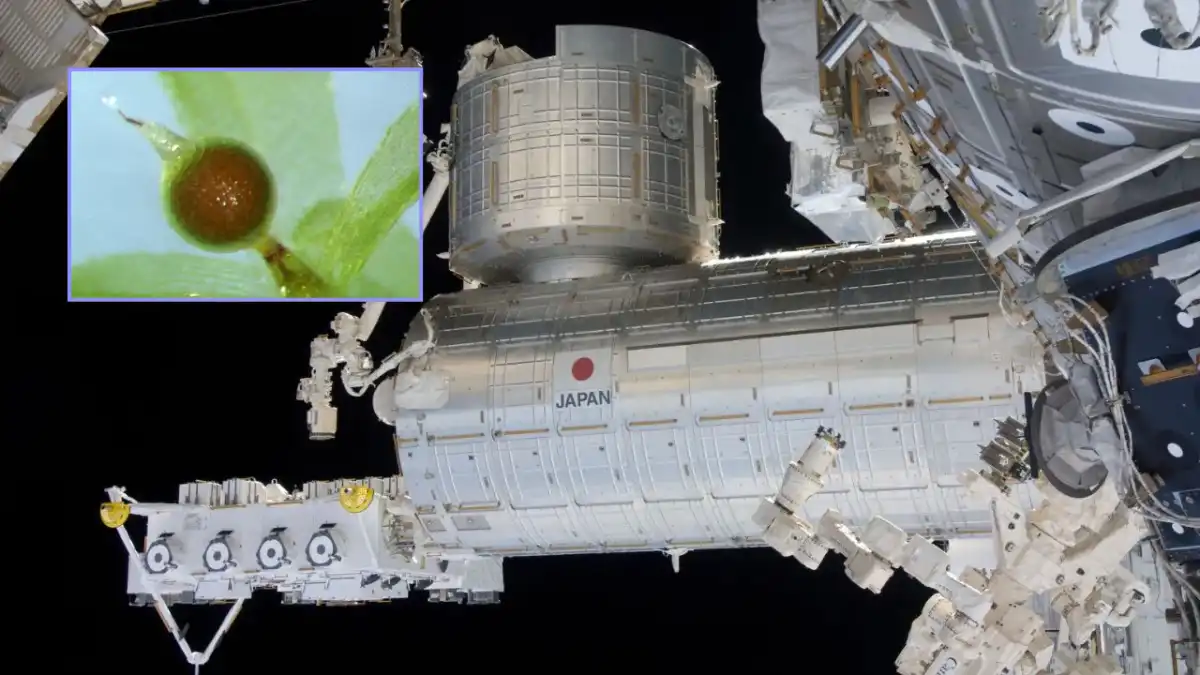
    Researchers fixed dried moss capsules into small aluminum holders on the outside of the Kibo module of the ISS. A sticky material made from bacteria held them in place. Some samples were fully exposed to sunlight, including strong UV. Some were covered with filters that blocked UV. Others were kept in darkness as a control.

    The samples stayed there for 283 days. They went through the vacuum of space, strong cosmic radiation, and fast temperature shifts that moved from around minus 50 to plus 60 degrees Celsius. When they returned to Earth, the results surprised even the scientists.

    The dark control samples, both on Earth and in space, showed about 95 to 97 percent growth. The samples exposed to visible and infrared light showed about 97 percent growth. Even the samples hit with full solar UV had an 86 percent success rate. Only strong UV light caused noticeable damage, and even then, most spores remained alive.

    Using these results, the team estimated that if the spores stayed under similar UV levels in space, about 10 percent would still survive after roughly 15 years. This is based on a simple calculation from limited data, so it is only an estimate.

    There were some changes. The outer layers of the moss capsules lost around 20 percent of their main green pigment, even in areas without UV. Scientists believe strong sunlight, not filtered by Earth’s atmosphere, caused this effect. Other pigments showed little or no change.

    The findings could matter for future space missions. Moss does not need deep soil. It can grow in low light and help make oxygen. If used on the Moon or Mars, it could help start the slow process of turning dust and rock into something more like soil. That could support other plants later.

    Source: Extreme environmental tolerance and space survivability of the moss, Physcomitrium patens

  • Antarctica study tracks how Brain Fog from Winter Isolation could guide future Space Travel

    Antarctica study tracks how Brain Fog from Winter Isolation could guide future Space Travel

    Antarctica’s long, dark winters are taking a measurable toll on the minds and bodies of those who live and work there, according to a new study that researchers say could help prepare astronauts for life beyond Earth.

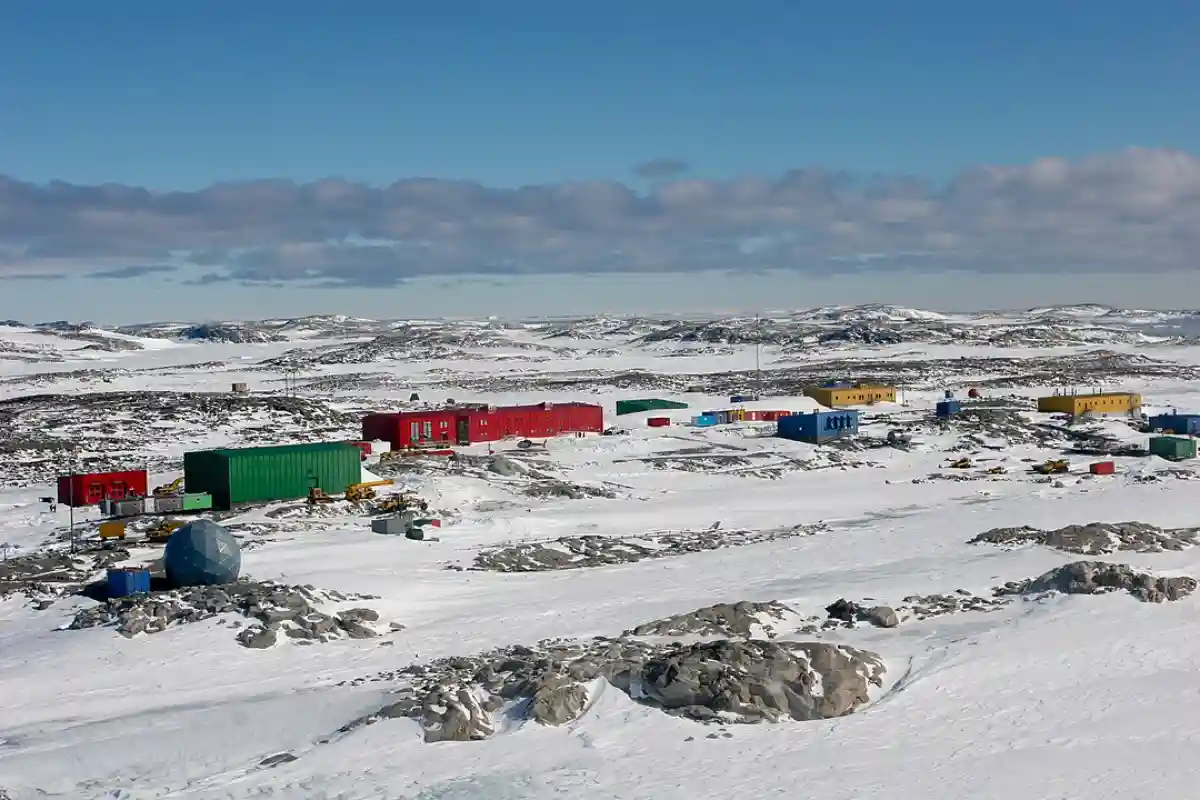
    Medical officers and expedition staff at Australia’s Casey Station have reported lapses in memory, reduced focus, and even weaker senses of taste and smell after months of cold and isolation, conditions that scientists are now closely monitoring with the help of wearable devices and cognitive tests.

    Dr. Meg O’Connell, who worked as the base’s medical officer at Casey Station for six months, tracked her own decline through regular brain function tests.

    She says even medical staff were not immune to the winter dip, which past research has linked to changes in the hippocampus, the part of the brain tied to memory. Studies have also shown that reduced sunlight and social isolation affect brain chemistry, contributing to feelings of fog and fatigue.

    The research involves monthly health checks on participants using BioStickers, small monitors worn on the chest that record heart rate, sleep, and activity for several days. After that, crew members complete short computer-based tests of memory and attention.

    Together, the data show how cognition and mood fluctuate across the long polar night. Thomas Whyte, an electrician at the station, described how the darkness, cold, and distance from family weighed on him before conditions improved with the return of light.

    Scientists point out that these patterns mirror problems faced in space. Astronauts aboard the International Space Station (ISS) often experience disrupted sleep, stress from isolation, and shifts in circadian rhythm without normal day-night cues. The Antarctic study is being run with support from NASA’s Translational Research Institute, which is comparing the results to astronaut health data.

    The overlap is intentional. Just as expeditioners in Antarctica depend on technology to survive, space crews heading for the Moon or Mars will rely on systems that support life in isolated, stressful environments. The same BioStickers and cognitive tools are already used during SpaceX missions, but Antarctica offers researchers a larger group of volunteers than the handful of astronauts in orbit.

    Previous space analog projects, such as the HI-SEAS Mars simulations in Hawaii, have examined how small crews handle isolation. The Antarctic data adds another layer, showing how low light and months of confinement affect not only mood but also the gut-brain connection, which may influence cognition and behavior.

    Researchers believe these findings could directly inform plans for long-term missions. A base on the Moon, for instance, would experience nights lasting two weeks, creating new challenges for mental health.

    Mars crews would face trips of six months or more, where stress and isolation may hit before radiation becomes the larger concern. Strategies such as rotating tasks based on when cognition is strongest or using light therapy to mimic Earth’s day-night cycle are now being considered.

    For those living through the Antarctic winter, the study also offers a sense of purpose. Dr. O’Connell said that contributing to research with global applications gave her team motivation during the hardest months. With the project continuing for another year, scientists say the lessons learned from the ice may help humanity go further into space.

    Source: Astronauts to benefit from brain tests in Antarctica

  • Space Travel May Accelerate Aging, Study Warns as NASA Prepares for Long Missions

    Space Travel May Accelerate Aging, Study Warns as NASA Prepares for Long Missions

    A new study examining mice, human cells, and astronaut samples has found that space travel triggers biological changes similar to aging, raising concerns for future missions to the Moon and Mars. The research, which analyzed data from NASA, JAXA, and the civilian Inspiration 4 flight, shows how microgravity, radiation, and isolation affect genes tied to muscle loss, immunity, and metabolism.

    Scientists have long known that space weakens muscles and bones, but this work connects those changes to frailty, a syndrome linked to reduced resilience in older adults. The findings come from gene expression studies of rodents flown on the International Space Station (ISS), astronauts on extended missions, and ground-based simulations such as bed rest. The results reveal overlaps with aging processes on Earth.

    Microgravity caused muscle atrophy and bone thinning, while radiation damaged DNA. Genes involved in inflammation and energy regulation shifted in patterns familiar from age-related decline. For example, mouse muscles like the soleus showed upregulation of inflammatory pathways. Similar activity appeared in humans placed in bed rest conditions designed to mimic weightlessness.

    Data from JAXA astronauts and the Inspiration4 crew reinforced these results. Blood samples revealed heightened activity of immune and stress-related genes during and after flight. One marker, AKT1, stayed elevated after return to Earth, linking to cardiovascular problems seen in older populations. Even the short Inspiration4 mission showed early signs of inflammatory responses.

    The study highlighted sarcopenia, or age-related muscle loss, as a key overlap. Astronauts lose up to 20% of muscle mass during six months on the ISS, despite strict exercise routines. The research identified shared genes, including GJB4, in both spaceflight atrophy and age-related decline, suggesting common pathways behind muscle weakening.

    Metabolism also shifted in space-exposed cells. Lipid processing slowed in some cell types while accelerating in others, echoing how mitochondria falter during aging. These changes may worsen during long missions to Mars, where cosmic radiation exposure is higher and shielding is limited.

    Researchers say tracking frailty markers in astronauts could help flag risks before symptoms appear. This could guide countermeasures such as anti-inflammatory drugs or metabolic treatments. The team argues that insights from aging medicine may support astronaut health during voyages lasting years.

    The work also links space biology to broader health research on Earth. Telomere shortening, immune stress, and DNA instability seen in astronauts mirror problems in high-stress occupations and aging populations. By studying the extreme environment of space, scientists hope to find tools for healthier aging at home.

    With NASA’s Artemis program and SpaceX’s Mars plans advancing, experts warn that solving these medical challenges is as urgent as building rockets. Protecting astronauts from accelerated aging effects could determine the success of long-duration exploration.

    Source: Nanobioreactor detection of space-associated hematopoietic stem and progenitor cell aging

  • Magnets Could Revolutionize Space Water Electrolysis, New Study Shows

    Magnets Could Revolutionize Space Water Electrolysis, New Study Shows

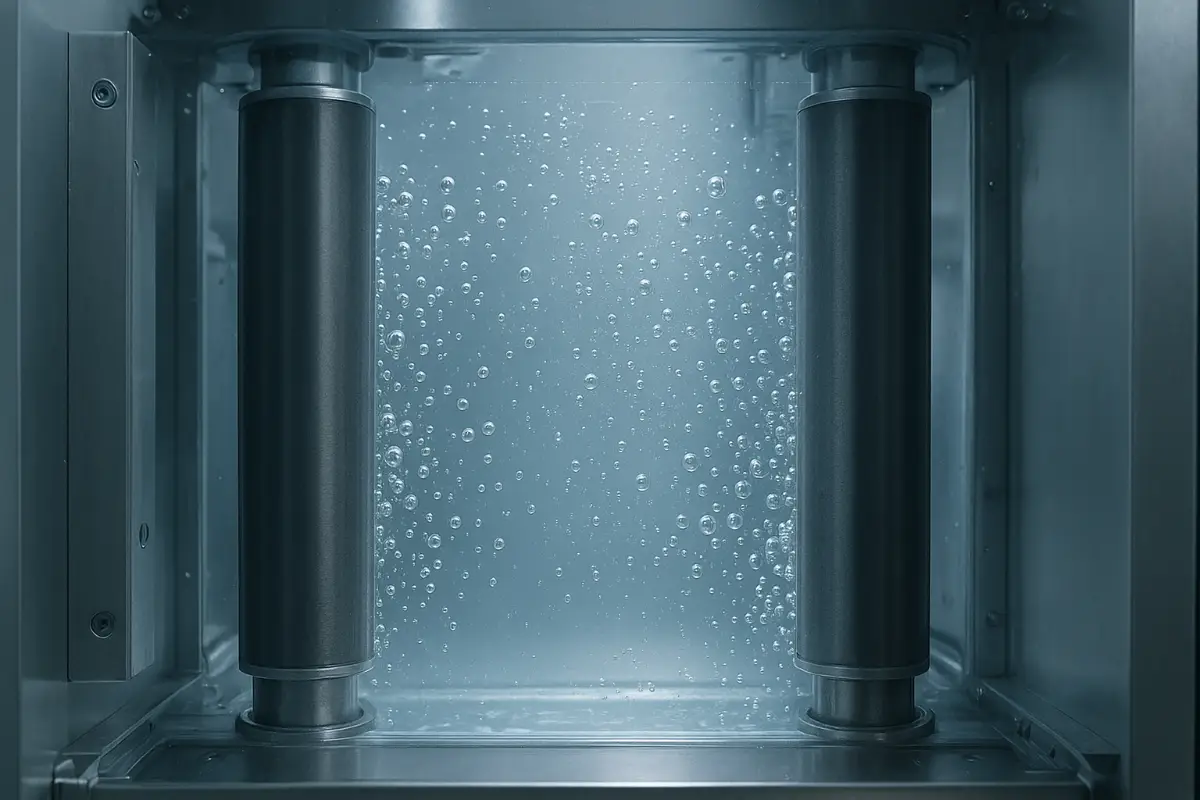
    German researchers have found a way to make water electrolysis far more efficient in space by using magnets instead of heavy machinery. The experiments, carried out at the Bremen Drop Tower, showed that simple magnetic fields can move gas bubbles away from electrodes in microgravity, boosting oxygen and hydrogen production without pumps or centrifuges.

    On Earth, gravity pulls bubbles off the electrodes during electrolysis, keeping the process efficient. In orbit, bubbles cling to the electrodes, blocking reactions and slowing production. Current systems on the International Space Station (ISS) use complex pumps and centrifuges to separate the gases, but these consume a lot of power and raise the risk of breakdowns.

    The research team tested their idea by running electrolysis in free-fall conditions that mimic space. They used platinum and iridium oxide electrodes with acidic electrolytes. Without magnets, current densities fell sharply as bubbles piled up. With a neodymium magnet nearby, hydrogen output jumped by up to 240% because bubbles detached more easily.

    “One may think that extracting gas bubbles from liquids in space is as simple as opening a can of soda here on Earth. However, the lack of buoyancy makes the extraction process incredibly difficult, undermining the design and operation of oxygen production systems,” said Álvaro Romero-Calvo, an assistant professor at Georgia Tech, in a statement.

    The effect comes from two magnetic forces. The Lorentz force, which results when electric currents cross magnetic fields, stirs the liquid and sweeps bubbles clear. The magnetic polarization force, which acts on the weak magnetic properties of the electrolyte, pushes bubbles toward the magnet. At low currents, the polarization effect dominates, while at higher currents, Lorentz-driven vortices take over.

    To test real-world use, the researchers built a proton-exchange membrane (PEM) cell with platinum meshes and magnets on each side. In simulated microgravity, it produced gas at nearly the same efficiency as on Earth. Video footage showed bubbles detaching smoothly and collecting near the magnets, removing the need for pumps or moving parts.

    They also built a cylindrical design where the Lorentz force spins the electrolyte into a vortex. Gas bubbles naturally drifted to the center and escaped, while the liquid stayed along the walls. The setup required only 0.1 milliwatts of extra power, far less than the electrolysis itself.

    If proven in long-term tests, the approach could transform life-support systems for future missions to the Moon or Mars. Lighter, simpler equipment would save mass and power while reducing the risk of failure in deep space. The Bremen Drop Tower only provides nine seconds of weightlessness, but the results matched theoretical predictions. The team now aims to test the system during parabolic flights or on the ISS.

    For astronauts, reliable oxygen generation is non-negotiable. Magnets may offer a direct way to keep supplies flowing without the mechanical complexity that current systems demand.

    Source: Magnetically induced convection enhances water electrolysis in microgravity

  • Could Humans Have Babies in Space? A New Study Suggests Frozen Sperm Cells Might Make It Possible

    Could Humans Have Babies in Space? A New Study Suggests Frozen Sperm Cells Might Make It Possible

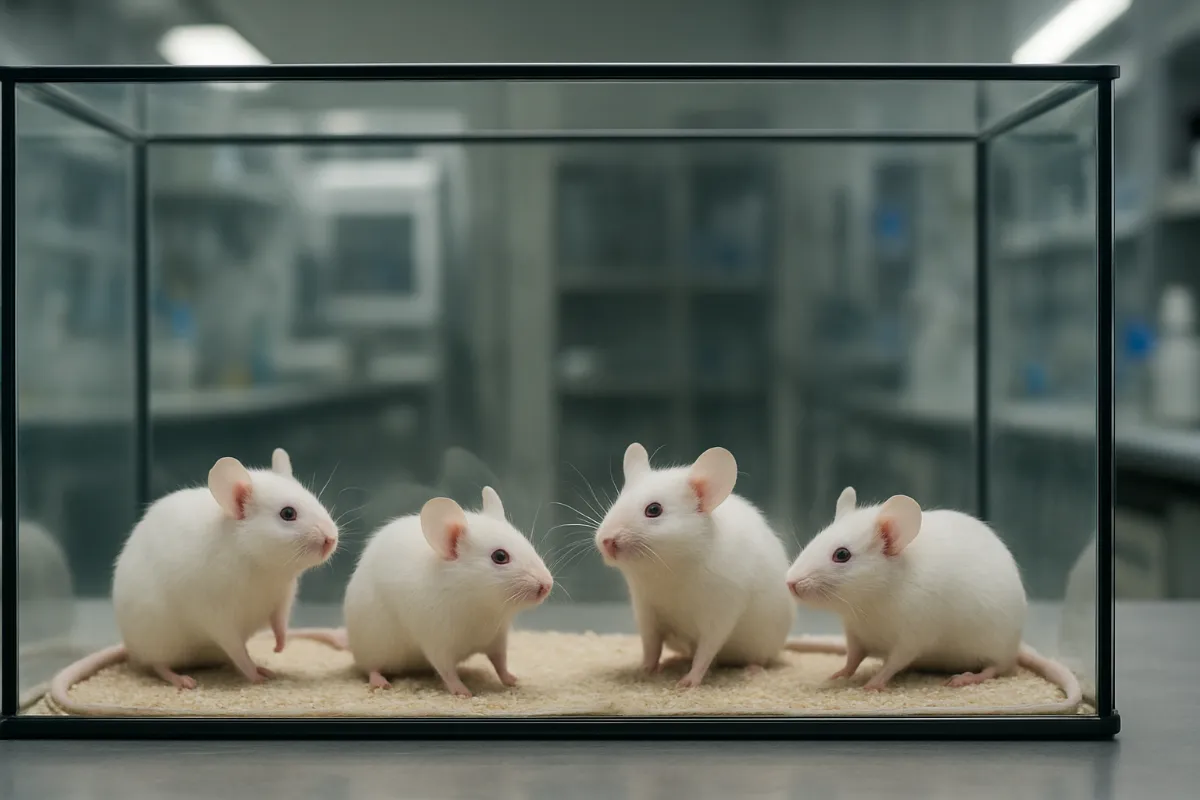
    Mouse stem cells kept frozen for six months aboard the International Space Station (ISS) have produced healthy offspring after being returned to Earth, according to a new study. The research, carried out by Japanese scientists, tested whether space radiation and microgravity would damage the genetic material that creates sperm, a question that matters for future long-duration missions beyond Earth orbit.

    The team focused on spermatogonial stem cells, the type that develops into sperm. They froze and stored some samples in space at about -80°C, while keeping others on Earth as a control. The orbiting cells faced additional exposure to cosmic radiation, roughly 0.31 milligray per day. After the mission, researchers thawed the samples and examined them for DNA breaks and growth defects.

    Surprisingly, the frozen space samples showed no greater DNA damage than the ones stored on Earth. Tests suggested that freezing itself acted as a shield, reducing harmful chemical reactions that radiation normally triggers. When the researchers exposed thawed and frozen cells to radiation in the lab, frozen ones consistently resisted damage better.

    Both the space and ground cells grew normally once thawed. They divided at the same pace, formed healthy clusters, and showed no unusual genetic activity. To test their function, scientists transplanted the cells into infertile mice. The cells successfully settled in, produced sperm, and supported natural reproduction.

    The most direct test came when offspring were born. Mice fathered with sperm derived from space-stored stem cells were healthy, carried normal gene patterns, and developed without abnormalities. Over five months, their litter sizes and birth intervals matched those from Earth-based cells. Checks of the pups’ DNA and liver genes confirmed no defects.

    The study is an early step in understanding how cosmic radiation affects reproductive biology. On the ISS, shielding protects astronauts, but missions to Mars would involve higher doses. The findings suggest that freezing reproductive cells may preserve fertility during long journeys.

    Earlier studies showed that embryos and other stem cells suffer more damage in orbit, but spermatogonial stem cells appear unusually resilient. Researchers think their DNA repair systems activate after thawing, allowing them to correct damage.

    Still, the six-month experiment is limited. Frozen cells cannot repair themselves during storage, so damage could accumulate over longer periods. The team plans to study whether offspring from space-exposed cells remain healthy later in life and whether the next generation inherits any changes.

    For humans, this could mean that storing frozen reproductive cells before deep space travel might help protect fertility. But the researchers caution that results from mice cannot be directly applied to people without more evidence. The work links space science and biology in a practical way: ensuring that life can continue beyond Earth, even in the harshest environments.

    The study was published in the journal Stem Cell Reports.

  • Welsh Artist’s Plush Toy Could Fly on NASA’s Artemis II Lunar Mission as Zero-Gravity Indicator

    Welsh Artist’s Plush Toy Could Fly on NASA’s Artemis II Lunar Mission as Zero-Gravity Indicator

    A young artist from Wales could soon see her creation float around the Moon. Courtney John, a 27-year-old graphic designer from Llanelli, is one of 25 finalists in a NASA contest that could place her toy aboard the Artemis II mission in April 2026. The plush figure, titled “Past, Present, and Future,” is intended to help astronauts spot true weightlessness during the spacecraft’s orbit around the Moon.

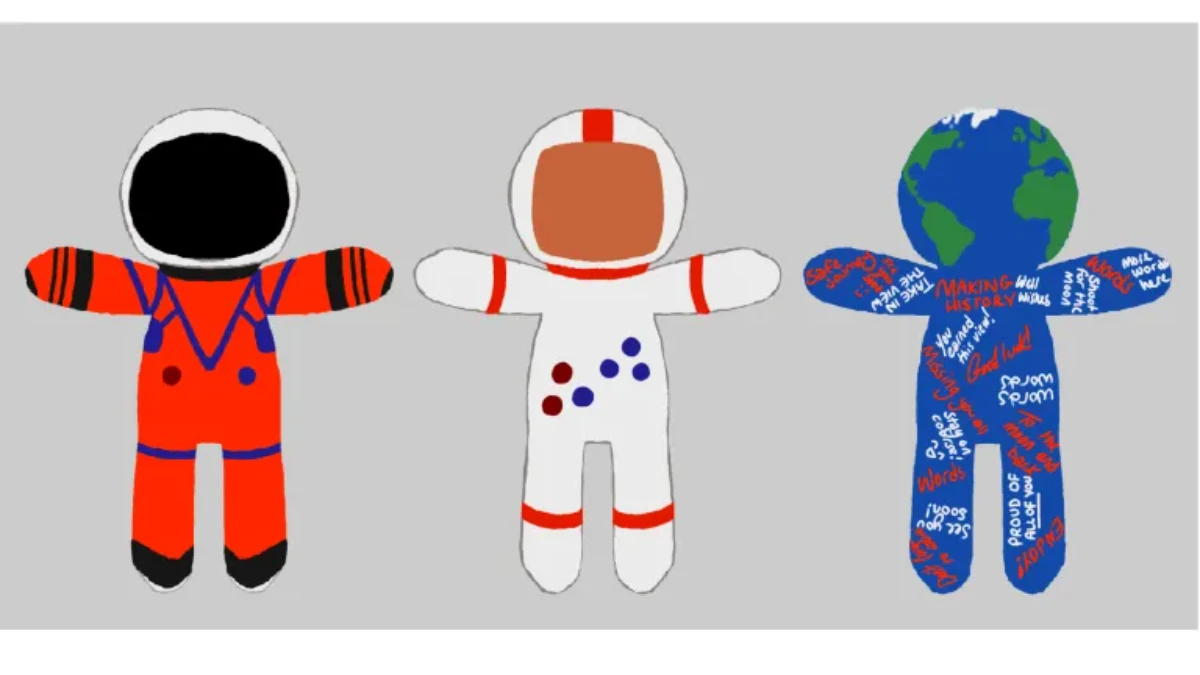
    John’s toy consists of three linked human-like figures, each representing a different era of space travel. The first figure wears a suit modeled after Apollo 17, the last moon landing in 1972. The second dons a modern Artemis mission suit, reflecting current lunar exploration.

    The third is a globe-headed figure, carrying handwritten notes from the Artemis II crew, symbolizing future missions. The toy is designed to float in microgravity, allowing astronauts to see when the spacecraft is in freefall around the Moon.

    NASA has used plush toys as zero-gravity indicators before, including a Snoopy doll on Artemis I in 2022. These toys are ideal because they are lightweight, safe, and unlikely to damage equipment if they drift inside the spacecraft. Zero-gravity indicators play an important role in helping astronauts observe when they are truly weightless, which occurs when the pull of gravity is balanced by the spacecraft’s orbital speed.

    Artemis II will carry four astronauts on a 10-day journey around the Moon, testing the Orion spacecraft for crewed lunar missions. The crew includes commander Reid Wiseman, pilot Victor Glover, mission specialist Christina Koch, and Canadian astronaut Jeremy Hansen.

    Glover will become the first Black astronaut to leave low-Earth orbit, while Koch will be the first woman on a lunar mission. The flight was delayed from late 2025 due to upgrades on Orion’s heat shield and other systems.

    The Artemis program aims to establish a long-term human presence on the Moon, with planned bases near the south pole. These bases could access water ice hidden in craters, which can be used for drinking water or split into rocket fuel, reducing the cost of future missions to Mars.

    Artemis III, scheduled for 2027, will land the first woman and a person of color on the lunar surface. Microgravity brings unique challenges, including floating fluids, weakened muscles, and difficulty handling objects, making zero-gravity indicators crucial for daily operations and experiments.

    John, who has long been fascinated by space, entered the contest run by Freelancer to design a toy that captures the spirit of exploration and unity. Being selected would allow her design to be built into a flight-ready toy for Artemis II, linking generations of astronauts and space enthusiasts through a single, floating figure.

  • “Iโ€™m thrilled!” Astrophotographer Captures the Rare ISS-Saturn Transit

    “Iโ€™m thrilled!” Astrophotographer Captures the Rare ISS-Saturn Transit

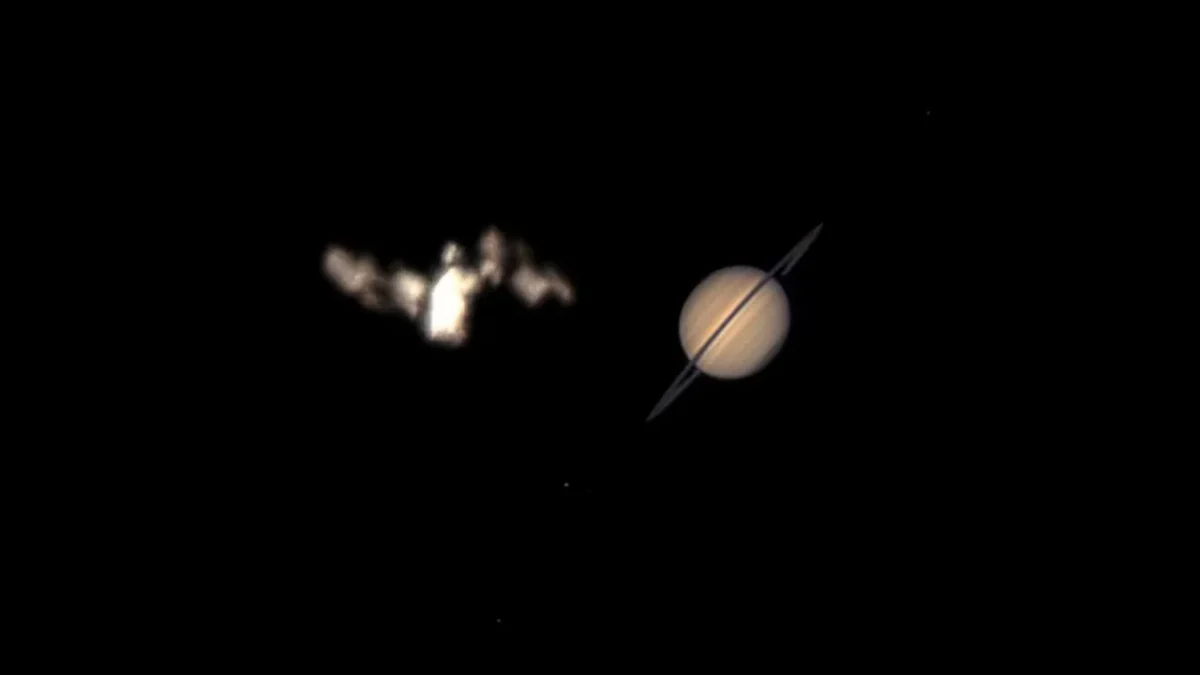
    Adam Smadi, a 20-year-old astrophotographer from Shoreline, Washington, captured a rare image of the International Space Station (ISS) passing in front of Saturn on the morning of July 6 (Eastern time), achieving a stunning visual alignment of two celestial objects 1.39 billion kilometers apart.

    After two days of meticulous planning and a 50-mile journey to a precise location, Smadi used the Stellarium app and coordinate calculations to pinpoint the exact spot where the ISS and Saturn would briefly appear to overlap from Earthโ€™s perspective. This fleeting event, known as a transit, marks a feat accomplished by only a handful of people worldwide.

    Single, raw Frame of ISS transiting Saturn.
    Single, raw frame of the ISS-Saturn transit captured on July 6, 2025. Image Credit: Adam Smadi

    Using a Celestron NexStar Evolution 9.25โ€ telescope and a ZWO ASI662MC camera with an IR685 and visible light blend, Smadi documented Saturnโ€™s iconic rings in vivid detail, though the ISS appears less sharp due to its significant distance from Earth at the time.

    Smadi, who previously photographed a rare solar eclipse on Saturn, noted that Saturnโ€™s dimmer appearance compared to the ISS results from the inverse square law of light, which causes surface brightness to drop rapidly with distance from the inner solar system. โ€œThe conditions were great, but the station was quite far, so itโ€™s not the sharpest. Still, Saturn looks amazing, and Iโ€™m stoked with the result,โ€ Smadi shared on Instagram.

    This remarkable image underscores the precision and dedication required in astrophotography, blending advanced technology, careful planning, and a deep understanding of celestial mechanics to capture a moment that bridges the vast distances of our solar system.

  • Astrophotographer Captures the ISS as It Transits a Flaring Solar Region

    Astrophotographer Captures the ISS as It Transits a Flaring Solar Region

    Arizona-based astrophotographer Andrew McCarthy, known for his creative and stunning astrophotos, has captured a remarkable image of the International Space Station (ISS) transiting the Sun, framed perfectly against a flaring solar region. This photograph reflects his technical mastery and relentless dedication.

    With over 1.5 million followers on Instagram and more than 400K followers on X, Andrew has made significant contributions to astrophotography and astronomy.

    ISS transiting the Sun, framed perfectly against an flaring solar region
    International Space Station (ISS) transiting the sun against a flaring solar region. Credit: Andrew McCarthy (@cosmic_background) via Instagram

    His recent capture of the ISS transit has captivated audiences on social media platforms, including Instagram and X (formerly Twitter).

    Commenting on his work, users on Instagram expressed their admiration, saying, “Your work is absolutely awesome. Thank you for sharing your patience, effort, and skills with the world.” Another user remarked, “This has to win an award. Where can I vote?”

    Andrew McCarthy shared the story behind the image in an exclusive interview with Wonders In Space.

    Here’s the full interview:

    What inspired you to attempt this particular shot?

    Andrew: I have always wanted to combine hydrogen alpha solar imaging with International Space Station transits and have previously attempted many with mixed results. This upcoming transit was the first that had a large active region towards the center of the disc, so I thought it was a great opportunity to try and get a really unique composition.

    Where did you go to capture the event, and when was it taken?

    Andrew: I went to a remote location in the middle of the Sonoran Desert, near Gila Bend, AZ. I had to get there via a dirt road, with many warning signs along the route about the dangers of the desert. I found a clearing amidst many Saguaro cacti and cholla plants where I set up my telescope. The best time to capture a transit like this is when the sun is right overhead, so it was captured shortly after noon in the heat of the day.

    What equipment and settings did you use?

    Andrew: I had several telescopes running for redundancy, but the main system I used was a modified Esprit 150 telescope with a Player One Apollo M-Max camera. The image was captured at 0.3 milliseconds, with 100 gain, and in 16-bit SER format for maximum quality.

    Were there any special preparations or difficulties you faced?

    Andrew: Definitely, the biggest challenge was the heat. I had a temp reading of 121ยฐ from my car’s exterior thermometer while I was working, and some of my equipment reached 130ยฐF. At those temps, computers shut down and cameras stop working right. These conditions have caused many previous attempts to fail. To mitigate this, I brought several ice packs and thermoelectric coolers to keep the electronics (and me) cool.

    How did it feel when you finally saw the image come through?

    Andrew: It was quite thrilling, particularly as the active region began flaring right before the transit. I knew the moment it appeared on screen the shot was something special. (Buy the prints here: Cosmic Background).

    What advice would you give to beginners who want to try capturing ISS transits?

    Andrew: Start small. You donโ€™t need fancy gear right away; a telephoto lens and a basic white-light solar filter are enough to start capturing these events. Once youโ€™re comfortable, you can level up to longer focal lengths or hydrogen-alpha imaging. Itโ€™s definitely more challenging but very rewarding.

    Read a guide by him: Capturing the International Space Station.

    Andrewโ€™s dedication, technical skill, and passion for astrophotography shine through in every frame he captures. This latest shot not only captures the beauty of space but also the incredible persistence it takes to chase these fleeting moments.

    Stay connected with Andrewโ€™s work; follow him on Instagram & X.

  • Toxic Odor Detected on ISS from Russian Cargo Ship, Crew Contained Incident Safely

    Toxic Odor Detected on ISS from Russian Cargo Ship, Crew Contained Incident Safely

    Astronauts aboard the International Space Station (ISS) detected a toxic smell shortly after opening the hatch of Russia’s Progress MS-29 cargo spacecraft, which had docked with the station on November 23. The odor, traced to materials inside the newly arrived supply ship, prompted the crew to quickly seal the hatch and activate air filtration systems to ensure their safety.

    Progress MS-29 had delivered more than 5,500 pounds of supplies, including food, propellant, and equipment. The spacecraft docked to the Poisk module two days after launch, and the incident occurred when astronauts began unloading its cargo.

    Along with the odor, the crew also observed small droplets floating inside the vehicle. The crew reported the issue to mission control several hours later.

    Commander Sunita Williams and astronaut Butch Wilmore, who are currently leading the station crew, followed emergency procedures and closed off the Progress spacecraft. Ground controllers then initiated the station’s air-cleaning systems, including the Trace Contaminant Control Subassembly, to remove any lingering toxins. According to NASA, air quality returned to normal by the time the systems were fully engaged.

    Williams and Wilmore have been on the ISS since July, after arriving on Boeing’s Starliner spacecraft. Technical problems forced the Starliner to return to Earth without them, leaving the pair to extend their mission for at least six months. NASA has scheduled their return aboard a SpaceX Crew Dragon capsule in February 2025.

    The extended stay has brought health challenges, including weight loss for Williams due to prolonged exposure to microgravity. NASA continues to monitor the astronauts closely as they manage the demands of their unplanned longer mission, now marked by the added complication of the Progress cargo issue.

  • NASA Flags Major Air Leak in ISS Russian Module
    NASA Flags Major Air Leak in ISS Russian Module
    NASA has raised concerns over a significant air leak in the Russian segment of the International Space Station (ISS), affecting astronauts including Sunita Williams and Butch Wilmore. The leak, located in the Zvezda service module, was first identified in 2019, and recent measurements show an increased leak rate. NASA has rated the issue as a top safety risk.

    Current assessments indicate that the leak is losing approximately 1.7 kilograms of air per day. This marks a notable increase from earlier measurements. The leak is located in the Service Module Transfer Tunnel, which separates a docking port from the rest of the Zvezda module. This section can be sealed off to limit air loss.

    Temporary repairs have been implemented by NASA and Roscosmos, including sealants and Kapton tape to cover cracks. Astronauts are currently staying on the American side of the ISS near emergency vehicles as a safety precaution. NASA has also coordinated with SpaceX to maintain an evacuation plan if needed.

    The leak highlights the challenges of maintaining the aging ISS, particularly the Zvezda module, which has been in orbit since 2000. With the station planned for retirement by 2030, addressing structural integrity is a priority.

    While the situation does not pose an immediate threat to crew safety, NASA and Roscosmos are actively monitoring and managing the air leak to prevent potential emergencies and ensure the continued safe operation of the ISS.