Tag: NASA

  • Cassini data reveals new organic compounds on Saturnโ€™s moon Enceladus

    Cassini data reveals new organic compounds on Saturnโ€™s moon Enceladus

    Scientists have identified more complex organic molecules on Saturn’s moon Enceladus, deepening evidence that its hidden ocean could support the chemistry needed for life. This discovery comes from a reanalysis of Cassini spacecraft data gathered during a 2008 flyby.

    Enceladus is a small icy moon, just 500 kilometers across, that constantly ejects plumes of water vapor and ice from cracks at its south pole. Between 2005 and 2015, NASA’s Cassini probe flew through these plumes 23 times, sampling material believed to come from a global ocean beneath the surface.

    During its E5 flyby in October 2008, Cassini passed just 21 kilometers above the moon at a speed of 17.7 kilometers per second. At this velocity, fresh ice grains only minutes old were collected and smashed into a rhodium plate inside the Cosmic Dust Analyzer. This allowed scientists to examine their chemical makeup with unusual clarity, free from interference seen at slower flybys.

    Researchers confirmed the presence of compounds already known from earlier studies, such as methane, ammonia, and carbon dioxide. But the reanalysis also revealed aldehydes like acetaldehyde, esters including allyl propionate, and ethers such as diethyl ether.

    Some molecules contained nitrogen or oxygen, including pyridine-related compounds and acetonitrile. Many of these appeared in grains linked to the subsurface ocean rather than surface contamination.

    With phosphorus detected in earlier studies, Enceladus now shows all five of life’s basic elements like carbon, hydrogen, nitrogen, oxygen, and phosphorus alongside a wide mix of organic compounds. These ingredients could combine into amino acids, lipids, or even building blocks of RNA under the right conditions.

    The environment beneath Enceladus’ icy crust may provide those conditions. Tidal forces from Saturn’s gravity flex the moon’s interior, generating heat. This keeps a liquid ocean tens of kilometers below the surface and may drive hydrothermal activity on the seafloor. Evidence of silica in the plumes suggests vent temperatures above 90°C, similar to hydrothermal vents on Earth where microbes thrive without sunlight.

    Scientists say the presence of both energy and organic molecules makes Enceladus one of the most promising places to search for life beyond Earth. While there is no direct evidence of biology, the chemistry strongly points toward processes that could support it.

    Comparisons are often made to Jupiter’s moon Europa, which also has a subsurface ocean and possible plumes. NASA’s Europa Clipper, launching later this decade and arriving in 2030, will carry instruments similar to Cassini’s to test whether Europa holds the same chemistry.

    For Enceladus, future mission ideas include the proposed Enceladus Life Finder, which would fly through plumes again, and the Orbilander, which could both orbit and land to analyze samples more directly.

    Cassini’s mission ended in 2017 with a dive into Saturn, but its archive continues to produce discoveries years later. This latest study shows how re-examining old data can expand the search for habitable environments in the outer solar system.

    Sources: Saturn’s Moon Emits Organic Compounds, Out-of-this-World Ice Geysers

  • NASA and ISROโ€™s NISAR Satellite Sends First Radar Images of Earth

    NASA and ISROโ€™s NISAR Satellite Sends First Radar Images of Earth

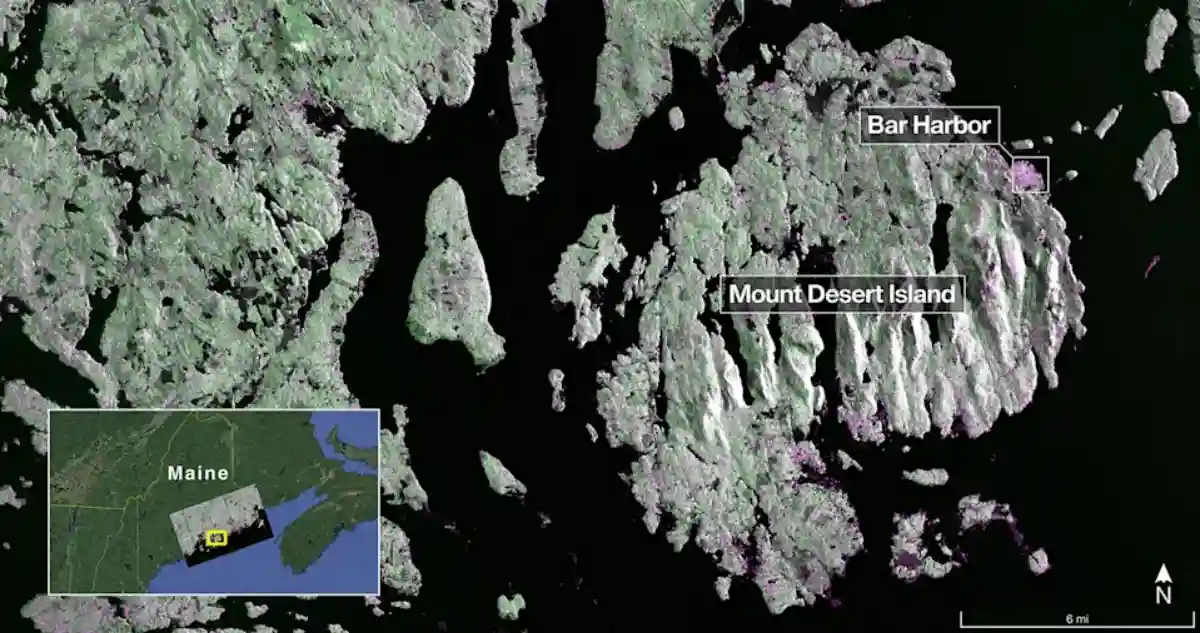
    NASA and India’s ISRO have released the first radar images from their joint NISAR satellite, just weeks after its launch from Sriharikota on July 30, 2025. The mission, short for NASA-ISRO Synthetic Aperture Radar, sent back views of Mount Desert Island in Maine on August 21 and farmland in North Dakota two days later.

    Scientists say the data shows how the satellite can track land, crops, forests, and water with clarity unmatched by other Earth-observing missions.

    NISAR is the first spacecraft to carry two radar systems at once. NASA’s L-band radar can detect deep changes in soil, ice, and forests, while ISRO’s S-band radar is tuned for monitoring crops and smaller vegetation. From its orbit 747 kilometers above Earth, NISAR scans nearly the entire planet every 12 days.

    Its 12-meter antenna, the largest NASA has launched, captures swaths 240 kilometers wide and can spot features as small as five meters. Unlike optical satellites, it works day or night and through cloud cover.


    The first images highlight what the system can do. In Maine, forests appeared in green, water in black, and buildings in magenta. In North Dakota, radar distinguished wetlands, forests, bare soil, and irrigated farmland, even showing circular crop patterns.

    Scientists say this ability to separate surface types will help track floods, droughts, deforestation, and melting ice, as well as measure ground shifts from earthquakes or landslides down to a centimeter.

    The mission represents nearly a decade of work between NASA’s Jet Propulsion Laboratory and ISRO. India provided the S-band radar, spacecraft bus, and launch on its GSLV-F16 rocket, while NASA contributed the L-band radar, antenna, and communications systems. Engineers on both sides say the successful deployment of the satellite’s antenna in orbit was a key milestone.

    NISAR is now in its commissioning phase, with full operations set to begin in November 2025. Once active, it will deliver open-access data for researchers worldwide. Scientists expect it to become one of the most detailed Earth-monitoring tools yet, helping governments and communities respond to disasters, manage resources, and understand climate change.

  • NASA and Australia Sign Framework Agreement to Expand Space and Aeronautics Cooperation

    NASA and Australia Sign Framework Agreement to Expand Space and Aeronautics Cooperation

    NASA

    and the Australian Space Agency signed a framework agreement in Sydney on Tuesday, marking a new stage in more than 50 years of cooperation between the two nations. Acting NASA Administrator Sean Duffy and Australian Space Agency chief Enrico Palermo signed the deal during the International Astronautical Congress, which Australia is hosting for the first time since 1988.

    The agreement sets out how the two countries will develop joint projects in aeronautics and space exploration, with a focus on peaceful uses and long-term collaboration.

    The timing reflects the high-profile nature of the International Astronautical Congress, where officials, researchers, and companies from around the world meet to exchange ideas.

    Duffy described Australia as a reliable partner, noting the role it played in the Apollo program and more recently in the Artemis program. The new agreement raises their partnership to a treaty-level understanding, providing a framework for larger and more complex projects in the future.

    The United States and Australia first formalized their space ties in 1960. Since then, Australian ground stations have played a central role in tracking and relaying data for U.S. missions. Canberra’s station in the Deep Space Network helped track Apollo 11 and carried communications during the Apollo 13 emergency.

    Today, it continues to operate as part of NASA’s system, sending commands to spacecraft such as Mars rovers and the James Webb Space Telescope (JWST) when U.S.-based antennas are not in position.

    The new agreement includes joint work in multiple areas. These range from planetary exploration and Earth monitoring to geodesy, a field that measures Earth’s gravity to track sea levels and climate change.

    Space medicine and aeronautics are also included, such as research into quieter aircraft engines. Australia’s location in the Southern Hemisphere also gives it a vantage point for observing cosmic events, allowing it to contribute to global monitoring of high-energy events like gamma-ray bursts.

    Australia is developing its own contributions to lunar exploration. A semi-autonomous rover is under construction and set to launch before 2030. It will travel aboard a commercial lander as part of NASA’s CLPS program, carrying a U.S. instrument designed to analyze lunar soil for water ice and minerals.

    The rover will use onboard navigation to avoid craters and obstacles, serving as a test case for future human operations on the Moon.

    Australia joined the Artemis Accords in 2020, aligning itself with NASA’s framework for cooperative lunar exploration. This week’s Artemis principals’ meeting, co-hosted by Australia and the United Arab Emirates, focused on international coordination for future lunar bases.

    Duffy noted that the collaboration could extend to Mars, with both countries sharing research on the effects of space travel on human health. Palermo said the partnership will also drive opportunities for Australian industries, including satellite networks that track natural disasters like bushfires.

    Officials said the agreement is a practical step to expand cooperation in science, industry, and spaceflight. By combining technical knowledge and resources, NASA and the Australian Space Agency aim to make space operations more efficient and open new opportunities for exploration and research.

  • NASA Taps Arkisys to Maintain Astrobee Robots on ISS

    NASA Taps Arkisys to Maintain Astrobee Robots on ISS

    NASA has signed a new agreement with California-based Arkisys to keep its Astrobee robots operating aboard the International Space Station. The deal, announced this year, allows Arkisys to maintain the free-flying machines that help astronauts with daily tasks and test robotic systems for future missions to the Moon and Mars.

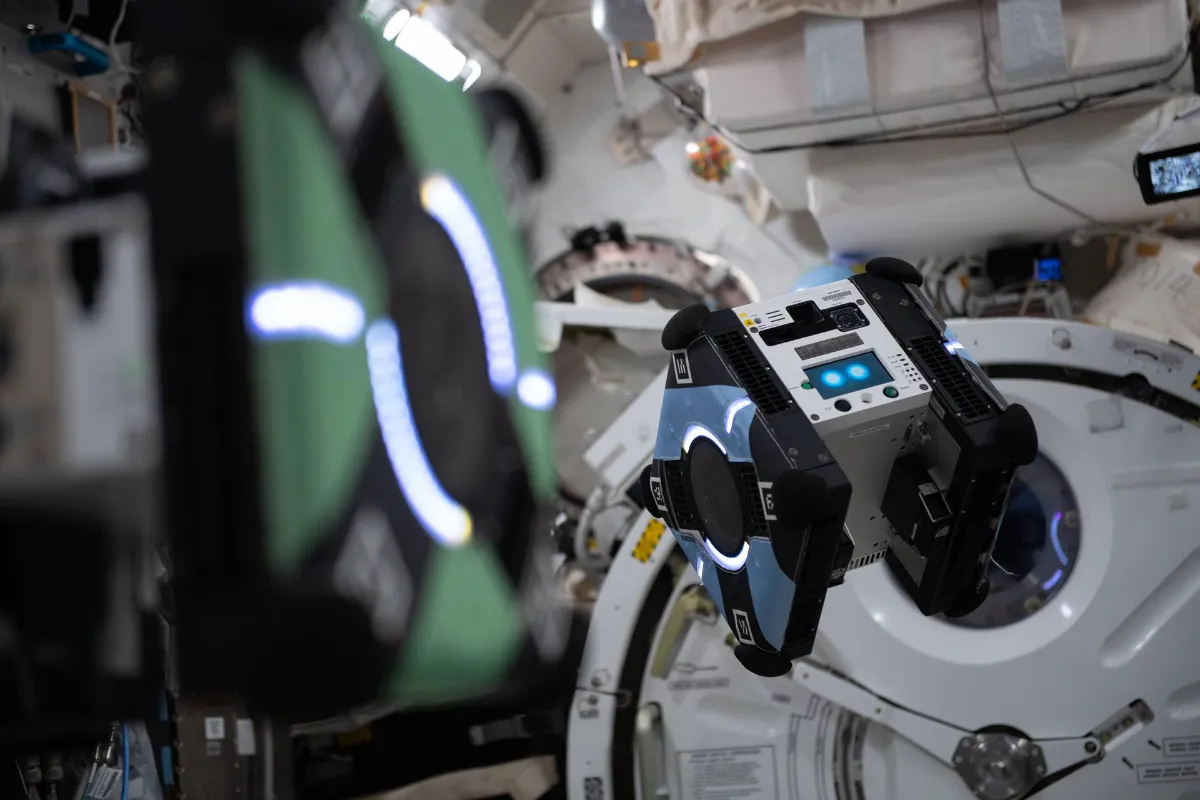
    The Astrobee robots (nicknamed Bumble, Honey, and Queen) have been floating inside the station since 2019. Each is a cube about one foot wide, built to handle chores such as inventory checks and filming experiments. They replaced NASA’s older SPHERES robots, which ran for more than a decade as a testbed for similar technologies.

    Astrobee moves by blowing air through small electric fans instead of using wheels or legs. Cameras and sensors help the robots avoid obstacles, and each carries a mechanical arm to grip handrails when idle. They can be run autonomously or operated remotely from Earth. NASA also made their software open-source, letting researchers worldwide write new programs and test experiments in orbit.

    Under the Space Act Agreement, Arkisys will take on the job of keeping Astrobee in working order. NASA reimburses the company for its services, ensuring the system stays ready for scientific and commercial use. Arkisys was selected earlier this year after NASA issued a call for private partners.

    The partnership also gives Arkisys a chance to test new tools in weightlessness. Known for its work on orbital platforms and spaceport concepts, the company could eventually apply lessons from Astrobee to spacecraft servicing and construction in orbit.

    Robots like Astrobee are seen as vital for future missions beyond Earth orbit. On long trips to Mars, they could monitor spacecraft and handle maintenance when crews are busy or unavailable. On the Moon, they might keep habitats running between astronaut visits under NASA’s Artemis program.

    The ISS has served as a test ground for nearly 25 years, and NASA says collaborations with private companies help speed up progress. Astrobee has already been used for student coding competitions and experimental demonstrations. With Arkisys now supporting operations, the system is expected to remain a key part of NASA’s robotics research for years to come.

  • NASA and NOAA launch 3 new Spacecraft to Study Sun and Space Weather

    NASA and NOAA launch 3 new Spacecraft to Study Sun and Space Weather

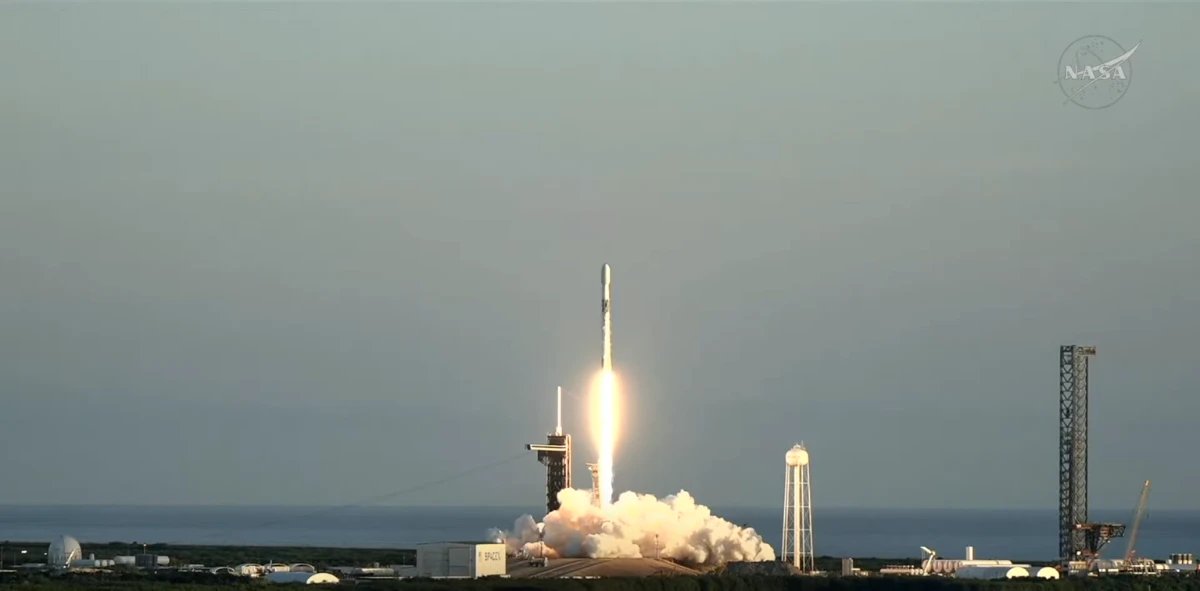
    SpaceX launched three new spacecraft from Cape Canaveral, Florida, on September 24, 2025, to study the Sun and its effects on Earth. NASA’s Interstellar Mapping and Acceleration Probe (IMAP), the Carruthers Geocorona Observatory, and NOAA’s Space Weather Follow On-Lagrange 1 (SWFO-L1) are heading to Lagrange Point 1, about 1.5 million kilometers from Earth.

    From there, they will monitor solar activity, track its impact on the edge of the solar system, and improve forecasting of storms that can disrupt technology and power systems.

    Space weather begins with the solar wind, a stream of charged particles from the Sun. These can interfere with satellites, damage power grids, and endanger astronauts. L1 offers a stable vantage point with an uninterrupted view of the Sun.

    It is already home to missions such as SOHO, which has observed solar activity since 1995. The three new spacecraft will join this group in January 2026 after a months-long journey.

    IMAP will focus on the heliosphere, the vast bubble created by the solar wind that shields Earth from cosmic radiation. Carrying ten instruments, it will measure particles from the Sun and beyond, updating and extending the work of NASA’s earlier IBEX mission. Led by David McComas of Princeton University, the project involves 27 institutions worldwide, and its data will be shared freely.

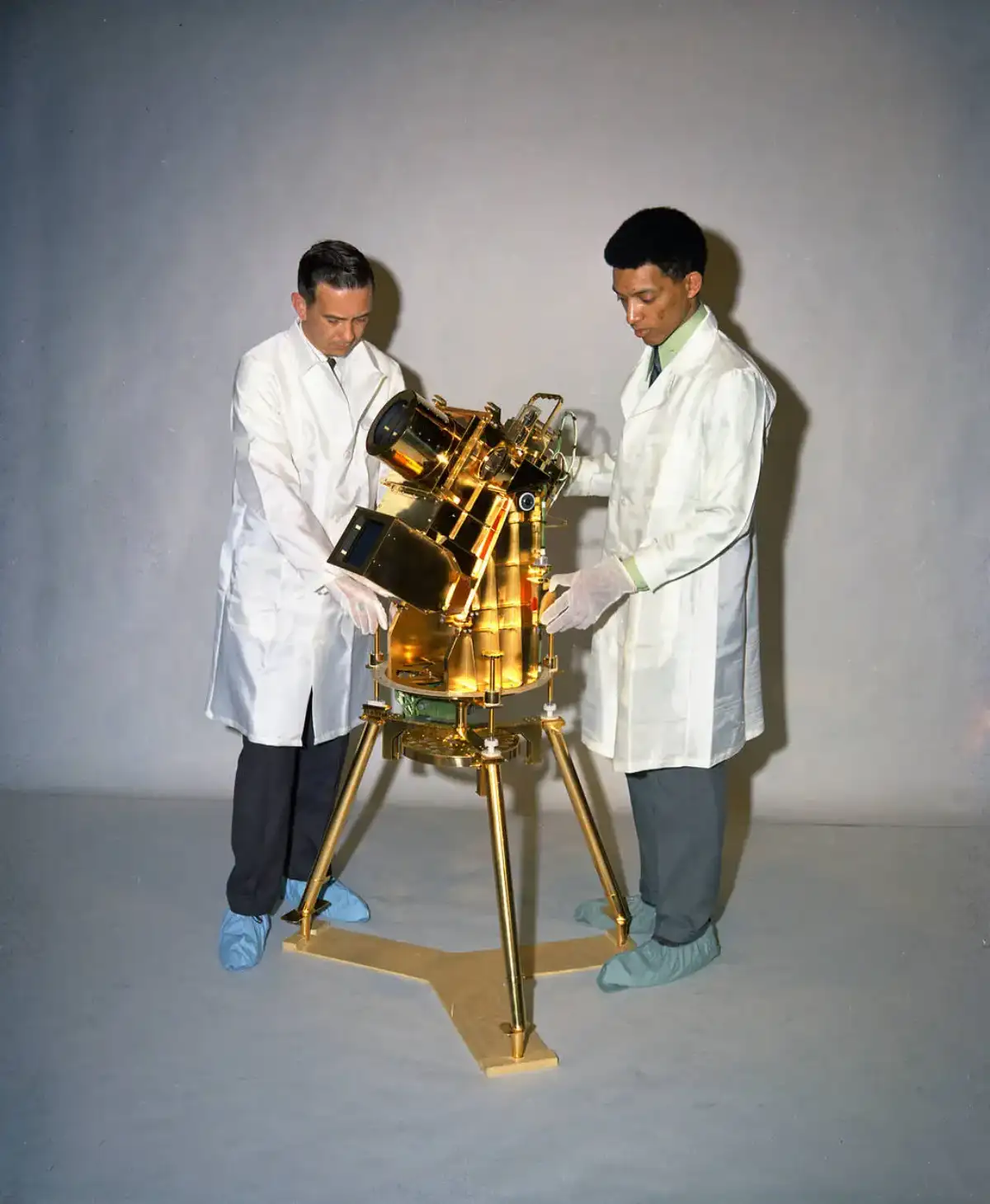
    The Carruthers Geocorona Observatory will examine the geocorona, a hydrogen cloud at the edge of Earth’s atmosphere. Scientists want to understand how this region reacts to solar storms and how it affects satellites and communications. Named after George Carruthers, who built an ultraviolet camera for Apollo 16, the mission is led by Lara Waldrop at the University of Illinois and will begin collecting data in 2026.

    SWFO-L1, operated by NOAA, is designed to provide real-time warnings of solar eruptions, including coronal mass ejections. The data will help protect satellites, aviation, and power systems. Richard Ullman of NOAA described the mission as a step toward safeguarding society from solar hazards. Unlike ground systems, SWFO-L1 will deliver uninterrupted monitoring from space.

    All three spacecraft checked in with mission control after launch and are functioning as expected. Once at L1, they will calibrate instruments before beginning full operations.

    Together, the missions will improve understanding of solar storms and provide better protection for technology on Earth and for astronauts traveling to the Moon and Mars. The Falcon 9 booster that carried them also landed successfully on a droneship, marking SpaceX’s 121st launch of the year.

  • NASA to Launch Carruthers Geocorona Observatory to Study Earthโ€™s Faint Hydrogen Halo

    NASA to Launch Carruthers Geocorona Observatory to Study Earthโ€™s Faint Hydrogen Halo

    NASA is preparing to launch a new satellite named after physicist George Carruthers to study a little-known feature of Earth’s atmosphere: the geocorona, a massive but faint cloud of hydrogen that stretches far beyond the planet.

    The Carruthers Geocorona Observatory will lift off from Kennedy Space Center on September 23, 2025, aboard a SpaceX Falcon 9. Once in space, it will travel to the Sun-Earth L1 point, about 1.5 million kilometers away, where it will track how this hydrogen halo shifts during solar storms.

    The mission pays tribute to George Carruthers, who first photographed the geocorona from the lunar surface during Apollo 16 in 1972. Carruthers, an African-American physicist and engineer, invented ultraviolet imaging instruments that revealed details of Earth’s upper atmosphere invisible to the naked eye.

    His work earned him the National Medal of Technology in 2012. He died in 2020, and NASA renamed the mission in his honor in 2022.

    Carruthers’ camera on Apollo 16 showed that Earth’s atmosphere does not end suddenly but fades into space, with hydrogen atoms forming a glowing outer shell.

    These atoms mostly come from water vapor broken apart by sunlight before drifting into the uppermost layers. The result is the geocorona, which extends as far as 630,000 kilometers, nearly twice the distance to the moon.

    At its L1 vantage point, the 240-kilogram observatory will carry two far-ultraviolet cameras. The instruments, designed by the University of Illinois and managed by NASA’s Goddard Space Flight Center, will map the geocorona’s structure in three dimensions. They can track rapid changes caused by solar activity, something previous missions could not do with only brief snapshots.

    The mission is expected to begin science operations in March 2026, after a four-month cruise to L1 and a one-month systems check. It will run for at least two years, with the potential to continue for up to a decade.

    Scientists say monitoring the geocorona could improve space weather forecasts. Strong solar storms can interfere with satellites, GPS, and power grids on Earth. The density of hydrogen in the upper atmosphere also affects drag on satellites, including the International Space Station (ISS). Beyond Earth, understanding how hydrogen escapes into space can help explain how planets like Mars lost their atmospheres.

    The Carruthers Observatory will share its ride into space with two other missions: NASA’s Interstellar Mapping and Acceleration Probe, which will study particles entering the solar system, and NOAA’s Space Weather Follow-On satellite, which will monitor the sun’s outer layers.

    For NASA, the launch marks not just a step forward in studying Earth’s outer atmosphere, but also a recognition of Carruthers’ lasting contributions. His instruments once opened a new view of Earth from the moon. More than 50 years later, a satellite bearing his name will return to that discovery, this time with the ability to watch it unfold in real time.

    Source: Honoring a Pioneer: Dr. George Carruthers’ Legacy Reaches Space Again

  • NASA Rescues VIPER Rover With Blue Origin Deal for 2027 Moon South Pole Mission

    NASA Rescues VIPER Rover With Blue Origin Deal for 2027 Moon South Pole Mission

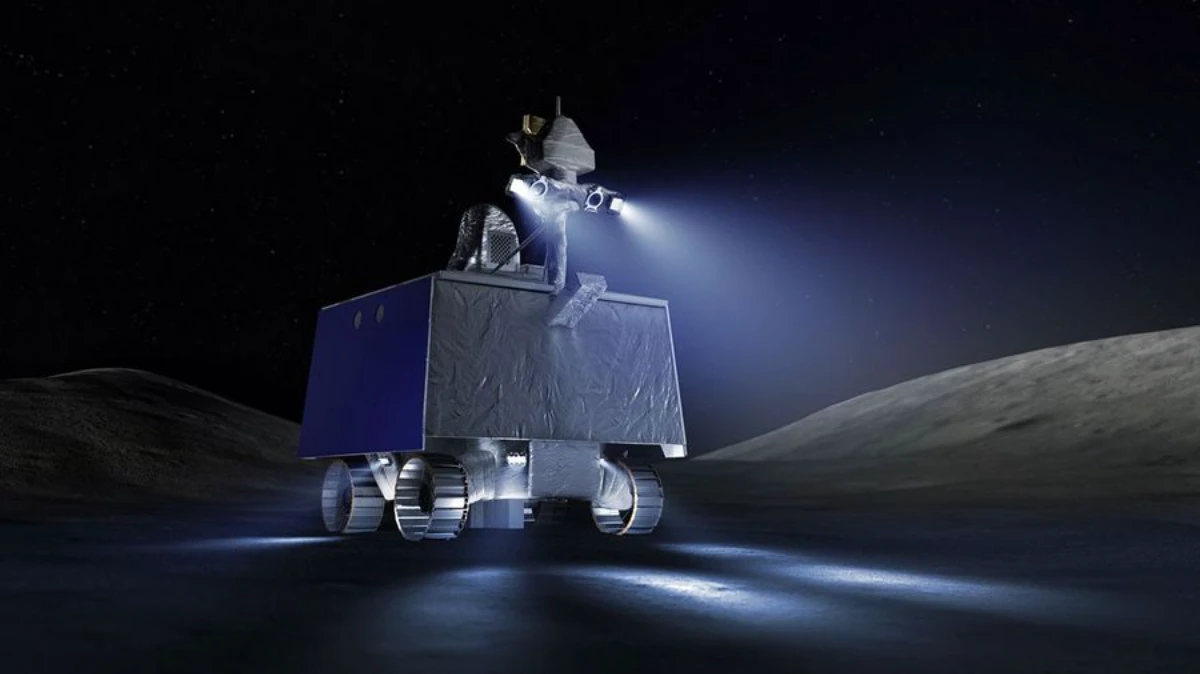
    NASA confirmed that its long-delayed VIPER rover will finally head to the Moon’s south pole after awarding Blue Origin a contract to deliver it aboard the company’s Blue Moon Mark 1 lander. The decision secures a late 2027 launch for the rover, which has been in storage since costs and delays derailed its earlier ride.

    VIPER’s mission is to search for water ice in permanently shadowed craters, a resource that could support future human bases.

    The rover nearly met a permanent end in 2024 when NASA canceled its original deal with Astrobotic, which was set to launch VIPER on the Griffin lander. That contract started at $200 million for a 2023 mission but ballooned to $800 million after design changes and schedule slips.

    Confidence fell further when Astrobotic’s Peregrine lander failed in its 2024 debut due to a fuel leak, raising doubts about Griffin’s reliability.

    To revive the project, NASA awarded Blue Origin a $190 million task order under its Commercial Lunar Payload Services program. Blue Origin’s Blue Moon Mark 1 is designed to carry heavy cargo, with VIPER as its main payload for this mission.

    The lander’s first flight is scheduled for late 2025 on a New Glenn rocket, delivering other NASA equipment to the lunar surface. A second lander is already in production for VIPER’s delivery two years later.

    VIPER, short for Volatiles Investigating Polar Exploration Rover, is about the size of a golf cart and weighs 950 pounds. Unlike Mars rovers, it is built for the Moon’s harsh extremes, from 250°F in direct sunlight to -280°F in permanent shadow. Its headlights will allow it to enter craters that never see daylight. Over a planned 100-day mission, it will travel roughly 12 miles at a top speed of half a mile per hour.

    The rover carries four main instruments. TRIDENT, a one-meter drill, will extract subsurface samples. Two spectrometers, NIRVSS and NIRS3, will study reflected light for water signatures.

    A mass spectrometer called MSolo will analyze gas molecules released from the soil to confirm the presence of ice. Together, these tools will map how water and other frozen gases are distributed beneath the surface.

    Scientists are particularly interested in the Moon’s south pole, where deep craters act as cold traps. At temperatures near -397°F, water ice remains stable for billions of years.

    Estimates suggest that up to two percent of the soil’s top meter could be ice by weight. Researchers believe much of it came from comet impacts, with some possibly formed by ancient volcanic activity.

    Finding ice matters because it could be turned into oxygen for breathing and hydrogen for fuel, reducing the need to transport supplies from Earth. Future Artemis crews could use local resources to support lunar bases. The results will also inform long-term exploration, including human missions to Mars, where similar methods may be applied.

    Blue Origin will handle the landing and deployment of VIPER, while NASA will operate the rover from Earth. Unlike Mars missions, operators can send real-time commands thanks to the Moon’s close distance, improving precision and safety. If successful, the data collected by VIPER could help identify safe and resource-rich landing sites for astronauts in the 2030s.

    VIPER’s revival shows NASA’s reliance on private industry to achieve its lunar goals. By combining commercial landers with agency science teams, the mission keeps Artemis on track to establish a lasting human presence on the Moon.

    Source: NASA Selects Blue Origin to Deliver VIPER Rover to Moon’s South Pole

  • NASA Selects 10 New Astronaut Candidates for Future Missions

    NASA Selects 10 New Astronaut Candidates for Future Missions

    NASA announced its newest astronaut candidates on September 22, 2025, at the Johnson Space Center in Houston. The ten recruits, chosen from more than 8,000 applicants, will train for two years before becoming eligible for assignments to the International Space Station, future lunar missions under Artemis, and eventually Mars.

    This group, the 24th class in NASA’s history, includes more women than men for the first time and reflects the agency’s growing focus on both diversity and technical range.

    The class consists of six women and four men with varied skills. Ben Bailey, a U.S. Army test pilot with over 2,000 hours of flying, joins Lauren Edgar, a geologist who helped define Artemis III science goals. Anna Menon, a Houston native and former SpaceX engineer, took part in a private spaceflight in 2024.

    Other members include Air Force majors Adam Fuhrmann and Cameron Jones, Navy pilot Erin Overcash, engineer Yuri Kubo, Navy test pilot Rebecca Lawler, physician Imelda Muller, and chemical engineer Katherine Spies.

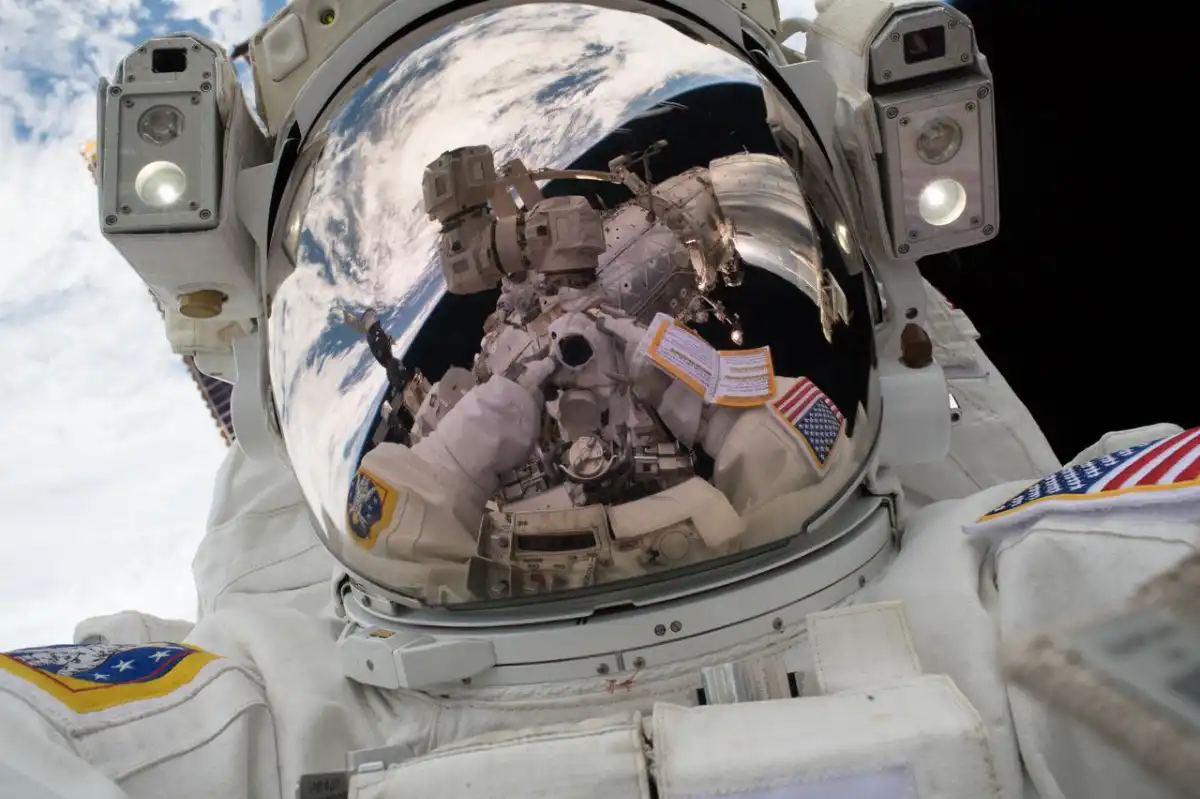
    For the next two years, these candidates will complete intensive training. They will learn to operate systems on the International Space Station (ISS), practice spacewalks in large water facilities, and train in high-performance jets to prepare for demanding environments.

    Their education will also include foreign languages to work with global partners, as well as survival courses to handle land and water emergencies.

    Medical training will prepare them to manage health problems in orbit, where even minor injuries can become serious. Geology lessons will support upcoming lunar missions, where astronauts will study soil and rock samples to learn more about the Moon’s history. All these skills aim to prepare them for Artemis missions scheduled later this decade and for future exploration of Mars.

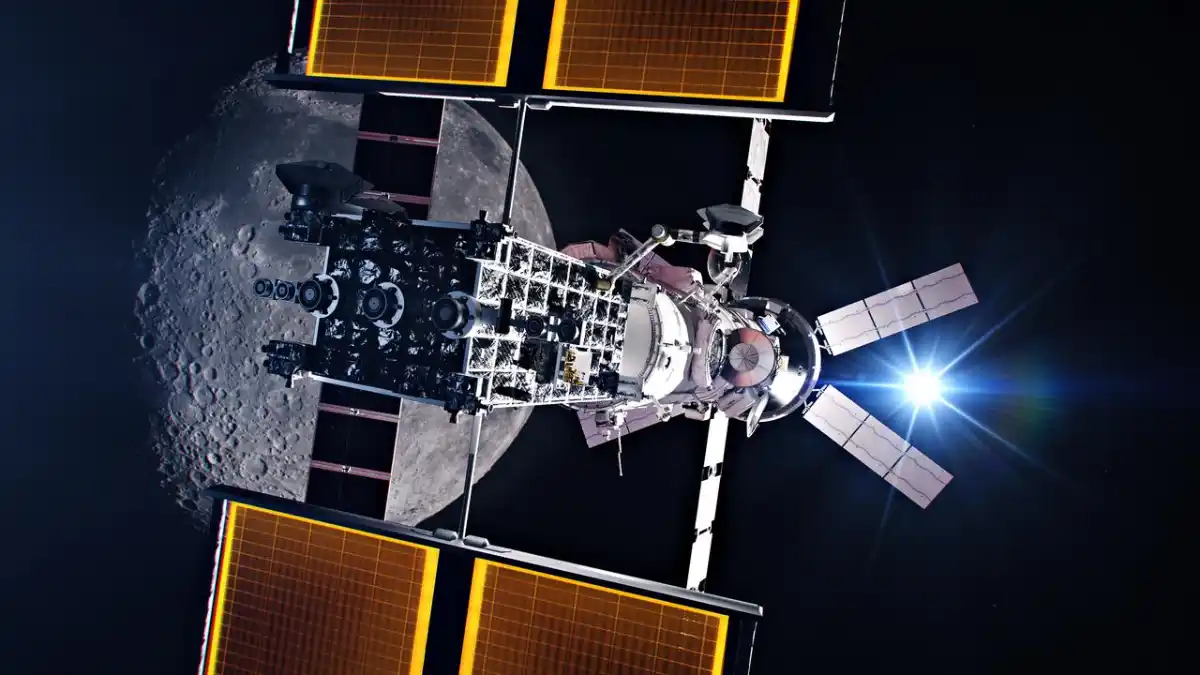
    NASA’s Artemis program is driving the agency’s long-term goals. Artemis II, set for 2026, will send astronauts around the Moon to test systems needed for landing. Later missions will establish the Gateway, a small space station orbiting the Moon to support science and logistics. By the 2030s, NASA hopes to send humans to Mars. The new class could play a role in these missions.

    The announcement also highlights changes in astronaut selection. With more women than men for the first time, the group reflects NASA’s effort to bring a broader mix of experience. Their backgrounds in fields like medicine, engineering, and planetary science will help address the many challenges of long-term spaceflight, from radiation risks to limited resources.

    Future missions will include science goals such as studying lunar samples to understand the solar system’s history and searching for signs of life on Mars. Candidates like Edgar, with a background in planetary geology, will play key roles in shaping those investigations. Their work will also support studies of space weather, which can affect both astronauts and satellites on Earth.

    Since 1959, NASA has selected just 370 astronauts, making this a highly selective program. The 2025 class joins 41 active astronauts already preparing for missions. Acting Administrator Sean Duffy said the group represents the next stage in human spaceflight, building on decades of progress from Apollo through the Space Shuttle and the International Space Station (ISS).

    The announcement comes as NASA prepares for other missions, including the Carruthers Geocorona Observatory, which launches this month to study Earth’s hydrogen halo. Together, these efforts reflect the combined work of astronauts and robotic spacecraft in advancing knowledge about space and preparing for future human exploration.

  • NASA Completes Two-Year Laser Communications Test, Sending Data Across 307 Million Miles

    NASA Completes Two-Year Laser Communications Test, Sending Data Across 307 Million Miles

    NASA has finished a two-year experiment that proved lasers can send vast amounts of data across deep space, potentially transforming future missions to the Moon and Mars. The Deep Space Optical Communications (DSOC) system, launched on the Psyche spacecraft in October 2023, ended testing in 2025 after 65 sessions.

    Over that time, it transmitted 13.6 terabits of data from as far as 307 million miles away, more than the average distance between Earth and Mars.

    The test showed that lasers can deliver data 10 to 100 times faster than traditional radio. At its peak, DSOC sent signals at 267 megabits per second, matching or even exceeding home internet speeds. This breakthrough makes it possible for astronauts on Mars to send back high-definition video and for robotic missions to return enormous datasets.

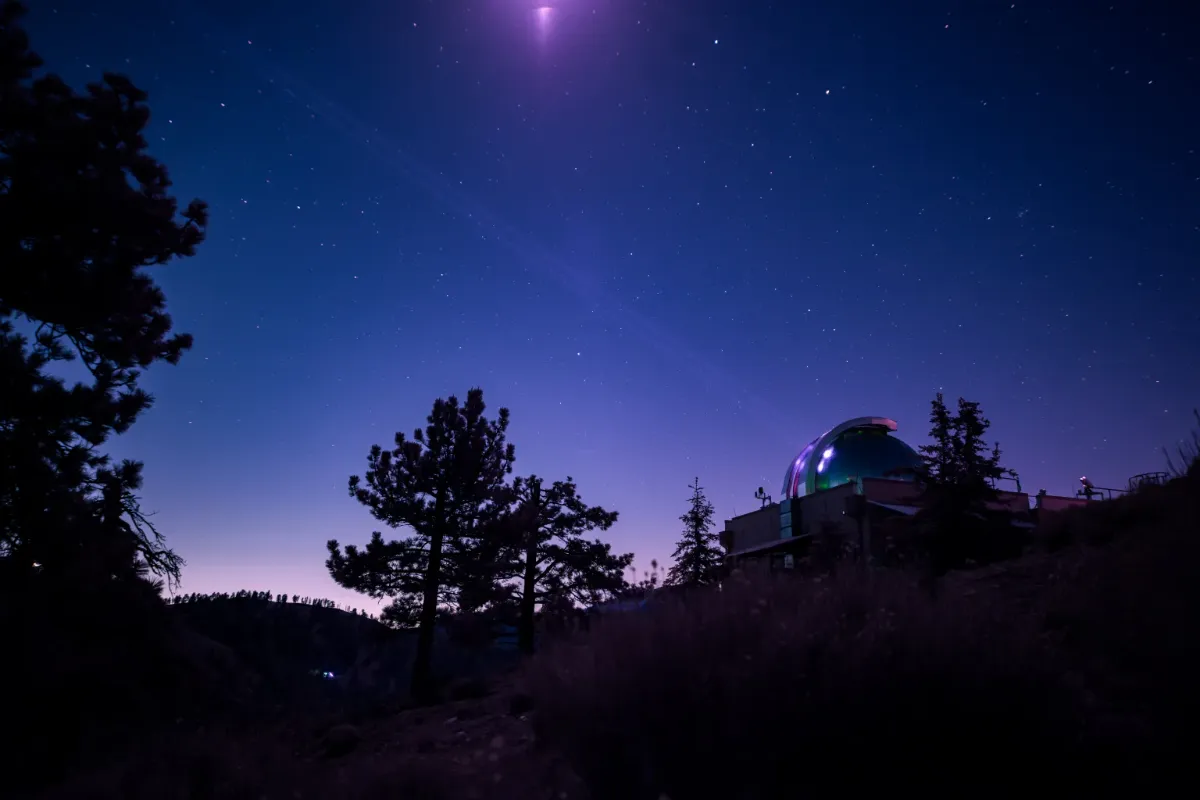
    DSOC relied on a flight laser transceiver aboard Psyche, a 3-kilowatt uplink laser at NASA’s Table Mountain facility in California, and a 200-inch telescope at Palomar Observatory. The uplink laser guided Psyche to aim its own beam back to Earth, where sensitive detectors captured faint light signals.

    Achieving this required precise pointing since both Earth and Psyche moved rapidly in space while light took several minutes to travel.

    The system began returning results quickly. Just a month after launch, it sent data from 19 million miles away, 80 times the distance between Earth and the Moon. By December 2023, it had streamed ultra-high-definition video across that span. In late 2024, it set a new record by sending data from 307 million miles, farther than Mars’ maximum distance.

    NASA also experimented with a hybrid setup at the Goldstone antenna complex, combining radio and laser reception. Engineers used an array of seven small mirrors to collect faint optical signals while keeping radio capability as a backup. By linking Palomar’s large telescope with a smaller one at Table Mountain, they further improved the system’s ability to detect weak signals.

    Engineers faced difficulties along the way, including weather interruptions, California wildfires, and interference from space radiation. The team adjusted the system to maintain lock on Psyche’s beam and process extremely faint data. These tests showed that the technology is durable enough for real-world missions.

    One of the earliest transmissions captured public attention: a short video of a cat named Taters beamed from deep space in 2023. Beyond its playful appeal, the test showed that the system could handle complex video files with ease.

    The success of DSOC is expected to feed directly into future programs. Artemis missions to the lunar south pole will need faster data links, and human missions to Mars will depend on robust communications for science and safety.

    Beyond NASA, commercial satellite operators may adopt lasers as demand grows for higher bandwidth. Europe’s EDRS network already uses laser links between satellites, pointing to wider use across the industry. By closing out the DSOC experiment, NASA has demonstrated that high-speed laser communication is no longer a distant goal but a working system, ready to expand the reach of future exploration.

  • WashU to Manage Lunar Data for NASAโ€™s Artemis Missions

    WashU to Manage Lunar Data for NASAโ€™s Artemis Missions

    NASA’s Artemis program is preparing to send astronauts back to the moon for the first time in more than half a century, and Washington University in St. Louis will be at the center of the effort. The university’s Geosciences Node has been named the lead data center for the next three missions, responsible for collecting, reviewing, and distributing the large flow of information expected from the lunar surface.

    The decision reflects WashU’s long history with space missions. Since the late 1980s, the Geosciences Node has managed planetary data from Mars rovers, asteroid sample-return missions, and even archives from the Apollo era.

    With Artemis, the team will organize lunar maps, photographs, rover measurements, and samples, making them freely accessible to researchers around the world.

    The Artemis missions will begin with Artemis II, scheduled for no later than April 2026. That flight will carry four astronauts on a test orbit around the moon, confirming that the Orion spacecraft can operate safely in deep space.

    Artemis III will follow with the first crewed landing since 1972, targeting the moon’s south pole, where frozen water is believed to lie hidden in shadowed craters. Artemis IV will expand those efforts by connecting with NASA’s planned Gateway station, a platform in lunar orbit designed to support longer stays and more detailed research.

    The choice of the South Pole is deliberate. Its permanently shadowed craters may contain water ice deposited by ancient comets, and if it can be mined, it could provide drinking water, air, and rocket fuel. Access to those resources would reduce the cost of long-term lunar operations and future Mars expeditions.

    WashU’s Geosciences Node, part of NASA’s Planetary Data System since 1989, will oversee the vast amount of information generated by these missions.

    The team does more than store files: they review incoming data for quality, manage peer review, and design tools that allow scientists to search and analyze results. They have already done this for missions such as Perseverance on Mars and OSIRIS-REx, which delivered samples from an asteroid.

    Scientists expect the Artemis data to answer longstanding questions. Lunar regolith, the layer of dust and soil covering the surface, may contain helium-3, a possible fuel for future fusion reactors.

    Instruments could record moonquakes, improving knowledge of the moon’s structure and helping engineers design safer bases. Samples from untouched regions might even reveal new details about the moon’s origin, believed to be the result of a giant impact with early Earth.

    Lessons from Apollo are also in play. Astronauts during the 1960s and 1970s found lunar dust clung to spacesuits and damaged equipment. With updated information from Artemis, engineers can build gear that avoids the same problems.

    NASA views Artemis as the first step toward human missions to Mars in the 2030s. The moon provides a nearby testing ground for habitats, life-support systems, and other technology needed for longer journeys. By managing and releasing the data, WashU ensures that scientists everywhere can use the findings to prepare for the next stage of exploration.

    Paul Byrne, who leads the Geosciences Node, said his team is ready for the scale of the work. For NASA, the partnership ensures that information from the missions will not only support astronauts on the moon but also shape the future of human spaceflight.