Tag: NASA

  • Magnets Could Revolutionize Space Water Electrolysis, New Study Shows

    Magnets Could Revolutionize Space Water Electrolysis, New Study Shows

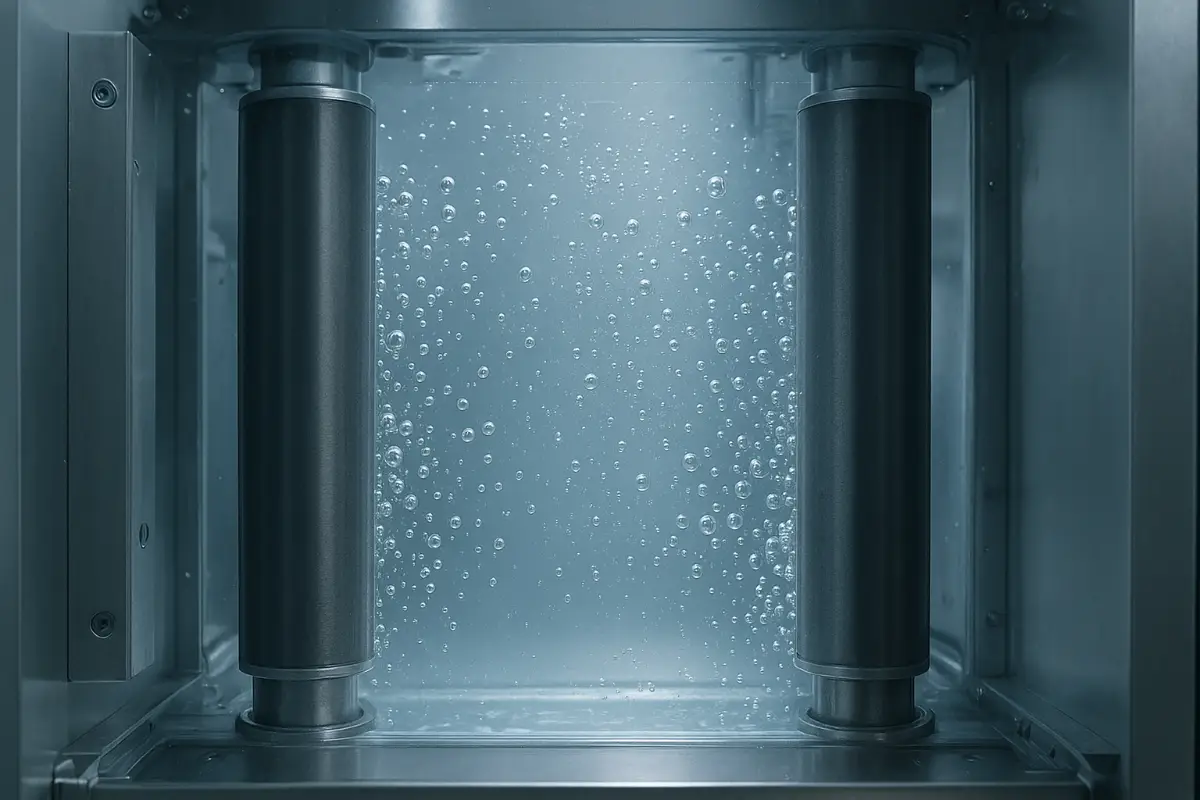
    German researchers have found a way to make water electrolysis far more efficient in space by using magnets instead of heavy machinery. The experiments, carried out at the Bremen Drop Tower, showed that simple magnetic fields can move gas bubbles away from electrodes in microgravity, boosting oxygen and hydrogen production without pumps or centrifuges.

    On Earth, gravity pulls bubbles off the electrodes during electrolysis, keeping the process efficient. In orbit, bubbles cling to the electrodes, blocking reactions and slowing production. Current systems on the International Space Station (ISS) use complex pumps and centrifuges to separate the gases, but these consume a lot of power and raise the risk of breakdowns.

    The research team tested their idea by running electrolysis in free-fall conditions that mimic space. They used platinum and iridium oxide electrodes with acidic electrolytes. Without magnets, current densities fell sharply as bubbles piled up. With a neodymium magnet nearby, hydrogen output jumped by up to 240% because bubbles detached more easily.

    “One may think that extracting gas bubbles from liquids in space is as simple as opening a can of soda here on Earth. However, the lack of buoyancy makes the extraction process incredibly difficult, undermining the design and operation of oxygen production systems,” said Álvaro Romero-Calvo, an assistant professor at Georgia Tech, in a statement.

    The effect comes from two magnetic forces. The Lorentz force, which results when electric currents cross magnetic fields, stirs the liquid and sweeps bubbles clear. The magnetic polarization force, which acts on the weak magnetic properties of the electrolyte, pushes bubbles toward the magnet. At low currents, the polarization effect dominates, while at higher currents, Lorentz-driven vortices take over.

    To test real-world use, the researchers built a proton-exchange membrane (PEM) cell with platinum meshes and magnets on each side. In simulated microgravity, it produced gas at nearly the same efficiency as on Earth. Video footage showed bubbles detaching smoothly and collecting near the magnets, removing the need for pumps or moving parts.

    They also built a cylindrical design where the Lorentz force spins the electrolyte into a vortex. Gas bubbles naturally drifted to the center and escaped, while the liquid stayed along the walls. The setup required only 0.1 milliwatts of extra power, far less than the electrolysis itself.

    If proven in long-term tests, the approach could transform life-support systems for future missions to the Moon or Mars. Lighter, simpler equipment would save mass and power while reducing the risk of failure in deep space. The Bremen Drop Tower only provides nine seconds of weightlessness, but the results matched theoretical predictions. The team now aims to test the system during parabolic flights or on the ISS.

    For astronauts, reliable oxygen generation is non-negotiable. Magnets may offer a direct way to keep supplies flowing without the mechanical complexity that current systems demand.

    Source: Magnetically induced convection enhances water electrolysis in microgravity
  • NASA Seeks Public Help to Track Artemis II Moon Mission With Ground Antennas

    NASA Seeks Public Help to Track Artemis II Moon Mission With Ground Antennas

    NASA has invited the public to help track its upcoming Artemis II mission by receiving radio signals from the Orion spacecraft as it travels around the Moon. The call, announced this week, asks volunteers with suitable antennas to provide passive data during the flight, which is scheduled to launch no earlier than April 2026. Responses are due by October 27, 2025.

    The space agency’s goal is to expand beyond its own networks by using data from commercial and private operators. Instead of sending signals, participants will only need to record Orion’s transmissions. By studying changes in frequency, known as Doppler shifts, they can estimate the spacecraft’s speed and position. NASA will combine this with its own data to improve tracking coverage.

    Artemis II will be the first crewed flight of the Artemis program. Four astronauts will ride aboard Orion for about ten days, following a free-return path that loops around the Moon and brings them safely back to Earth without extra engine burns if needed. The mission will test life support, navigation, and other systems before longer trips are attempted.

    Commander Reid Wiseman leads the crew. Pilot Victor Glover, who flew on SpaceX’s Crew-1 mission, will be the first Black astronaut to travel beyond low Earth orbit. Christina Koch, who set the record for the longest spaceflight by a woman, and Canadian astronaut Jeremy Hansen will also fly. This marks the first time an international partner joins an Artemis crew.

    Passive tracking was first tested during Artemis I in 2022, when ten groups ranging from national agencies to amateur radio teams monitored Orion. That trial showed how outside contributions could serve as useful backups to NASA’s Deep Space Network, which normally handles deep-space missions from stations in California, Spain, and Australia.

    Artemis I flew Orion 40,000 miles past the Moon before returning to Earth at nearly 25,000 miles per hour, proving the spacecraft’s heat shield and systems worked as expected. Data gathered by outside groups showed that non-NASA systems can successfully follow spacecraft through space, even during critical phases.

    NASA officials say repeating this effort with Artemis II will help build long-term partnerships with commercial services as the agency prepares for permanent bases on the Moon and eventual crewed flights to Mars. Kevin Coggins, who oversees NASA’s space communications, said volunteer contributions allow the agency to test new approaches while managing growing traffic in orbit.

    With thousands of satellites already circling Earth and more planned for the coming years, NASA says reliable tracking will be essential for safety. By inviting the public to contribute, the Artemis program blends professional operations with outside support, giving more people a direct role in the future of spaceflight.

    Read full information about this opportunity here.

  • Could Humans Have Babies in Space? A New Study Suggests Frozen Sperm Cells Might Make It Possible

    Could Humans Have Babies in Space? A New Study Suggests Frozen Sperm Cells Might Make It Possible

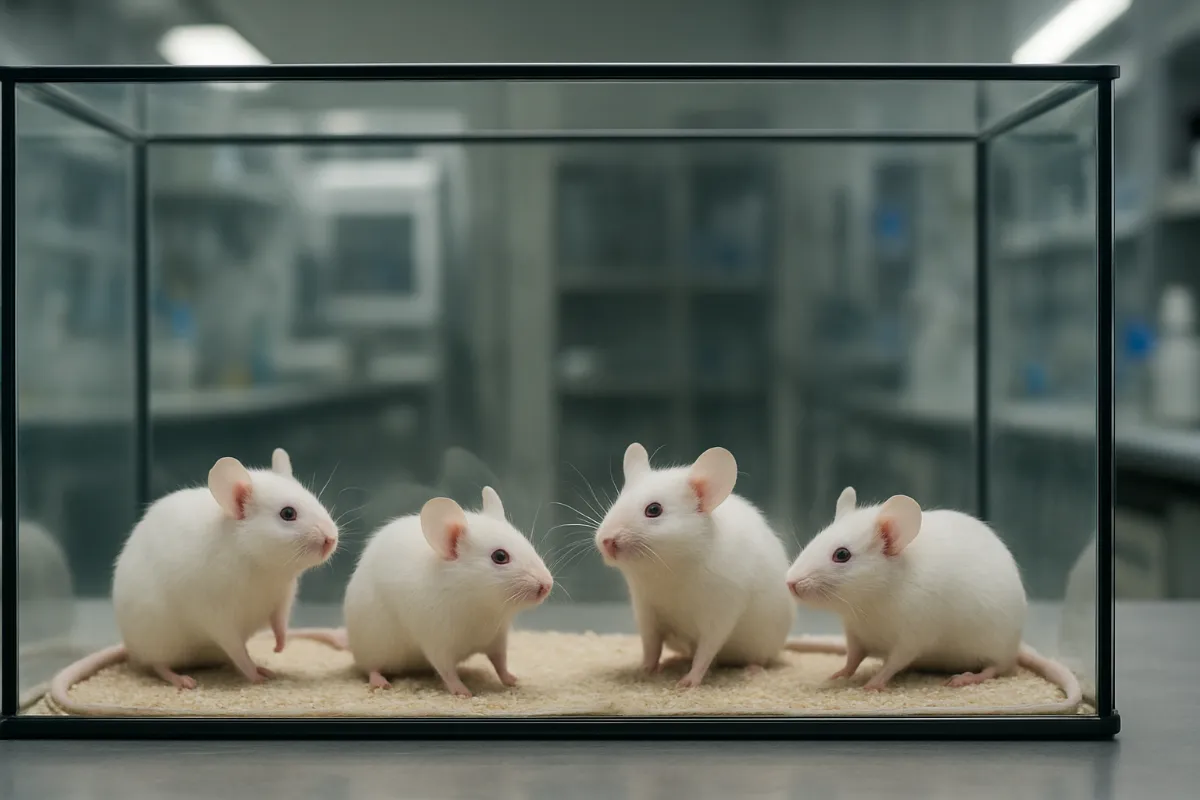
    Mouse stem cells kept frozen for six months aboard the International Space Station (ISS) have produced healthy offspring after being returned to Earth, according to a new study. The research, carried out by Japanese scientists, tested whether space radiation and microgravity would damage the genetic material that creates sperm, a question that matters for future long-duration missions beyond Earth orbit.

    The team focused on spermatogonial stem cells, the type that develops into sperm. They froze and stored some samples in space at about -80°C, while keeping others on Earth as a control. The orbiting cells faced additional exposure to cosmic radiation, roughly 0.31 milligray per day. After the mission, researchers thawed the samples and examined them for DNA breaks and growth defects.

    Surprisingly, the frozen space samples showed no greater DNA damage than the ones stored on Earth. Tests suggested that freezing itself acted as a shield, reducing harmful chemical reactions that radiation normally triggers. When the researchers exposed thawed and frozen cells to radiation in the lab, frozen ones consistently resisted damage better.

    Both the space and ground cells grew normally once thawed. They divided at the same pace, formed healthy clusters, and showed no unusual genetic activity. To test their function, scientists transplanted the cells into infertile mice. The cells successfully settled in, produced sperm, and supported natural reproduction.

    The most direct test came when offspring were born. Mice fathered with sperm derived from space-stored stem cells were healthy, carried normal gene patterns, and developed without abnormalities. Over five months, their litter sizes and birth intervals matched those from Earth-based cells. Checks of the pups’ DNA and liver genes confirmed no defects.

    The study is an early step in understanding how cosmic radiation affects reproductive biology. On the ISS, shielding protects astronauts, but missions to Mars would involve higher doses. The findings suggest that freezing reproductive cells may preserve fertility during long journeys.

    Earlier studies showed that embryos and other stem cells suffer more damage in orbit, but spermatogonial stem cells appear unusually resilient. Researchers think their DNA repair systems activate after thawing, allowing them to correct damage.

    Still, the six-month experiment is limited. Frozen cells cannot repair themselves during storage, so damage could accumulate over longer periods. The team plans to study whether offspring from space-exposed cells remain healthy later in life and whether the next generation inherits any changes.

    For humans, this could mean that storing frozen reproductive cells before deep space travel might help protect fertility. But the researchers caution that results from mice cannot be directly applied to people without more evidence. The work links space science and biology in a practical way: ensuring that life can continue beyond Earth, even in the harshest environments.

    The study was published in the journal Stem Cell Reports.

  • Welsh Artist’s Plush Toy Could Fly on NASA’s Artemis II Lunar Mission as Zero-Gravity Indicator

    Welsh Artist’s Plush Toy Could Fly on NASA’s Artemis II Lunar Mission as Zero-Gravity Indicator

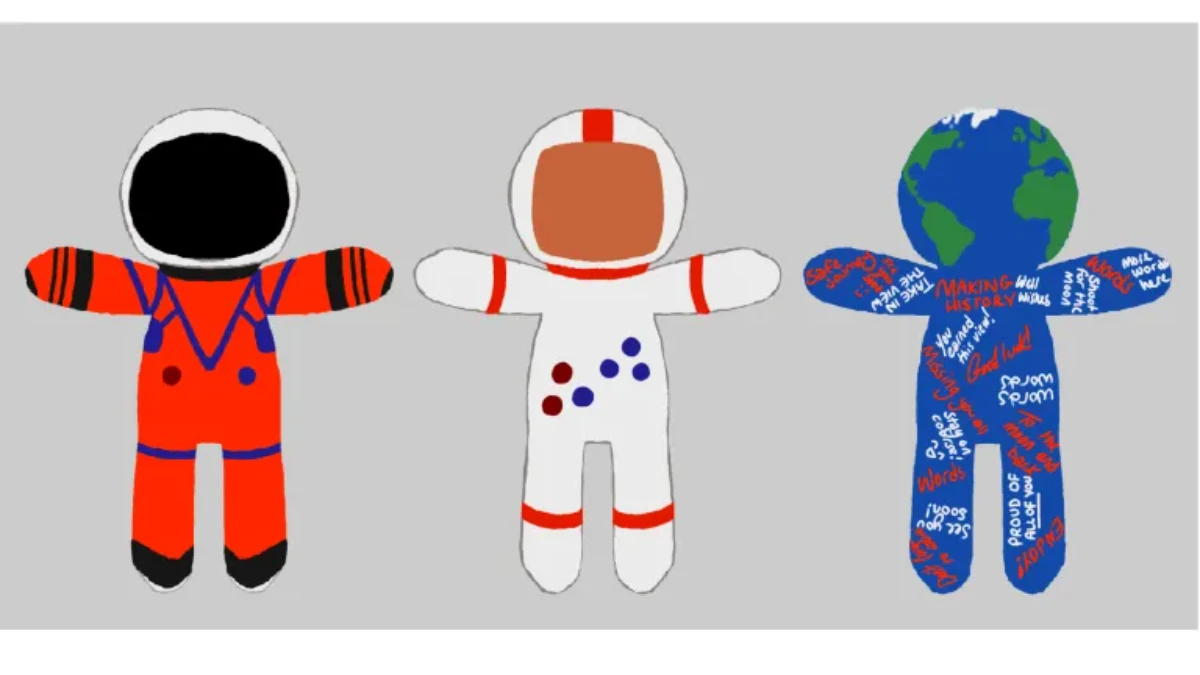
    A young artist from Wales could soon see her creation float around the Moon. Courtney John, a 27-year-old graphic designer from Llanelli, is one of 25 finalists in a NASA contest that could place her toy aboard the Artemis II mission in April 2026. The plush figure, titled “Past, Present, and Future,” is intended to help astronauts spot true weightlessness during the spacecraft’s orbit around the Moon.

    John’s toy consists of three linked human-like figures, each representing a different era of space travel. The first figure wears a suit modeled after Apollo 17, the last moon landing in 1972. The second dons a modern Artemis mission suit, reflecting current lunar exploration.

    The third is a globe-headed figure, carrying handwritten notes from the Artemis II crew, symbolizing future missions. The toy is designed to float in microgravity, allowing astronauts to see when the spacecraft is in freefall around the Moon.

    NASA has used plush toys as zero-gravity indicators before, including a Snoopy doll on Artemis I in 2022. These toys are ideal because they are lightweight, safe, and unlikely to damage equipment if they drift inside the spacecraft. Zero-gravity indicators play an important role in helping astronauts observe when they are truly weightless, which occurs when the pull of gravity is balanced by the spacecraft’s orbital speed.

    Artemis II will carry four astronauts on a 10-day journey around the Moon, testing the Orion spacecraft for crewed lunar missions. The crew includes commander Reid Wiseman, pilot Victor Glover, mission specialist Christina Koch, and Canadian astronaut Jeremy Hansen.

    Glover will become the first Black astronaut to leave low-Earth orbit, while Koch will be the first woman on a lunar mission. The flight was delayed from late 2025 due to upgrades on Orion’s heat shield and other systems.

    The Artemis program aims to establish a long-term human presence on the Moon, with planned bases near the south pole. These bases could access water ice hidden in craters, which can be used for drinking water or split into rocket fuel, reducing the cost of future missions to Mars.

    Artemis III, scheduled for 2027, will land the first woman and a person of color on the lunar surface. Microgravity brings unique challenges, including floating fluids, weakened muscles, and difficulty handling objects, making zero-gravity indicators crucial for daily operations and experiments.

    John, who has long been fascinated by space, entered the contest run by Freelancer to design a toy that captures the spirit of exploration and unity. Being selected would allow her design to be built into a flight-ready toy for Artemis II, linking generations of astronauts and space enthusiasts through a single, floating figure.

  • NASA Funds $300,000 Project to Grow Mushrooms as Space Food for Astronauts

    NASA Funds $300,000 Project to Grow Mushrooms as Space Food for Astronauts

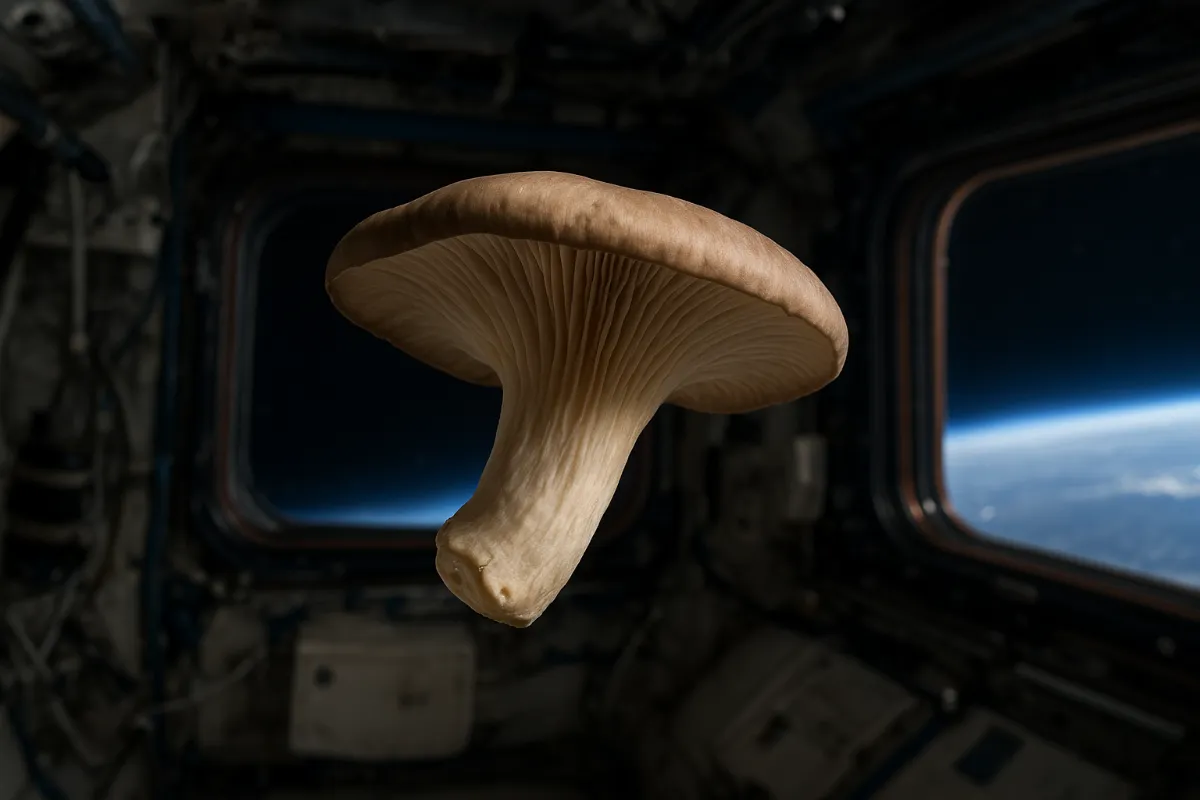
    NASA has awarded a $300,000 grant to Louisiana Tech University scientist Dr. Joshua Vandenbrink to test whether oyster mushrooms can be grown in space. The two-year study will examine if fungi can turn waste such as old clothing and plant scraps into nutritious food for astronauts on long-duration missions.

    The project focuses on Pleurotus ostreatus, also known as white oyster mushrooms. They are quick to grow, require little room, and can thrive on organic waste instead of soil. This makes them a strong candidate for space farming, where resources are limited and waste recycling is essential.

    Vandenbrink and his team will simulate space-like conditions on Earth by adjusting humidity, lighting, and air quality. The goal is to find the best way to grow mushrooms in microgravity before attempting real tests in orbit. The research will support one graduate student and four undergraduates, who will share results at the American Society for Gravitational and Space Research conference.

    Oyster mushrooms are known for their fast growth, often doubling in size daily. They also contain protein, fiber, B vitamins, selenium, and copper. When exposed to light, they produce vitamin D, which could help astronauts who lack direct sunlight. In addition to providing food, these fungi can help recycle waste and even break down pollutants such as petroleum.

    While fungi have potential advantages, they also pose risks in space. Mushroom spores spread easily, which could cause allergies or equipment damage inside a spacecraft. Vandenbrink’s research will test ways to control spores, maintain safety, and measure nutrition and yield under space-like conditions.

    NASA has been considering fungi for more than food. Previous projects have investigated using mushrooms to build structures, known as “mycotecture.” By mixing fungal strains with lunar dust, researchers hope to grow durable materials for space habitats. Other NASA-backed experiments, such as FOODiQ, have already monitored oyster mushroom growth in orbit.

    Vandenbrink, who holds a PhD in genetics from Clemson University, has published widely on how plants respond to light and gravity. He has already contributed to three spaceflight experiments involving plant biology and now aims to design systems that recycle resources during deep space missions.

    Leaders at Louisiana Tech say the project matches the university’s focus on hands-on science. Dean Gary Kennedy called it a practical approach to solving problems in space life support, while Jamie Newman, head of the School of Biological Sciences, noted that students gain experience working on challenges faced by future space crews.

    NASA’s long-term plans include creating self-sustaining systems that recycle air, water, and food. If fungi can provide reliable nutrition while reducing supply needs, they could play a key role in supporting astronauts on missions to Mars and beyond.

  • Mars’ Mantle Holds Ancient Debris From Violent Impacts, InSight Data Reveals

    Mars’ Mantle Holds Ancient Debris From Violent Impacts, InSight Data Reveals

    New research using NASA’s InSight mission has revealed that Mars’ mantle contains leftover fragments from massive collisions that shaped the planet about 4.5 billion years ago. The findings, published in Science on August 28, 2025, show that the Red Planet’s interior has preserved rocky debris from its violent past in a way Earth has not.

    InSight landed on Mars in 2018 and operated until 2022. It recorded more than 1,300 marsquakes with its seismometer. Scientists studying those signals found unusual slowdowns in seismic waves that traveled deep into the mantle, a layer up to 960 miles thick beneath the crust. The waves scattered and delayed in ways that suggested the presence of dense, uneven patches within the mantle.

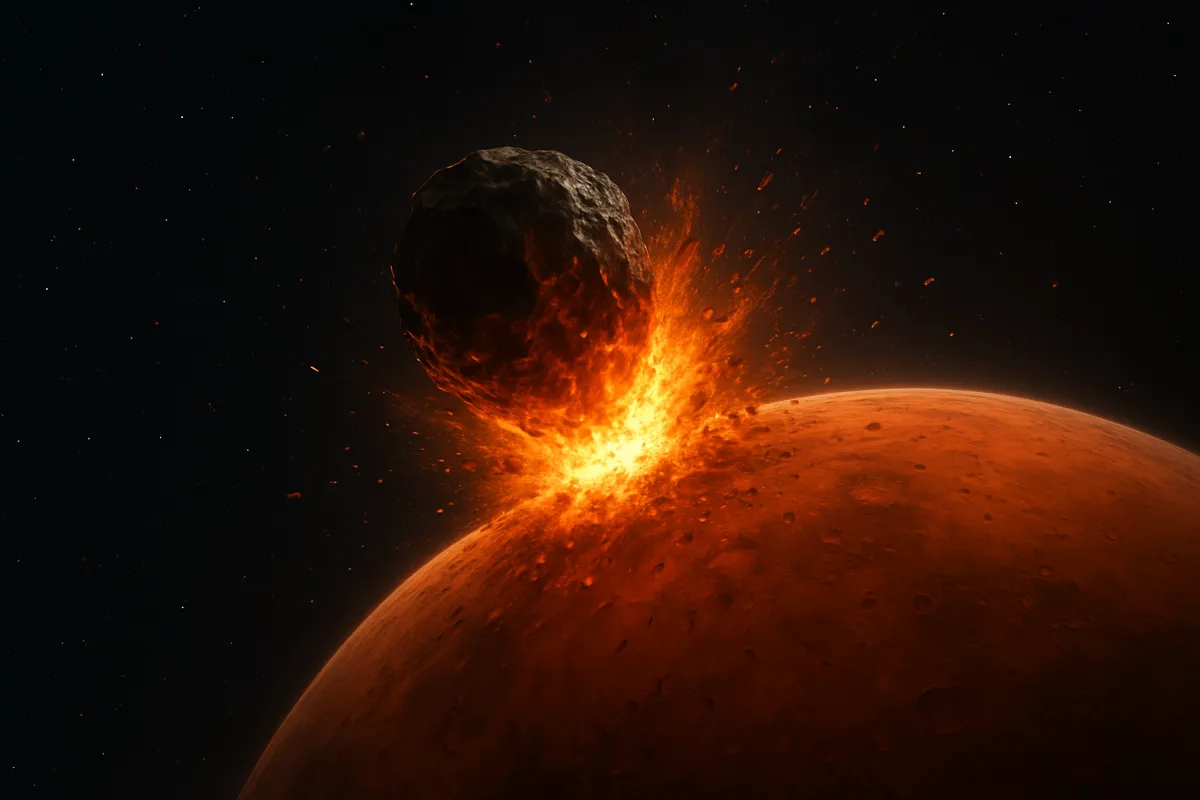
    At first, researchers thought the changes came from the crust. But as the delays increased with depth, computer models pointed instead to lumps of rock within the mantle, some stretching up to 2.5 miles across. These chunks are believed to be remnants of ancient impacts from asteroids or protoplanets that struck young Mars, creating magma oceans where debris sank and became locked in place.

    “We’ve never seen the inside of a planet in such fine detail before,” said Constantinos Charalambous of Imperial College London, lead author of the study. “The survival of these fragments shows that Mars’ mantle has changed very slowly over time, unlike Earth, where tectonics and convection erase features like this.”

    The discovery suggests Mars has acted as a long-term archive of the early solar system. With no plate tectonics, the planet’s mantle retains records of catastrophic events that shaped it billions of years ago. Tom Pike, also from Imperial College and a coauthor, said the clarity of the data was unexpected, noting that what was first thought to be a crustal effect turned out to be mantle structure instead.

    On Earth, mantle mixing and shifting tectonic plates erase traces of its early history. Mars, however, has remained far quieter, preserving evidence of massive impacts that shaped not only itself but also the solar system. The preserved lumps highlight the contrast between Earth’s active interior and Mars’ static one.

    The findings build on InSight’s earlier mapping of the Martian interior, which outlined the structure of its crust, mantle, and core. They also point to what might be found inside other planets without plate tectonics, such as Venus and Mercury.

    The InSight mission, managed by NASA’s Jet Propulsion Laboratory with support from partners in France and Germany, ended in 2022. But its data continues to deliver discoveries, offering new ways to study planets without drilling beneath their surfaces.

    Source: Seismic evidence for a highly heterogeneous martian mantle

  • NASAโ€™s Curiosity rover spots a coral-like, flower-shaped Mars rock, hinting at ancient water systems

    NASAโ€™s Curiosity rover spots a coral-like, flower-shaped Mars rock, hinting at ancient water systems

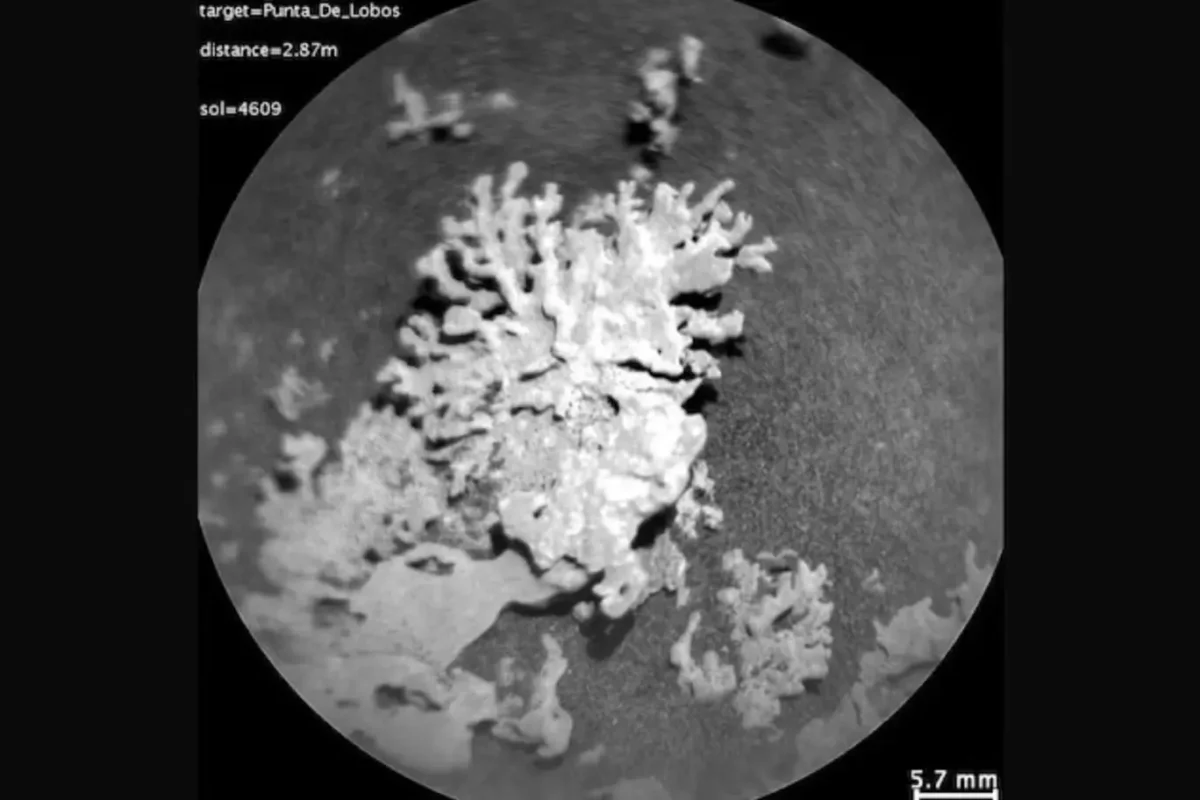
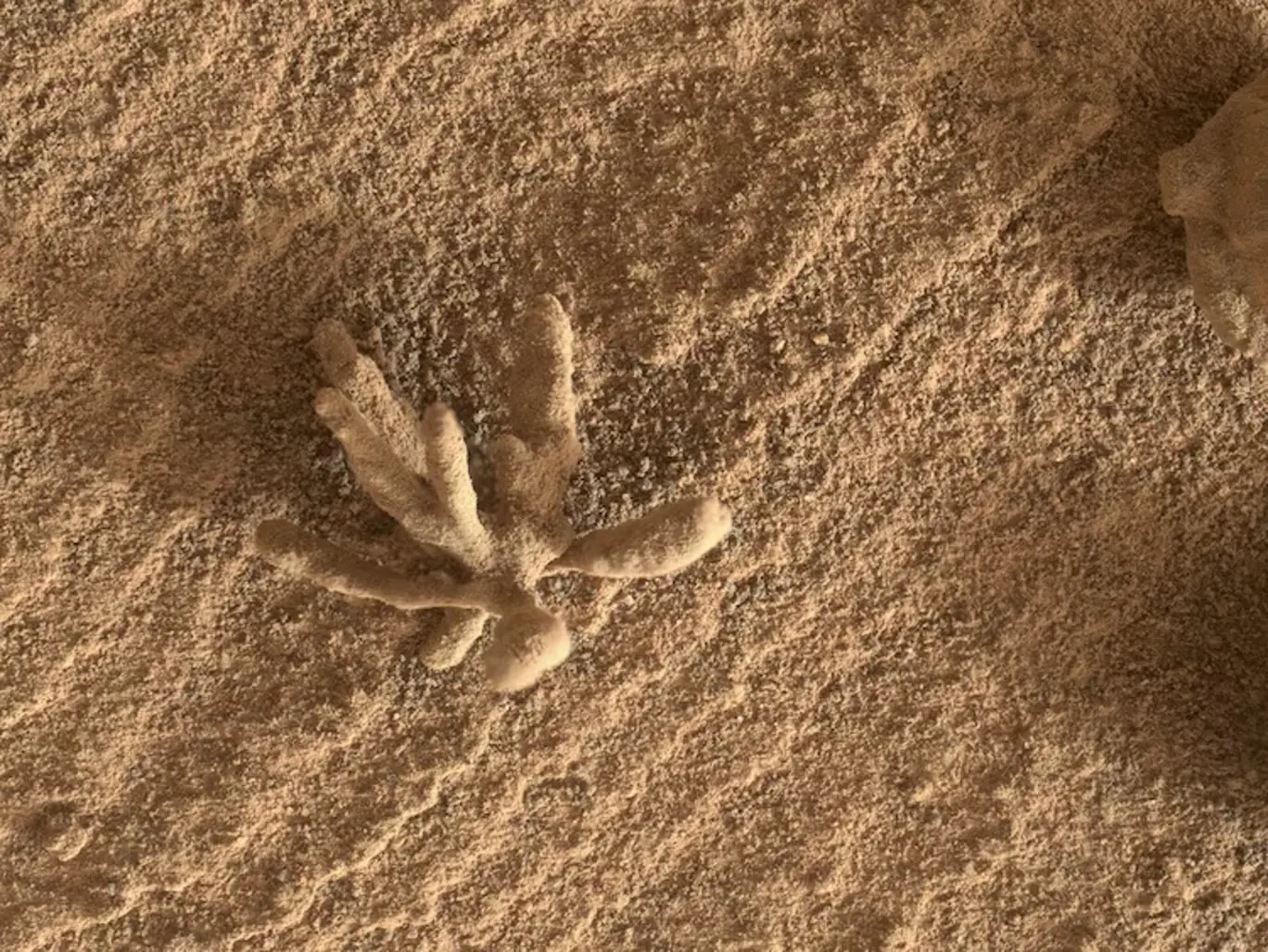
    NASA’s Curiosity rover has spotted rock formations on Mars that look strikingly like coral or flowers. One of the most recent finds, photographed on 24 July, 2025, is a wind-eroded rock about an inch wide, shaped like a piece of reef. These unusual shapes formed when mineral-rich water once flowed through cracks in the rock and left hardened deposits behind.

    Billions of years ago, Mars had rivers, lakes, and possibly an ocean. Water carried dissolved minerals into fractures in the bedrock. When the water evaporated, it left behind minerals that hardened over time. On Earth, the same process creates intricate structures in deserts and dried lakebeds.

    On Mars, eons of wind-driven sand have worn away softer material, leaving behind the more resistant mineral ridges in shapes resembling flowers or corals.

    Flower-shaped structure on Mars.
    Flower-shaped structure on Mars captured by NASA’s Curiosity rover on February 24, 2022. Image credit: NASA

    The newly photographed “Paposo” rock joins a growing list of similar discoveries. In 2022, Curiosity found another flower-shaped rock believed to have formed in the same way. In June this year, the rover also imaged “spiderweb” patterns—networks of ridges that are further evidence of water activity beneath the surface in the planet’s past.

    Curiosity landed in Gale Crater in 2012 after an eight-month, 352-million-mile journey from Earth. Since then, it has travelled over 22 miles, studying Martian geology and climate. Its findings confirm that Mars once had environments that could have supported microbial life.

    The ongoing mission continues to collect samples and images, helping scientists piece together the story of how the Red Planet changed from a watery world to the cold desert we see today.

    These coral-like rocks are physical records of ancient Martian water systems. Each new discovery adds detail to our understanding of Mars’ history and raises fresh questions about the planet’s past climate, its underground water reserves, and its potential to have once hosted life.

  • NASA, Google test AI medical assistant for Astronauts on deep space missions

    NASA, Google test AI medical assistant for Astronauts on deep space missions

    NASA and Google are testing an AI assistant designed to help astronauts diagnose and treat health problems during long missions, including future trips to Mars. The tool, called the Crew Medical Officer Digital Assistant (CMO-DA), uses Google’s technology to guide crews through medical procedures when communication delays make real-time help from Earth impossible.

    The project aims to prepare astronauts for missions where radio signals take up to 20 minutes each way, making quick consultations with doctors on Earth unfeasible. Crews are small, and not every member has medical training, so the AI can provide step-by-step instructions for handling issues such as infections, injuries, and motion sickness.

    NASA’s Johnson Space Center led the effort, working with Google Cloud to develop and test the tool in simulated space environments. During trials, CMO-DA used simple crew inputs to identify problems, recommend treatments, and suggest equipment such as ultrasound devices. It was tested on real astronaut scenarios, including minor wounds and space motion sickness.

    Microgravity weakens bones and muscles, while cosmic radiation increases long-term health risks. CMO-DA could help monitor these conditions and offer preventive measures, drawing on large medical databases without constant Earth contact. Future versions may integrate with wearable sensors to track vital signs in real time and predict potential health problems.

    If successful, the system could be deployed on missions beyond low Earth orbit, supporting NASA’s Artemis program to return astronauts to the Moon by 2026 and sending crews to Mars in the 2030s. It could also benefit medical care on Earth, especially in rural areas or disaster zones where doctors are scarce.

    The partnership is still in the proof-of-concept stage, and further testing is needed to ensure reliability in space. But NASA says the early results show promise for making deep space crews more self-reliant.

  • NASA Plans to build a Nuclear Power Plant on Moon by 2030s

    NASA Plans to build a Nuclear Power Plant on Moon by 2030s

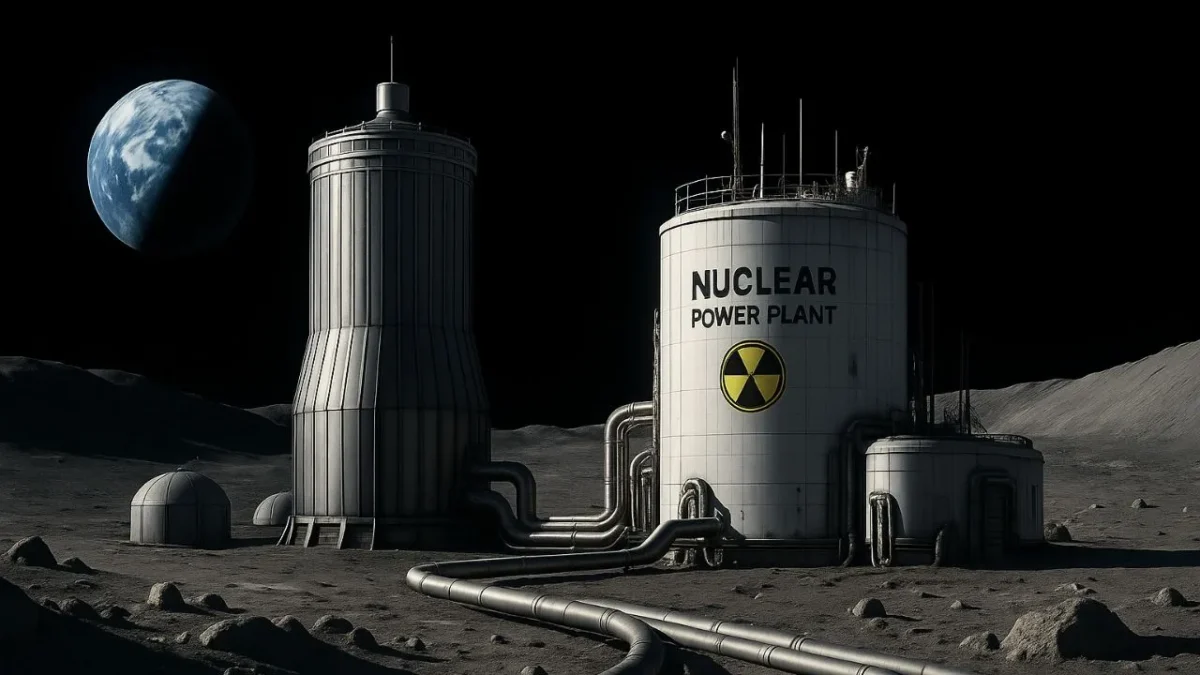
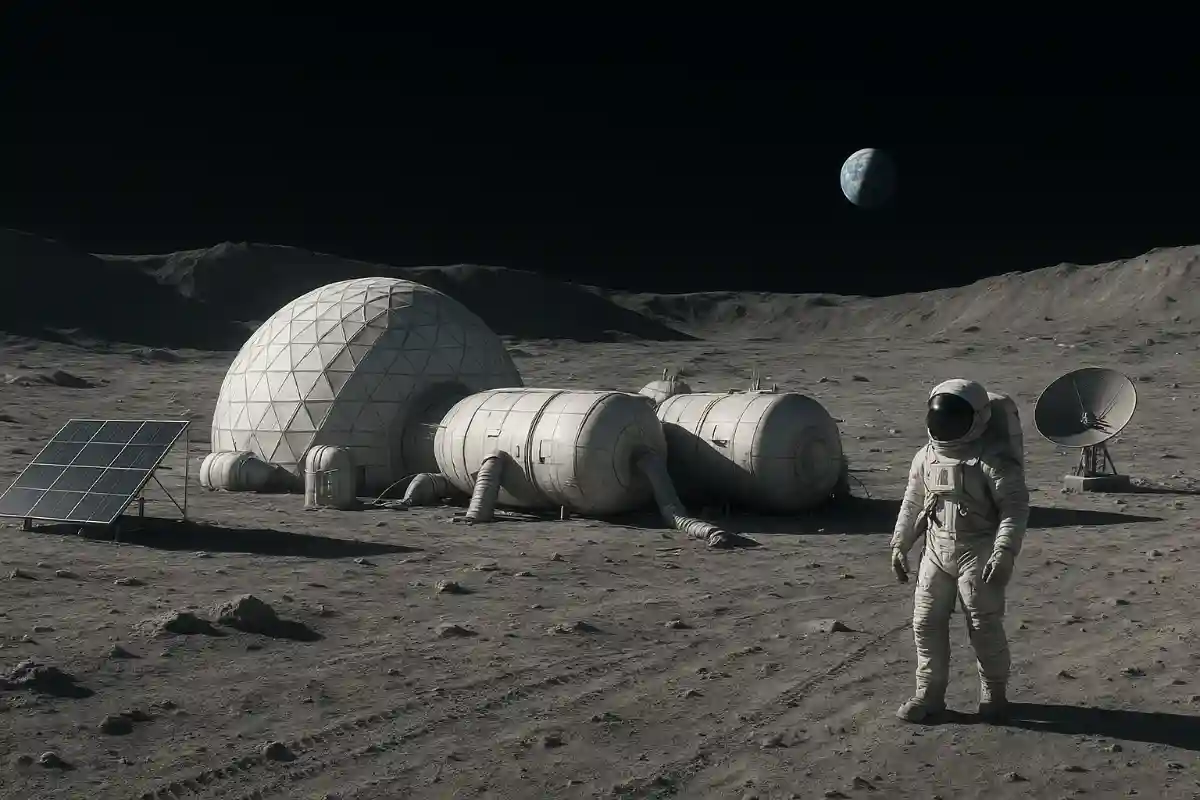
    NASA is set to build a nuclear power plant on the moon by the early 2030s to support its ambitious human exploration plans as part of the Artemis program targeting the lunar south pole. The reactor, designed to generate at least 100 kilowatts of electricity, will provide a reliable energy source during the moon’s two-week-long nights, when temperatures drop drastically and solar panels become ineffective.

    This move comes as China and Russia pursue similar lunar power projects, intensifying competition for strategic lunar sites.

    The lunar south pole, rich in water ice, is a prime target for NASA’s Artemis missions, which aim to establish a sustainable human presence on the moon. However, the region’s prolonged darkness makes solar power unreliable.

    “The lunar night is two weeks. It’s basically two weeks of light, two weeks of darkness. It’s cold and dark, so solar doesn’t work in all the regions that are of interest to explore,” John M. Olson, CEO of Axions Corporation and a retired U.S. Air Force major general, told Florida Today.

    The proposed reactor will use nuclear fission to produce heat, which a closed Brayton cycle will convert into electricity powering life support, scientific tools, and water extraction. This technology builds on decades of research, with NASA investing $200 million since 2000. The U.S. government has now committed $350 million in President Trump’s 2026 budget, with an additional $500 million planned, to fast-track the project.

    NASA aims to select commercial partners within the next eight months, with a launch targeted for 2030. A new Fission Surface Power Program Executive will oversee the effort starting next month.

    The stakes are significant. China and Russia are developing their own lunar reactors, with plans to deploy them by the mid-2030s. If they succeed first, they could claim key lunar territories, potentially limiting U.S. access. The lunar south pole’s resources make it a focal point for international competition, raising concerns about geopolitical tensions in space.

    Challenges remain. Budget constraints, including the planned phase-out of NASA’s Space Launch System after Artemis V, could strain funding. Cost overruns, a common hurdle in large-scale projects, also pose risks.

    NASA emphasizes safety, drawing on its experience with nuclear-powered missions like the Mars rover and Voyager spacecraft, which used plutonium-238 to operate far from the sun.

    A nuclear power plant on the moon would not only power life support and scientific experiments but also lay the groundwork for future Mars missions. As nations race to establish a foothold on the moon, the next decade will shape the future of space exploration.

  • York and NASA launch BARD satellite to fix growing interference in satellite traffic

    York and NASA launch BARD satellite to fix growing interference in satellite traffic

    York Space Systems launched its BARD satellite on July 29, 2025, from Vandenberg Space Force Base. Developed with NASA’s Space Communications and Navigation (SCaN) Program and Johns Hopkins Applied Physics Laboratory, the mission tests the Polylingual Experimental Terminal (PExT). This technology links government and commercial satellite networks in real time. It could transform space communications.

    BARD supports NASA’s move toward commercial space communications. PExT enables older government satellites to work with networks like SpaceX’s Starlink, with over 7,600 satellites as of May 2025. Reliable data relay is critical for missions. These range from climate monitoring to lunar exploration.

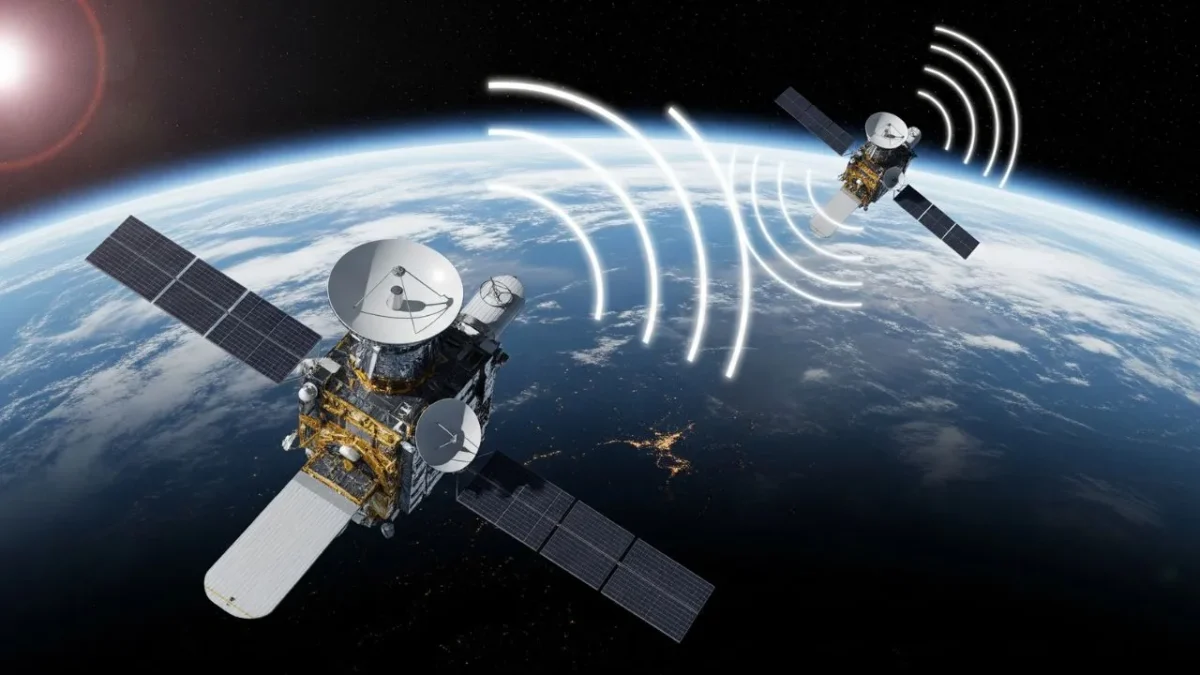
    Satellites use radio waves to transmit data, such as images or scientific measurements. Crowded orbits can lead to signal conflicts, especially with large commercial constellations. PExT acts like a universal translator for satellites. It aims to streamline communication and reduce interference.

    Initial contact with the BARD satellite confirmed all systems are functioning well. This marks a strong start for York’s second of five 2025 missions, following June’s Dragoon mission. The company is advancing space technology rapidly. Three more missions are planned this year.

    “We’re delivering missions that meet urgent needs with speed and reliability,” said Melanie Preisser, York’s general manager. BARD aligns with NASA’s Space Communications and Navigation program. It focuses on flexible systems for future missions, like Artemis lunar landings.

    York designs, builds, and operates satellites for defense, civil, and commercial clients. Its growing fleet supports global communication needs. BARD’s success could set standards for cross-network satellite protocols. This would improve data relay efficiency worldwide.

    Commercial constellations like Starlink highlight the need for BARD’s technology. With frequent satellite launches, clear communication channels are essential. PExT could prevent signal overlaps, especially for deep-space missions requiring precise data.

    NASA’s partnership with York shows a shift toward commercial space solutions. A 2024 NASA report noted that commercial networks could cut communication costs by 20% compared to traditional systems. BARD’s PExT testing strengthens these efforts.