Tag: NASA

  • NASA: Sunita Williams and Butch Wilmore will return in March

    NASA: Sunita Williams and Butch Wilmore will return in March

    NASA has officially announced that the American astronauts Sunita Williams and Butch Wilmore, along with Crew-9 astronauts, are scheduled to return to Earth, while Crew-10 will launch on March 12.

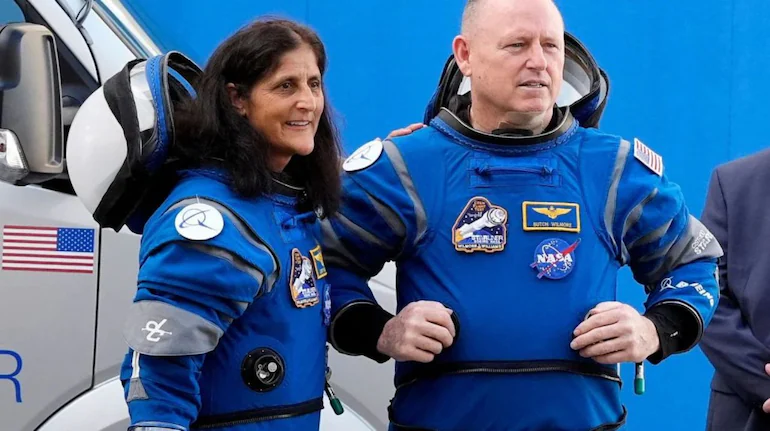
    Astronauts Sunita Williams and Butch Wilmore docked at the International Space Station (ISS) in June 2024 aboard the Boeing Starliner for an 8-day mission. However, they have been stuck on the ISS for over 9 months as of February 19.

    The Boeing Starliner mission aimed to test the Boeing Starliner spacecraft, which was developed over several years by Boeing engineers to transport astronauts to and from the ISS. Traditionally, astronauts have been sent to the ISS using either the Russian Soyuz spacecraft or the SpaceX Crew Dragon spacecraft.

    Unfortunately, the Boeing Starliner mission encountered multiple delays and malfunctions during both launch and docking. A few months after docking, NASA and Boeing engineers declared the spacecraft unsafe due to several thruster failures and malfunctions. The Boeing Starliner spacecraft returned to Earth uncrewed on September 6.

    Due to the issues with the Boeing Starliner, NASA enlisted SpaceX to facilitate the return of Sunita Williams and Butch Wilmore. To accommodate this, two seats were left empty on the SpaceX Crew-9 Dragon spacecraft mission. The Crew-9 Dragon spacecraft docked with the ISS on September 29.

    The SpaceX Dragon spacecraft will now return with Crew-9 astronauts Nick Hague, and Roscosmos astronaut Aleksandr Gorbunov, along with Boeing Starliner astronauts Sunita Williams and Butch Wilmore on March 12.

  • James Webb Telescope spots massive Milky Wayโ€“like galaxy just 600M years after Big Bang

    James Webb Telescope spots massive Milky Wayโ€“like galaxy just 600M years after Big Bang

    NASAโ€™s James Webb Space Telescope (JWST) has uncovered a massive galaxy that existed just 600 million years after the Big Bang, weighing nearly as much as the Milky Way. The discovery was made in the galaxy cluster MACS J1423, and the object has been designated WEIC2429, nicknamed the โ€œFirefly Sparkle Galaxyโ€ for its glittering appearance.

    The finding was led by co-author Lamiya Mowla, assistant professor at Wellesley College, who identified the galaxy in JWSTโ€™s image. NASA described the discovery in a poetic post on X: โ€œSomeone struck a match against the nightโ€ฆโ€ The dazzling image left viewers amazed, with users marveling at how Webb continues to reshape our view of the cosmos.

    The Firefly Sparkle Galaxy contains 10 distinct star clusters, emitting light in pink, purple, and blue hues. This color variety indicates that star formation occurred in staggered phases, not all at once. JWSTโ€™s detailed view was made possible by its advanced technology and gravitational lensing, which magnified the galaxyโ€™s faint light through the massive cluster MACS J1423.

    In the image, the galaxy appears stretched into a long arc. Researchers later modeled its true form, suggesting an elongated raindrop shapeโ€”a sign that the stars have yet to settle into a bulge or disc. Its evolution remains uncertain, influenced by two companion galaxies located 6,500 and 42,000 light-years away.

    The study, published in Nature, marks the first identification of an actively forming galaxy with a mass comparable to a young Milky Way so early in cosmic history. It provides key insights into how galaxies like ours began assembling soon after the Big Bang.

  • Donald Trump Nominates Billionaire Jared Isaacman as New NASA Administrator

    Donald Trump Nominates Billionaire Jared Isaacman as New NASA Administrator

    U.S. President Donald J. Trump has nominated billionaire businessman and private astronaut Jared Isaacman to serve as the next administrator of NASA. The announcement came on December 4, 2024, with Isaacman set to replace Bill Nelson, who oversaw landmark missions including the James Webb Space Telescope, Artemis 1, and the DART asteroid impact test.

    In a post on X, Trump described Isaacman as a business leader, philanthropist, pilot, and astronaut, praising his ability to guide NASAโ€™s mission of discovery and innovation. He said Isaacman would help drive progress in space exploration and technology while continuing Americaโ€™s role as a leader in science and exploration.

    Isaacman, 41, accepted the nomination publicly, thanking Trump and expressing enthusiasm for the opportunity. โ€œHaving been fortunate to see our amazing planet from space, I am passionate about America leading the most incredible adventure in human history,โ€ he wrote.

    Isaacman, with an estimated net worth of $1.7 billion, is the founder and CEO of Shift4, a payment processing company originally launched in 1999 under the name Union Bank Card. He left school at age 16 to pursue the venture, which later became a major financial technology firm.

    In addition to his business career, Isaacman has built a high-profile presence in the space industry. He commanded SpaceXโ€™s Inspiration4 mission in 2021, the first all-civilian orbital flight, which also raised $100 million for St. Jude Childrenโ€™s Research Hospital. More recently, in September 2024, he became the first private astronaut to conduct a spacewalk during the Polaris Dawn mission.

    If confirmed, Isaacman will lead NASA at a pivotal moment, as the agency prepares for future Artemis missions to the Moon, long-term Mars exploration goals, and expanded partnerships with commercial space companies.

  • Toxic Odor Detected on ISS from Russian Cargo Ship, Crew Contained Incident Safely

    Toxic Odor Detected on ISS from Russian Cargo Ship, Crew Contained Incident Safely

    Astronauts aboard the International Space Station (ISS) detected a toxic smell shortly after opening the hatch of Russia’s Progress MS-29 cargo spacecraft, which had docked with the station on November 23. The odor, traced to materials inside the newly arrived supply ship, prompted the crew to quickly seal the hatch and activate air filtration systems to ensure their safety.

    Progress MS-29 had delivered more than 5,500 pounds of supplies, including food, propellant, and equipment. The spacecraft docked to the Poisk module two days after launch, and the incident occurred when astronauts began unloading its cargo.

    Along with the odor, the crew also observed small droplets floating inside the vehicle. The crew reported the issue to mission control several hours later.

    Commander Sunita Williams and astronaut Butch Wilmore, who are currently leading the station crew, followed emergency procedures and closed off the Progress spacecraft. Ground controllers then initiated the station’s air-cleaning systems, including the Trace Contaminant Control Subassembly, to remove any lingering toxins. According to NASA, air quality returned to normal by the time the systems were fully engaged.

    Williams and Wilmore have been on the ISS since July, after arriving on Boeing’s Starliner spacecraft. Technical problems forced the Starliner to return to Earth without them, leaving the pair to extend their mission for at least six months. NASA has scheduled their return aboard a SpaceX Crew Dragon capsule in February 2025.

    The extended stay has brought health challenges, including weight loss for Williams due to prolonged exposure to microgravity. NASA continues to monitor the astronauts closely as they manage the demands of their unplanned longer mission, now marked by the added complication of the Progress cargo issue.

  • James Webb and Hubble Capture Detailed Images of Merging Galaxies IC 2163 and NGC 2207

    James Webb and Hubble Capture Detailed Images of Merging Galaxies IC 2163 and NGC 2207

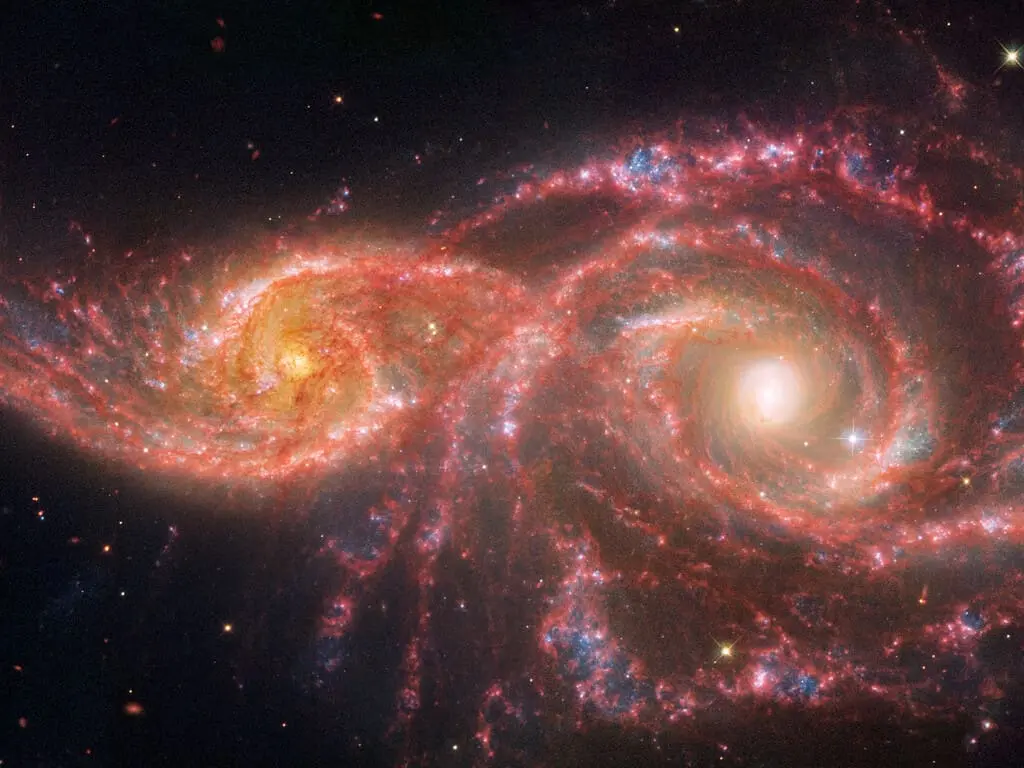
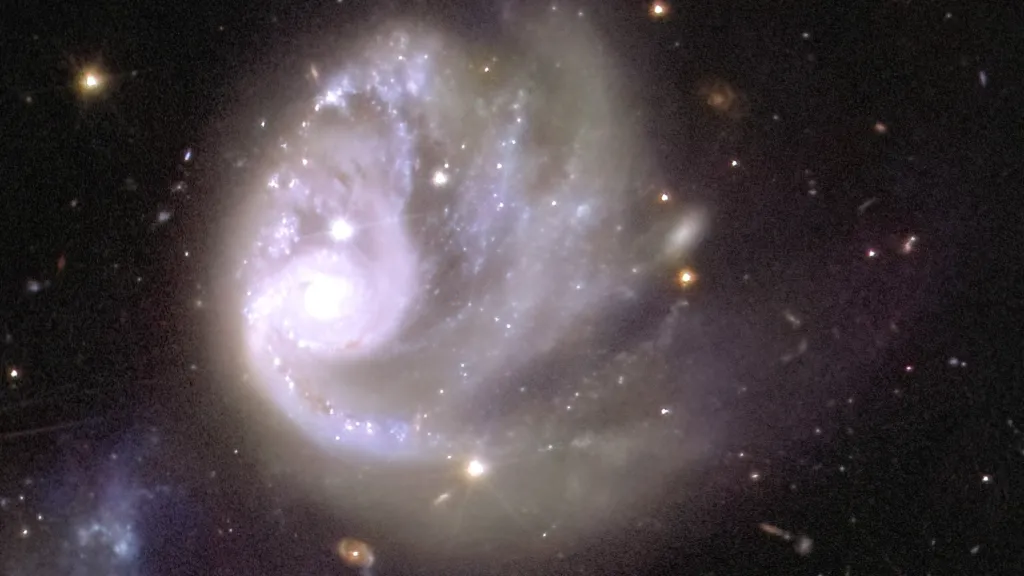
    The European Space Agency (ESA) released new images of the merging galaxy pair IC 2163 and NGC 2207 on October 31, 2024. Captured by both the James Webb Space Telescope and the Hubble Space Telescope, the images show the smaller galaxy IC 2163 interacting with the larger NGC 2207. The collaboration between the two telescopes provides a more complete view, combining infrared and visible light data.

    IC 2163 and NGC 2207 are in the early stages of a galactic merger, with IC 2163 currently shifting behind the larger galaxy. Such interactions, known as galactic cannibalism, are common across the universe. According to the Harvard Center for Astrophysics, roughly 25 percent of galaxies experience mergers at some point in their history.

    The James Webb Space Telescope (JWST) captures infrared light, revealing details invisible to the human eye, while Hubble records visible light. This combination allows scientists to study the structure, star formation, and dust content of merging galaxies in greater detail than ever before.

    Previously, James Webb captured images of another pair of merging galaxies, ARP 142, demonstrating its ability to track dynamic interactions over time. Observing galaxy mergers helps researchers understand how galaxies evolve and grow.

    The IC 2163 and NGC 2207 images highlight both the scale and complexity of galactic interactions. Scientists will continue to monitor these galaxies to learn more about their movement, collision effects, and the broader role of mergers in shaping the universe.

  • NASA’s SpaceX Crew-8 Returns Safely to Earth After Nearly Eight Months on ISS

    NASA’s SpaceX Crew-8 Returns Safely to Earth After Nearly Eight Months on ISS

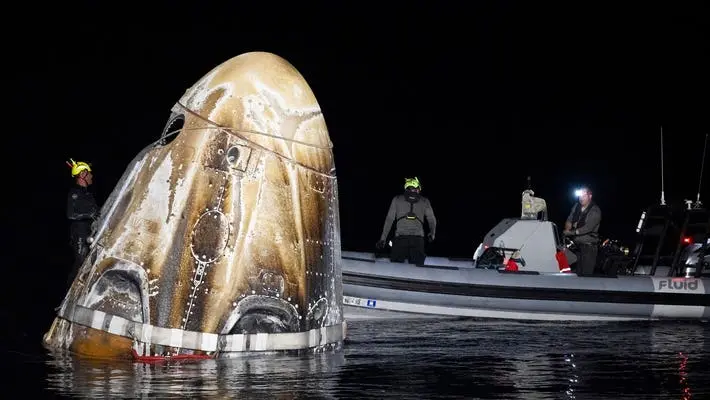
    NASA’s SpaceX Crew-8 astronauts returned to Earth aboard the SpaceX Dragon spacecraft at 3:29 a.m. EDT on October 25, 2024, splashing down off Pensacola, Florida, reported Forbes. The crew included NASA astronauts Matthew Dominick, Michael Barratt, and Jeanette Epps, and Roscosmos cosmonaut Alexander Grebenkin. Recovery teams from NASA and SpaceX secured the spacecraft promptly after landing.

    The astronauts spent nearly eight months aboard the International Space Station, completing research, maintenance, and other mission objectives. The mission, originally planned for two months, was extended due to delays in a Boeing Starliner mission carrying astronauts Sunita Williams and Butch Wilmore.

    During routine medical assessments after splashdown, one astronaut required further evaluation. All four astronauts were taken to a hospital in Pensacola. Three have since been discharged, while the fourth remains under observation in stable condition. NASA has not disclosed the identity or the medical details of the astronaut to protect privacy.

    Crew-8 launched on March 3, 2024, atop a SpaceX Falcon 9 rocket. The mission delivered the astronauts safely to the ISS, where they participated in ongoing research and station maintenance. The extended mission allowed continued support of ISS operations during the Starliner delay.

    The Boeing Starliner spacecraft recently returned uncrewed after docking issues, and NASA now plans to bring Williams and Wilmore back using the upcoming Crew-9 Dragon mission. This adjustment frees up two seats for the next SpaceX flight, which will carry NASA astronaut Nick Hague and Roscosmos astronaut Aleksandr Gorbunov.

    The successful return of Crew-8 demonstrates the continued partnership between NASA and SpaceX, maintaining ISS operations and safely rotating crews despite scheduling challenges and technical delays.

  • James Webb Spots Possible First Brown Dwarfs Beyond the Milky Way in Star Cluster NGC 602

    James Webb Spots Possible First Brown Dwarfs Beyond the Milky Way in Star Cluster NGC 602

    Astronomers using the James Webb Space Telescope (JWST) have identified what may be the first young brown dwarfs ever found outside the Milky Way. The discovery was announced by the European Space Agency (ESA) on October 23.

    The observations targeted NGC 602, a rich young star cluster on the outskirts of the Small Magellanic Cloud, a satellite galaxy about 200,000 light-years away. Webb’s Near-Infrared Camera (NIRCam) captured the detailed data in April 2023 as part of its General Observer program.

    An international team including Peter Zeidler, Elena Sabbi, Elena Manjavacas, and Antonella Nota analyzed the data. Their findings revealed several candidates for brown dwarfs (objects that are too massive to be considered planets but not massive enough to sustain nuclear fusion like stars).

    Brown dwarfs typically range between 13 and 80 times the mass of Jupiter. Until now, all confirmed examples had been found inside the Milky Way. If confirmed, these candidates would mark the first detection of such objects in another galaxy.

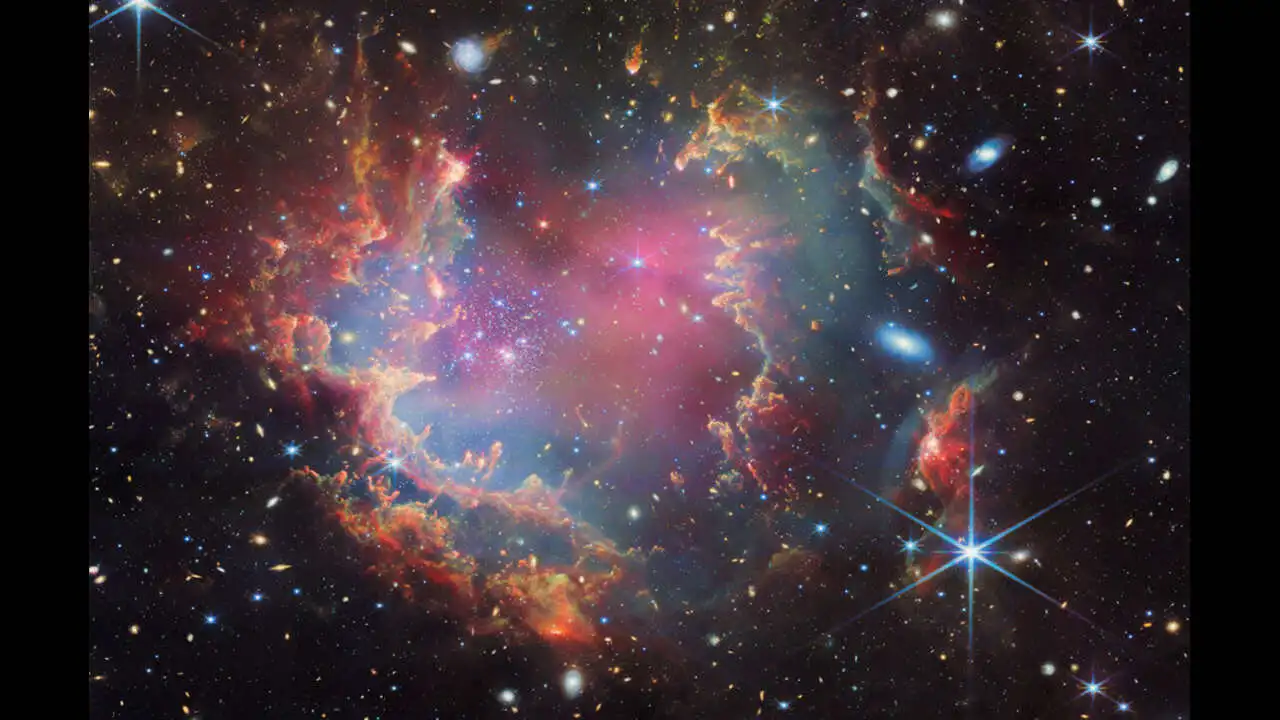
    NGC 602 provides a rare environment for study because its chemical composition resembles that of the early universe. Webb’s imagery shows dark, dense dust clouds, ridges of gas, and signs of active star formation, offering astronomers a chance to trace how stars and substellar objects emerge in different galactic conditions.

    NASA shared Webb’s new image of NGC 602 on X, calling it “rainbows and unicorns, like a middle school binder.” The colorful view shows a crowded region of stars, young stellar objects, and intricate structures of dust and gas, highlighting Webb’s ability to resolve distant clusters in unprecedented detail.

    The telescope has previously delivered sharp images of massive clusters such as Westerlund 1, but NGC 602 stands out for its location beyond our galaxy and the potential breakthrough in identifying brown dwarfs there.

  • ESA and NASAโ€™s Euclid Telescope Reveals 208-Gigapixel Sky Mosaic at Milan Congress

    ESA and NASAโ€™s Euclid Telescope Reveals 208-Gigapixel Sky Mosaic at Milan Congress

    On October 15, the European Space Agency (ESA) and NASA presented the first large-scale mosaic image captured by the Euclid space telescope during the International Astronautical Congress in Milan. The mosaic represents just 1% of the telescope’s planned sky survey, yet it already reveals a breathtaking view of the universe.

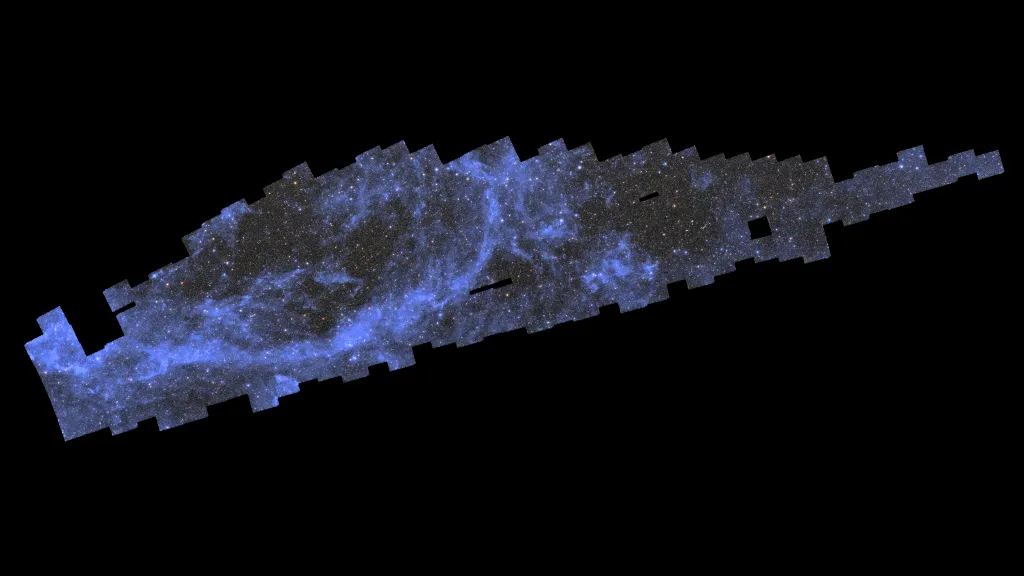
    Between March 25 and April 8, Euclid conducted 260 observations, covering 132 square degrees of the southern sky (an area 500 times larger than the full moon). The result is a 208-gigapixel image containing about 100 million stars and galaxies. ESA has made the mosaic interactive, allowing viewers to zoom in and explore detailed cosmic structures.

    Euclid Space Telescopes mosaic zoomed in 150 times
    The mosaic image is zoomed in 150 times, revealing two interacting galaxies 470 million light-years away. Image credit: ESA / Euclid / Euclid Consortium / NASA / CEA Paris-Saclay / J.-C. Cuillandre / E. Bertin / G. Anselmi

    One zoomed-in section, magnified 150 times, reveals two galaxies interacting 470 million light-years away. The image also highlights faint Galactic Cirrus (clouds of dust and gas), showing the telescope’s ability to capture subtle features of the cosmos through its highly sensitive visible light camera.

    Euclid was launched on July 1, 2023, as a collaboration between ESA and NASA. The six-year mission aims to study dark matter and dark energy, the forces driving the accelerating expansion of the universe. Using its Visible Imager (VIS) and Near-Infrared Spectrometer (NISP), Euclid will measure the shapes, distances, and motions of billions of galaxies up to 10 billion light-years away, creating the largest 3D map of the cosmos ever attempted.

    The first mosaic marks only the beginning of Euclid’s work, but it already demonstrates the telescope’s promise in reshaping our understanding of the universe’s hidden structure.

  • Prada and Axiom Space Unveil New Lunar Spacesuit for NASAโ€™s Artemis III Astronauts in Milan

    Prada and Axiom Space Unveil New Lunar Spacesuit for NASAโ€™s Artemis III Astronauts in Milan

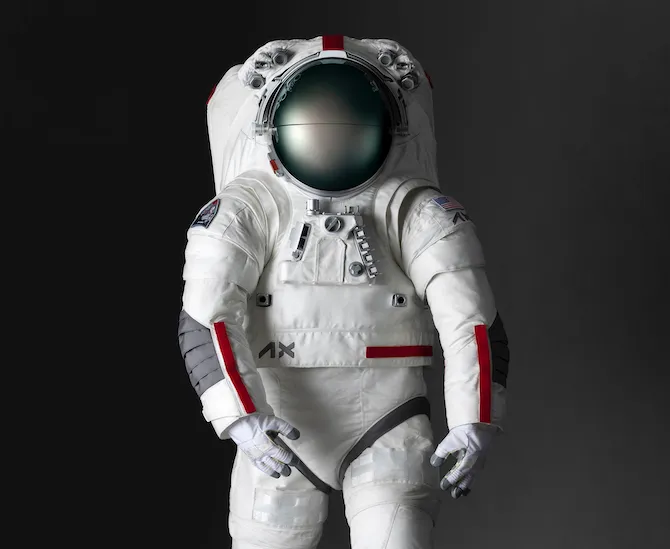
    Italian fashion house Prada and Houston-based startup Axiom Space have revealed the design of NASA’s next-generation lunar spacesuit. The announcement was made at the International Astronautical Congress in Milan, where the companies showcased the suit that will be worn by the first woman and the first person of color to land on the Moon during the Artemis III mission, planned for late 2026.

    The new suit, built for both durability and mobility, has been engineered for long-duration spacewalks on the lunar surface. While designed in partnership with Prada, the suit does not feature any logos or fashion embellishments.

    Instead, its white material reflects heat and shields astronauts from extreme temperatures and sharp lunar dust. The design includes a cropped torso for mobility and specially made boots to support astronauts working outside for up to eight hours.

    Although most of the suit is white, it features red stripes linked to Prada’s Linea Rossa technical line. The brand originally developed the line for its Luna Rossa sailing team in the America’s Cup. In Italian, “Luna Rossa” translates to “Red Moon,” a reference that carries over to the lunar project.

    Axiom Space executives described the suit as a mix of engineering, functionality, and design. “We’re blending engineering, science, and art,” said Russell Ralston, the company’s executive vice president, at the press event.

    The upgrade comes as human spaceflight enters a new phase. Private missions have already begun testing new capabilities, including tech billionaire Jared Isaacman’s recent spacewalk, the first carried out by a private citizen. As access to space grows, NASA and its partners have stressed the need for equipment that is lighter, more flexible, and safer than the older suits used during previous missions.

    The Artemis mission, which will return astronauts to the Moon for the first time in more than 50 years, is expected to rely on these new suits to allow diverse crews to live and work more effectively on the lunar surface.

  • NASAโ€™s Europa Clipper Launches on $5 Billion Mission to Hunt for Life on Jupiterโ€™s Moon

    NASAโ€™s Europa Clipper Launches on $5 Billion Mission to Hunt for Life on Jupiterโ€™s Moon

    NASA’s Europa Clipper

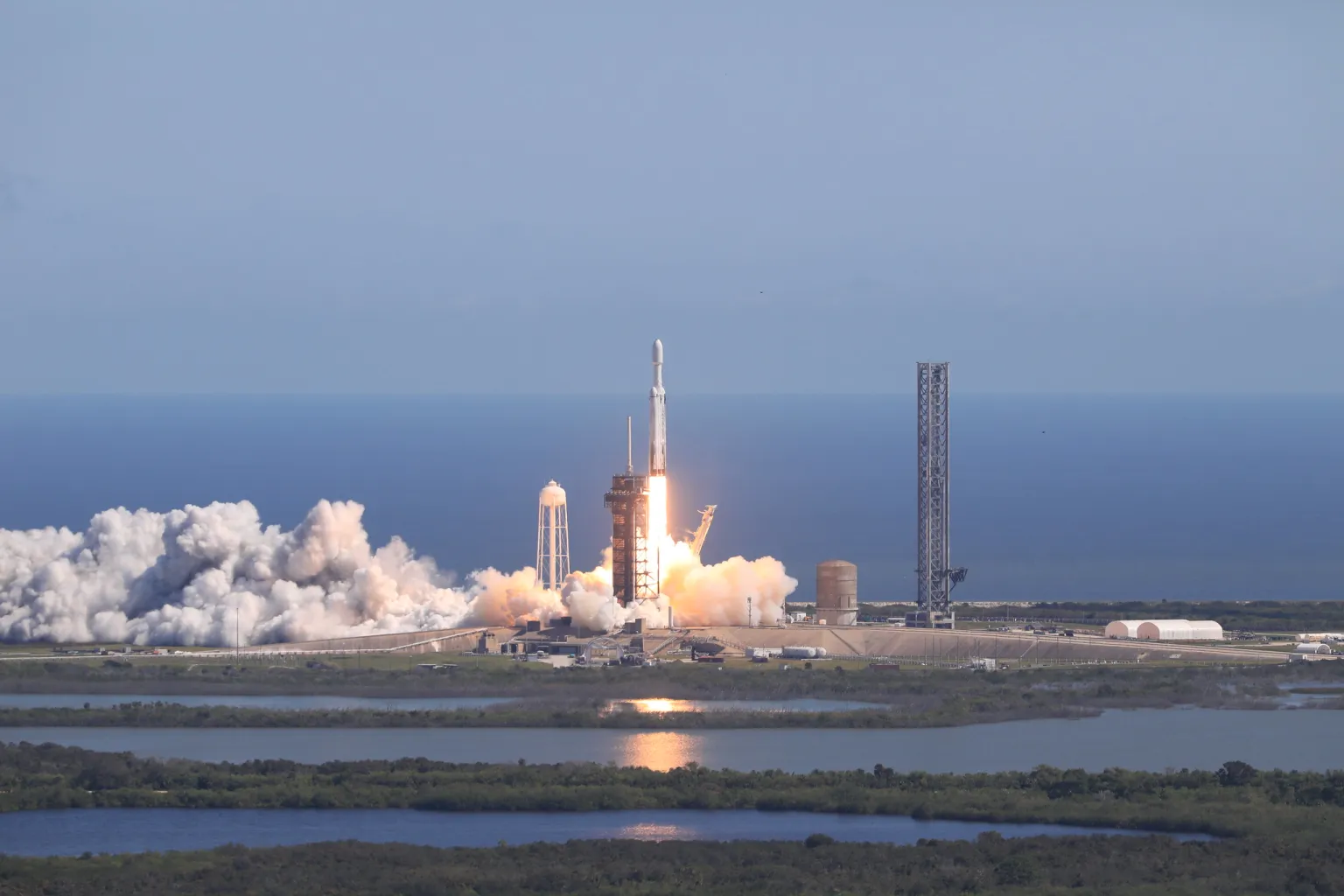
    spacecraft has begun its journey to Jupiter after launching on a SpaceX Falcon Heavy rocket from Kennedy Space Center in Florida on October 14, 2024, at 12:06 p.m. local time (16:06 GMT). The $5 billion mission aims to investigate whether Europa, one of Jupiter’s largest moons, could host conditions suitable for life beneath its thick shell of ice.

    The launch had originally been scheduled for October 10 but was postponed when Hurricane Michael swept across Florida’s coast, delaying preparations at the Cape. Once conditions improved, the heavy-lift rocket carried the spacecraft into orbit before sending it on a trajectory toward the outer solar system.

    Europa Clipper is set to travel nearly 1.8 billion miles over the next six years, arriving at Jupiter in 2030. Instead of orbiting Europa directly, the spacecraft will circle Jupiter and conduct dozens of close flybys of the moon. This design reduces radiation exposure from Jupiter’s magnetic field while still allowing the probe to collect detailed data.

    Scientists are particularly interested in Europa because its subsurface ocean, hidden beneath a thick icy crust, is believed to contain more water than all of Earth’s oceans combined. This has made it one of the most promising locations in the search for extraterrestrial life within our solar system.

    The spacecraft carries a suite of advanced instruments designed to study Europa’s ice shell, surface features, and the composition of its saltwater ocean. Cameras and spectrometers will map the surface, while radar instruments will probe the layers of ice to determine its thickness.

    One of the mission’s key goals is to fly through possible plumes of water vapor venting from Europa’s surface, similar to those observed on Saturn’s moon Enceladus by the Cassini spacecraft in 2005. Sampling these plumes could reveal whether the hidden ocean contains chemical ingredients that support life.

    With Europa Clipper now on its way, NASA hopes the mission will provide the clearest evidence yet about whether one of Jupiter’s frozen moons is capable of sustaining living organisms.