Tag: NASA

  • NASA’s Europa Clipper to Hunt for Habitable Ocean World

    NASA’s Europa Clipper to Hunt for Habitable Ocean World

    NASA’s Europa Clipper spacecraft has begun its six-year journey to Jupiter’s icy moon Europa after lifting off aboard a SpaceX Falcon Heavy rocket on October 14, 2024, from Kennedy Space Center in Florida. The mission, which costs about $5 billion, will investigate whether the vast saltwater ocean beneath Europa’s frozen crust could support life.

    The launch was originally scheduled for October 10 but was delayed by Hurricane Milton, which struck Florida’s Space Coast. Engineers rolled the spacecraft back into SpaceX’s hangar until conditions cleared. NASA had a launch window lasting until November 6, giving teams time to safely prepare.

    Once it arrives in 2030, Europa Clipper will orbit Jupiter rather than Europa itself to avoid the intense radiation around the moon. From there, the spacecraft will perform nearly 50 close flybys of Europa, using an array of scientific instruments to map its surface, probe beneath its icy shell, and measure the composition of its thin atmosphere.

    Jupiters icy moon Europa
    One of the first detailed images of Europa’s surface captured by NASA in 2014. Image credit: NASA/JPL-Caltech/SETI Institute

    Scientists believe Europa is one of the most promising places in the solar system to search for alien life. Beneath its thick ice lies an ocean that may be twice the size of all Earth’s oceans combined. With water, chemistry, and energy sources, Europa could have the right conditions for life, making it a top target for exploration.

    The spacecraft, roughly the size of a basketball court due to its massive 100-foot solar arrays, is fitted with advanced instruments. These include high-resolution cameras, infrared and ultraviolet spectrometers, a powerful radar system to measure ice thickness, and mass spectrometers designed to analyze water vapor plumes that may erupt from Europa’s surface.

    Some of the key instruments are the Europa Imaging System, capable of capturing 90% of the surface; the REASON radar system, which will search for underground oceans; and MASPEX, which can sample gases from potential plumes as the spacecraft flies through them. Together, these instruments will determine whether Europa’s hidden ocean is truly habitable.

    Although Europa Clipper will not directly search for life, it will provide critical data to prepare for future missions that could land, drill through the ice, and access the ocean below. NASA scientists say that while this will remain a challenge for decades ahead, Europa Clipper is a necessary step toward answering one of humanity’s biggest questions: Are we alone in the universe?
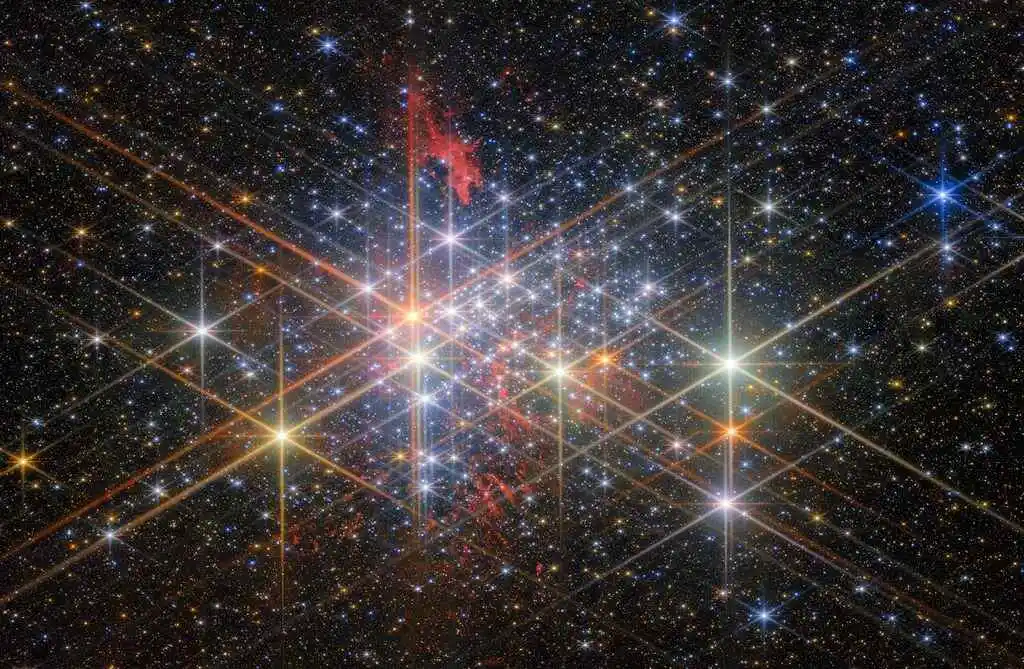
  • James Webb Telescope Captures Rare Image of Super Star Cluster Westerlund-1 Inside Our Galaxy

    James Webb Telescope Captures Rare Image of Super Star Cluster Westerlund-1 Inside Our Galaxy

    NASA’s James Webb Space Telescope has captured a striking image of Westerlund-1, one of the most massive and compact star clusters in the Milky Way. Located about 12,000 light-years from Earth, the cluster contains more than 10,000 times the mass of the Sun packed into a relatively small region of space.

    Super Star clusters like Westerlund-1 are among the most extreme places in the universe for star and planet formation. While they are common in younger galaxies where stars are still being born rapidly, they are rare in the Milky Way, which is far older and past its most active period of star formation.

    NASA says Westerlund-1 has a remarkably diverse mix of massive stars. All of them are in advanced stages of their lives, including Wolf-Rayet stars, OB supergiants, yellow hypergiants, which can shine almost a million times brighter than the Sun, and luminous blue variables. This variety gives astronomers a unique chance to study how such stars evolve and interact in dense environments.

    The image was taken as part of the Westerlund 1 and 2 Open Clusters Survey, known as EWOCS, using Webb’s Near-Infrared Camera (NIRCam). The program is focused on studying how stars and planets form and how stars evolve in regions where many of them are born close together.

    Westerlund-1 is not only a rare example within our galaxy but also an important laboratory for astronomers. Observing it with Webb allows scientists to see details that were previously impossible with earlier telescopes. Because the cluster is still relatively close in cosmic terms, it provides a much clearer view of how extreme star-forming regions work.

    The James Webb Space Telescope itself was launched on December 25, 2021. Unlike the Hubble Space Telescope, which orbits Earth, Webb circles the Sun about 1.5 million kilometers away at a stable point known as L2. From this position, it has been able to send back some of the sharpest and deepest images ever seen of the universe, including galaxies in collision and the earliest stages of star birth.

    Astronomers say Westerlund-1 is another reminder of Webb’s power. By observing clusters like this, the telescope is helping scientists better understand how stars live and die and how galaxies like our own came to be.

  • NASA Shuts Down Voyager 2 Instrument to Conserve Power as Probe Ventures Deeper Into Space

    NASA Shuts Down Voyager 2 Instrument to Conserve Power as Probe Ventures Deeper Into Space

    NASA has switched off one of Voyager 2’s science instruments as the spacecraft struggles with dwindling power while continuing its decades-long mission in interstellar space. The decision was made on September 26, 2024, to preserve energy for the remaining instruments as the probe travels more than 12.8 billion miles (20.5 billion kilometers) from Earth.

    Voyager 2, launched on August 30, 1977, crossed into interstellar space in November 2018 after more than 41 years of exploration. It remains the only spacecraft besides Voyager 1 to pass beyond the heliosphere, the bubble of charged particles surrounding the Sun.

    NASA engineers turned off the plasma science instrument (PLS), which had played a critical role in confirming Voyager 2’s exit from the heliosphere. In a statement posted on X, the Voyager account said, “In 2018, the PLS was critical in determining that I had left the heliosphere, but power management is a major challenge when you’ve been exploring for 47 years. I will, however, still be monitoring plasma in the interstellar medium with my plasma wave subsystem (PWS).”

    The command to shut down the instrument was sent on September 26 and took 19 hours to reach the spacecraft, followed by another 19 hours for confirmation to return to Earth. With this change, only three of the probe’s original ten instruments remain active.

    The plasma science instrument was designed to measure the density and direction of plasma in space using four cups; three facing the Sun to analyze solar wind, and one pointed in the opposite direction to detect plasma from planetary magnetic fields and interstellar space.

    After Voyager 2 crossed into interstellar space, the readings from the Sun-facing cups dropped sharply, while the fourth cup provided limited data during occasional spacecraft rotations.

    NASA explained that with the limited return from the instrument and rising power demands, it was no longer sustainable to keep it active. Even so, Voyager 2 continues to provide rare and vital data about conditions beyond the solar system, where sunlight is too weak to provide meaningful energy.

    Mission managers say the spacecraft has enough power to operate at least one science instrument into the 2030s, continuing to extend humanity’s reach deeper into the galaxy.

  • SpaceX Crew-9 Docking Complete as Dragon Freedom Joins International Space Station

    SpaceX Crew-9 Docking Complete as Dragon Freedom Joins International Space Station

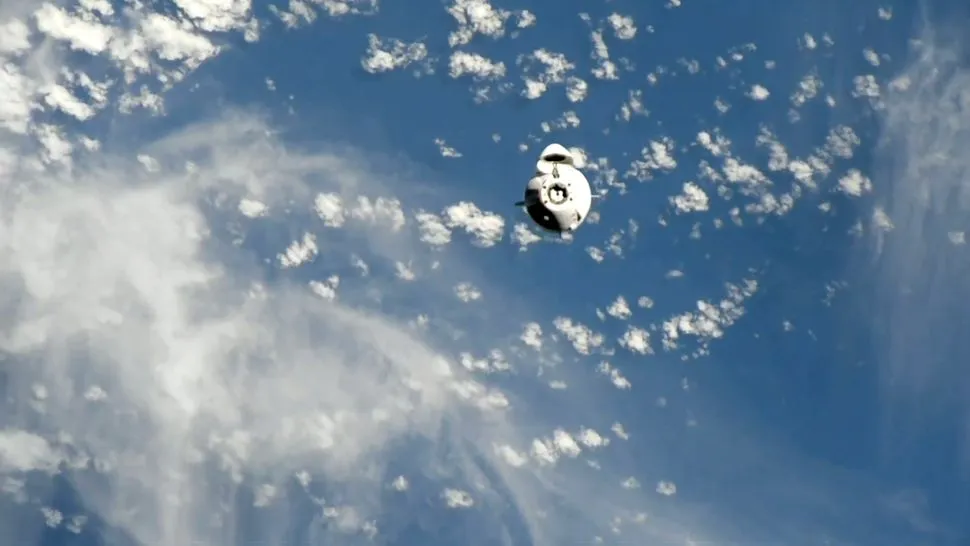
    NASA and SpaceX’s Crew-9 mission has successfully arrived at the International Space Station (ISS). The Dragon Freedom spacecraft docked with the station’s forward-facing Harmony module port on Sunday, September 29, at 5:30 p.m. EDT (2130 GMT), according to Space.com.

    The hatches between the two spacecraft were opened at about 7:15 p.m. EDT (2315 GMT), followed by welcoming remarks from astronauts aboard the ISS. NASA streamed the docking live on YouTube.

    The Crew-9 mission launched a day earlier, on Saturday, September 28, at 1:17 p.m. EDT, from Space Launch Complex-40 at Cape Canaveral Space Force Station in Florida. The mission marks one of the first crewed launches from this newly prepared pad.

    Crew-9’s main objective is to support the safe return of NASA astronauts Sunita Williams and Butch Wilmore, who have been on the ISS since June after technical problems left Boeing’s Starliner spacecraft unable to bring them back. Their originally scheduled 8-day mission has now stretched to months, with their return planned for early 2025.

    Alongside this priority task, the Crew-9 astronauts will also support hundreds of ongoing scientific experiments aboard the ISS, contributing to long-duration human spaceflight research.

  • SpaceX Crew-9 Launches with Two Astronauts to the ISS, Mission to Bring Back Stranded Crew

    SpaceX Crew-9 Launches with Two Astronauts to the ISS, Mission to Bring Back Stranded Crew

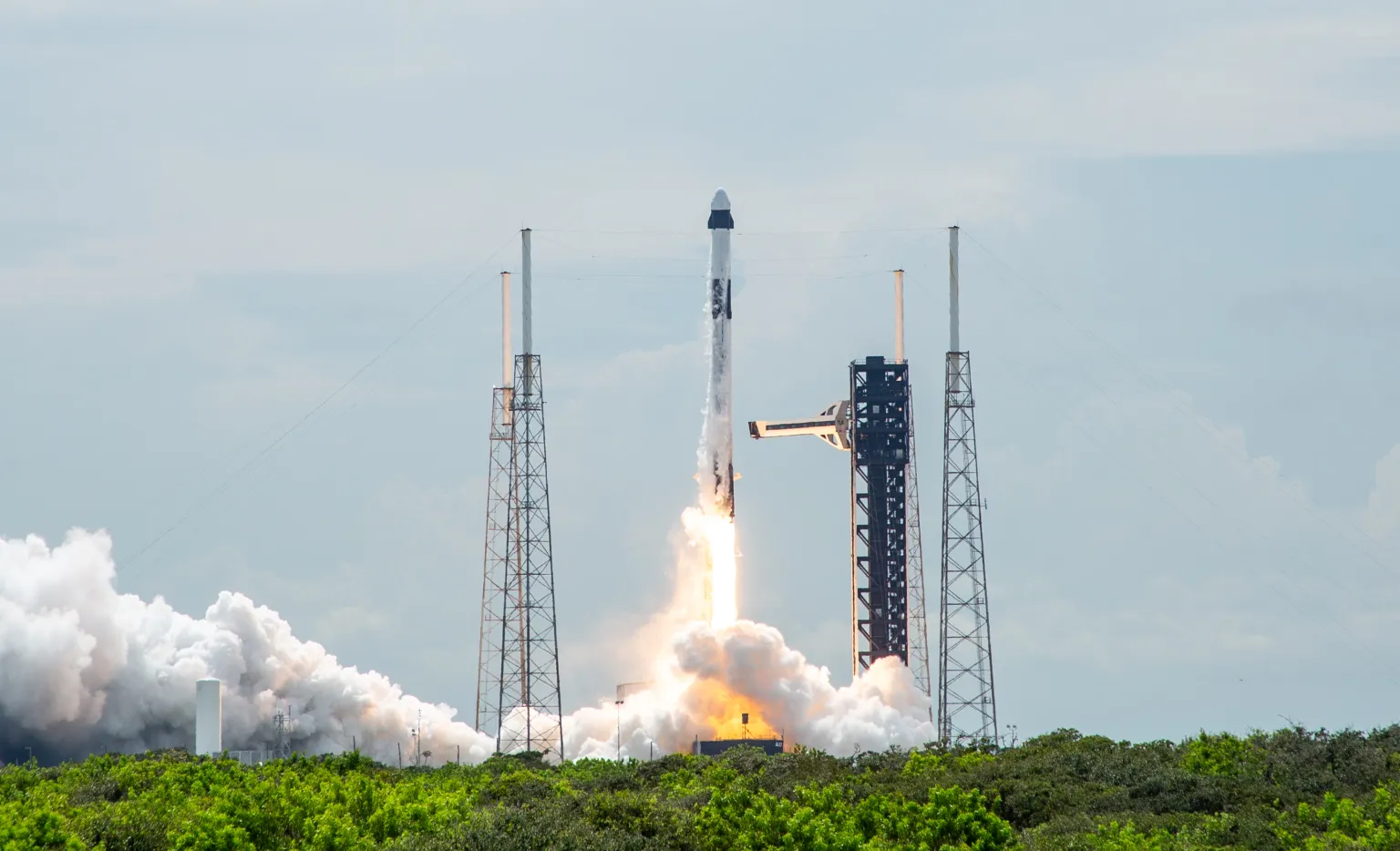
    SpaceX’s Crew-9 mission successfully launched two astronauts to the International Space Station (ISS) on Saturday at 1:17 p.m. EDT. The launch took place from Space Launch Complex-40 (SLC-40) at Cape Canaveral Space Force Station in Florida, with the astronauts riding aboard SpaceX’s Dragon spacecraft Freedom atop a Falcon 9 rocket. The event was broadcast live on NASA’s YouTube channel and NASA+ streaming platform.

    The spacecraft is set to dock autonomously with the ISS’s forward-facing port of the Harmony module on Sunday, September 29, at around 5:30 p.m. The crew consists of NASA astronaut Nick Hague and Roscosmos astronaut Aleksandr Gorbunov.

    Originally planned as a four-crew mission, Crew-9 was reduced to two after NASA astronauts Zena Cardman and Stephanie Wilson were reassigned. Their seats were reserved for astronauts Sunita Williams and Butch Wilmore, who have been stranded aboard the ISS since June following failures with Boeing’s Starliner spacecraft. Their mission, initially expected to last 8 days, has now stretched to 8 months.

    The primary goal of Crew-9 is to ensure the safe return of Williams and Wilmore by February 2025. In addition to this, the mission will support around 200 scientific investigations aboard the ISS. Research topics include studying moisture effects on plants grown in space, understanding blood clotting in microgravity, and examining eyesight changes in astronauts during long-duration missions, NASA reported.

    The Crew-9 mission continues the ongoing partnership between NASA, SpaceX, and international partners to maintain operations aboard the ISS while resolving technical challenges that have delayed the Starliner program.

  • Boeing Starliner uncrewed spacecraft returns to the Earth

    Boeing Starliner uncrewed spacecraft returns to the Earth

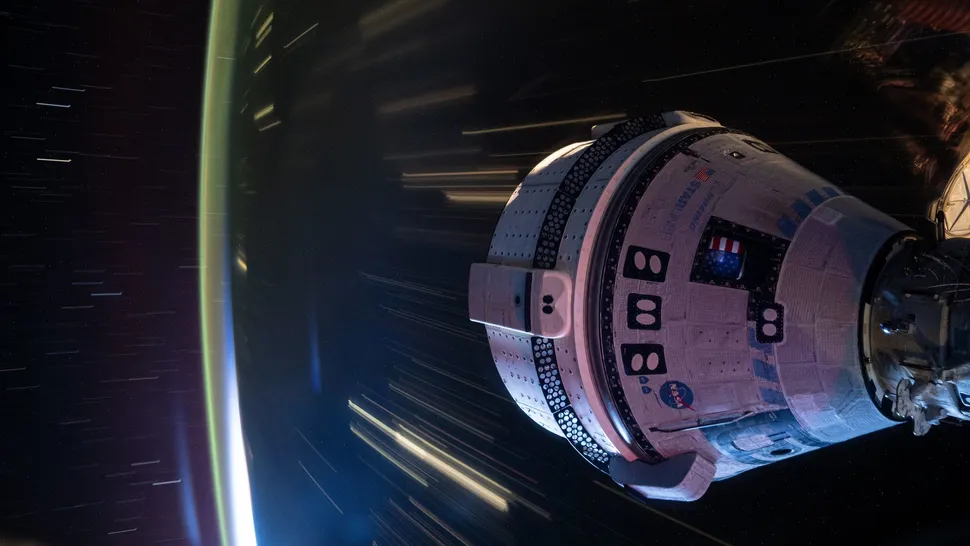
    Boeing’s Starliner spacecraft

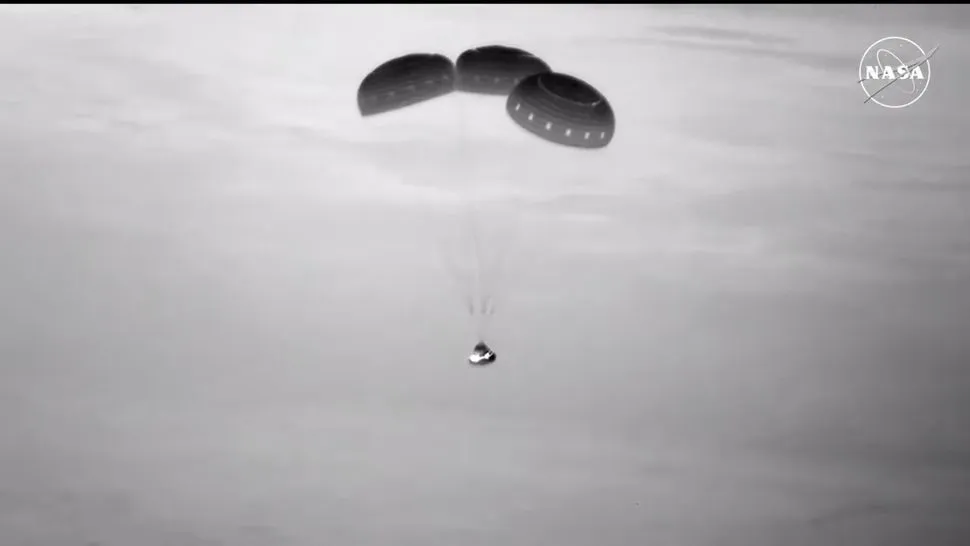
    landed safely in the New Mexico desert early Saturday, September 7, following a three-month stay at the International Space Station (ISS). The uncrewed capsule, which carried astronauts Sunita Williams and Butch Wilmore to the station in June, touched down at White Sands Space Harbor at 12:01 a.m. EDT (0401 GMT).

    The return marks the end of the capsule’s first crewed test flight, one that faced repeated technical problems, long delays, and growing criticism of Boeing’s troubled commercial crew program.

    Starliner launched on June 5 after years of delays caused by helium leaks, faulty valves, and thruster issues. It docked with the ISS a day later, but not without difficulty. Five of the spacecraft’s 28 thrusters failed during approach, forcing Williams and Wilmore to take manual control.

    Boeing Starliner docked to the ISS
    The Starliner spacecraft docked at the International Space Station. Image credit: NASA Johnson/Flickr

    The astronauts were originally due to return to Earth after about eight days. Instead, engineers kept the spacecraft at the station for three months as they worked to address helium leaks and propulsion failures. The extended stay left the crew’s safe return on Starliner increasingly in doubt.

    On August 24, NASA announced that Wilmore and Williams would not return on Starliner as planned. Instead, they are scheduled to come home aboard a SpaceX Crew Dragon spacecraft in early 2025. The decision highlighted NASA’s concerns over the reliability of Boeing’s capsule, which has cost the agency nearly $5 billion to develop.

    During their stay aboard Starliner, the astronauts reported hearing unusual noises coming from the spacecraft, adding to concerns about its condition. Despite repeated troubleshooting efforts, NASA and Boeing engineers could not fully resolve the thruster and leak problems.

    With no astronauts aboard, Starliner undocked from the ISS at 5:45 p.m. EDT (2145 GMT) on September 6. Hours later, the capsule parachuted into White Sands, where it landed on schedule.

    “She’s on her way home. Congratulations to the undocking team,” Williams told mission control shortly before separation. After the landing, she radioed, “Great landing of Calypso; I don’t think that could have gone better.”

    NASA officials praised the landing at a press conference that began shortly after touchdown.

    “It’s great to have the Starliner home. A safe and successful landing was exactly what we wanted,” said Joel Montalbano, deputy associate administrator of NASA’s Space Operations Mission Directorate.

    Steve Stich, manager of the Commercial Crew Program, called the test flight “very personal to our team,” saying it was “an honor to bring the vehicle back.”

    Dana Weigel, ISS program manager, thanked engineers who had worked “nights and weekends” throughout the summer to keep the mission going. “The proof is in getting the vehicle safely back home,” she said.

    NASA is now preparing for upcoming flights, including the Soyuz MS-25 mission on September 11, which will carry astronaut Don Pettit to the ISS, and SpaceX Crew-9, scheduled to launch later in September.

    Starliner’s future remains uncertain. While Boeing achieved a safe landing, NASA has made clear that astronauts will not fly on the capsule again until its propulsion and leak issues are resolved.

  • NASA delays Rocket Labโ€™s first Mars mission as Blue Originโ€™s New Glenn faces technical hurdles

    NASA delays Rocket Labโ€™s first Mars mission as Blue Originโ€™s New Glenn faces technical hurdles

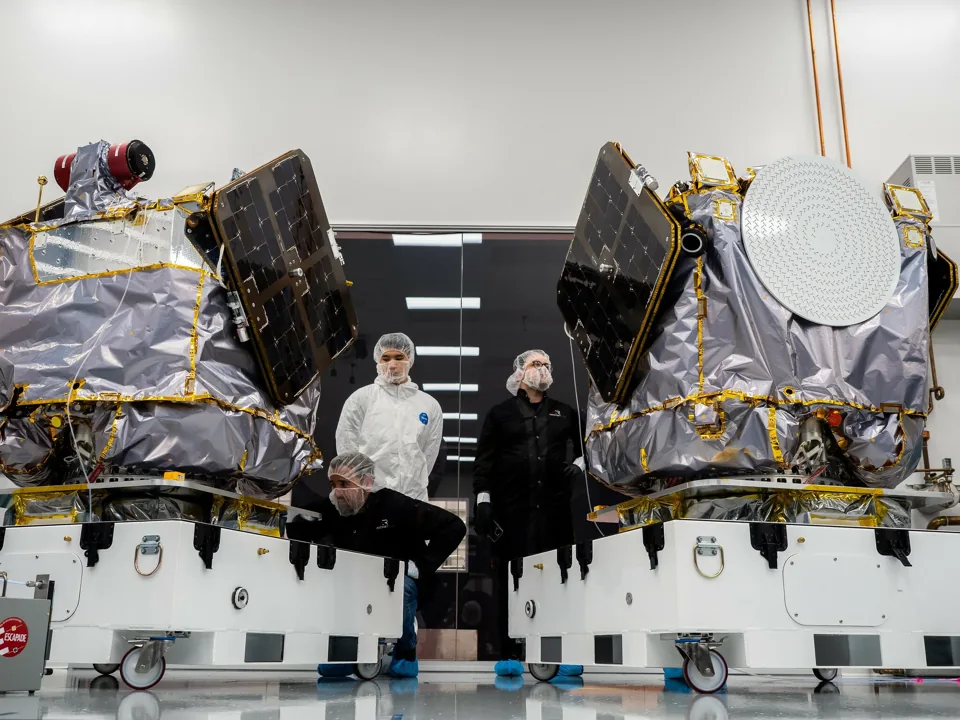
    Rocket Lab’s long-awaited first mission to Mars has been pushed back again, with NASA now aiming for a launch no earlier than September 29, 2025, for the two small spacecraft that were originally set to blast off in October 2024.

    The ESCAPADE mission, meant to study how Mars lost its atmosphere, got delayed because of technical issues with Blue Origin’s New Glenn rocket. That vehicle made its successful debut flight in January 2025, but NASA chose to shift ESCAPADE to New Glenn’s second outing to allow more time for preparations and cut down on risks.

    The mission uses two identical spacecraft, named Blue and Gold, that will orbit Mars and watch how solar particles from the sun interact with the planet’s weak magnetic field. Researchers think this interaction slowly stripped away the thick atmosphere Mars had long ago, turning it into the cold, dry place we see now.

    NASA explained the delay by pointing to concerns that rushing preparations might lead to expensive steps like removing and replacing fuel in the spacecraft. “Interplanetary launches require precision and reliability,” the agency noted. “Taking extra time now reduces risk later.”

    The spacecraft came from Rocket Lab, the company started in New Zealand that’s gained attention for its compact Electron rockets. In 2020, NASA gave Rocket Lab a $57 million deal to build the probes, and they finished the job in about three and a half years, quicker and less expensive than most missions to other planets.

    Rocket Lab’s CEO, Peter Beck, described ESCAPADE as a big move for them. “We set out to prove that smaller teams can build reliable interplanetary spacecraft at a fraction of the cost,” he said earlier this year.

    Rocket Lab has put more than 190 satellites into space since 2018 and posted quarterly revenues near $100 million not long ago. They’re also working on a bigger rocket called Neutron, set to fly for the first time later in 2025, when it could go up against SpaceX’s Falcon 9.

    Once Blue and Gold reach Mars’s orbit, they’ll track how the solar wind—a constant flow of charged particles from the sun—impacts the atmosphere there. Mars lacks a strong magnetic field like Earth’s, so it can’t protect its air from being worn away by solar radiation.

    The probes should grab the first visible-light pictures of auroras on Mars, those subtle glows in the thin air triggered by solar particles. The data might help figure out if intense solar storms billions of years back removed the elements that could have supported life.

    NASA funds this through its Small Innovative Missions for Planetary Exploration program, which backs focused science on a tighter budget. ESCAPADE comes in at $80 million total.

    Launches to Mars need exact timing, with the best windows every 26 months or so when the planets line up. This latest shift means NASA has to plot different paths, which might stretch the trip or use more fuel.

    With a September 2025 launch, the spacecraft would need roughly 11 months to get to Mars, arriving around August 2026. They’d spend a few months settling into their orbits before starting data collection later that year. The whole operation is planned for 11 months, divided into two main phases.

    Even with the holdup, NASA says the mission’s aims haven’t changed. “ESCAPADE is designed to help us understand how Mars became the planet it is today,” the agency said.

    If it works, the results could broaden what we know about planets losing their air and aid planning for human trips to Mars down the line. For Rocket Lab, this marks their entry into missions beyond Earth and a shot at taking on bigger players in space exploration.

  • NASA Picks SpaceX Dragon to Deorbit Ageing International Space Station by 2030

    NASA Picks SpaceX Dragon to Deorbit Ageing International Space Station by 2030

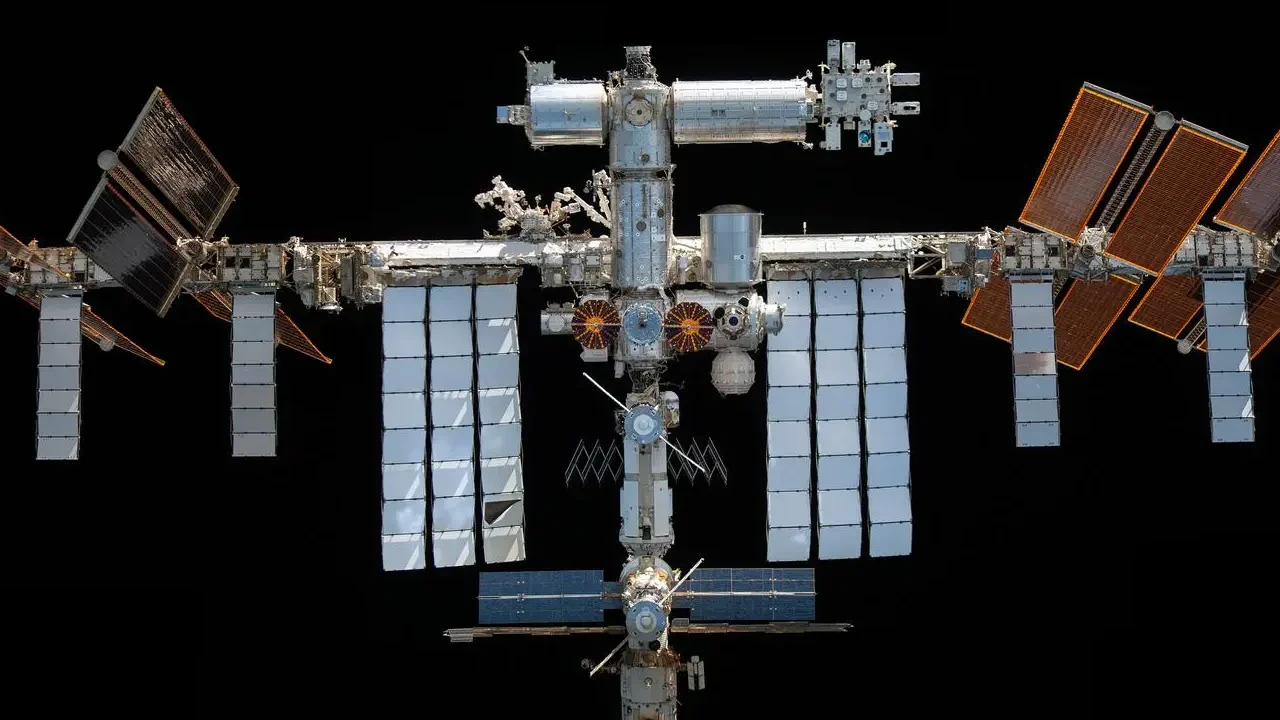
    NASA has confirmed plans to spend around $1 billion to safely deorbit the International Space Station (ISS) by the end of the decade, selecting SpaceX’s Dragon spacecraft to carry out the mission. The 24-year-old outpost, which has hosted astronauts from around the world since 2000, is showing signs of aging and will be guided into a controlled reentry to avoid risks from falling debris.

    The plan calls for a specially modified SpaceX Dragon capsule to act as a “space tug,” attaching to the ISS in its final months and gradually lowering its orbit. Once the last astronaut crew departs, the capsule will steer the station from its current 250-mile orbit down to about 175 miles. From there, Dragon will perform a final deorbit burn to send the ISS into Earth’s atmosphere at roughly 17,000 miles per hour.

    Most of the 450-ton structure will burn up and disintegrate during reentry. The remaining fragments, estimated between 40 and 100 tons, will fall into a remote area of the South Pacific Ocean known as Point Nemo, the farthest location on Earth from human settlement. This site has long been used as a “spacecraft cemetery” for satellites and cargo vehicles to minimize risk to people and property.

    NASA officials emphasized that the operation will be carried out only after all vital equipment and modules are removed. The timeline projects the ISS’s gradual orbital lowering to begin in 2029, with final reentry planned for 2030.

    The ISS has been central to international cooperation and space research for nearly a quarter of a century. More than 270 astronauts from 20 countries have visited the orbiting laboratory, conducting thousands of experiments in medicine, physics, and Earth science. But the structure has faced increasing technical challenges, including air leaks, hardware wear, and rising costs of upkeep.

    NASA and its partners, including Roscosmos, the European Space Agency (ESA), and JAXA, agreed that retiring the station is necessary before failures create safety risks. The agency is now shifting focus to supporting commercial space stations, with private companies expected to build and operate the next generation of orbital labs in the 2030s.

    By choosing SpaceX for the deorbit mission, NASA is relying on a partner with a proven track record in cargo and crew transport to the ISS. The decision underscores both the end of an era in spaceflight and the beginning of a new phase where private companies will take on a larger role in low-Earth orbit.

  • NASA Astronaut Sunita Williams Faces Health Issues as Boeing Starliner Mission Stalls at ISS

    NASA Astronaut Sunita Williams Faces Health Issues as Boeing Starliner Mission Stalls at ISS

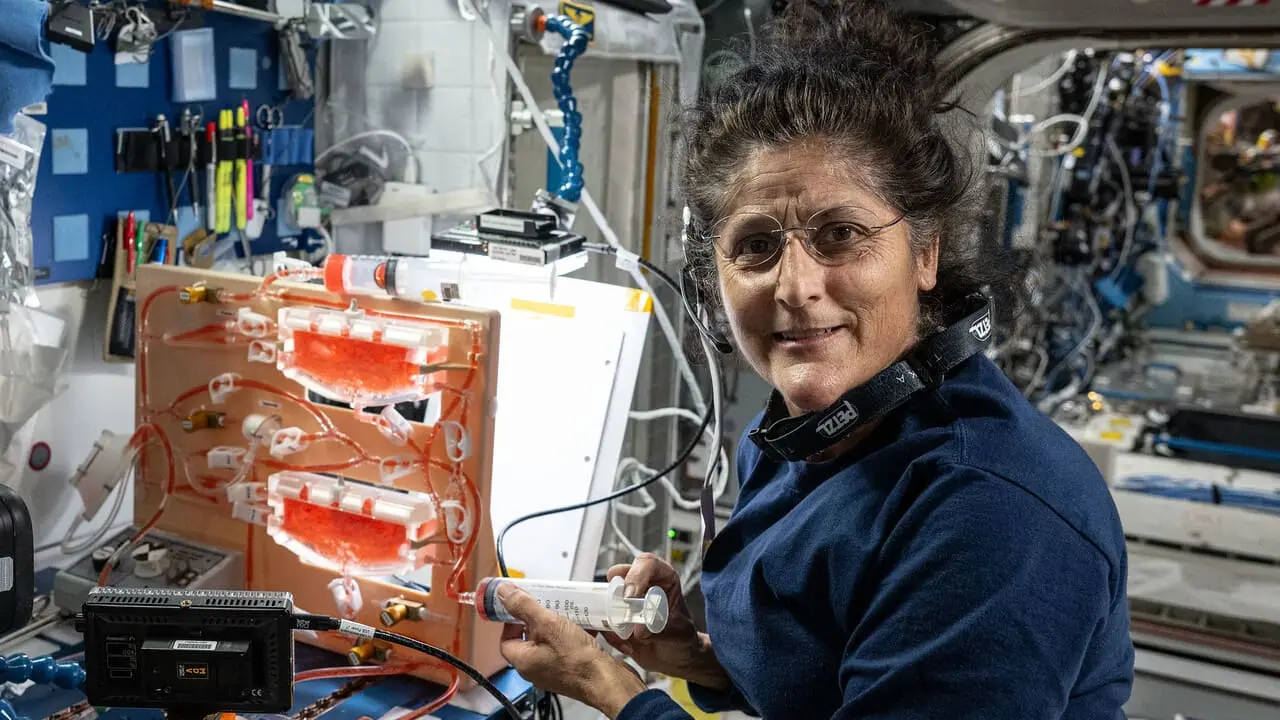
    NASA astronaut Sunita Williams is facing health problems aboard the International Space Station after being stranded for months due to ongoing issues with Boeing’s Starliner spacecraft. Williams, along with fellow astronaut Butch Wilmore, has been stuck in orbit since June, when what was meant to be an eight-day test flight turned into an open-ended mission.

    The Starliner capsule, which docked to the ISS on June 6, was supposed to complete Boeing’s first crewed flight test. But helium leaks and thruster failures forced NASA and Boeing to halt plans for a quick return. The unexpected extension has raised new concerns for astronaut health and safety, as long stays in microgravity environments can cause medical complications.

    Williams is reportedly showing symptoms linked to Spaceflight-Associated Neuro-Ocular Syndrome (SANS), a condition that alters fluid distribution in the body and affects eyesight. NASA doctors aboard the station are carrying out tests and scans to assess the extent of the problem. Other health risks, including bone loss, also increase the longer astronauts remain in space.

    The mission delay has created an urgent question: how to bring the astronauts home safely. NASA is now weighing a backup plan that would involve returning Williams and Wilmore aboard SpaceX’s Crew Dragon, which is scheduled to launch to the ISS at the end of September. That capsule is due to return to Earth in February 2025, turning what was originally an eight-day flight into an eight-month stay.

    The plan faces complications. Starliner is currently occupying the docking port needed for the Crew Dragon capsule, meaning Boeing must reconfigure the spacecraft for an uncrewed return. In addition, the spacesuits designed for Starliner are not compatible with SpaceX’s capsule. NASA is considering sending proper suits on the upcoming Crew Dragon flight to reduce risks during reentry.

    The drawn-out mission has already cost millions of dollars and intensified criticism of Boeing’s troubled Starliner program, which has faced repeated delays and technical failures. For Williams and Wilmore, the wait continues as NASA and Boeing engineers search for a solution that will get them safely back to Earth.

  • NASA Decommissions Asteroid-Hunting NEOWISE Spacecraft After 15-Year Missio

    NASA Decommissions Asteroid-Hunting NEOWISE Spacecraft After 15-Year Missio

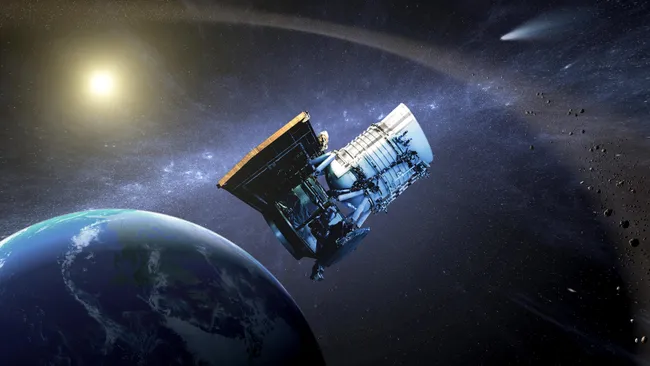
    After more than a decade and a half of service, NASA’s NEOWISE spacecraft, a crucial part of its planetary defense program, has officially ended its mission. The asteroid-hunting telescope, which had been operating on borrowed time, was decommissioned on August 8. It will now continue a slow descent toward Earth, where it is expected to safely burn up in the atmosphere later this year.

    The mission’s end comes as the spacecraft, lacking the fuel to boost its orbit, has been gradually pulled closer to Earth’s atmosphere by a period of peak solar activity. The sun’s increased heat has caused our atmosphere to expand, creating drag on the satellite and accelerating its fall.

    The NEOWISE mission had a long and unexpected career. It was launched in 2009 as the Wide-field Infrared Survey Explorer, or WISE, with a primary mission of just seven months to map the entire sky in infrared light. It was initially designed to look for faint light from the early universe, but scientists soon discovered it was far more sensitive than anticipated.

    Following this discovery, NASA extended the mission and repurposed the telescope. In 2011, it was renamed NEOWISE and tasked with surveying the main asteroid belt between Mars and Jupiter. It was put into hibernation in 2011 when its coolant ran out, making its infrared sensors less sensitive.

    However, the mission was not over. In 2013, NASA brought the spacecraft out of hibernation after realizing it could still detect near-Earth objects by observing the sunlight they reflected. For over a decade, NEOWISE has served as a valuable planetary defender. During its extended career, NEOWISE detected over 200 new near-Earth objects, including 25 new comets, and cataloged 44,000 other objects that passed through our solar system.

    Its legacy will continue with NASA’s next-generation mission, the NEO Surveyor, which is already under development and scheduled to launch no earlier than September 2027. This new infrared space telescope will be even more advanced, with an innovative solar shade that will allow it to spot asteroids near the sun’s glare, a known blind spot for planetary defense.

    Until the NEO Surveyor is in orbit, ground-based telescopes like the Catalina Sky Survey in Arizona and Pan-STARRS in Hawaii will carry on the crucial work of tracking and detecting near-Earth objects to protect our planet.