Category: Space

Explore the vastness beyond our planet. This section covers missions, discoveries, and events that expand our reach into the cosmos. From new rocket launches to deep-space observations, “Space” keeps you updated on humanity’s steps into the unknown.

  • Anduril and Impulse Plan 2026 Test of Spacecraft Autonomy in High Orbit to Track Satellites

    Anduril and Impulse Plan 2026 Test of Spacecraft Autonomy in High Orbit to Track Satellites

    Two private space companies, Anduril Industries and Impulse Space, have announced plans for a 2026 mission to test autonomous spacecraft maneuvers in geosynchronous Earth orbit, 36,000 kilometers above Earth. The goal is to show how a spacecraft can approach and study satellites in this high orbit, a task that could transform how governments and companies operate in space.

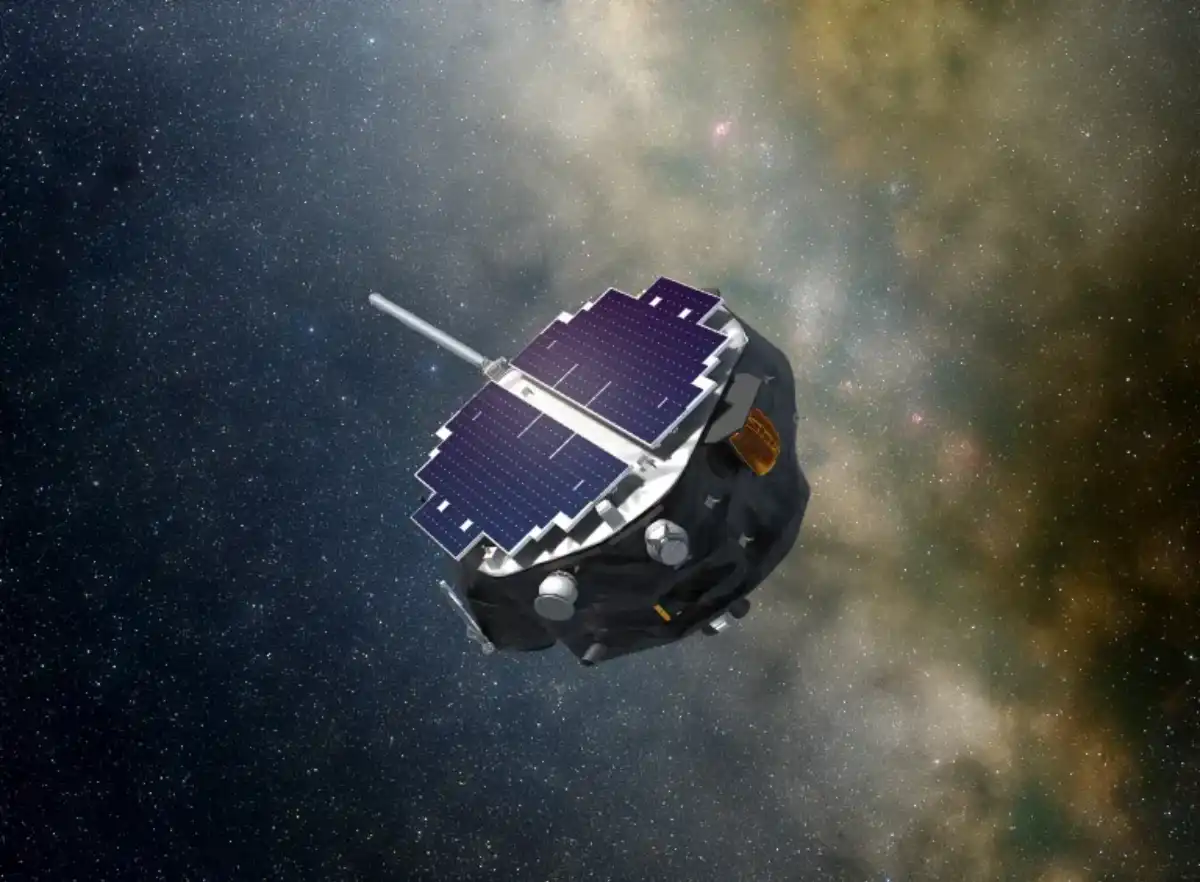
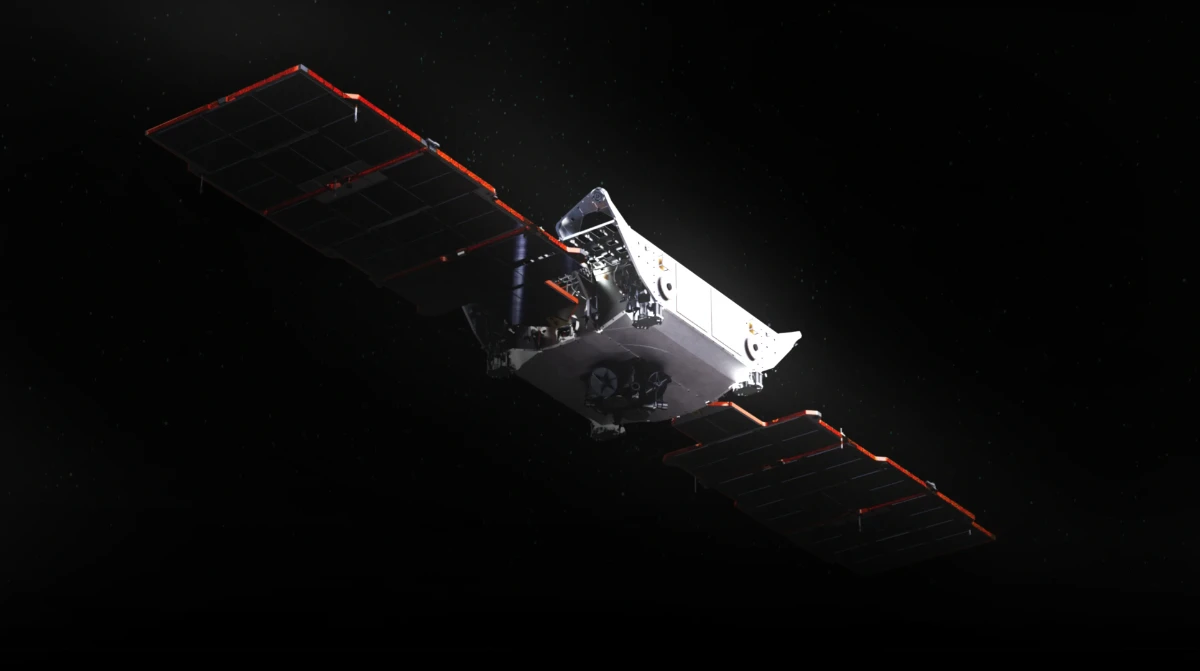
    The mission will rely on Impulse’s Mira spacecraft, a 300-kilogram orbital tug, carrying Anduril’s advanced payloads. After launch on a commercial rocket such as SpaceX’s Falcon 9, Mira will be boosted to high orbit by Impulse’s Helios stage, which uses the company’s Deneb chemical engine.

    The transfer from low Earth orbit to geosynchronous orbit will take less than a day, far quicker than the slower electric propulsion systems often used for such maneuvers.

    Once in place, Mira will separate and begin approaching satellites and other objects in orbit. It will collect images and navigate independently, using onboard software rather than constant ground commands. Helios will be retired to a “graveyard” orbit to avoid adding to the problem of space debris.

    The companies say the project is designed to prove that rendezvous and proximity operations (known as RPO) can be carried out in a faster and cheaper way than before.

    RPO involves a spacecraft moving close to another in orbit, which is useful for inspection, repair, or security purposes. In geosynchronous orbit, where satellites that support communication, weather monitoring, and defense are based, being able to maneuver reliably is seen as increasingly important.

    Anduril will provide the mission’s brain. Its mission data processor will run Lattice software, allowing the spacecraft to process images and guide itself in real time.

    The payload also includes a long-wave infrared camera to detect faint objects, which is especially important in the radiation-heavy environment of geosynchronous orbit. Impulse brings its experience with orbital transfer vehicles, with Mira already flight-tested on other missions.

    The choice of chemical propulsion for Helios reflects the need for speed. While ion thrusters are efficient, they can take months to move spacecraft into higher orbits. The Deneb engine allows Mira to reach its target altitude in less than 24 hours, enabling quick demonstrations or urgent missions.

    Radiation in high orbit is another obstacle. Electronics can be damaged by charged particles in Earth’s magnetosphere, so both companies have designed their systems with heavy shielding to ensure long-term performance.

    Anduril and Impulse are funding the project themselves rather than relying on government contracts. Executives say this approach gives them more control over the schedule and allows them to prove the technology before offering it to the U.S. Space Force and other customers.

    For Anduril, this will be its fourth independently funded space test, while Impulse continues to expand its work in satellite transport and orbital services.

    If successful, the mission could open the way to a range of new operations. Spacecraft could be used to inspect satellites for damage, refuel them to extend their lives, or push broken equipment into safer orbits. The same technology could also support debris cleanup, which has become a growing concern as more satellites crowd Earth’s skies.

    The broader impact would be to show that private companies can develop and demonstrate advanced orbital maneuvers without years of government planning. For both defense and commercial customers, that could mean quicker access to servicing, inspection, and protection of critical satellites in the most valuable region of Earth orbit.
  • Researchers develop a new Nuclear Rocket Design that could Cut Mars Trip Time by Half

    Researchers develop a new Nuclear Rocket Design that could Cut Mars Trip Time by Half

    Researchers at Ohio State University have introduced a new nuclear propulsion design that could slash the time it takes to reach Mars. The system, called the centrifugal nuclear thermal rocket (CNTR), uses liquid uranium spinning at high speeds to heat propellant more efficiently than chemical or earlier nuclear designs. If successful, it could reduce the current six- to nine-month trip to Mars to as little as three months.

    In standard nuclear thermal rockets, a solid reactor core heats hydrogen gas, which then expands and provides thrust. CNTR modifies this by melting uranium into liquid form and using centrifugal force to keep it stable. Hydrogen propellant is passed through bubbles in the liquid fuel, transferring heat directly.

    This method could achieve a specific impulse of around 1,800 seconds, compared to about 900 for conventional nuclear rockets and 450 for chemical engines.

    Reducing travel time is key for human missions to Mars. Long stays in space increase exposure to radiation and health issues from microgravity, such as bone loss. A faster transit window would lower those risks and make round trips possible in about one year instead of three.

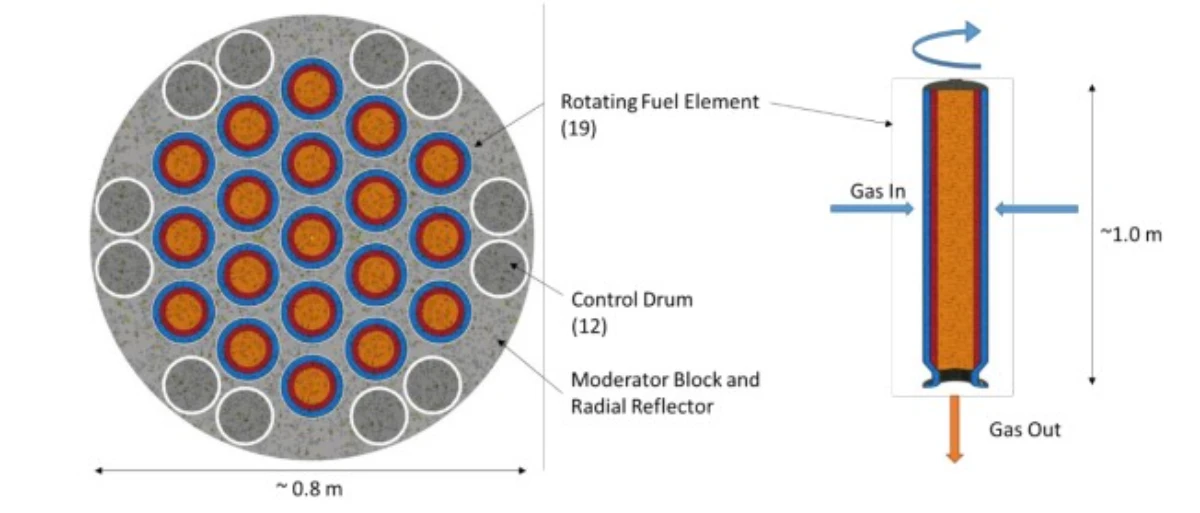
    Centrifugal Nuclear Thermal Rocket (CNTR) with 19 Centrifugal Fuel Elements (CFEs) anoted image.
    Diagrammatic Representation of a Centrifugal Nuclear Thermal Rocket (CNTR) with 19 Centrifugal Fuel Elements (CFEs). Image credit: ntrs.nasa.gov.

    The Ohio State team is led by associate professor Dean Wang, working with PhD student Spencer Christian and other researchers. Their work has attracted partial funding from NASA, which has renewed interest in nuclear propulsion as part of its long-term plans for human exploration beyond Earth orbit.

    CNTR also offers flexibility in fuel choice. Researchers suggest methane, which may be harvested from asteroids or Martian resources, could serve as propellant, reducing the need to carry large reserves from Earth.

    The engineering challenges remain steep. Liquid uranium reaches about 5,000 Kelvin, and the system must contain it without leaks while resisting corrosion at extreme heat. The proposed reactor includes 37 fuel elements and 12 control drums to manage the nuclear reaction. Testing the concept in the lab could take up to five years, focusing heavily on safety for crewed missions.

    If CNTR works, its reach goes beyond Mars. Faster nuclear propulsion could make missions to Saturn or Neptune more practical for robotic probes. Current spacecraft, like the Voyager probes, took years to cross the outer solar system. A system like CNTR could shorten those timelines and open new opportunities to study distant moons and planets.

    The next step for the Ohio State team is to conduct ground-based demonstrations that replicate the extreme conditions of spaceflight. If successful, the concept may progress toward in-space testing. While still in development, the design represents one of the most advanced attempts yet to make nuclear propulsion practical for human and robotic missions across the solar system.

    Source: Addressing challenges to engineering feasibility of the centrifugal nuclear thermal rocket

  • James Webb Space Telescope Detects Tiny Red Objects That Could Redefine Early Universe

    James Webb Space Telescope Detects Tiny Red Objects That Could Redefine Early Universe

    NASA’s James Webb Space Telescope (JWST) has detected unusual red objects that may change how scientists understand the early universe. The faint dots, seen just 500 to 700 million years after the Big Bang, were first thought to be large galaxies, but new research suggests they may be a new type of object powered by black holes.

    The objects stand out because of their brightness in red and near-infrared light, which Webb is designed to detect. This light has stretched as the universe expanded, a process known as redshift. Webb’s infrared instruments allow astronomers to see back to some of the earliest periods of cosmic history.

    Initial studies suggested the dots were fully developed galaxies packed with stars. That theory soon ran into problems: the brightness was too intense for star clusters alone. A group of researchers now argues these are “black hole stars.” In this model, a massive black hole consumes gas while being surrounded by a cool outer shell, creating the appearance of a giant star.

    Unlike ordinary stars, which shine from nuclear fusion, these objects are powered by accretion. Gas falling into the black hole heats up to millions of degrees at the center, but the outer layers remain just a few thousand degrees cooler. This cooler shell produces the red glow detected by Webb.

    One striking case, nicknamed “The Cliff,” lies at a redshift of about 3. That means its light traveled nearly 12 billion years before reaching Earth. Webb’s spectrograph broke down the light into its wavelengths, revealing a dense object with the fingerprints of a black hole at its core.

    Supermassive black holes sit at the centers of most galaxies today, often billions of times more massive than the Sun. How they grew so quickly in the early universe has remained unclear. Black hole stars may explain this by acting as seeds: black holes rapidly ballooning inside large gas envelopes before collapsing further. This idea echoes theories first suggested in 2008 about quasi-stars.

    In the early universe, gas clouds collapsed under gravity. If a black hole formed at the center, it could feed rapidly while the outer shell trapped heat. Webb data shows signs of fast-moving gas, measured through broad emission lines, which suggests active black holes rather than simple star clusters.

    The team used Webb’s NIRSpec instrument to capture detailed spectra from thousands of distant objects. More studies are planned to measure gas density and black hole strength. If confirmed, black hole stars could force revisions to current models of galaxy growth.

    Astronomers say the findings matter because these objects may reveal how the first galaxies and black holes formed. They are too far away to image directly, but Webb’s sensitivity offers a way to study them indirectly. Researchers add that similar objects may still exist in dusty regions of nearby space, waiting to be found.

    Source: A remarkable ruby: Absorption in dense gas, rather than evolved stars, drives the extreme Balmer break of a little red dot at z = 3.5

  • Antarctica study tracks how Brain Fog from Winter Isolation could guide future Space Travel

    Antarctica study tracks how Brain Fog from Winter Isolation could guide future Space Travel

    Antarctica’s long, dark winters are taking a measurable toll on the minds and bodies of those who live and work there, according to a new study that researchers say could help prepare astronauts for life beyond Earth.

    Medical officers and expedition staff at Australia’s Casey Station have reported lapses in memory, reduced focus, and even weaker senses of taste and smell after months of cold and isolation, conditions that scientists are now closely monitoring with the help of wearable devices and cognitive tests.

    Dr. Meg O’Connell, who worked as the base’s medical officer at Casey Station for six months, tracked her own decline through regular brain function tests.

    She says even medical staff were not immune to the winter dip, which past research has linked to changes in the hippocampus, the part of the brain tied to memory. Studies have also shown that reduced sunlight and social isolation affect brain chemistry, contributing to feelings of fog and fatigue.

    The research involves monthly health checks on participants using BioStickers, small monitors worn on the chest that record heart rate, sleep, and activity for several days. After that, crew members complete short computer-based tests of memory and attention.

    Together, the data show how cognition and mood fluctuate across the long polar night. Thomas Whyte, an electrician at the station, described how the darkness, cold, and distance from family weighed on him before conditions improved with the return of light.

    Scientists point out that these patterns mirror problems faced in space. Astronauts aboard the International Space Station (ISS) often experience disrupted sleep, stress from isolation, and shifts in circadian rhythm without normal day-night cues. The Antarctic study is being run with support from NASA’s Translational Research Institute, which is comparing the results to astronaut health data.

    The overlap is intentional. Just as expeditioners in Antarctica depend on technology to survive, space crews heading for the Moon or Mars will rely on systems that support life in isolated, stressful environments. The same BioStickers and cognitive tools are already used during SpaceX missions, but Antarctica offers researchers a larger group of volunteers than the handful of astronauts in orbit.

    Previous space analog projects, such as the HI-SEAS Mars simulations in Hawaii, have examined how small crews handle isolation. The Antarctic data adds another layer, showing how low light and months of confinement affect not only mood but also the gut-brain connection, which may influence cognition and behavior.

    Researchers believe these findings could directly inform plans for long-term missions. A base on the Moon, for instance, would experience nights lasting two weeks, creating new challenges for mental health.

    Mars crews would face trips of six months or more, where stress and isolation may hit before radiation becomes the larger concern. Strategies such as rotating tasks based on when cognition is strongest or using light therapy to mimic Earth’s day-night cycle are now being considered.

    For those living through the Antarctic winter, the study also offers a sense of purpose. Dr. O’Connell said that contributing to research with global applications gave her team motivation during the hardest months. With the project continuing for another year, scientists say the lessons learned from the ice may help humanity go further into space.

    Source: Astronauts to benefit from brain tests in Antarctica

  • NASA to Launch IMAP Mission on Sept. 23 to Study Solar System’s Protective Bubble

    NASA to Launch IMAP Mission on Sept. 23 to Study Solar System’s Protective Bubble

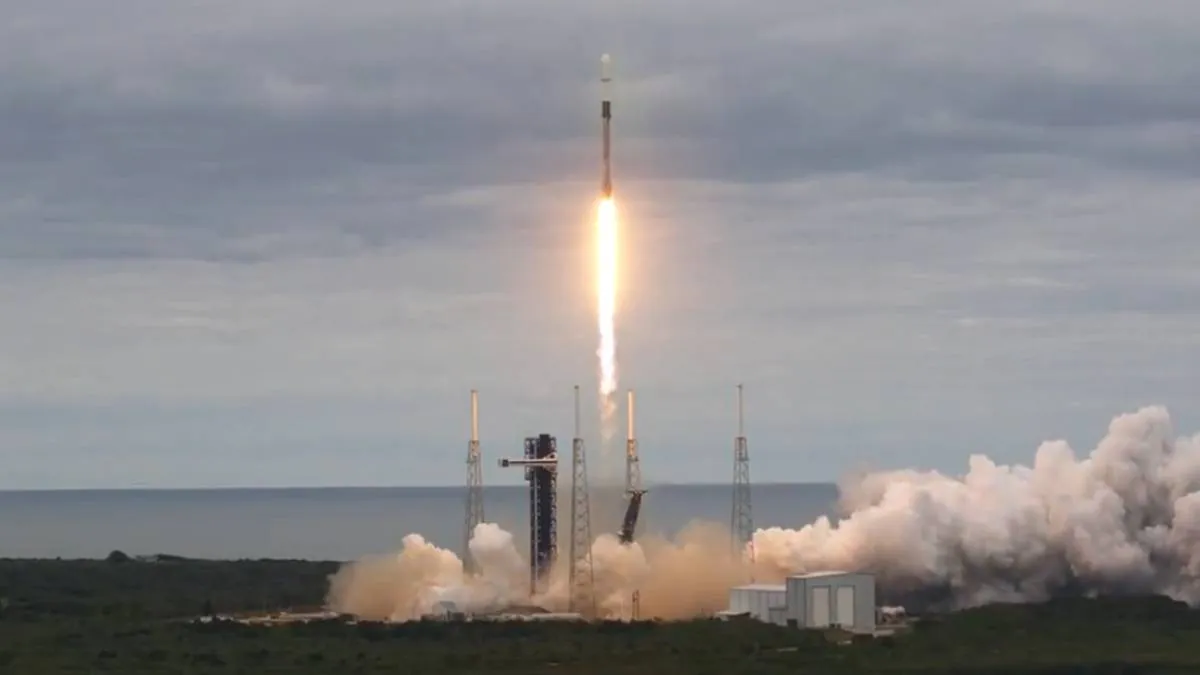
    NASA is preparing to launch a new observatory designed to study the boundary that shields Earth from harmful cosmic radiation. The Interstellar Mapping and Acceleration Probe (IMAP) will lift off aboard a SpaceX Falcon 9 rocket from Kennedy Space Center in Florida on September 23 at 7:32 a.m. Eastern Time. Two smaller missions from NASA and NOAA will also fly with this mission.

    The target of IMAP is the heliosphere, a vast bubble formed by the Sun’s constant stream of charged particles. This bubble blocks a large share of galactic cosmic rays (high-energy particles produced by exploding stars) that can damage both living tissue and spacecraft electronics. Scientists hope IMAP will show how the solar wind interacts with this outer boundary and how conditions change over time.

    The spacecraft carries ten instruments, including detectors that can track energetic neutral atoms. These particles are created when solar wind collides with interstellar gas, and measuring them will allow researchers to build a three-dimensional picture of the heliosphere. The information is expected to improve models of space weather, much like how Earth-orbiting satellites have improved weather forecasts on our planet.

    Two other spacecraft will launch alongside IMAP. The Carruthers Geocorona Observatory, named after physicist George Carruthers, will study Earth’s outermost hydrogen layer, known as the geocorona. It will use ultraviolet cameras similar to those Carruthers developed for the Apollo program to measure how solar activity affects the region.

    The second passenger, NOAA’s Space Weather Follow-On Lagrange 1 (SWFO-L1), will position itself about one million miles toward the Sun at a spot known as Lagrange Point 1. From there, it will monitor solar flares and massive eruptions called coronal mass ejections. These events can cause geomagnetic storms strong enough to disrupt power grids and satellite systems on Earth.

    Space weather missions are not new. NASA and the European Space Agency launched the Solar and Heliospheric Observatory (SOHO) in 1995, which has provided continuous monitoring of solar activity. SWFO-L1 builds on this legacy with upgraded coronagraphs that will give more accurate warnings of solar storms. Such alerts have already saved billions of dollars by helping satellite operators prepare for damaging events.

    NASA will begin live coverage of the launch at 6:40 a.m. Eastern on NASA+ and other platforms. The agency is also hosting news briefings on September 21 and 22, where experts will explain the science goals and answer questions submitted online with the hashtag #AskNASA.

    After launch, all three spacecraft will travel to Lagrange Point 1. From this vantage point, IMAP will continue the work started by the Voyager probes, which first crossed into interstellar space decades ago and found a turbulent boundary where the solar wind meets the galaxy beyond.

    Understanding the heliosphere is not only a matter of curiosity. As human spaceflight moves beyond low Earth orbit, astronauts will face higher levels of radiation without the protection of Earth’s magnetic field. Data from IMAP and its rideshare partners could help design safer shielding for deep-space travel while improving forecasts that protect satellites, airlines, and power systems back on Earth.

  • SpaceX launches 21 satellites for U.S. military’s new global communications and missile-tracking network

    SpaceX launches 21 satellites for U.S. military’s new global communications and missile-tracking network

    SpaceX launched 21 satellites for the U.S. military on September 10 from Vandenberg Space Force Base in California. The flight marked the start of the Pentagon’s new low-Earth orbit communications and missile-tracking network, known as the Proliferated Warfighter Space Architecture.

    The mission placed the first group of York Space Systems satellites into orbit. They form part of the Transport Layer, a planned fleet of 126 data relay satellites. When combined with 28 missile-tracking satellites, the initial phase will consist of 154 operational spacecraft and several demonstration units.

    The network’s purpose is to connect U.S. forces worldwide through a secure, low-latency system. Using the Link 16 tactical data link, troops on the ground, at sea, and in the air can pass information beyond line of sight. Because the satellites orbit at about 1,000 kilometers, communication speed is faster than from higher orbits.

    A key feature of the system is the use of optical inter-satellite links. Each spacecraft carries laser terminals that pass data between one another until it reaches a ground station. This creates a resilient mesh design that can continue functioning even if individual satellites fail.

    The Pentagon’s Space Development Agency (SDA), created in 2019, is overseeing the program. Instead of relying on a few large satellites, the agency is deploying many smaller, cheaper ones. York received a $382 million contract in 2022, while Lockheed Martin and Northrop Grumman are building additional units for later launches. The average cost of each transport satellite is about $14 million.

    The September launch is the first of 10 planned for Tranche 1. Six will carry transport satellites, and four will carry tracking satellites, with deployment expected to finish by 2026. The tracking spacecraft will be equipped with infrared sensors to detect missile launches, including hypersonic weapons.

    Ground operations will be based in North Dakota and Alabama, supported by overseas stations. Initial tests will raise the satellites into their final orbits and verify systems before they are declared operational. The first units are expected to support U.S. forces in the Indo-Pacific, where long distances make satellite communications essential.

    Military officials have compared the network to Starlink, SpaceX’s commercial internet system, which also uses low-Earth orbit satellites and laser crosslinks. The SDA’s version, however, is designed specifically for secure defense operations.

    The spacecraft follow polar orbits, allowing global coverage, including high latitudes. If one fails, atmospheric drag ensures it will eventually burn up, reducing long-term debris risks. However, astronomers caution that tracking will be necessary to prevent interference with telescopes and other spacecraft.

    By 2027, the full system is expected to provide secure communications and missile detection for real-world operations, reshaping how the U.S. military uses space-based technology.

  • Astronomers detect millimeter emission from quasar corona using ALMA and gravitational lensing

    Astronomers detect millimeter emission from quasar corona using ALMA and gravitational lensing

    Astronomers have detected millimeter-wave light coming directly from the corona of a distant quasar, marking the first clear evidence of its origin. The quasar, RXJ1131-1231, lies about 6 billion light-years away in the constellation Crater.

    The discovery was made using the Atacama Large Millimeter/submillimeter Array (ALMA) with the help of gravitational microlensing, which magnified subtle changes in brightness across the quasar’s four lensed images.

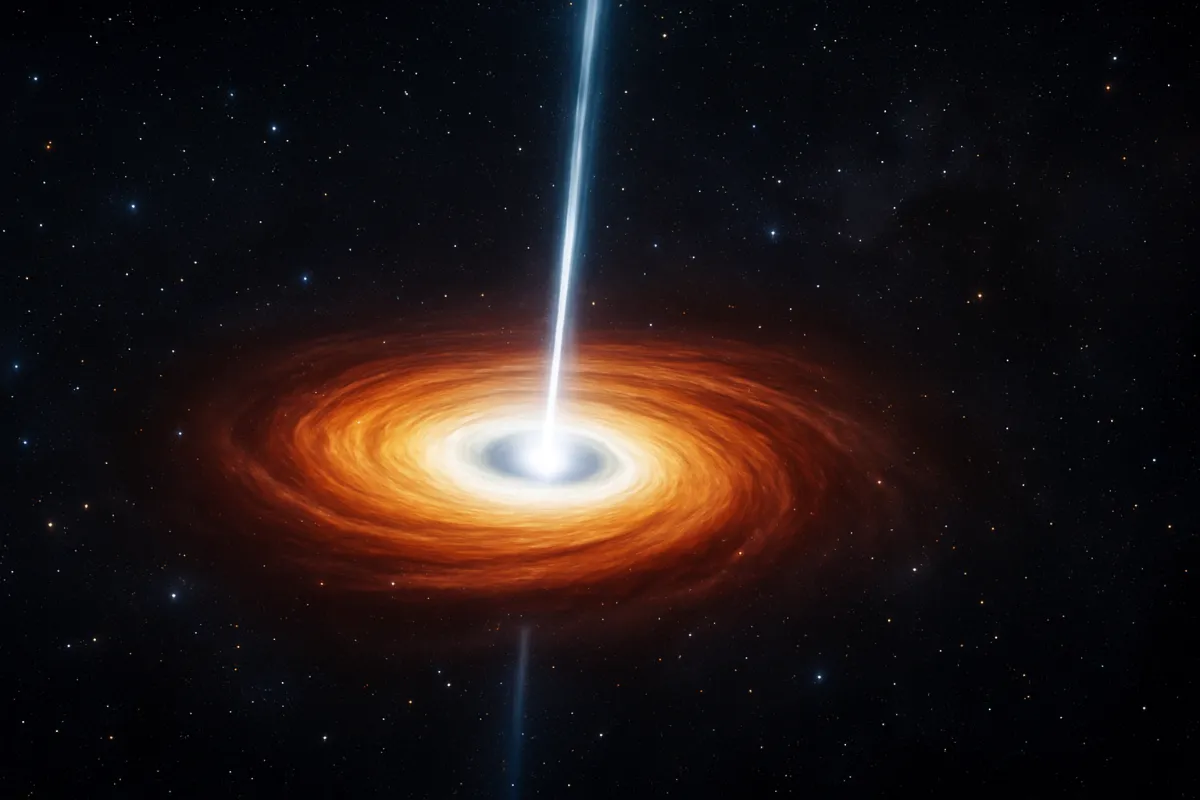
    Quasars are powered by matter falling into supermassive black holes, with most of their light coming from the inner accretion disk and corona. While radio-loud quasars emit strongly at long wavelengths through jets, radio-quiet quasars like RXJ1131 have puzzled astronomers for years.

    Observations in 2015 and 2020 revealed a clear shift in the brightness of one lensed image at 1.3 millimeters, consistent with microlensing caused by stars in the intervening galaxy.

    The sharp dimming of image A compared with the others showed the source must be extremely compact—no larger than 50 astronomical units, about the size of the Kuiper Belt in our solar system. Models constrained the emission region to less than 2.4 × 10^-4 parsecs, or about 46 gravitational radii of the black hole, which itself has a mass of 200 million suns and spins close to the maximum rate.

    This size places the emission firmly within the corona, a zone of hot plasma hovering near the black hole. The corona is known to produce X-rays by scattering photons, but at millimeter wavelengths it gives off synchrotron radiation from electrons spiraling in magnetic fields.

    The measured relationship between millimeter and X-ray brightness follows the Güdel-Benz law, first seen in stellar coronae, confirming that the same physical processes apply.

    Magnetic field strength in the corona was estimated at about 1.5 Gauss, similar to nearby quasars observed at other wavelengths. That suggests magnetic confinement plays a role in shaping both the plasma and its emission. The team ruled out larger sources such as dust clouds or jets, since those would extend far beyond the measured size.

    The result is important because radio-quiet quasars represent the majority, yet their millimeter emission was not understood. Identifying the corona as the source clarifies how energy is distributed near black holes and shows that millimeter light can be used to study environments otherwise too small to image directly.

    Gravitational lensing once again proved key. The quasar is magnified by a galaxy at redshift 0.295, while RXJ1131 itself is at redshift 0.658. The microlensing effect of individual stars in the lens galaxy allowed astronomers to probe scales far smaller than any telescope could resolve.

    RXJ1131 has been studied for more than a decade, previously used to measure the expansion rate of the universe through time delays between its lensed images. Adding millimeter-wave monitoring extends its role as a natural laboratory for black hole physics. Future ALMA observations of other quasars may allow more coronal regions to be mapped using similar techniques.

    Source: Millimeter emission from supermassive black hole coronae

  • NASA’s Mars rover Perseverance finds a rock in Jazero Crater with possible traces of past life

    NASA’s Mars rover Perseverance finds a rock in Jazero Crater with possible traces of past life

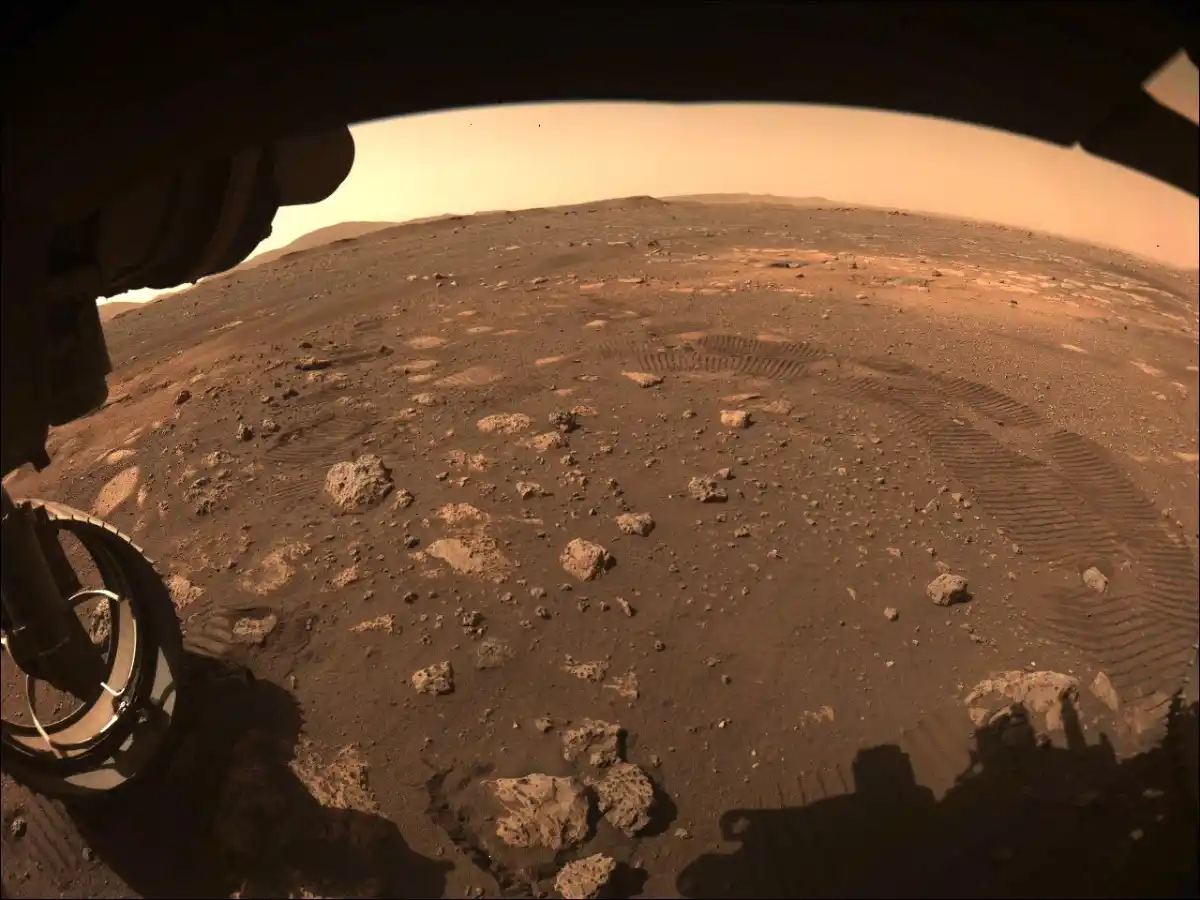
    NASA’s Perseverance rover may have found its most promising hint of Martian habitability yet. In July 2024, the rover drilled into a rock in Jezero Crater’s ancient river valley and extracted a core sample that shows chemical signatures often tied to microbial activity on Earth. The results, described this week in the journal Nature, have sparked debate among scientists about whether Mars once hosted life.

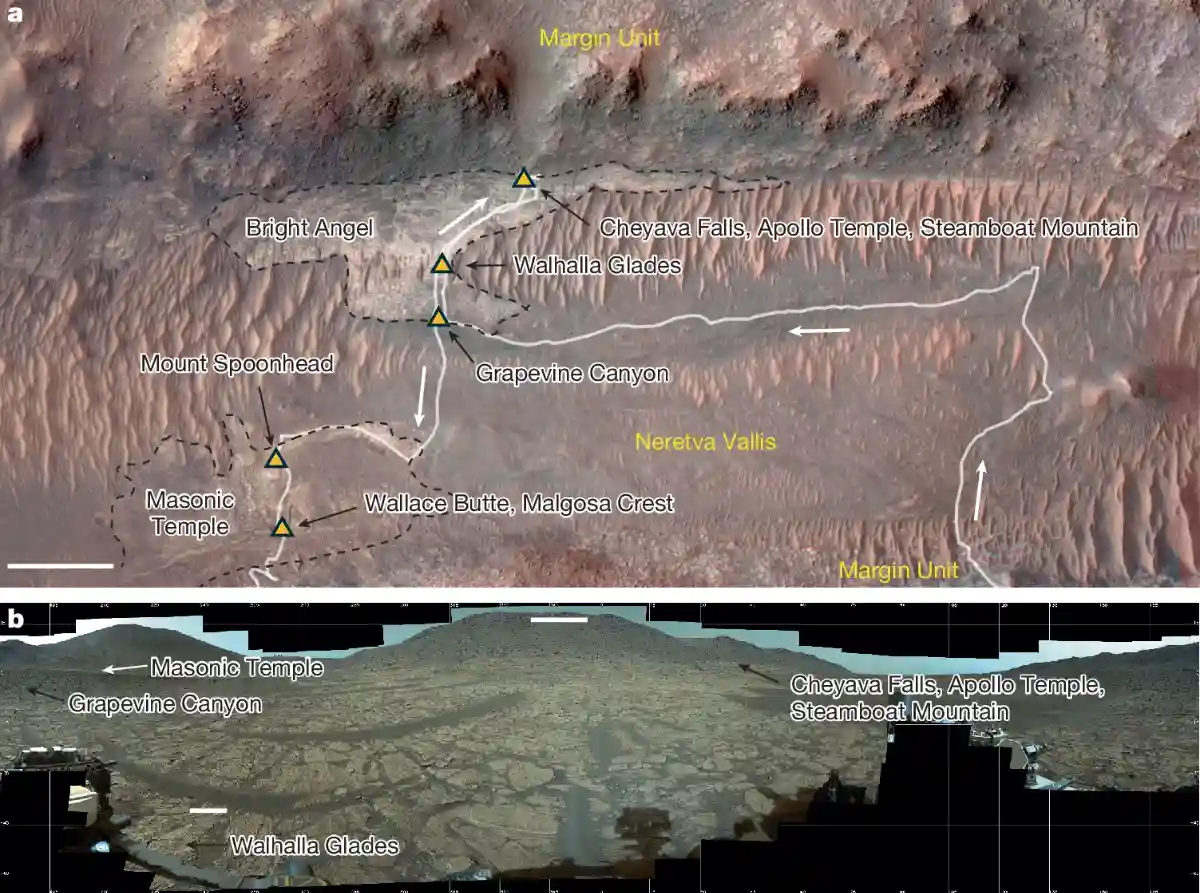
    The rock, known as Cheyava Falls, lies in Neretva Vallis, a channel carved by water billions of years ago. The extracted core, named Sapphire Canyon, is one of 27 samples collected so far by Perseverance for eventual return to Earth. Jezero Crater itself once held a large lake, making it a prime site for the search for biosignatures.

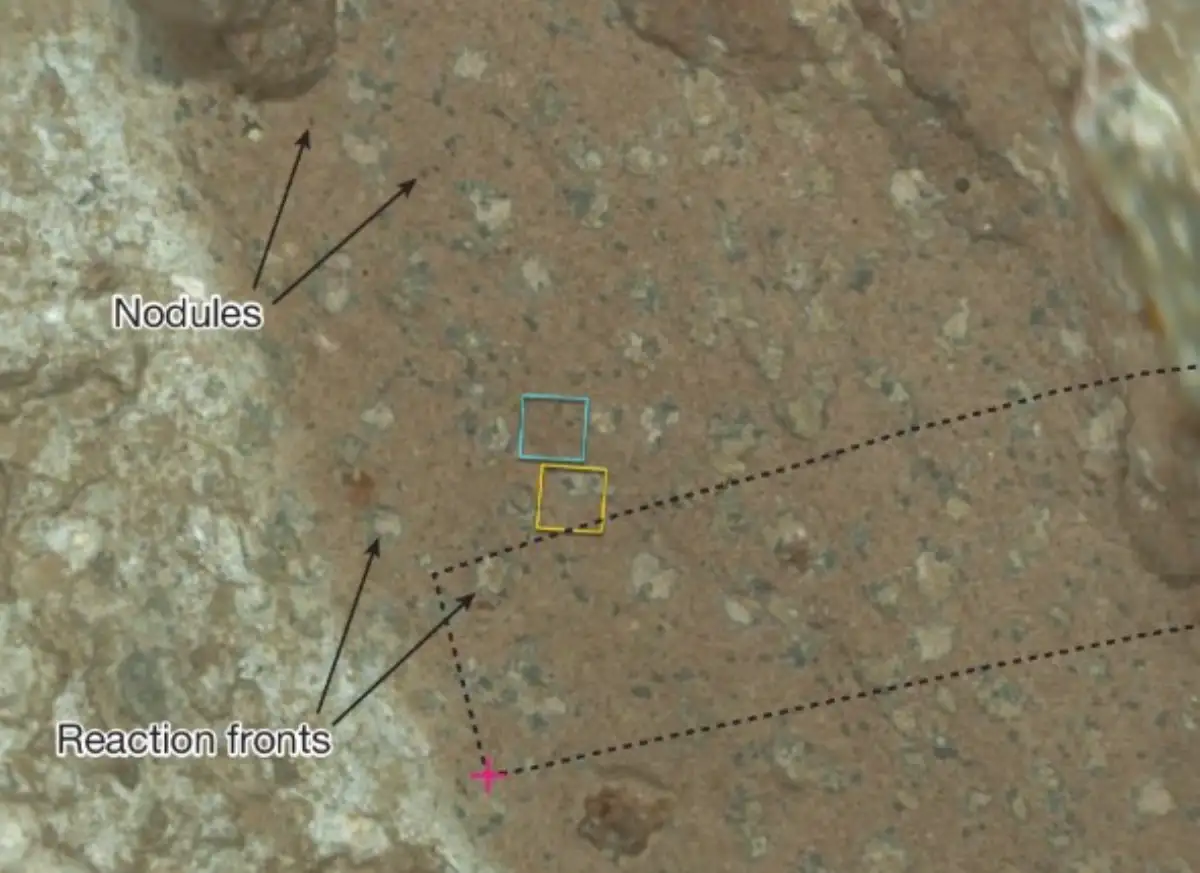
    Two of Perseverance’s instruments, PIXL and SHERLOC, detected organic carbon, sulfur, phosphorus, and iron oxides in the sample. These elements were not scattered randomly but arranged in distinct patterns nicknamed “leopard spots.” The mineral mix includes vivianite, a hydrated iron phosphate, and greigite, an iron sulfide. On Earth, both are often linked to microbial processes in wet environments.

    Colorized SHERLOC ACI image highlighting the authigenic nodule reaction front features.
    Colorized SHERLOC ACI image highlighting the authigenic nodule reaction front features. Image credit: NASA/JPL-Caltech/MSSS

    Vivianite typically forms in sediments containing decaying organic matter. Greigite can appear when microbes use sulfate for energy. The presence of both together, in specific textures, suggests electron exchanges between organics and minerals, reactions commonly driven by bacteria. Scientists note that similar features are seen in peat bogs and lake beds on Earth.

    However, chemistry alone cannot prove biology. Non-living processes, such as chemical reactions with heat or acid, can create similar patterns. Researchers point out that this rock does not show signs of extreme heat or acidity, raising the chances (but not confirming) that microbes once played a role.

    To assess such findings, scientists use the CoLD scale, which ranks the strength of evidence for past life. The Sapphire Canyon sample meets some early criteria but falls short of definitive proof. Future laboratory testing will be required to confirm whether these chemical traces were truly biological.

    Perseverance’s-path-through-Neretva-Vallis-and-views-of-the-Bright-Angel-formation.
    Perseverance’s path through Jezero Crater’s Neretva Vallis, showing science targets and the contact between the Bright Angel Formation and the Margin Unit. Image credit: NASA/JPL-Caltech/ASU/MSSS

    Perseverance’s discoveries matter because they suggest Mars may have remained habitable longer than once thought. Previous missions, such as Curiosity in Gale Crater, also found organic molecules, but Sapphire Canyon adds evidence from younger rocks in a once-wet delta.

    The rover’s work is meant to support the proposed Mars Sample Return mission, which aims to bring these samples back to Earth in the 2030s. That mission faces funding and technical hurdles, but it remains the most likely path to confirming or rejecting signs of Martian life. Scientists still recall the controversy around the ALH84001 meteorite, which in 1996 was claimed to contain fossils but was later proved inconclusive.

    For now, Perseverance will continue its survey of Jezero, while Europe’s planned ExoMars rover prepares to drill deeper into the surface. Each mission adds new clues to one of science’s biggest questions: whether Mars ever supported life.

    Source: Redox-driven mineral and organic associations in Jezero Crater, Mars

  • NASA invites public to send names aboard Artemis II mission around the Moon in 2026

    NASA invites public to send names aboard Artemis II mission around the Moon in 2026

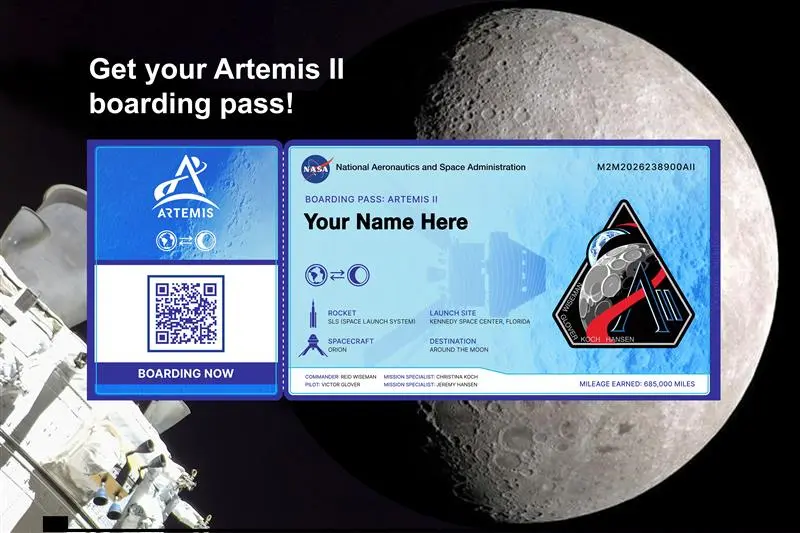
    NASA is giving the public a chance to have their names travel beyond Earth. Through its “Send Your Name with Artemis II” campaign, the space agency is inviting people worldwide to add their names to a digital list that will fly on the Orion spacecraft during its 2026 mission around the Moon. Participants will receive a downloadable boarding pass as a keepsake, while the names are stored on a memory card inside the capsule.

    The Artemis II mission is scheduled to launch from Kennedy Space Center in Florida no later than April 2026. It will be the first crewed flight of NASA’s Artemis program and the first time astronauts travel beyond low Earth orbit since Apollo 17 in 1972. Over the course of 10 days, Orion will follow a free-return trajectory, circling the Moon before heading back to Earth without landing.

    The four-member crew represents a new era for human spaceflight. Commander Reid Wiseman and pilot Victor Glover, both from NASA, will be joined by mission specialist Christina Koch, also from NASA, and Canadian astronaut Jeremy Hansen. Koch will be the first woman to journey to the Moon, and Glover will be the first person of color. Hansen becomes the first non-American to fly beyond low Earth orbit.

    During the flight, the astronauts will test Orion’s life support systems, including air and water recycling. They will assess how the spacecraft operates during different levels of activity, from exercise to rest.

    The mission will also deploy five CubeSats built by international partners to study radiation and new technologies. Another key trial involves high-speed laser communications, designed to transmit data back to Earth faster than radio signals.

    NASA sees Artemis II as a critical step toward establishing a long-term human presence on the Moon. The flight is expected to inform Artemis III, which aims to land astronauts on the lunar south pole by 2027. The mission is also designed to gather data on how radiation and deep-space conditions affect human health, information that will be essential for future Mars missions.

    Artemis II Boarding Pass by NASA.
    Boarding passes on NASA’s Artemis II mission will carry participants’ names on them. Image credit: NASA

    Public participation plays a role in building interest. More than a million names flew on the uncrewed Artemis I mission in 2022, and NASA hopes to exceed that number this time.

    People can sign up online until January 21, 2026, at

    go.nasa.gov/artemisnames for English

    or

    go.nasa.gov/TuNombreArtemis for Spanish.

    On launch day, all submitted names will travel with the crew.

    NASA has also invited volunteers to help track the mission from home, using publicly available data to monitor Orion’s journey. Officials say these efforts are meant to remind people that space exploration belongs to everyone, not just astronauts and scientists.

  • Blue Origin System to Turn Lunar Dirt into Solar Panels Clears Key Design Review

    Blue Origin System to Turn Lunar Dirt into Solar Panels Clears Key Design Review

    Blue Origin’s lunar resource system, known as Blue Alchemist, has passed a key milestone, completing its Critical Design Review in September 2025, Blue Origin announced. The technology is designed to turn lunar soil into solar panels, metals, and oxygen, potentially lowering the cost of Moon missions by more than half. The company plans to test the system in 2026 in a simulated lunar environment.

    Blue Origin says the project is aimed at supporting NASA’s Artemis program and future missions to Mars by cutting down the need to launch heavy supplies from Earth. Instead, astronauts could use what’s already on the Moon to build long-term bases and power systems.

    Blue Alchemist uses a process called molten regolith electrolysis. Lunar regolith, the dusty soil covering the Moon, is heated above 1,600°C. An electrical current then separates oxygen from metals like iron, aluminum, and silicon. The silicon is refined to ultra-high purity, clean enough to produce efficient solar cells. Oxygen produced in the process could be used for life support or as rocket fuel.

    Unlike Earth-based silicon production, which relies on toxic chemicals, Blue Alchemist only needs sunlight and regolith. Blue Origin says this makes it safer and more suitable for operations on the Moon.

    The Moon’s regolith contains high amounts of silicon, aluminum, and iron, all useful for construction and energy systems. Blue Origin has developed Earth-made versions of this soil, matching its chemistry and texture, for testing in labs. Using local resources instead of transporting them from Earth could save thousands of dollars per kilogram in mission costs.

    The system can create solar cells, protective glass covers, and wires for energy transmission. These products could last for more than a decade on the Moon, even under extreme conditions. They could power habitats, rovers, and other equipment needed for human presence on the surface.

    NASA has already awarded Blue Origin $35 million under its Tipping Point program to support the development. A demo is planned for 2026 to prove the system can run without direct human control. This fits with Artemis’s goals of building a permanent lunar presence later this decade.

    Blue Origin says Blue Alchemist could also have applications on Earth. The system’s zero-carbon process might be able to turn desert sand into solar cells, avoiding the use of water and harmful chemicals. It could also provide high-purity silicon and other materials for electronics, easing reliance on global supply chains.

    Operating at such high heat is difficult. Engineers must prevent oxygen bubbles from damaging equipment while ensuring electrodes can withstand intense heat and chemical reactions. Scaling up the process for use on the Moon will require durable, lightweight systems capable of surviving harsh lunar conditions.

    Blue Origin has dedicated more than 65 staff at its 60,000-square-foot Space Resources Center of Excellence to address these issues.

    Blue Alchemist fits into Blue Origin’s wider lunar plans, including the Blue Moon Mark 1 lander scheduled for a test flight in 2025. The lander could eventually deliver the system to the Moon for trials on the surface. If it succeeds, it would support Artemis V in 2030, which aims to land astronauts using a larger Mark 2 lander.

    The push to develop lunar resources is not limited to the US. China is pursuing its own technologies to support human missions to the Moon by 2030. Blue Origin’s progress adds to the growing competition over who will build the first sustainable base on the lunar surface.