Category: Space

Explore the vastness beyond our planet. This section covers missions, discoveries, and events that expand our reach into the cosmos. From new rocket launches to deep-space observations, “Space” keeps you updated on humanity’s steps into the unknown.

  • NASA bars Chinese nationals with US visas from projects as US-China space race intensifies

    NASA bars Chinese nationals with US visas from projects as US-China space race intensifies

    NASA has tightened restrictions on Chinese nationals working under US visas, cutting off access to its projects, facilities, and data systems as of September 5, Bloomberg reported. The change affects graduate students, contractors, and researchers at American universities who had previously been able to contribute to agency work.

    Officials say the decision is aimed at strengthening security, but it underscores the growing competition between the United States and China in space.

    Bethany Stevens, a NASA spokesperson, confirmed the shift, explaining that it extends existing rules to cover physical and cybersecurity protections. While US law has long blocked the agency from hiring Chinese citizens directly, this move applies to visa holders who are not formally tied to the Chinese government.

    The timing reflects wider tensions between Washington and Beijing. Acting NASA Administrator Sean Duffy has described the rivalry as a “second space race,” warning that the US must not fall behind China’s rapidly advancing space program.

    His remarks recall the Wolf Amendment, passed in 2011, which prohibits bilateral cooperation between NASA and Chinese entities without congressional approval. That measure was intended to prevent technology transfer and address human rights concerns, but it also pushed China to develop its own space program independently.

    Since then, China has made major gains. Its Tiangong space station has been continuously crewed, and its Chang’e missions have returned samples from the Moon, including material from the far side in 2024. The country plans to send astronauts to the lunar surface by 2030 while also preparing a robotic Mars sample return for 2028. Both could rival or outpace NASA’s own goals.

    By comparison, NASA’s Artemis program has faced delays and rising costs. The uncrewed Artemis I test launched in 2022, but the first crewed lunar mission, Artemis II, is now scheduled for 2026. Artemis III, targeting a landing at the Moon’s south pole, is unlikely before 2027.

    The new restrictions may also affect international scientific collaboration. Areas such as planetary science and astrophysics often rely on open data sharing across borders. US researchers have previously worked with Chinese samples, including those from the Chang’e-5 mission, after clearance procedures.

    Stricter barriers risk limiting such cooperation, and critics argue that excluding Chinese scientists weakens the overall pace of discovery.

    Opponents of the Wolf Amendment say it has had the opposite effect of what was intended, driving China to operate entirely on its own. They warn that nationality-based restrictions in space science could leave gaps in global monitoring, such as asteroid tracking, which depends on contributions from multiple nations.

    The decision also comes as US space policy shifts under broader political debates. Proposals under former president Donald Trump targeted cuts to Earth science programs, including climate monitoring satellites, in favor of deep-space exploration. Budget uncertainties have also placed projects like the joint US-European Mars Sample Return mission under review.

    For now, NASA continues to work with Europe, Japan, and Canada on Artemis, while keeping China at arm’s length. Officials argue that tighter controls are needed to safeguard US leadership in space, but critics point out that long-term progress could benefit more from cooperation. With China pressing ahead on plans for reusable rockets and a lunar base, the divide between the two powers shows little sign of narrowing.

  • SpaceX Strikes $17 Billion Deal for EchoStar Spectrum to Expand Starlink Service

    SpaceX Strikes $17 Billion Deal for EchoStar Spectrum to Expand Starlink Service

    SpaceX has agreed to buy wireless spectrum licenses from EchoStar in a deal worth about $17 billion, giving Elon Musk’s company control of radio frequencies that will allow Starlink satellites to connect directly to mobile phones.

    The purchase combines cash, stock, and debt coverage and is set to expand Starlink’s internet service from homes and businesses to everyday handsets. The move also resolves regulatory pressure on EchoStar, which faced the risk of losing the spectrum for not deploying its 5G network quickly enough.

    The agreement includes up to $8.5 billion in cash, up to $8.5 billion in SpaceX stock, and coverage of $2 billion in EchoStar’s debt interest payments through 2027. EchoStar, which owns Dish Network, has been struggling with debt and slow progress in building its wireless network. By selling, the company avoids penalties from the Federal Communications Commission (FCC), while SpaceX gains access to spectrum it plans to use actively.

    The licenses cover the AWS-4 and H-block bands near 2 gigahertz, frequencies that travel long distances and can pass through walls. That makes them well suited for connecting satellites to ground devices like smartphones. With these bands, SpaceX can expand its service beyond fixed satellite internet and offer direct-to-device connections.

    Starlink already provides internet from thousands of low-Earth orbit satellites. The new spectrum strengthens ongoing tests with T-Mobile, where satellites act like cell towers to connect regular phones without extra hardware. SpaceX says this will improve coverage in remote areas such as mountains, oceans, and rural regions.

    EchoStar faced years of pressure from regulators to build out its 5G network using these licenses. The FCC had raised the possibility of revoking them if deployment targets were not met. Reports say former President Donald Trump encouraged a deal to settle the matter. By transferring the spectrum to SpaceX, regulators can expect the frequencies to be put to use quickly.

    For astronomy, the deal brings both opportunities and concerns. Starlink satellites already interfere with telescope images, leaving streaks across the night sky. Expanding the constellation to provide phone service could worsen this. Astronomers also worry about radio interference, though certain science bands are protected. At the same time, reliable internet from space could help remote observatories in places like Hawaii and Chile share data more easily.

    Radio astronomers often work in protected frequencies, such as the hydrogen line at 1.42 GHz, but nearby commercial bands can still create problems if not carefully managed. Scientists are pushing for coordination to limit the effect of satellite networks on research.

    If approved by the FCC, the purchase cements SpaceX’s lead in satellite broadband. Amazon’s Kuiper project remains in early stages with fewer satellites launched. The deal shows how space companies are increasingly tied to the telecom industry, with networks in orbit expected to support not only consumers but also future missions to the Moon and Mars.

    Regulators are expected to make a final decision soon. If cleared, Starlink’s reach will grow from households to handsets, changing how people stay connected on Earth and potentially beyond.

  • NASA Names Crew for 2025 Mars Mission Simulation at Johnson Space Center

    NASA Names Crew for 2025 Mars Mission Simulation at Johnson Space Center

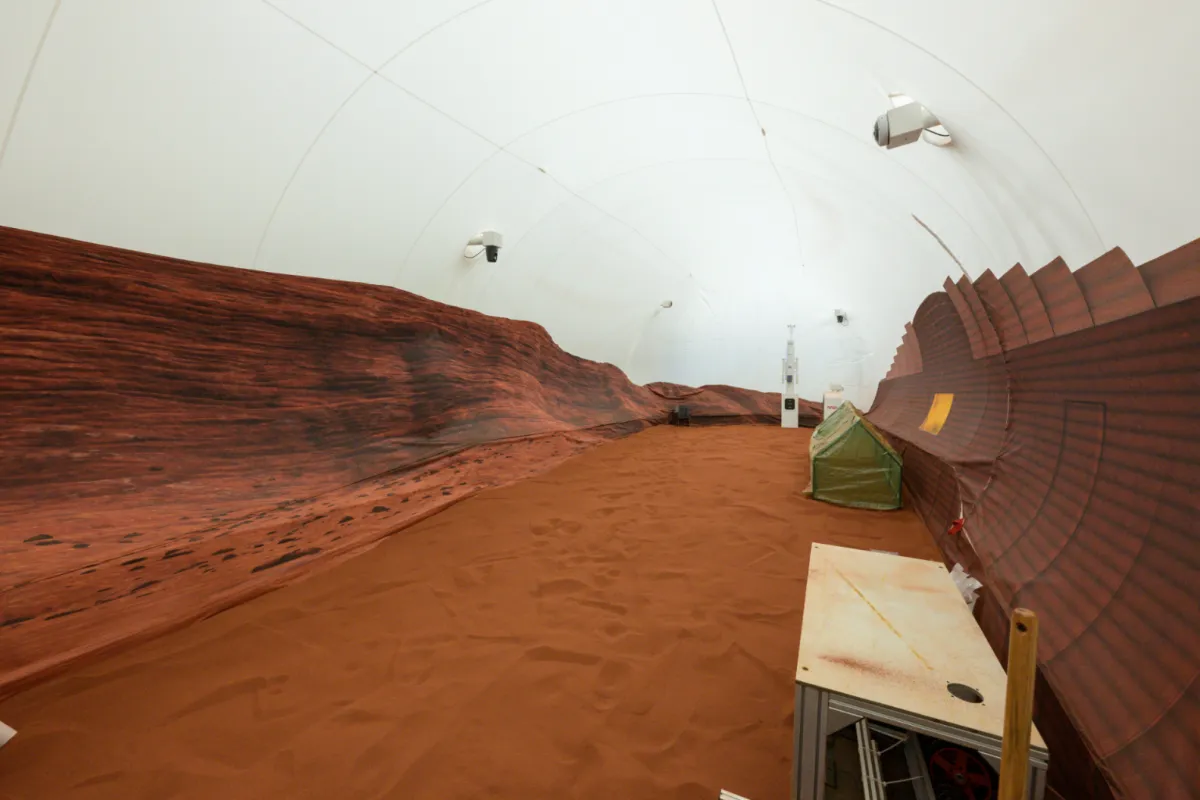
    NASA has announced the four volunteers who will spend more than a year inside a Mars simulation habitat in Houston. Starting October 19, 2025, the group will live for 378 days in Mars Dune Alpha, a 1,700-square-foot 3D-printed structure at Johnson Space Center. The mission, known as CHAPEA, is designed to mimic the isolation, resource limits, and daily challenges astronauts will face on future missions to Mars.

    The habitat will test how humans handle long-duration stays in confined conditions. Crew members will face restricted supplies, equipment failures, and communication delays of up to 20 minutes each way. NASA will track how they respond mentally and physically while living in a Mars-like setting.

    The volunteers will perform tasks similar to what astronauts would do on Mars. They will conduct simulated spacewalks in a sand-filled outdoor area built to resemble Martian terrain. The team will also grow crops, operate robots, and maintain systems for water and medical support. These activities help NASA measure how well humans can manage life support and science duties far from Earth.

    The crew includes four primary members. Commander Ross Elder is an Air Force test pilot with combat flying experience in jets such as the F-35. He also has training in artificial intelligence and engineering. Medical officer Ellen Ellis, a Space Force colonel, has managed satellite programs and studied disaster response.

    Science officer Matthew Montgomery, an engineer, works with robotics and agricultural systems for private companies. Flight engineer James Spicer has aerospace industry experience building spacecraft and satellite networks.

    Two alternates are on standby in case of crew changes. Marine pilot Emily Phillips, trained in computer science, has flown F/A-18 Hornets. UK-based pilot Laura Marie has logged more than 2,800 flight hours and works as a mentor for new aviators.

    Mars Dune Alpha’s design reflects the harsh environment astronauts would encounter on Mars, where temperatures plunge to -80°F, radiation levels are high, and the atmosphere lacks oxygen. By recreating these challenges on Earth, NASA can better prepare for human missions that could begin in the 2030s. The agency has previously tested similar concepts in Hawaii at the HI-SEAS habitat.

    The first CHAPEA mission ended in July 2024, providing data on sleep, diet, and teamwork under stress. The second mission will expand that research by monitoring muscle and bone changes in simulated low-gravity conditions. The findings will inform the design of spacesuits, habitats, and medical protocols for future crews.

    NASA says testing on Earth reduces the risk of surprises once humans land on Mars. With rovers already confirming the presence of water ice and searching for past signs of life, preparing astronauts for the physical and psychological demands of a Mars stay is a key step toward making such missions possible.

  • NASA’s JWST May Have Detected a Galaxy From 90 Million Years After the Big Bang

    NASA’s JWST May Have Detected a Galaxy From 90 Million Years After the Big Bang

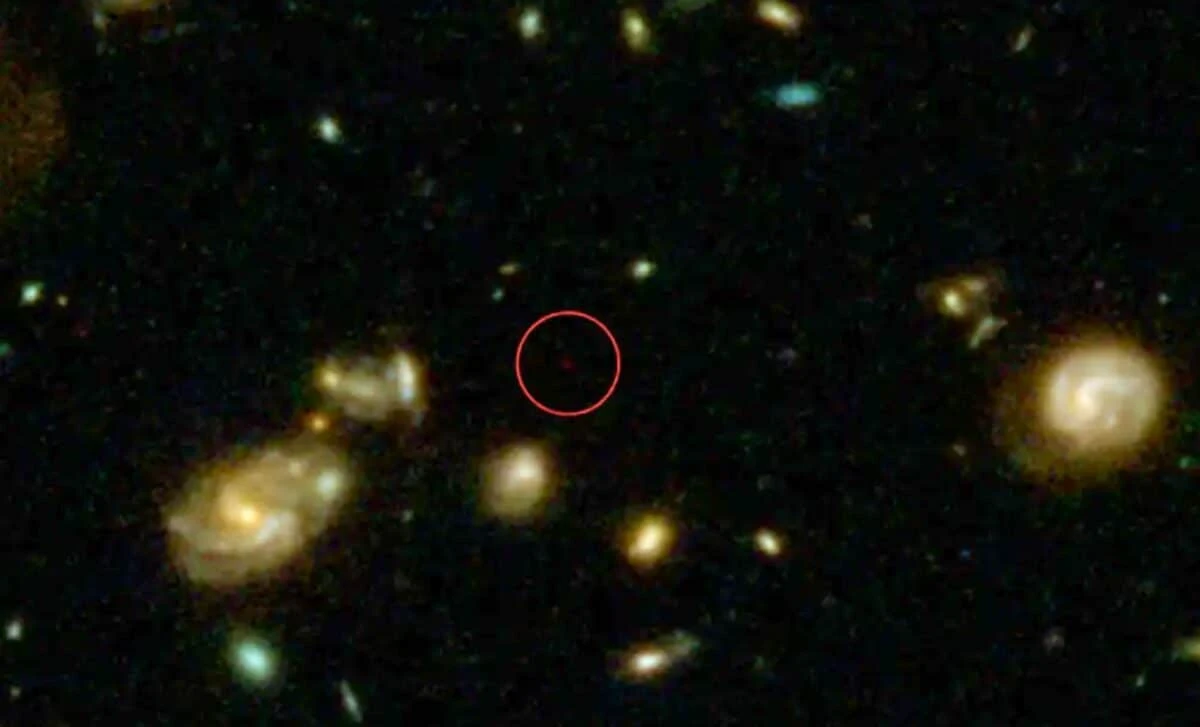
    Astronomers say the James Webb Space Telescope (JWST) may have captured the most distant galaxy ever seen, an object nicknamed Capotauro. The discovery, led by Giovanni Gandolfi of the University of Padua, comes from JWST’s CEERS survey, which searches deep space for early galaxies.

    The team shared its findings in a preprint posted to arXiv. If confirmed, the object would push cosmic history back to a time when the universe was only 90 million years old.

    Capotauro shows up in JWST’s infrared data as a faint red speck. It is absent in shorter wavelengths but appears bright in longer ones, with a sharp drop in brightness between 3.5 and 4.5 microns. Astronomers say this drop, called a Lyman break, is a clear sign of light stretched by the universe’s expansion over billions of years.

    The team used JWST’s NIRSpec instrument to study the object. Their analysis points to a redshift of about 32. That means the light left Capotauro when the universe was still in its first 100 million years of existence.

    The current record-holder for distance is a galaxy called JADES-GS-z14-0, found at redshift 14.3, dating back to about 290 million years after the Big Bang. If Capotauro truly sits at redshift 32, it would extend the timeline of galaxy formation by 200 million years. That period is thought to be when the first stars, known as Population III stars, came into being.

    These stars were massive and made only of hydrogen and helium. They later produced the heavier elements that formed later generations of stars and planets. A galaxy forming during this time would challenge existing models of how quickly cosmic structures could form.

    Not all astronomers agree that Capotauro is a galaxy. The data could also fit a much closer object, such as a dusty galaxy at a redshift below 10. Another possibility is that it is not a galaxy at all but a cold brown dwarf star inside our own Milky Way, with a surface temperature below 300 Kelvin.

    JWST’s early surveys have already produced several candidates for very early galaxies that later turned out to be either closer objects or noise in the data. While the evidence for redshift 32 is strong, the team estimates there is still a small chance (less than 1 percent) that the true redshift is under 25.

    If Capotauro is confirmed as a galaxy, it would reshape ideas of how quickly the first galaxies formed. Current models assume it would take hundreds of millions of years for matter to clump into stars and galaxies after the Big Bang. A galaxy at 90 million years suggests matter collapsed much faster, possibly because of how dark matter influenced early structure.

    The timing also overlaps with the so-called cosmic dawn, when ultraviolet light from the first stars cleared away the neutral hydrogen that filled the universe, making it transparent.

    The team behind the discovery is calling for more observations. Deeper spectroscopy from JWST could confirm the object’s distance and composition. Only then can astronomers know whether Capotauro is a galaxy from the earliest days of the universe or something closer to home.

    Whatever the result, Capotauro is now a target for further study. Whether it proves to be a faint brown dwarf or a galaxy from the dawn of time, it adds to the questions Webb was built to answer.

    Source: Mysteries of Capotauro – investigating the puzzling nature of an extreme F356W-dropout

  • Dormant Bacteria Found in NASA Clean Rooms Could Threaten Future Mars and Europa Missions

    Dormant Bacteria Found in NASA Clean Rooms Could Threaten Future Mars and Europa Missions

    Scientists have found that a rare bacterium, Tersicoccus phoenicis, can survive inside NASA’s spacecraft assembly clean rooms by entering a dormant state, raising questions about how well current sterilization methods protect missions to Mars, Europa, and beyond.

    The discovery comes from new research led by the University of Houston, which studied how the microbe withstands environments designed to be nearly lifeless.

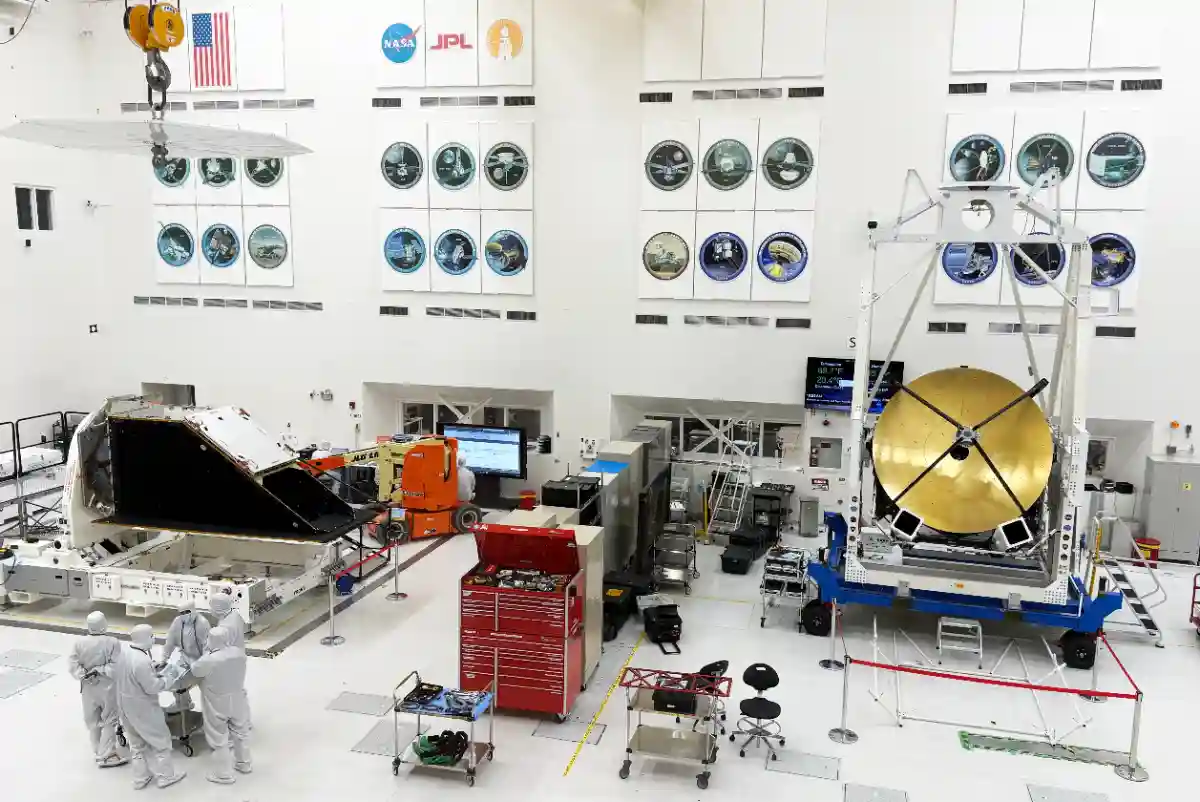
    Clean rooms are essential for building spacecraft that search for signs of life. NASA enforces strict planetary protection rules to prevent Earth microbes from contaminating other worlds, a standard put in place after lessons from the Viking missions in the 1970s.

    Workers disinfect surfaces with chemicals, UV light, and filtered air. Yet T. phoenicis has repeatedly been detected in these facilities, including at Kennedy Space Center in Florida and a launch site in French Guiana.

    Unlike many tough bacteria, T. phoenicis does not form protective spores. Instead, it shuts down activity when nutrients run out, staying alive but almost impossible to grow under normal lab conditions. In experiments, researchers starved the bacterium in nutrient-poor solutions.

    Within days, the number of colonies visible on plates dropped by more than seven orders of magnitude, but cell numbers stayed the same under a microscope, proving the microbes had entered dormancy rather than died. To simulate the dry surfaces of clean rooms, the team also dehydrated the cells. After two days without water, few could grow back on their own.

    However, when researchers added a protein known as resuscitation-promoting factor, borrowed from a related bacterium, the dormant microbes “woke up” faster and resumed growth. This protein shortened recovery times from more than 50 hours to about 31 in some cases.

    The study also noted that T. phoenicis carries stress-related genes similar to those seen in pathogens such as Mycobacterium tuberculosis, which is known for lying dormant inside the human body. In laboratory tests, the bacteria tended to clump together during dormancy, creating unusual stop-and-start growth patterns until the added protein restored normal behavior.

    Researchers warn that standard checks, which rely heavily on spore counts and DNA testing, may overlook these hard-to-detect dormant cells. If such microbes survive sterilization and ride along on spacecraft, they could complicate life-detection experiments or even seed new environments with Earth organisms.

    Beyond space science, the findings may also apply to medicine and food safety. Many bacteria survive harsh conditions, antibiotics, or disinfectants by entering a similar dormant state. Better understanding this process could improve sterilization practices in hospitals and factories.

    The team plans further tests on other microbes that persist in clean rooms. With Mars sample return projects and human missions under development, scientists say detecting and managing these hidden survivors will be more important than ever.

    Source: Tersicoccus phoenicis (Actinobacteria), a spacecraft clean room isolate, exhibits dormancy

  • Space Travel May Accelerate Aging, Study Warns as NASA Prepares for Long Missions

    Space Travel May Accelerate Aging, Study Warns as NASA Prepares for Long Missions

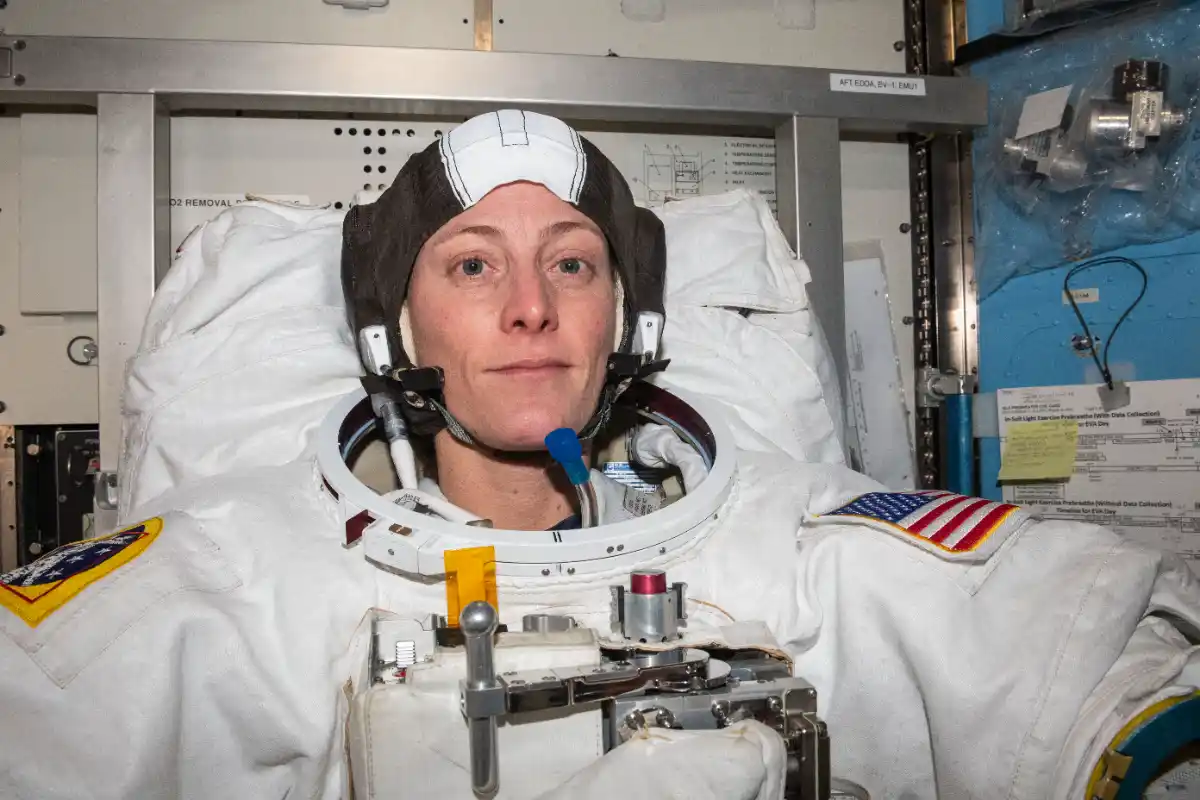
    A new study examining mice, human cells, and astronaut samples has found that space travel triggers biological changes similar to aging, raising concerns for future missions to the Moon and Mars. The research, which analyzed data from NASA, JAXA, and the civilian Inspiration 4 flight, shows how microgravity, radiation, and isolation affect genes tied to muscle loss, immunity, and metabolism.

    Scientists have long known that space weakens muscles and bones, but this work connects those changes to frailty, a syndrome linked to reduced resilience in older adults. The findings come from gene expression studies of rodents flown on the International Space Station (ISS), astronauts on extended missions, and ground-based simulations such as bed rest. The results reveal overlaps with aging processes on Earth.

    Microgravity caused muscle atrophy and bone thinning, while radiation damaged DNA. Genes involved in inflammation and energy regulation shifted in patterns familiar from age-related decline. For example, mouse muscles like the soleus showed upregulation of inflammatory pathways. Similar activity appeared in humans placed in bed rest conditions designed to mimic weightlessness.

    Data from JAXA astronauts and the Inspiration4 crew reinforced these results. Blood samples revealed heightened activity of immune and stress-related genes during and after flight. One marker, AKT1, stayed elevated after return to Earth, linking to cardiovascular problems seen in older populations. Even the short Inspiration4 mission showed early signs of inflammatory responses.

    The study highlighted sarcopenia, or age-related muscle loss, as a key overlap. Astronauts lose up to 20% of muscle mass during six months on the ISS, despite strict exercise routines. The research identified shared genes, including GJB4, in both spaceflight atrophy and age-related decline, suggesting common pathways behind muscle weakening.

    Metabolism also shifted in space-exposed cells. Lipid processing slowed in some cell types while accelerating in others, echoing how mitochondria falter during aging. These changes may worsen during long missions to Mars, where cosmic radiation exposure is higher and shielding is limited.

    Researchers say tracking frailty markers in astronauts could help flag risks before symptoms appear. This could guide countermeasures such as anti-inflammatory drugs or metabolic treatments. The team argues that insights from aging medicine may support astronaut health during voyages lasting years.

    The work also links space biology to broader health research on Earth. Telomere shortening, immune stress, and DNA instability seen in astronauts mirror problems in high-stress occupations and aging populations. By studying the extreme environment of space, scientists hope to find tools for healthier aging at home.

    With NASA’s Artemis program and SpaceX’s Mars plans advancing, experts warn that solving these medical challenges is as urgent as building rockets. Protecting astronauts from accelerated aging effects could determine the success of long-duration exploration.

    Source: Nanobioreactor detection of space-associated hematopoietic stem and progenitor cell aging

  • China Develops New Space Laundry Machine Using Mist and Ozone to Cut Clothing Waste

    China Develops New Space Laundry Machine Using Mist and Ozone to Cut Clothing Waste

    Chinese researchers have unveiled a compact laundry system designed for use on space stations, offering a practical answer to one of the most persistent problems in orbit: dirty clothes. The machine, tested by the China Astronaut Research and Training Center, cleans without detergent and uses minimal water, making it well-suited for long missions where every drop of liquid is carefully recycled.

    For years, astronauts aboard the International Space Station (ISS) and China’s Tiangong outpost have had no way to wash clothes. With water supplies too valuable to spare, they wear garments until they are no longer usable, then load them onto cargo ships that burn up on reentry. This approach adds to launch weight and costs, and it would be impractical for longer trips, such as a journey to Mars.

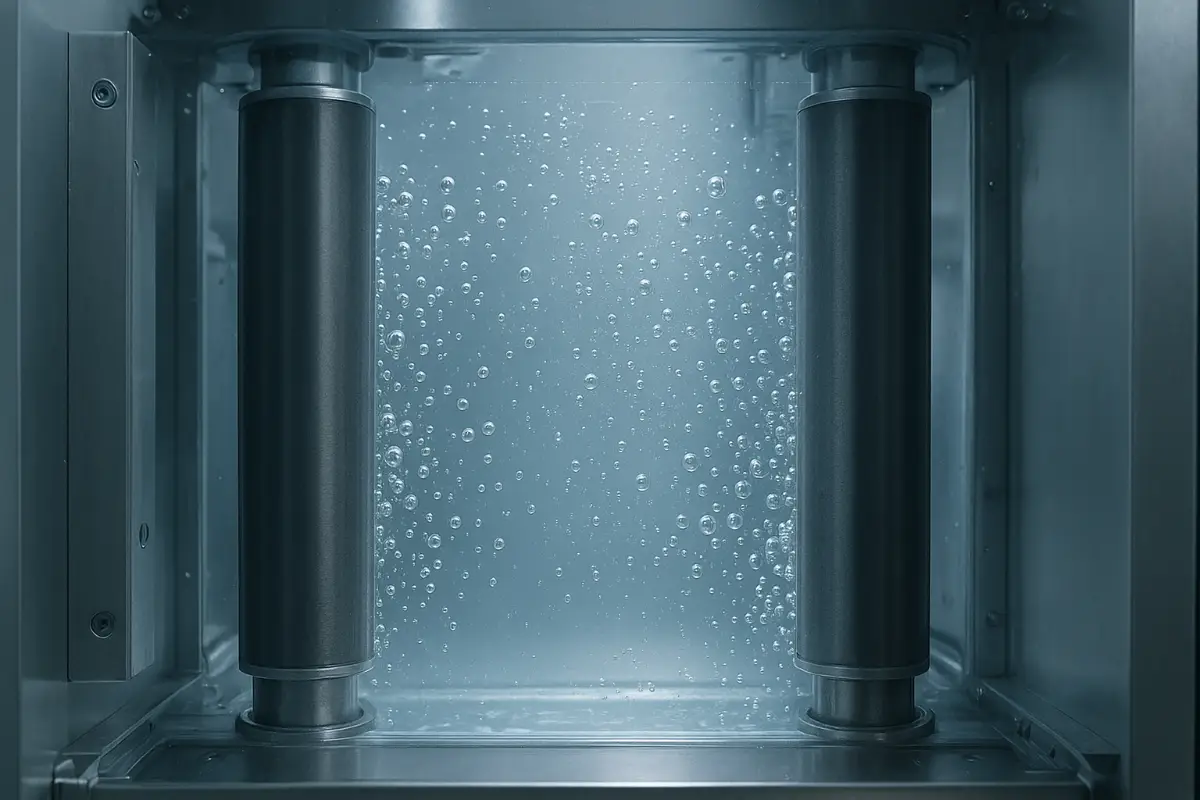
    The new system is roughly the size of a small suitcase, weighs 12 kilograms, and can clean up to 800 grams of clothing in a half-hour cycle. It sprays garments with an ultra-fine mist of just 400 milliliters of water, far less than even the most efficient washing machines on Earth.

    Instead of soap, the device uses ultraviolet light to generate ozone inside a sealed chamber. The ozone eliminates bacteria and odors before hot air dries the clothes and neutralizes any remaining gas. Sensors ensure nothing harmful leaks into the cabin.

    Ozone, a molecule made of three oxygen atoms, is widely used in water treatment on Earth because it can break down microbes and organic matter quickly. In orbit, where free-floating water poses risks to equipment and crew, it offers a way to sanitize without leaving behind liquid waste. Tests show the process kills 99.9 percent of microbes, allowing astronauts to reuse clothing up to five times.

    Previous efforts to solve the laundry problem have met limited success. NASA partnered with detergent maker Tide in 2021 to test special soaps in space, but the system was never adopted. In 2023, another company tested ultrasonic cleaning with small amounts of water, though bacteria remained afterward. China’s method appears to overcome both of those issues while using less water.

    Researchers say the new washer could reduce the mass of clothing launched for long-term missions by more than 60 percent, saving fuel and space aboard rockets. Built to last at least five years, it could also support future lunar bases and Mars expeditions, where resupply from Earth would be slow or impossible.

    The findings were published in the Chinese Journal of Space Science. Engineers now plan to refine the design and improve efficiency. Beyond spaceflight, the technology could influence Earth-based laundry machines by showing how to clean clothes with less water and no detergents.

  • Pulsar Races From Rare Supernova Far Above Milky Way’s Disk, Surprising Astronomers

    Pulsar Races From Rare Supernova Far Above Milky Way’s Disk, Surprising Astronomers

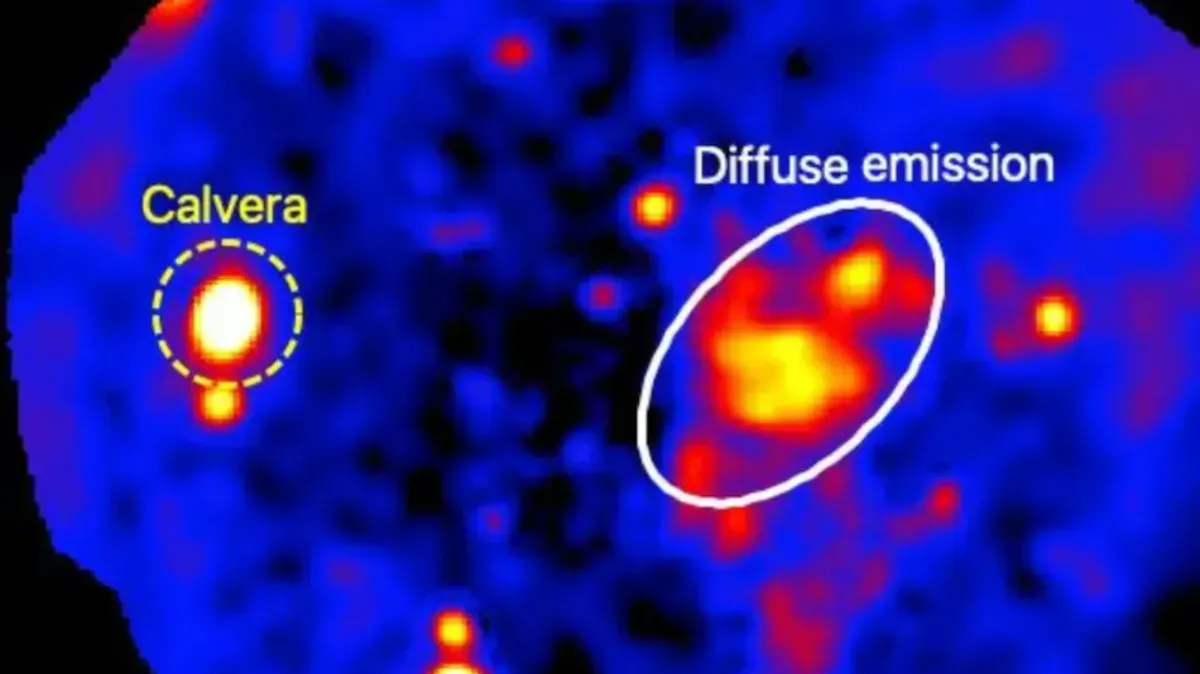
    Astronomers have confirmed that a pulsar named Calvera is speeding away from the remains of a supernova in one of the galaxy’s most unlikely regions. Located more than 6,000 light-years above the Milky Way’s crowded disk, Calvera challenges long-held ideas about where massive stars form and explode.

    The discovery comes from combined radio and X-ray observations, which traced the pulsar’s path back to its birth site 10,000 to 20,000 years ago.

    Calvera lies between 13,000 and 16,500 light-years from Earth, positioned in a thin region where very few stars exist. The galactic disk usually produces most of the stars heavier than eight times the Sun, the kind that end their lives in supernovae.

    Above the disk, conditions are far less favorable for star formation. Calvera’s presence proves that at least one massive star did exist there and exploded to form the pulsar we see today.

    Pulsars are the neutron stars that are collapsed remnants of supernovae. They are extremely dense, with more mass than the Sun packed into a sphere only 20 kilometers across.

    Calvera was first identified in 2007 using data from the ROSAT X-ray satellite. It belongs to a rare group of neutron stars known as the Magnificent Seven, which glow strongly in X-rays but do not emit radio pulses. These stars are isolated and slowly cooling, making them useful for studying neutron star surfaces.

    In 2022, the LOFAR radio telescope in Europe detected a faint ring of radio emission around Calvera. This hinted at the presence of a supernova remnant.

    A team led by Emanuele Greco at Italy’s National Institute for Astrophysics then used XMM-Newton and other telescopes to examine the region in X-rays and other wavelengths. They confirmed that the pulsar’s motion aligns directly with the remnant’s center, pointing to its origin in the explosion.

    When a massive star explodes, the blast is often uneven. That imbalance can fling the remaining neutron star outward at great speed, an effect known as a natal kick. Calvera appears to have received such a kick, sending it flying through the galaxy while the shell of hot gas and debris expanded behind it.

    Even in this thin region of space, clumps of material around the remnant glowed in X-rays and gamma rays, offering clues about the original star.

    Analysis suggests the progenitor star weighed around 15 times the mass of the Sun. Stars of this size live only a few million years before collapsing. Finding such a star far from the galactic plane raises questions about its origin.

    It may have been a runaway star ejected from a cluster closer to the plane, or it could have formed in place under unusual conditions. Similar cases have been seen in the Gum Nebula, another region with rare off-plane massive stars.

    Calvera shows that the outer regions of the galaxy are not as quiet as once thought. If one massive star formed and exploded there, more may be waiting to be discovered. For astronomers studying supernova remnants and pulsars, this means updating maps of where these objects are likely to appear. It also demonstrates that high-energy emissions can remain bright even in sparse environments.

    Future facilities such as the Square Kilometre Array will help detect more unusual neutron stars and remnants in unexpected locations. Calvera, named after a movie villain for its solitary and fast-moving nature, serves as a reminder that the Milky Way still holds surprises. Careful work across radio, X-ray, and gamma-ray astronomy continues to reveal how stars live, die, and shape the galaxy.

    Source: Multi-wavelength study of the high Galactic latitude supernova remnant candidate G118.4+37.0 associated with the Calvera pulsar

  • ISRO Successfully Tests Parachutes for Gaganyaan Human Spaceflight Mission

    ISRO Successfully Tests Parachutes for Gaganyaan Human Spaceflight Mission

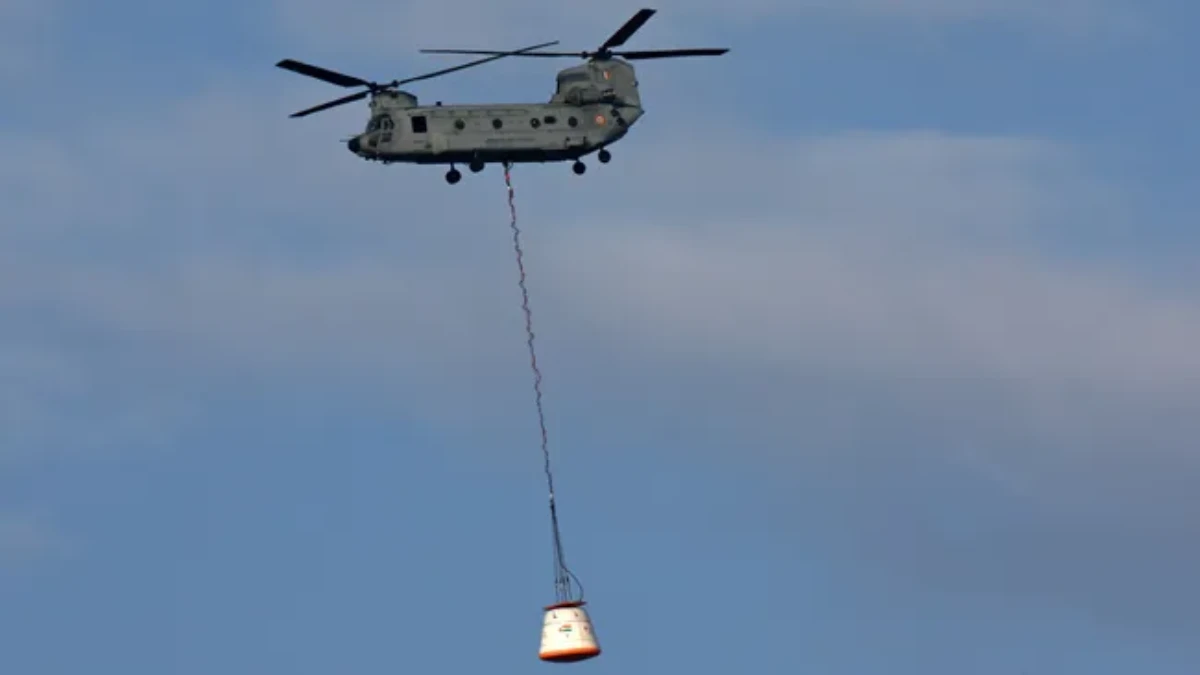
    India has taken a major step toward its first human spaceflight by successfully testing the parachute system for the Gaganyaan crew capsule. On August 24, 2025, engineers at the Satish Dhawan Space Centre dropped a 4.8-tonne mock capsule from an Indian Air Force helicopter flying three kilometers above the ground, reported ISRO.

    The test verified that the parachutes could slow the vehicle safely for splashdown in the Bay of Bengal, a key requirement before astronauts fly in 2027.

    The sequence began with two small pilot chutes pulling out drogue parachutes to stabilize the descent. Three large main parachutes then deployed, reducing the capsule’s speed to about 7 meters per second. The capsule touched down smoothly in the Bay of Bengal, where the Indian Navy retrieved it. The test also confirmed the system’s ability to handle emergency aborts, such as those during launch failures.

    Returning from orbit means decelerating from speeds of 27,000 kilometers per hour. The capsule’s heat shield handles the high temperatures during reentry, but below 10 kilometers parachutes take over.

    India’s design uses high-strength nylon canopies that fold into small compartments yet expand to nearly 30 meters across when deployed. The system follows proven approaches used by NASA’s Orion and Russia’s Soyuz but has been adapted for India’s HLVM3 rocket and mission profile.

    India plans four uncrewed flights before the first crewed mission. The first, G1, is scheduled for December 2025. It will carry Vyommitra, a half-humanoid robot designed to operate controls, monitor cabin systems, and communicate in Hindi and English. Vyommitra will act as a stand-in for astronauts, testing life support and mission procedures in space without risk to human life.

    Four Indian Air Force pilots, Prasanth Balakrishnan Nair, Ajit Krishnan, Angad Pratap, and Shubhanshu Shukla, were chosen for the mission. They have trained in Russia for survival techniques, studied spacecraft systems in India, and practiced operations in the United States.

    In June 2025, Shukla gained real orbital experience by flying on Axiom Space’s Ax-4 mission to the International Space Station (ISS). The team will eventually spend three days in a 400-kilometer orbit during Gaganyaan’s first human flight.

    The Gaganyaan program, first announced in 2018, was initially planned for 2022 but delayed by the pandemic and design changes. The target is now 2027 for the first crewed launch. According to the Indian Space Research Organisation (ISRO), more than 90 percent of hardware is complete. Funding has been secured for an additional uncrewed test, ensuring systems are fully validated before astronauts board.

    Gaganyaan is seen as a foundation for larger projects. ISRO has set goals of developing a national space station by 2040 and preparing for possible crewed missions beyond Earth orbit. The mission builds on India’s achievements, such as the Chandrayaan-3 Moon landing in 2023 and the Aditya-L1 solar observatory launched in 2024. If successful, India will join the United States, Russia, and China as the only nations to send humans into orbit with domestic technology.

    More drop tests and abort system drills are scheduled in 2025 and 2026, alongside the uncrewed Gaganyaan launches. These will clear the way for astronauts to fly in 2027. Beyond national prestige, the program aims to develop technologies for long-duration missions and future lunar exploration. For India, the parachute test marks not just the safe return of a capsule but an essential milestone on the road to human spaceflight.

  • Canada’s First Lunar Rover to Join NASA’s Artemis Program at Moon’s South Pole in 2029

    Canada’s First Lunar Rover to Join NASA’s Artemis Program at Moon’s South Pole in 2029

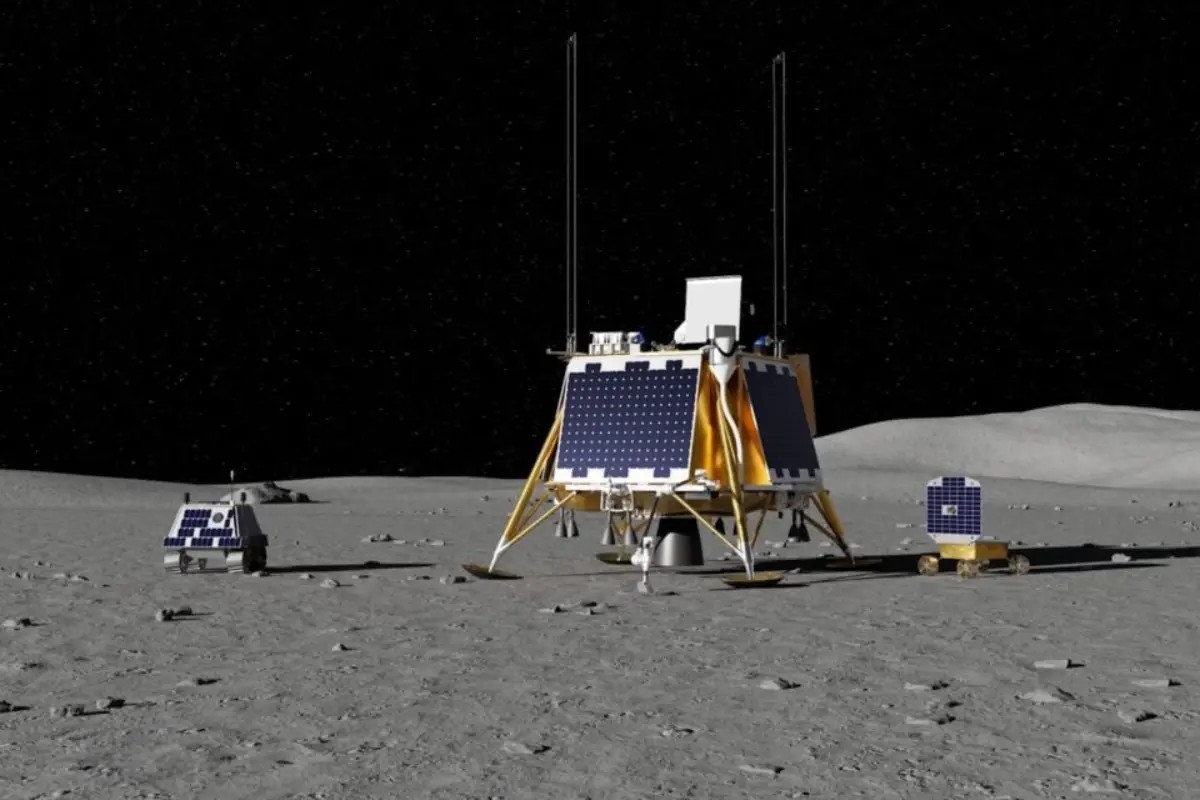
    Engineers in Ontario are building Canada’s first lunar rover, a 35-kilogram vehicle designed to search for water ice and study radiation at the Moon’s south pole. Scheduled to launch in 2029 aboard a Firefly Aerospace lander, the project is led by Canadensys Aerospace under a $14.6 million contract from the Canadian Space Agency.

    The mission is part of NASA’s Artemis program and aims to support future astronaut operations by identifying resources and assessing risks on the lunar surface.

    Once on the Moon, the rover will explore permanently shadowed craters that may hold frozen water delivered by comets over billions of years. Water is a key target because it can support astronauts as drinking water, provide oxygen, and be split into hydrogen and oxygen for rocket fuel. The rover will also track radiation levels, which can be hundreds of times stronger than on Earth, to inform habitat designs.

    Canadensys engineers are preparing the rover to handle extreme lunar temperatures that swing between -200°C at night and 100°C in daylight. Insulated batteries and heaters will help it survive long lunar nights, while rugged wheels are designed for the abrasive dust known as regolith. The system will also include autonomous navigation software, allowing the rover to avoid obstacles in the South Pole’s rough terrain.

    This rover continues Canada’s long record in space technology, beginning with the Alouette-1 satellite in 1962. More recently, the Canadarm and Canadarm2 robotic systems have supported hundreds of space operations on shuttles and the International Space Station. The new rover marks Canada’s most ambitious lunar project yet, after Canadensys supplied instruments for more than 20 other Moon missions.

    The rover will carry spectrometers to detect hydrogen signals, cameras for terrain mapping, and an alpha particle X-ray spectrometer to study soil composition. The science team is led by Gordon Osinski, a University of Western Ontario geologist who has trained astronauts in Canada’s Arctic to simulate lunar conditions. His earlier research re-examined Apollo samples and revealed traces of water, shifting views of the Moon’s past.

    Reaching the lunar south pole is complex. Craters and steep hills make precision landings difficult, as shown by recent failures from private companies in Japan and the U.S. To reduce risk, Canadensys is designing the rover to drive autonomously and adapt in real time. Solar panels with dust-resistant coatings will help extend its mission life.

    The mission aligns with the Artemis Accords, which Canada signed alongside more than 50 other nations to ensure peaceful use of space. In the long term, the rover’s work could help establish lunar bases by testing technologies such as in-situ resource use. Canadensys is also researching lunar greenhouses that might one day allow astronauts to grow crops directly in moon soil.

    Prototypes of the rover are undergoing tests in vacuum chambers to simulate space conditions. A public contest to name the rover is ongoing through the Canadian Space Agency, with the winner to be announced ahead of launch. If successful, the rover will contribute to turning the Moon into a testing ground for deeper missions, including a human landing on Mars.