Category: Space

Explore the vastness beyond our planet. This section covers missions, discoveries, and events that expand our reach into the cosmos. From new rocket launches to deep-space observations, “Space” keeps you updated on humanity’s steps into the unknown.

  • NASA’s Perseverance rover records the first-ever clear sounds of Lightning on Mars

    NASA’s Perseverance rover records the first-ever clear sounds of Lightning on Mars

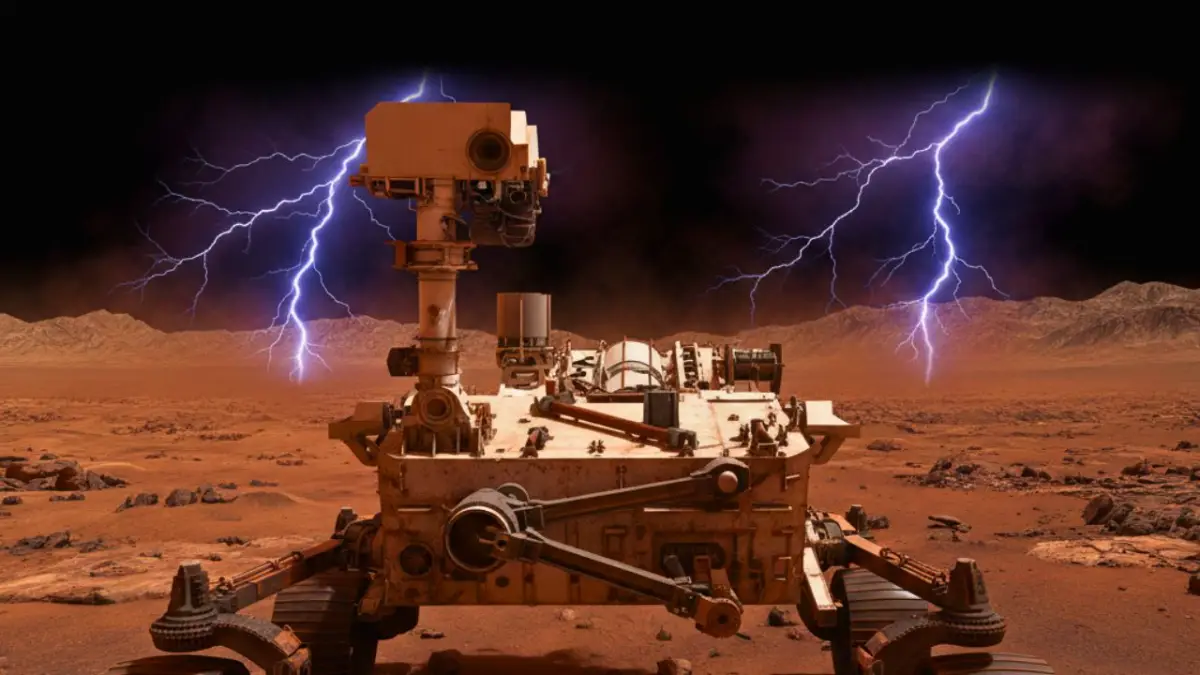
    NASA’s Perseverance rover has picked up the first confirmed sounds of lightning on Mars while operating inside Jezero Crater over the past two Martian years, recording 55 electrical discharges during dust devils and storm fronts and proving that the red planet can produce small bursts of thunder.

    The discovery came from the rover’s SuperCam microphone, which is mounted on its mast. While its main job is to study rocks, the microphone also stays on during windy periods. During these times, it captured sharp clicks followed by faint snaps. These short sounds lasted less than a tenth of a second and matched what scientists expect from small electrical sparks in Mars’ thin air.

    Out of the 55 detections, seven were full events. Those included both an electrical signal and a small sound that followed. This confirmed that the discharges were real and not just background noise from moving dust or the rover’s parts.

    On Earth, lightning carries massive energy. A single strike can hold around a billion joules. On Mars, the numbers were far lower. Most of the events measured between 0.1 and 150 nanojoules. One stronger discharge reached about 40 millijoules. Scientists believe this larger event happened when the rover itself built up charge and released it into the ground.

    Even this stronger discharge was still around a million times weaker than a normal lightning bolt on Earth. The thin air on Mars limits how much energy can build up before it jumps between surfaces.

    These sparks did not come from storm clouds filled with water. Mars has little water in its air. Instead, the charges formed when dry dust particles rubbed against each other. This happens most when winds rise sharply. The data shows that the discharges happened when wind speeds were in the highest 30 percent of all readings taken by the rover.

    Sixteen of the detected sparks came from dust devils, which are fast, spinning columns of air filled with dust. The rest were linked to the front edges of larger regional storms moving across the surface.

    To confirm the results, the team built a copy of the SuperCam microphone setup on Earth. They used a Wimshurst machine, which creates static electricity, to make controlled sparks near the device. The sound pattern it recorded was the same as what Perseverance picked up on Mars. This confirmed that the Martian signals were caused by real electrical discharges.

    Mars’ atmosphere plays a big role in how this sounds. It is about 99 percent thinner than Earth’s and mostly made of carbon dioxide. Sound moves more slowly, and high tones fade quickly. That is why there is no deep rumble like on Earth. Instead, the sound is short and sharp, and then it stops.

    These tiny sparks also matter for chemistry on Mars. When a discharge hits carbon dioxide, it can break the molecule apart. This can create reactive compounds such as nitrates and peroxides. On early Earth, similar reactions helped form basic building blocks for life. Scientists think the same process may have taken place on ancient Mars, when it had rivers and lakes.

    Today, these reactions could still leave traces in the soil. Future missions may look for those signs to learn more about the planet’s past environment. The discovery also raises safety questions for future missions. Spacecraft and habitats could slowly build up static charge on the surface. A sudden discharge may not harm a person, but it could damage unprotected electronics. Engineers may need better grounding and shielding on equipment sent to Mars.

    Perseverance continues to listen during each storm season. Thousands of hours of audio are already stored. As more storms pass over the rover, researchers expect to collect many more events. Combined with images from the rover’s cameras, this will create the first detailed audio and visual record of weather activity on another planet.

    Mars is not silent. It produces quiet, brief sounds that carry real science and real risk, and they are now finally being heard.
  • Mars “Lake” Near South Pole Likely Not Liquid Water After New Radar Check by NASA Orbiter

    Mars “Lake” Near South Pole Likely Not Liquid Water After New Radar Check by NASA Orbiter

    Scientists now say the supposed lake of liquid water beneath Mars’ south pole is probably not real. The claim, first made in 2018 using data from the European Space Agency’s Mars Express orbiter, has been challenged after NASA engineers used a new method with the Mars Reconnaissance Orbiter in May 2025. The fresh scan showed a weak signal that does not match what liquid water would produce. This matters for the search for life and future human missions to Mars.

    Back in 2018, a team using Mars Express reported a bright radar return from beneath the south polar ice. They said the signal looked like water trapped under thick frozen layers. The idea of a hidden lake on Mars quickly gained attention.

    For years, NASA’s Mars Reconnaissance Orbiter tried to check the same area using its SHARAD radar system. It could not see the same strong signal. The target area sits under thick ice, and the spacecraft’s position made it hard to get a clean view.

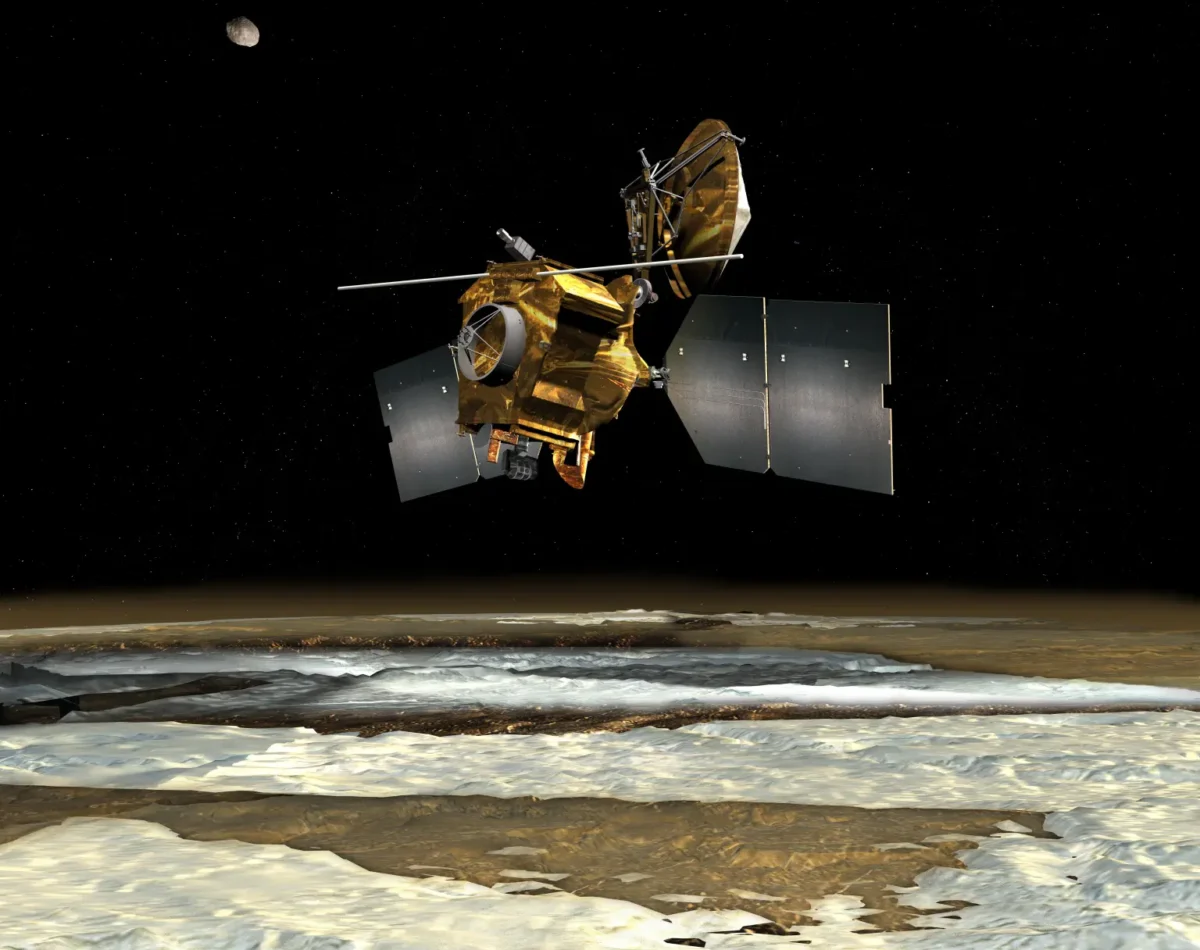
    In May 2025, engineers tried something different. They rolled the entire orbiter about 120 degrees so the radar antenna could point more directly at the surface below. This extreme move gave SHARAD a clearer path to the exact spot that caused the excitement in 2018.

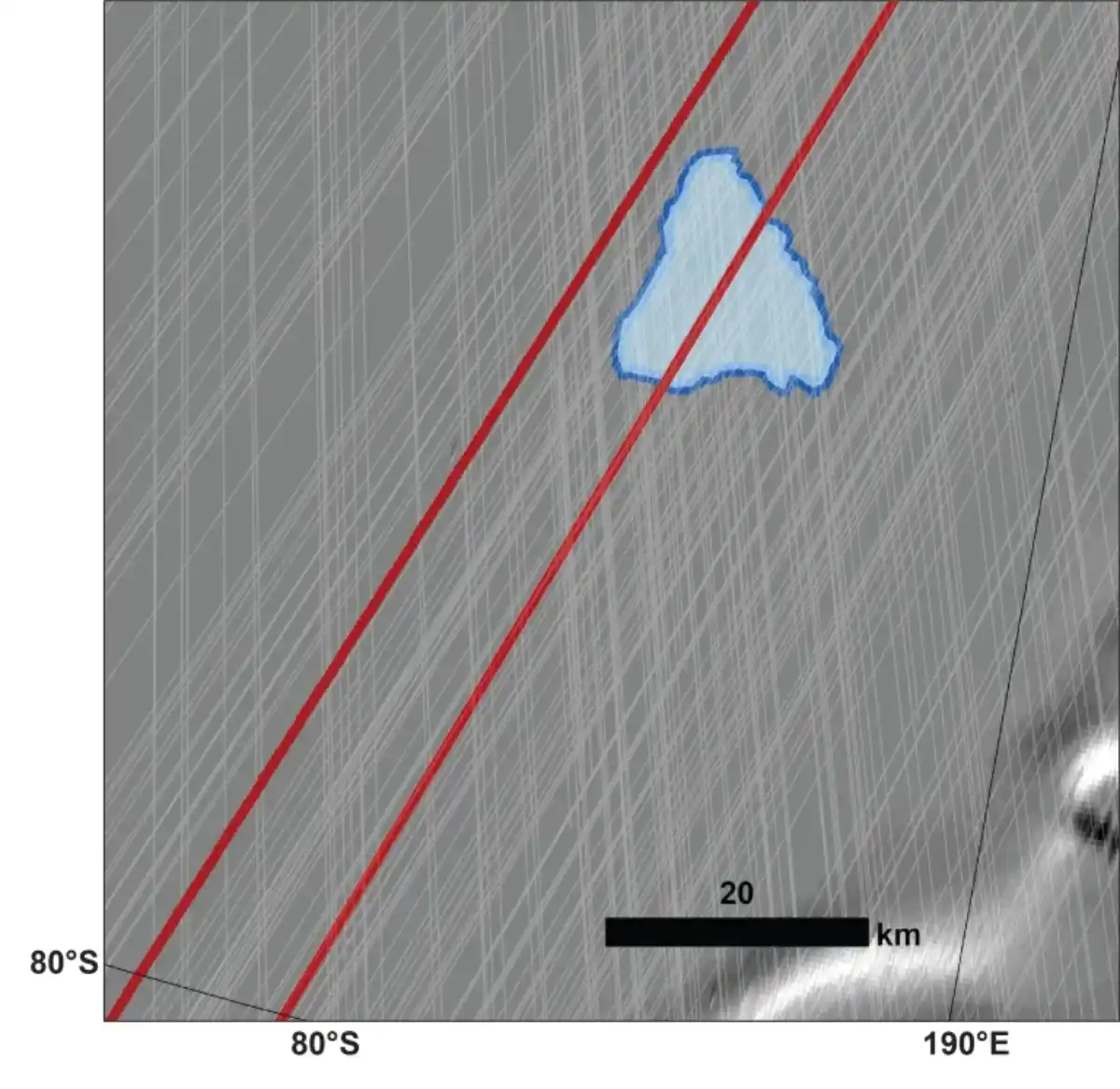
    The map marks the 2018 Mars Express lake signal and nearby Mars Reconnaissance Orbiter paths.
    This map shows where ESA’s Mars Express detected a possible underground lake in 2018, along with the nearby flight paths of NASA’s Mars Reconnaissance Orbiter. Image credit: Planetary Science Institute

    On May 26, the orbiter passed over the area and sent back new data. Instead of a strong return, the signal was faint. Nearby areas showed nothing unusual. A real body of liquid water would have reflected the radar much more clearly.

    Researchers now think the earlier signal came from solid features, not water. The region includes buried craters, old lava layers, and mixed dust and rock under the ice. Smooth rock or thin, dusty layers can sometimes reflect radar in strange ways. That is likely what misled the earlier study.

    Even though the lake idea is fading, the new method is a big step forward. Rolling the spacecraft gave scientists a deeper and clearer look under the surface. This approach can now be used in other places on Mars.

    One key area is Medusae Fossae, a massive deposit near the planet’s equator. Some data suggest it may hide large amounts of ice under dry material. If confirmed, this ice would sit in a warmer and sunnier region than the poles. That makes it a strong candidate for future human landings.

    Mars is known to hold a lot of frozen water. Thick ice covers both poles, and buried glaciers sit in several regions. What scientists have not yet confirmed is stable liquid water on the surface today. Average temperatures near the South Pole drop to around minus 80 degrees Fahrenheit. The air pressure is also very low. Under these conditions, water struggles to stay in liquid form unless it is very salty or trapped at the correct depth.

    Each new study helps researchers better understand how radar behaves on Mars. It also shows how easy it is to mistake rock and dust for water. For now, there is no underground lake at the South Pole. But the tools used to search for one just became more precise.

    Source: NASA Orbiter Shines New Light on Long-Running Martian Mystery

  • Chennai Based Spacetech Startup Agnikul Cosmos Raises $17M, Valued at $500M

    Chennai Based Spacetech Startup Agnikul Cosmos Raises $17M, Valued at $500M

    Agnikul Cosmos, a private space startup based in Chennai, has raised $17 million to speed up its plan to build reusable rockets. The funding comes as the company prepares for its first full orbital launch, expected in 2026. Founded by engineers from IIT Madras, Agnikul aims to cut launch costs by recovering and reusing parts of its rocket, making access to space cheaper for small satellite users in India and abroad.

    The company started about five years ago. It was founded by two engineers from the National Centre for Combustion R&D at IIT Madras. Since then, Agnikul has focused on building a small launch vehicle designed mainly for lightweight satellites used in research, communication, and Earth observation.

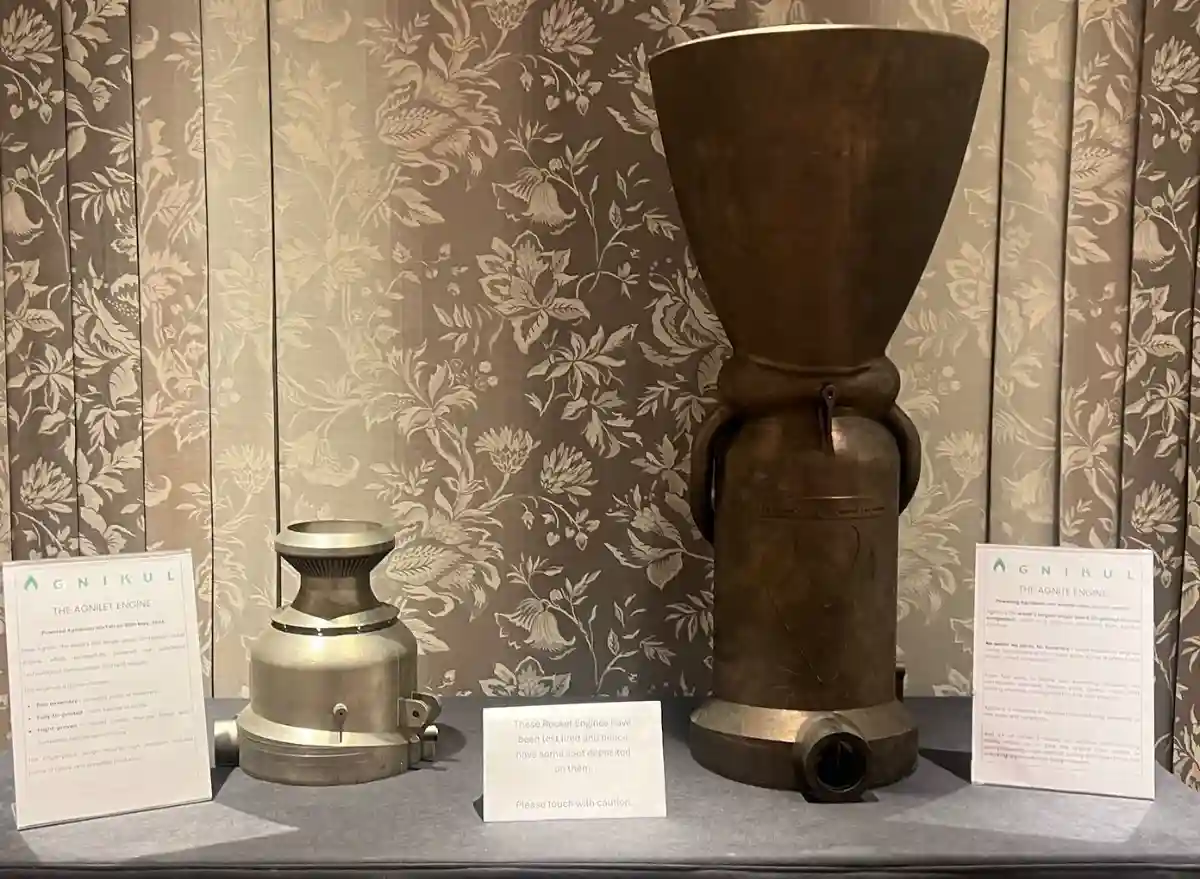
    In May 2024, Agnikul carried out a key test. The company launched Agnibaan SOrTeD, a suborbital test rocket, from a private launchpad in Sriharikota. The rocket was controlled using a mobile app. It rose to a height of about one kilometer before safely landing in the Bay of Bengal. The short flight confirmed that its 3D-printed semi-cryogenic engine could work under real conditions.

    The idea of rocket reuse has changed the space industry in the past decade. Normal rockets are used only once. After launch, most of the hardware falls into the ocean or burns up in the atmosphere. This makes every mission very expensive. On average, sending one kilogram into low Earth orbit can cost between $2,000 and $10,000. Reusing parts of a rocket can bring that number much lower, sometimes below $500 per kilogram.

    Agnikul is trying a simpler design than many reusable rockets used by larger companies. Its upcoming orbital rocket, called Agnibaan, will use only two liquid-fuel engines in its first stage. The vehicle will be around 18 meters tall and is designed to carry up to 300 kilograms to low Earth orbit. The company says this design reduces complexity and lowers the risk of failure.

    Another part of Agnikul’s plan is large-scale 3D printing. The company is setting up some of the biggest 3D printers in the country for rocket engines. This process allows them to manufacture an engine in a few days instead of several months. It also reduces the number of parts needed, which makes the engine easier to assemble and repair.

    The new $17 million investment came from Indian banks, venture capital groups, and family offices. A large part of the money will go into building a new manufacturing facility near Kulasekarapatnam in Tamil Nadu. This location sits close to the equator, which gives rockets a natural speed boost from the Earth’s rotation. That boost means less fuel is needed to reach orbit.

    The Kulasekarapatnam site is also important because it is close to India’s second rocket port. By building a factory near the launch site, Agnikul can reduce transport time and cost. The company plans to use the facility for research, production, assembly, and testing of future rockets.

    Agnikul has set 2026 as a target for its first full orbital launch. Unlike earlier tests, this mission will aim to place a satellite into low Earth orbit. The company also plans to test recovering the first stage of the rocket, which is the most expensive part. If the recovery is successful, the same stage could be used again for future missions.

    If Agnikul succeeds in creating a reliable reusable rocket, it could change India’s position in the global launch market. Lower prices could attract universities, startups, and smaller nations that cannot afford high launch costs. This shift could make India not just a reliable option for launches but also one of the most affordable.

    For now, Agnikul’s focus remains on testing, building, and preparing for its next flights. The company says the next two years will be critical as it moves from short test missions to full-scale launches. The success of these steps will decide whether its reusable rocket plan can work outside the lab and in regular space operations.

  • ESA tests carbon-fiber tanks for Ariane 6 to lift heavier payloads into orbit

    ESA tests carbon-fiber tanks for Ariane 6 to lift heavier payloads into orbit

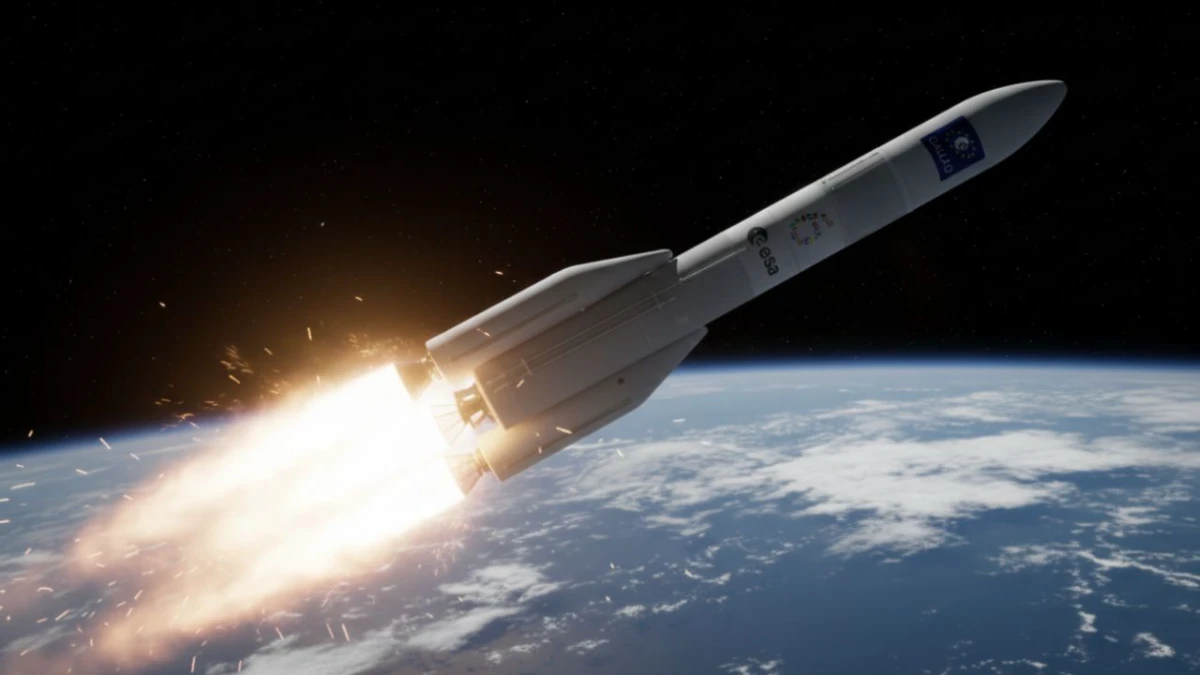
    The European Space Agency (ESA) is testing a new way to make the Ariane 6 rocket carry more weight into orbit by replacing traditional metal fuel tanks with lighter carbon-fiber ones, a move that could increase payload capacity by up to two tonnes if the ongoing trials in Germany and France succeed.

    The work is part of the Phoebus project, led by European space companies and research groups. The goal is to reduce the mass of the rocket’s upper stage so more room and weight can be used for satellites and space probes.

    Most rockets today use metal tanks made from aluminum-based alloys. These tanks are strong but heavy. Carbon fiber weighs far less, which is why engineers are trying to apply it to tanks that hold super-cold liquids used as fuel. The challenge is that no one has ever flown a fully carbon-fiber tank for these liquids before. Liquid oxygen and liquid hydrogen must be stored at extreme cold. At those levels, even small material changes can cause cracks or leaks.

    One of the main problem areas is the join between the carbon tank walls and the metal covers on each end. Metal shrinks more than carbon in deep cold. When they pull apart even slightly, gaps can form, and leaking oxygen can become very dangerous.

    Engineers have spent years testing different seal materials and bonding methods to make sure the joint stays tight. In July 2025, the German company MT Aerospace started building the full-size end covers for the new oxygen tank.

    The plan is to attach these covers before the end of the year and then fill the tank with liquid oxygen. Sensors will watch for any movement, cracking, or leaks during the deep-freeze tests. The Phoebus team is also changing the structure that carries the force of the engine. In a normal upper stage, a metal frame sits between the tanks and the engine, and separate pipes carry fuel.

    In the new design, those pipes are part of the frame itself. They now help support the engine’s force while also moving fuel. Engineers create the centerpiece using 3D printing and then wrap carbon fiber around the pipe system. Assembly of this new structure is scheduled to begin in Bremen next year. If all goes to plan, it will be joined with the oxygen tank in 2026 for full ground testing.

    Ariane 6 currently carries around 11.5 tonnes to a high Earth transfer orbit. By cutting the upper stage mass, engineers estimate they could add close to two tonnes of extra payload. That extra capacity could mean one more satellite on each launch or the ability to send heavier science missions into deep space.

    Other rocket builders are watching the Phoebus project closely. Some already use carbon layers around metal tanks, but none have switched fully to carbon fiber for the main cryogenic tank structure.

    The project began in 2019 as a research concept. Six years later, large parts are now being made in factories across Germany. If the upcoming cryogenic tests are successful, a full upper-stage model could be built and tested by 2028. If that phase also works, carbon-fiber tanks could become a standard design choice for future European launch vehicles, helping reduce costs and increase the amount of cargo each rocket can carry.

    Source: Phoebus: framing carbon-fibre fuel tanks for maximum thrust

  • Indian Tejas Fighter Jet Crashes at Dubai Airshow, Pilot Killed in Tragic Accident

    Indian Tejas Fighter Jet Crashes at Dubai Airshow, Pilot Killed in Tragic Accident

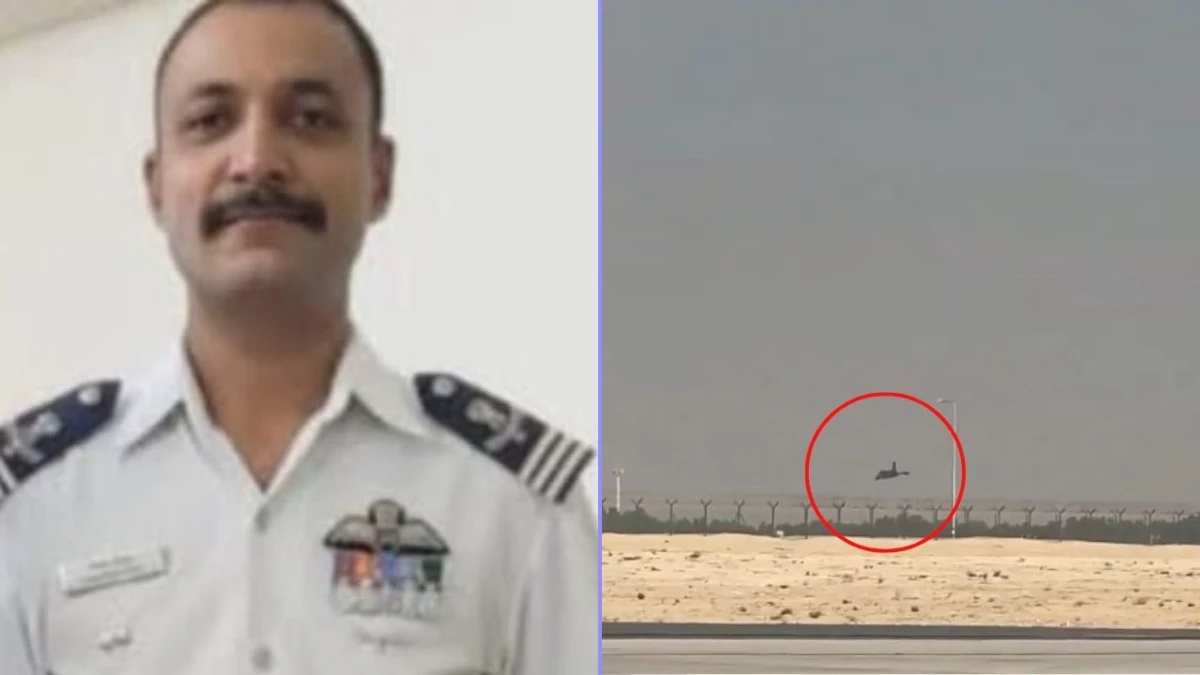
    On November 21, 2025, a demonstration by India’s Tejas fighter jet at the Dubai Airshow ended in tragedy when the aircraft crashed into the runway while performing at low altitude over Al Maktoum International Airport. The jet was flying less than 500 feet above the ground as it moved into an inverted loop.

    Within seconds, its nose dropped sharply, and the aircraft struck the runway, erupting into a large fire. The pilot, Wing Commander Namansh Syal, was killed in the crash. No one on the ground was injured due to swift evacuations by event staff and security teams.

    Footage recorded by spectators shows the jet entering a tight roll before pitching downward too early. The impact sent thick smoke across the airport grounds. Emergency crews reached the site within minutes. Firefighters brought the flames under control while medical teams secured the area. The airshow paused briefly before continuing later in the day, but the atmosphere had changed, with many in attendance visibly shaken by the incident.

    Wing Commander Syal was 34 years old and came from Himachal Pradesh. He belonged to a family with a long history of service. His father is a retired army officer, and his wife is a pilot undergoing training. The couple also had a young daughter. Fellow officers described Syal as calm under pressure and highly skilled in complex flight operations. His death has left his unit in mourning, and messages of condolence have poured in from across the aerospace and defense community.

    Early findings point towards an aerodynamic stall during the maneuver. When a jet’s nose rises too steeply, air can stop flowing smoothly over the wings, causing a sudden loss of lift. At low altitude, pilots have only seconds to correct this by lowering the nose and adjusting thrust. In this case, the aircraft was already too close to the ground for a full recovery. The demanding nature of such displays, combined with the speed and angle of the turn, may have left no margin for error.

    The Tejas is India’s first fully indigenous fighter aircraft, built by Hindustan Aeronautics Limited. Powered by a GE F404 engine, it is designed for high-speed performance and sharp turns. Its delta-wing shape makes it highly agile, but that same design can become unforgiving at slower speeds and tighter angles. The aircraft has been a central part of India’s push toward defense self-reliance and has drawn interest from several foreign buyers.

    This is not the first setback for the Tejas program. In 2024, another aircraft went down during a routine training flight due to a software issue, although the pilot ejected safely in that case. Worldwide, airshow crashes are rare but often linked to low-altitude maneuvers, where even a slight miscalculation can prove fatal. Aviation safety data shows that loss of lift during such displays remains a common cause of military aircraft accidents.

    In response to the crash, the Indian Air Force has ordered a formal court of inquiry. Investigators will study flight recorder data, analyze wreckage, and review videos and witness statements. They will determine whether the crash was caused by a technical fault, a control issue, or a human factor. UAE authorities are assisting in the investigation, and organizers have confirmed that all safety protocols were followed during the event.

    Despite the tragedy, the Tejas program is expected to continue. India plans future upgrades, including a more powerful Tejas Mk II, and officials have indicated that one accident will not halt progress. Still, the loss of Wing Commander Syal stands as a sobering reminder of the risks behind high-speed aerial displays and the human cost that can come with pushing the limits of flight.

  • Moss spores survive nine months outside the ISS and still grow back on Earth

    Moss spores survive nine months outside the ISS and still grow back on Earth

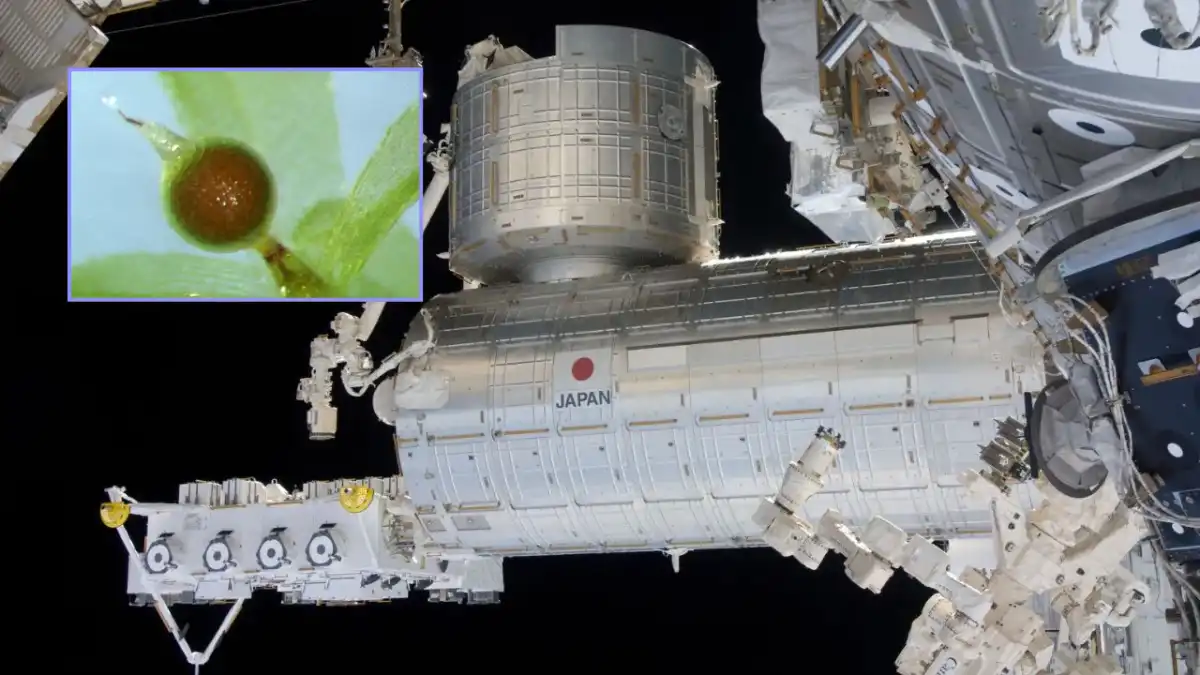
    Scientists exposed a common moss to the harsh environment of space for 283 days outside the International Space Station, then brought it back to Earth and found that most of its spores could still grow, proving that some simple plants can survive vacuum, radiation, and extreme temperature changes. The test was done as part of Japan’s Tanpopo-4 mission, with samples attached to the outside of the ISS and later returned in January 2023 to see how much life remained.

    The moss, called Physcomitrium patens, belongs to a group of tiny plants known as bryophytes. These were some of the first plants to live on land hundreds of millions of years ago. They do not have seeds or deep roots, yet they adapted to life with little protection. Researchers wanted to know if that early toughness still worked under space conditions.

    Before sending the moss into space, the team tested different parts of it on Earth. They looked at the fine green strands that grow first, the hard resting cells formed during dry periods, and the spores inside a small capsule on the plant. The spores performed far better than the rest.

    When hit with strong ultraviolet light, the green strands died at low levels, but the spores survived even when the dose was more than a thousand times higher. After 30 days at minus 80 degrees Celsius, only the spores stayed alive. After a month at 55 degrees Celsius, the main plant parts died, but more than a third of the spores still lived. This made the spores the top choice for the space test.

    Researchers fixed dried moss capsules into small aluminum holders on the outside of the Kibo module of the ISS. A sticky material made from bacteria held them in place. Some samples were fully exposed to sunlight, including strong UV. Some were covered with filters that blocked UV. Others were kept in darkness as a control.

    The samples stayed there for 283 days. They went through the vacuum of space, strong cosmic radiation, and fast temperature shifts that moved from around minus 50 to plus 60 degrees Celsius. When they returned to Earth, the results surprised even the scientists.

    The dark control samples, both on Earth and in space, showed about 95 to 97 percent growth. The samples exposed to visible and infrared light showed about 97 percent growth. Even the samples hit with full solar UV had an 86 percent success rate. Only strong UV light caused noticeable damage, and even then, most spores remained alive.

    Using these results, the team estimated that if the spores stayed under similar UV levels in space, about 10 percent would still survive after roughly 15 years. This is based on a simple calculation from limited data, so it is only an estimate.

    There were some changes. The outer layers of the moss capsules lost around 20 percent of their main green pigment, even in areas without UV. Scientists believe strong sunlight, not filtered by Earth’s atmosphere, caused this effect. Other pigments showed little or no change.

    The findings could matter for future space missions. Moss does not need deep soil. It can grow in low light and help make oxygen. If used on the Moon or Mars, it could help start the slow process of turning dust and rock into something more like soil. That could support other plants later.

    Source: Extreme environmental tolerance and space survivability of the moss, Physcomitrium patens

  • The Mars-Sized World that Struck Early Earth and Built the Moon formed Near Earth, Study Finds

    The Mars-Sized World that Struck Early Earth and Built the Moon formed Near Earth, Study Finds

    About 4.5 billion years ago, a Mars-sized world named Theia struck the early Earth in the inner solar system. The impact threw hot, broken rock into space. Over time, this material gathered and turned into the Moon. A new study published in Science shows that Theia formed close to Earth, not far away, changing where scientists think it came from and how the Moon began.

    The research team studied tiny chemical differences in rocks from Earth and the Moon. They focused on forms of elements that vary slightly in weight. These small differences act like a signature that points to where a body formed in the solar system.

    Their results show that Earth and the Moon share almost the same patterns in key elements, including oxygen, titanium, chromium, and iron. This close match means the Moon formed mostly from material thrown out of Earth’s outer layer, mixed with part of Theia.

    No large piece of Theia exists today. Its material became part of Earth and the Moon after the impact. To find traces of it, scientists compared rock samples and measured the tiny weight differences in common elements.

    Material that formed close to the Sun shows a different pattern than material that formed farther out. Bodies that formed in colder regions kept more of certain heavy forms of these elements. By matching these patterns, scientists can trace where an object likely formed billions of years ago.

    Earth and the Moon show almost no difference in these patterns. This rules out the idea that Theia came from the outer solar system. Instead, it points to Theia forming in the same inner region as Earth, at a similar distance from the Sun or slightly closer.

    Iron helped narrow the answer even more. Most of Earth’s iron moved into the core before the collision happened. Any iron left in the outer layer today must have come later, carried in by Theia. By measuring the iron pattern in Earth’s upper layer, the team could estimate what kind of body delivered it. They then ran thousands of computer models, testing different impact sizes and material mixes.

    Only models with a nearby, Earth-like Theia recreated the Earth and Moon we see today. Models that used a more distant object did not match the real data.

    Earlier theories suggested that a far-off body crashed into Earth. This helped explain why the Moon has less iron than Earth does today. These new results show that both Earth and Theia started with similar material. The differences seen now are more likely the result of the force of the impact and how the scattered debris later gathered in orbit around Earth.

    This supports a view that planets in the inner solar system formed from material already close to their final paths around the Sun. Only fine dust and small rocks drifted in from farther regions.

    The models still point to one unusual detail. A small part of Theia appears to be made of material that formed even closer to the Sun than Earth’s original building blocks. No known meteorite found on Earth perfectly matches this type of material. It may have been used up long ago during planet formation or pulled into the Sun early in the solar system’s history.

    Even so, the main answer is now clearer. Theia was not a distant visitor. It formed in the same neighborhood as Earth, and its violent impact shaped both our planet and the Moon that orbits it today.

    Source: The Moon-forming impactor Theia originated from the inner Solar System

  • The Europe-China SMILE mission has been approved to launch in Spring 2026

    The Europe-China SMILE mission has been approved to launch in Spring 2026

    SMILE (Solar Wind Magnetosphere Ionosphere Link Explorer), a joint mission by the European Space Agency and the Chinese Academy of Sciences, will study how the Sun’s charged particles interact with Earth’s magnetic field. The spacecraft is set to launch from French Guiana on a Vega-C rocket between April 8 and May 7, 2026. It will capture wide images and direct measurements to improve space weather forecasts that affect satellites, GPS, power systems, and radio signals.

    SMILE will orbit Earth in a long, tilted path that reaches more than 120,000 kilometers into space. From that distance, it will look back at Earth and record how the solar wind presses against the planet’s protective magnetic layer and how energy moves into the upper atmosphere.

    Solar wind is a fast flow of charged particles released by the Sun. Earth’s magnetic field blocks much of it, but strong solar outbursts can disturb this shield. When that happens, bright auroras appear near the poles, and technology on Earth and in orbit can be affected.

    SMILE is designed to fill gaps left by earlier missions that only studied small regions. The now-complete Cluster mission, run by ESA, tracked conditions close to Earth for more than two decades. SMILE will take a wider, global view and link what happens in space to changes seen in the sky above the poles.

    The spacecraft carries four main instruments. One camera will map the outer edge of Earth’s magnetic field using faint X-ray signals created when solar particles strike atoms in space. Another camera will photograph the full northern aurora to show where energy enters the atmosphere. Two additional sensors will measure charged particles and magnetic fields along the spacecraft’s path.

    During each 51-hour orbit, SMILE will spend up to 40 hours above Earth’s polar regions. From this position, it can continuously observe the areas where solar particles enter the system and where auroras form and change over time.

    Scientists first proposed the mission in 2015. ESA built the section that carries the imaging instruments, while China built the spacecraft body and the sensors that take direct measurements. Engineers joined the two sections at ESA’s testing center in the Netherlands in January 2025.

    After the final assembly, teams ran a long series of tests to check how the spacecraft handles strong vibration, extreme heat, and deep cold. In September 2025, SMILE passed its final reviews and was approved for launch.

    The spacecraft will travel by ship to French Guiana in February 2026. From there, it will be sent into space on a Vega-C rocket, which has returned to regular service after earlier problems.

    Once in orbit, SMILE will operate for at least three years. Data from the mission will be shared with research centers in Europe, China, and other countries. Scientists will also compare its results with data from NASA missions such as MMS and THEMIS to build a clearer picture of Sun-Earth interactions.

    With the Sun currently in a more active phase, solar storms are expected to occur more often. SMILE will allow scientists to record these events in detail and improve early warning systems that protect modern technology on Earth and in space.

  • Europe Prepares Ariane 6 for Galileo Satellite Launch in December 2025

    Europe Prepares Ariane 6 for Galileo Satellite Launch in December 2025

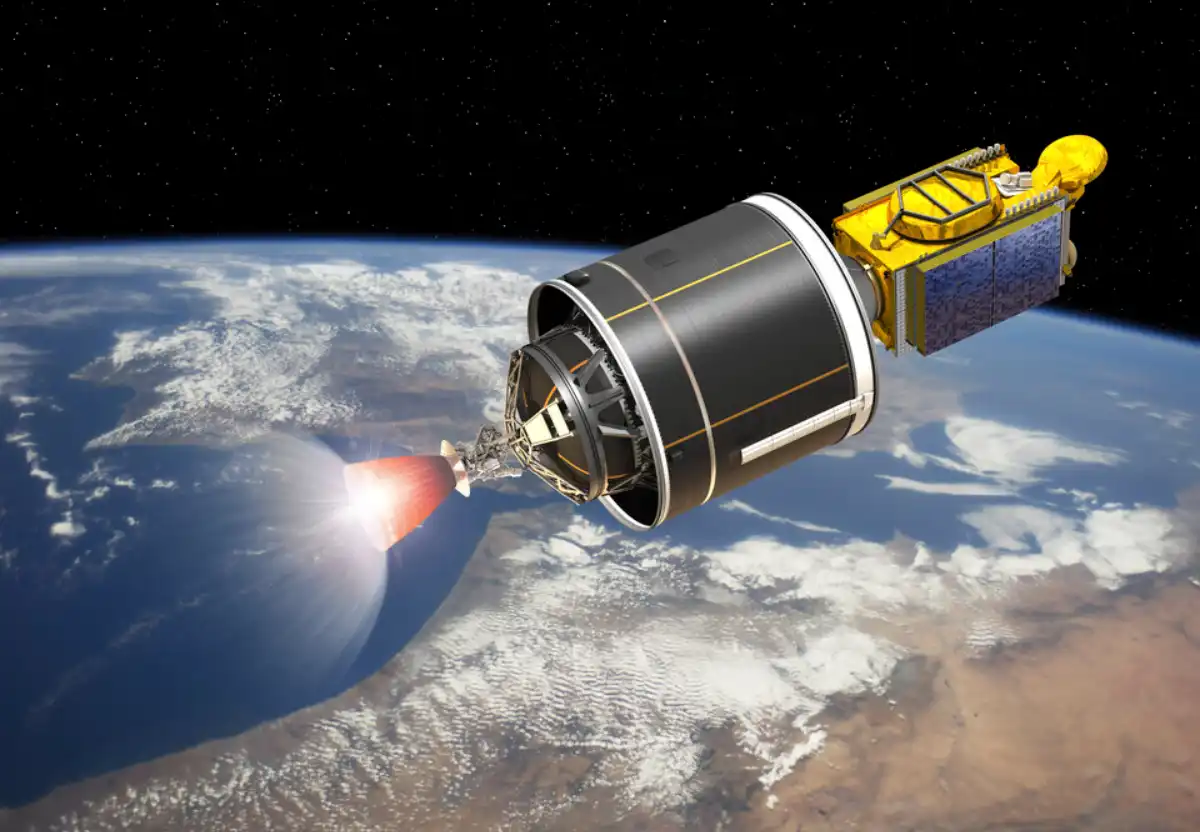
    Europe will launch two new Galileo navigation satellites on the Ariane 6 rocket from French Guiana on December 17, 2025. The launch window opens at 05:01 GMT. The mission marks the first time Galileo satellites fly on Ariane 6 and the rocket’s fifth flight.

    The satellites, called SAT 33 and SAT 34, will head to orbit about 23,000 kilometers above Earth to strengthen Europe’s navigation network and protect it from service gaps.

    The launch will take place from the Guiana Space Centre in Kourou. Once separated from the rocket, the satellites will move into their final positions in medium Earth orbit. They will join 31 other Galileo satellites already in space, with 27 currently in active service across the globe.

    Mission teams are adding more satellites to keep backups available in orbit. If a satellite fails or must be taken offline, another can take its place. This keeps the system stable and helps maintain location accuracy for phones, cars, aircraft, ships, and emergency services.

    Most modern smartphones already use Galileo signals along with GPS. The mix of systems improves location accuracy in crowded cities and remote regions. Farmers use Galileo to guide equipment in straight lines. The system also supports a search and rescue channel that sends a distress location to emergency teams and confirms to the sender that help is on the way.

    Europe created Galileo to keep navigation services under civilian control. This reduces reliance on foreign systems such as the American GPS or the Russian GLONASS network. The design also includes tools that help block false signals and protect against attempts to confuse receivers.

    Each Galileo satellite carries very precise atomic clocks. These clocks send time signals to Earth. A receiver measures how long the signal takes to arrive. When at least four satellites are in view, the receiver can calculate its position, height, and time with high precision. The more satellites it can see, the faster and more accurate the result.

    The satellites move in three orbital paths around the planet, tilted to give strong coverage at high and mid latitudes. This setup helps users in northern and southern regions receive steady signals.

    Ariane 6 replaces earlier launch options. Previous Galileo satellites flew on Ariane 5 and Russian Soyuz rockets. Ariane 5 has retired, and Soyuz is no longer available to Europe. With Ariane 6, Europe now has its own launcher ready for regular Galileo missions.

    This launch will use the Ariane 62 version, which has two strap-on boosters. Its upper stage will restart its engine more than once to place the satellites in the correct path. After releasing the payload, the upper stage will move to a safe disposal orbit.

    The two satellites on this mission are first-generation models built by the German company OHB. Four more of the same type are ready for future flights.

    From around 2027, Europe plans to introduce second-generation Galileo satellites. These will use digital systems, electric thrust for easier movement in orbit, and links that allow satellites to pass data to each other without constant ground support. Improved clocks, stronger signals, and better protection against jamming are also planned.

    With billions of devices already using Galileo signals, each new satellite adds capacity and stability. The latest launch will strengthen the system as Europe prepares for the next phase of its navigation program.

  • CERN boosts antihydrogen production, opening the door to faster tests of antimatter physics

    CERN boosts antihydrogen production, opening the door to faster tests of antimatter physics

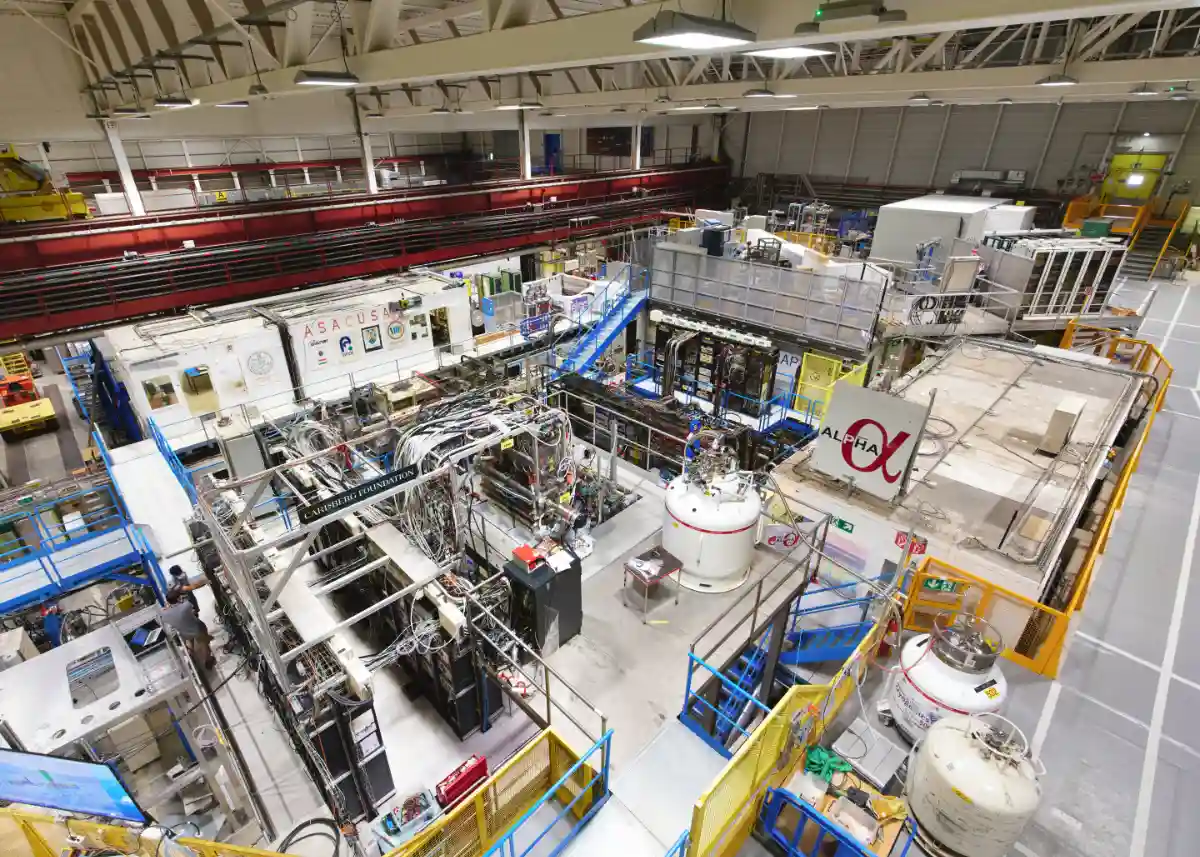
    CERN researchers have reported a major rise in the rate at which they create antihydrogen, giving them far more material to test how antimatter behaves. The announcement came from the ALPHA collaboration in Geneva, which said it can now make antihydrogen about eight times faster than before.

    The team achieved this during recent runs at the Antimatter Factory, where the atoms form after antiprotons and positrons are cooled and combined under controlled conditions. The rapid increase matters because scientists want to learn why the universe contains far more matter than antimatter, a question tied to the earliest moments after the Big Bang.

    Antimatter mirrors normal matter. Each ordinary particle has an opposite partner with the same mass but the opposite charge. When they meet, they release their mass as energy. Theory says the Big Bang should have produced equal amounts of both, yet almost everything we see today is matter. Experiments like the ALPHA study antihydrogen in search of small differences that might explain the imbalance.

    The latest progress comes from a change in how researchers cool positrons. Positrons need to be very cold before they can pair with antiprotons to form antihydrogen. Earlier systems relied on the positrons shedding energy as they moved in magnetic fields, but that method did not cool them enough.

    The ALPHA team now mixes positrons with laser-cooled beryllium ions. When the positrons strike these ions, they lose energy and reach temperatures near 7 Kelvin. This extra cooling makes the formation of antihydrogen much more efficient.

    With this method, ALPHA trapped more than fifteen thousand antihydrogen atoms in under seven hours. During the 2023 and 2024 runs, the total count exceeded two million. A decade ago, scientists struggled to collect a few dozen, so the scale of today’s production marks a substantial change in how quickly they can run experiments.

    Antihydrogen can be held in magnetic traps because it has a magnetic moment. Once captured, the atoms are used to measure how antimatter responds to forces such as gravity. In 2023, ALPHA-g recorded the first direct test of whether antihydrogen falls in the same direction as ordinary matter. The results pointed to normal downward motion. The accuracy was limited, but the new production rate means many more trials can be carried out this year.

    Having more atoms also helps in studies of the energy levels inside antihydrogen. Scientists compare these levels with those in hydrogen, which are known in extreme detail. So far, every check shows the same values. Continued work aims to cool antihydrogen even further, using lasers that act directly on the atoms. Lower temperatures make the measurements sharper and reduce uncertainty.

    The rise in production shifts antimatter research into a faster phase. Work that once took months can now happen in days. Each new sample adds to a long effort to learn whether antimatter copies matter in every respect or hides small differences. If even one difference appears, it could point toward why matter became the dominant form in the universe.

    For now, everything aligns with current theory, but the expanded output gives researchers many more chances to look for anything that breaks the pattern.

    Source: Breakthrough in antimatter production